
Introduction

In the realm of construction and manufacturing, PVC bonding adhesive plays a pivotal role in ensuring strong, durable connections between materials. Whether you're working on a DIY project at home or managing large-scale industrial applications, understanding the nuances of PVC construction adhesive can make all the difference in achieving optimal results. With its versatility and reliability, PVC adhesives have become essential tools across various industries.
The Importance of PVC Bonding Adhesive
PVC bonding adhesive is crucial for creating lasting bonds that withstand stress and environmental factors. Its unique formulation allows for excellent adhesion to a variety of surfaces, making it ideal for both indoor and outdoor applications. By utilizing high-quality PVC bonding adhesive, you can enhance the longevity and performance of your projects while reducing the risk of failure due to weak connections.
Choosing the Right PVC Construction Adhesive
Selecting the right PVC construction adhesive involves understanding your specific requirements and the materials involved in your project. Factors such as curing time, temperature resistance, and compatibility with other materials should guide your decision-making process. By carefully evaluating these elements, you can ensure that you choose an adhesive that meets your needs while providing maximum strength and durability.
Common Applications for PVC Adhesives
PVC adhesives are widely used in various sectors including plumbing, automotive, packaging, and even crafts. From securing pipes in plumbing systems to creating custom packaging solutions with PVC blister pack adhesive, these adhesives offer solutions that are both efficient and reliable. Their adaptability makes them suitable for numerous applications where strong bonds are essential for success.
Understanding PVC Bonding Adhesive
What is PVC Bonding Adhesive?
PVC bonding adhesive is a specialized glue designed to create strong bonds between PVC materials. It typically contains solvents or water-based components that penetrate the surface of the PVC, creating a chemical bond as it cures. This type of adhesive is ideal for applications where traditional adhesives may falter, providing superior adhesion for both rigid and flexible PVC products.
Benefits of Using PVC Bonding Adhesive
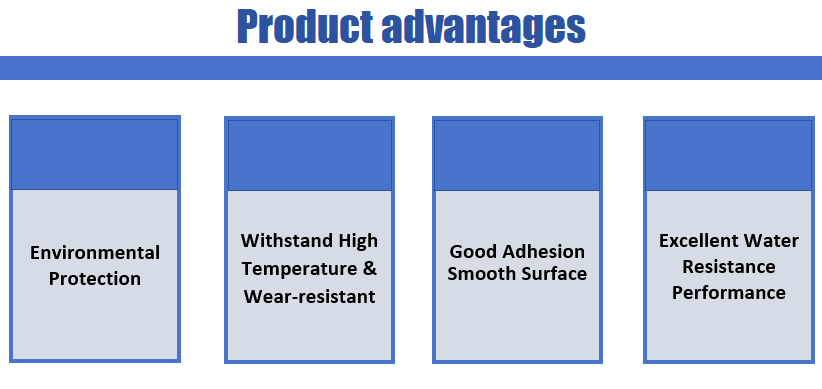
There are numerous benefits to using PVC bonding adhesive in your projects. First, it offers exceptional strength and durability, ensuring that your bonds withstand stress and environmental factors over time. Additionally, many formulations are resistant to water, chemicals, and UV light, making them perfect for outdoor applications or areas prone to moisture exposure.
Another advantage of using this type of adhesive is its versatility; whether you're working with pipes, sheets, or even intricate designs involving PVC vinyl film or blister packaging adhesives, you can find an appropriate solution tailored to your needs. Plus, applying these adhesives often requires minimal surface preparation compared to other types of glues—saving you time and effort while still achieving optimal results.
Types of PVC Adhesives on the Market
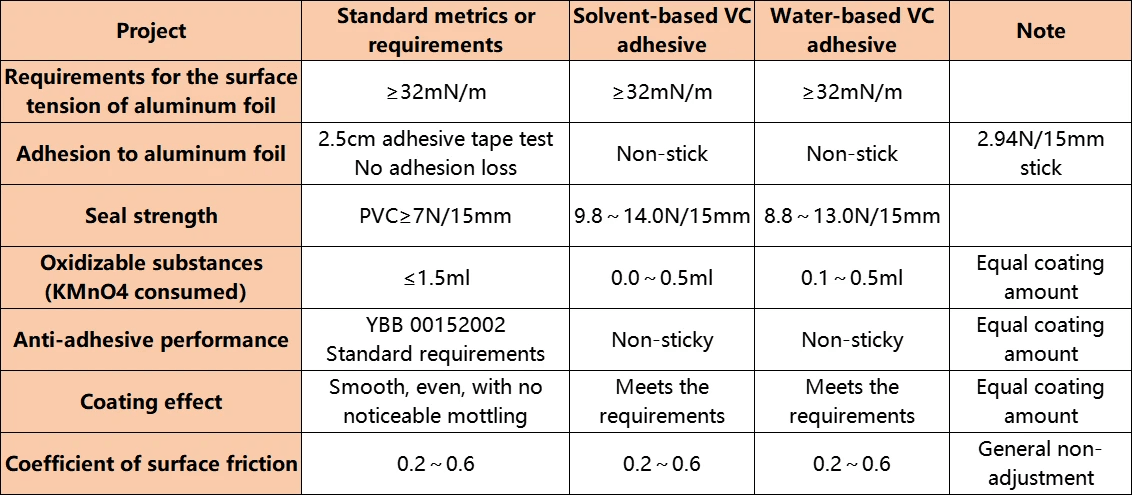
The market offers several types of PVC adhesives catering to different applications and performance needs. For instance, solvent-based adhesives are popular for their quick curing times and robust bonds but may require careful handling due to their volatile organic compounds (VOCs). On the other hand, water-based options provide a more environmentally friendly alternative without sacrificing adhesion strength—making them an excellent choice for eco-conscious projects.
Within these categories lies a variety of specialized products such as PVC blister pack adhesive designed specifically for packaging applications or those intended for use with protective films like pvc protective film that safeguard surfaces during construction processes. Understanding these distinctions will help you select the best pvc construction adhesive suited for your specific project requirements.
Techniques for Effective PVC Bonding
When it comes to achieving a strong bond with PVC bonding adhesive, the right techniques can make all the difference. From surface preparation to application methods and curing conditions, each step plays a crucial role in ensuring optimal adhesion. Let's dive into these essential techniques that will elevate your PVC bonding game.
Surface Preparation for Maximum Adhesion
Surface preparation is the unsung hero of effective bonding; it sets the stage for your PVC construction adhesive to shine. Before applying any adhesive, ensure that surfaces are clean, dry, and free from contaminants like dust, grease, or oils. A simple wipe down with a suitable solvent or cleaner can go a long way in enhancing adhesion and ensuring that your PVC protective film or adhesive sticks like glue—because it is glue!
Additionally, roughening up smooth surfaces can create micro-abrasions that allow the adhesive to grip better. Using sandpaper or a scouring pad helps increase surface area for bonding, making your PVC vinyl film adhere more effectively. Remember: Properly prepared surfaces lead to stronger bonds and longer-lasting results.
Application Methods for PVC Adhesives
Once your surfaces are prepped and ready to go, it's time to apply your PVC bonding adhesive using the right method for maximum effectiveness. Depending on the type of project you're tackling—whether it's using PVC blister packaging adhesive or another variant—you may choose between brush-on, spray-on, or roller application techniques. Each method has its pros and cons; for instance, brush applications allow precise control while sprays cover larger areas quickly.
Always follow the manufacturer's recommendations regarding coverage rates and thickness of application to avoid any mishaps later on. For those using PVC blister pack adhesive specifically designed for intricate packaging solutions, applying an even coat will ensure consistent performance across all bonded areas—no one wants an unexpected separation during use!
Curing Times and Conditions
After applying your chosen adhesive methodically, understanding curing times and conditions is crucial for achieving optimal results with any type of PVC bonding adhesive you’re using. Curing refers to the process where adhesives reach their full strength after application—patience here is key! Different adhesives have varying curing times; typically ranging from minutes up to several hours depending on environmental factors like temperature and humidity.
To ensure proper curing conditions are met, keep bonded items in a controlled environment free from moisture or extreme temperatures during this period. This practice not only enhances bond strength but also ensures that your projects utilizing materials like PVC vinyl film are durable over time as well as aesthetically pleasing!
Exploring PVC Protective Film

PVC protective film serves as a crucial layer of defense in various applications, especially when it comes to bonding and packaging processes. This thin, flexible film is designed to protect surfaces from scratches, dust, and other contaminants during handling and transportation. Its versatility makes it an essential component in industries that utilize PVC bonding adhesive and PVC construction adhesive.
What is PVC Protective Film?
PVC protective film is a specialized plastic film made from polyvinyl chloride (PVC) that acts as a shield for various surfaces. This film can be found in different thicknesses and adhesive strengths, allowing users to select the right type based on their specific needs. Whether it's for protecting delicate finishes or ensuring smooth application of adhesives like PVC blister adhesive, this film proves indispensable.
Uses of PVC Protective Film in Adhesive Applications
In adhesive applications, PVC protective film plays several vital roles. It safeguards surfaces from damage during the bonding process while ensuring that the surface remains clean for maximum adhesion with products like PVC bonding adhesive or PVC construction adhesive. Additionally, it can be used to cover areas where excess glue might seep out during application, preventing messy cleanups and maintaining aesthetic integrity.
How to Properly Apply PVC Protective Film
Applying PVC protective film correctly is key to maximizing its benefits in your projects. Start by ensuring the surface is clean and dry; any dirt or moisture can compromise adhesion quality with adhesives such as the PVC blister pack adhesive or other types of vinyl films. Once prepared, carefully unroll the film over the desired area without creating air bubbles; use a squeegee for even application if necessary.
PVC Vinyl Film: An Overview
PVC vinyl film is a versatile material that has gained significant popularity in various bonding applications. Known for its durability and flexibility, this film is an excellent choice when working with PVC bonding adhesive or PVC construction adhesive. Its unique properties make it suitable for both indoor and outdoor use, ensuring longevity in diverse environments.
Properties of PVC Vinyl Film
The properties of PVC vinyl film include resistance to moisture, chemicals, and UV light, making it an ideal candidate for various applications. This film also boasts excellent tensile strength, allowing it to withstand considerable stress without tearing or losing adhesion. Additionally, its smooth surface enhances the effectiveness of PVC bonding adhesive by providing a clean area for optimal adhesion.
Applications of PVC Vinyl Film in Bonding
PVC vinyl film finds numerous applications in bonding due to its compatibility with various adhesives, including PVC blister adhesive and other types of construction adhesives. It is commonly used in packaging solutions where strong bonds are essential, such as in the production of PVC blister packaging adhesive products. Furthermore, its use extends to automotive interiors and signage where durability and aesthetic appeal are crucial.
Advantages Over Other Film Types
When compared to other film types, PVC vinyl film stands out due to its unique combination of strength and flexibility. Unlike some alternatives that may not offer adequate protection against environmental factors, this film excels in maintaining integrity under challenging conditions thanks to its robust nature when paired with high-quality adhesives like PVC blister pack adhesive. Moreover, the cost-effectiveness of using PVC vinyl film makes it a preferred choice for many industries looking for reliable bonding solutions without breaking the bank.
PVC Blister Adhesive Explained
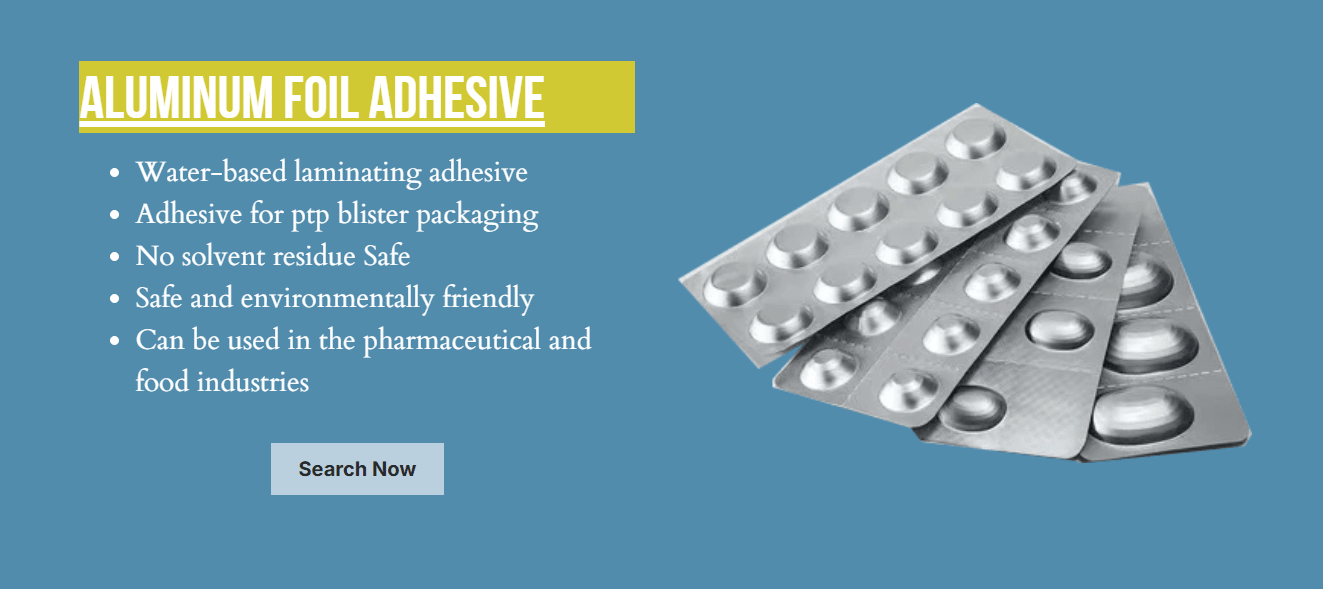
When it comes to packaging solutions, PVC blister adhesive is a game-changer. This specialized adhesive is designed to bond PVC blister packs securely, ensuring that products remain safe and intact until they reach the consumer. With its strong adhesion properties, PVC blister packaging adhesive is essential for protecting items from environmental factors and tampering.
What is PVC Blister Packaging Adhesive?
PVC blister packaging adhesive refers to a specific type of glue formulated for use in creating blister packs made from PVC materials. These adhesives provide a robust bond between the plastic film and the backing material, allowing for efficient product display while ensuring durability. By utilizing high-quality PVC bonding adhesive, manufacturers can create packaging that not only looks appealing but also withstands handling and transportation.
Key Industries Utilizing PVC Blister Adhesive
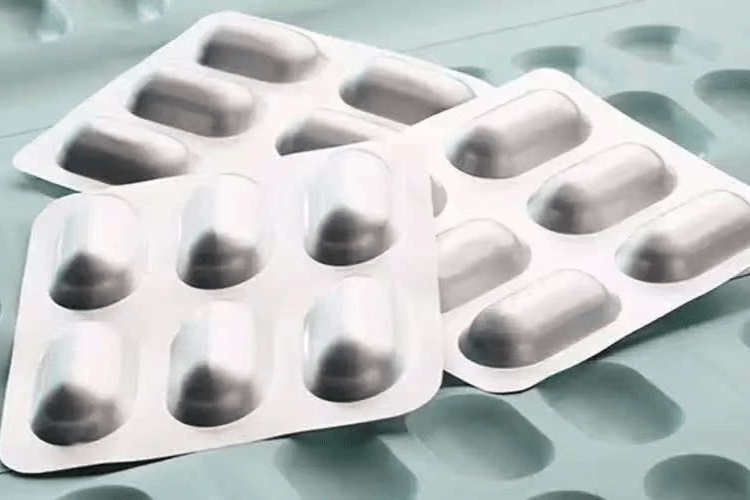
Several industries rely heavily on PVC blister adhesive for their packaging needs. The pharmaceutical sector frequently employs this type of adhesive to secure medications in clear blisters, making it easy for consumers to see what they are purchasing while ensuring safety and integrity. Additionally, the consumer goods industry uses PVC blister pack adhesive for everything from toys to electronics, providing an attractive presentation while safeguarding against damage.
Tips for Working with PVC Blister Pack Adhesive
To achieve optimal results when working with PVC blister pack adhesive, proper preparation is key. Start by ensuring that both surfaces are clean and free from dust or oils; this will enhance adhesion significantly. Furthermore, pay attention to curing times as specified by the manufacturer—allowing adequate time ensures that your bonds are strong enough to withstand various conditions.
Chemix's Water-Based Resin Solution
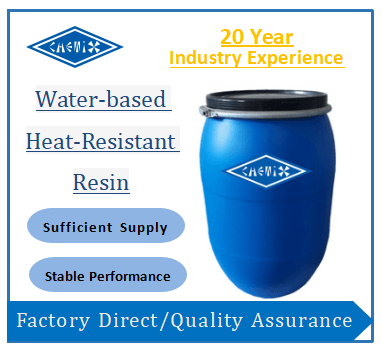
In the realm of PVC bonding adhesive, Chemix is making waves with its innovative water-based resin solutions. These adhesives are designed to provide strong bonding capabilities while offering a range of benefits that cater to both users and the environment. As industries increasingly seek sustainable options, water-based resins are becoming a popular choice in applications involving PVC construction adhesive and beyond.
Benefits of Water-Based Resin for PVC Adhesive
Water-based resins deliver several compelling advantages when used as PVC bonding adhesive. First and foremost, they offer excellent adhesion properties that rival traditional solvent-based adhesives, ensuring reliable performance in various applications, including the use of PVC protective film. Additionally, these resins are typically easier to clean up and handle since they require only water for dilution and cleanup, making them user-friendly for professionals working with PVC vinyl film.
Moreover, water-based resins tend to have lower volatile organic compound (VOC) emissions compared to their solvent counterparts. This feature not only promotes a healthier workplace atmosphere but also aligns with regulations aimed at reducing environmental impact. As manufacturers continue to innovate in this space, we can expect even more effective formulations that enhance the versatility of PVC blister adhesive products.
Environmental Considerations of Water-Based Resins
When discussing environmental considerations regarding adhesives, water-based resins stand out as a more eco-friendly option within the category of PVC adhesives. The reduction in VOC emissions means less air pollution and improved indoor air quality—benefits that resonate well with both businesses and consumers alike. By choosing a water-based solution for their projects involving PVC blister packaging adhesive or any other application requiring durable bonds, companies can contribute positively to sustainability efforts.
Additionally, many manufacturers are now focusing on sourcing raw materials from renewable resources when creating these adhesives. This shift not only minimizes reliance on fossil fuels but also encourages circular economy practices within the industry—an important consideration as global attention shifts toward sustainable manufacturing processes. Ultimately, opting for water-based resins is not just good for business; it's good for our planet too.
Future Trends in Sustainable PVC Adhesives
Looking ahead at the future trends in sustainable PVC adhesives reveals an exciting landscape filled with potential innovations and improvements. With increasing regulatory pressure on industries to adopt greener practices, we can anticipate further advancements in formulations that enhance both performance and environmental safety across all types of adhesives—including those used alongside PVC protective film or vinyl film applications.
One promising trend is the development of bio-based additives that improve adhesion while maintaining sustainability standards—a win-win situation! Moreover, research into smart materials could lead to self-healing properties within some types of PVC blister pack adhesive products, adding another layer of functionality that could revolutionize how we think about bonding agents in various sectors.
As these trends unfold over time, it will be essential for manufacturers like Chemix to stay ahead by continually innovating their product offerings while meeting consumer demands for sustainability without compromising on quality or effectiveness in applications ranging from construction projects using PVC construction adhesive to packaging solutions utilizing versatile blister pack technologies.
Conclusion
In the world of construction and manufacturing, PVC adhesives have carved out a niche that’s hard to overlook. Their versatility and reliability make them industry staples, whether for bonding materials or creating protective layers. From PVC bonding adhesive to PVC blister adhesive, these products play crucial roles in ensuring durability and efficiency in various applications.
Why PVC Adhesives are Industry Staples
PVC bonding adhesive stands out for its strong adhesion properties and ease of use, making it a go-to option for many professionals. The versatility of PVC construction adhesive allows it to be used across numerous industries—from plumbing to automotive—ensuring that projects remain robust and long-lasting. Moreover, the ability to bond different materials effectively makes these adhesives indispensable tools in any contractor's kit.
Integrating Water-Based Resins into Projects
As sustainability becomes more critical in today’s market, integrating water-based resins into projects can enhance both performance and environmental responsibility. These innovative solutions provide an eco-friendlier alternative while maintaining the high standards of traditional PVC adhesives like PVC blister packaging adhesive. By opting for water-based formulations, businesses can reduce their ecological footprint without compromising on adhesion quality.
Maximizing Adhesion with Proper Techniques
To truly harness the power of PVC adhesives, understanding the techniques for maximizing adhesion is essential. Proper surface preparation ensures that your PVC protective film or vinyl film adheres perfectly without any hiccups along the way. Additionally, following recommended curing times helps solidify bonds effectively, transforming your projects from good to exceptional.