
Introduction
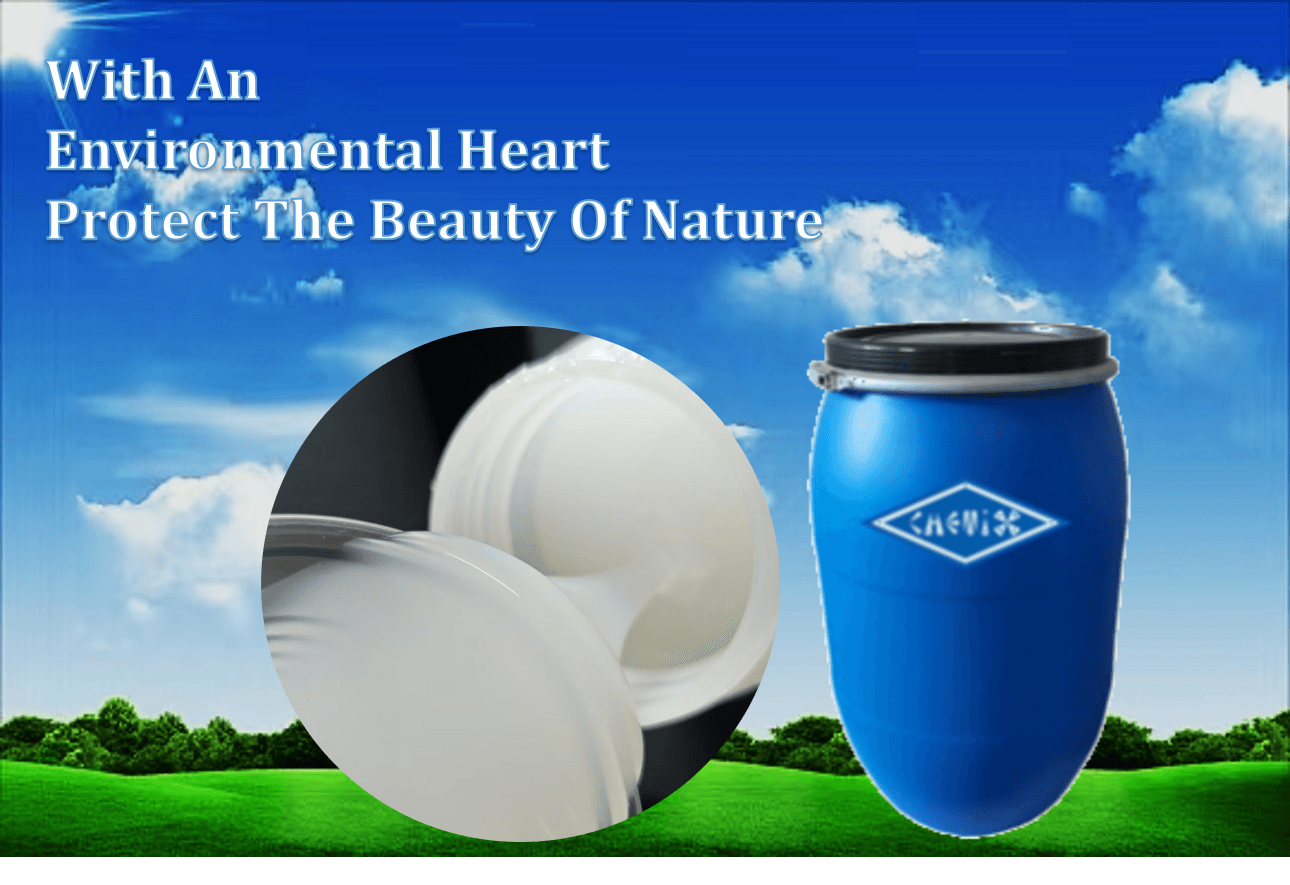
In recent years, the adhesive industry has experienced a significant transformation, particularly with the rise of water-based adhesives. These innovative products are gaining traction due to their eco-friendly properties and versatility across various applications, from construction to crafting. As industries increasingly prioritize sustainability, water-based options have become a go-to choice for many adhesive manufacturing companies looking to meet modern demands.
The Rise of Water-Based Adhesives
Water-based adhesives have surged in popularity as they offer a safer alternative to traditional solvent-based options. Their low volatile organic compound (VOC) content makes them ideal for indoor applications, where air quality is paramount. Furthermore, these adhesives provide strong bonding capabilities suitable for diverse materials like wood, plastic, and even silicone adhesive glue.
Importance of Choosing the Right Manufacturer
Selecting the right manufacturer is crucial when it comes to sourcing construction adhesive glue or any other type of adhesive for silicone applications. A trustworthy manufacturer not only ensures product quality and safety but also offers reliable support and customization options tailored to specific needs. By evaluating different adhesive manufacturing companies based on their experience and reputation, businesses can make informed decisions that enhance their projects' success.
Overview of Key Players in Adhesive Industry
The adhesive industry boasts several key players known for their innovative solutions and commitment to quality. Companies such as Henkel and 3M are at the forefront, providing a wide range of products including construction adhesive and specialized silicone adhesives that cater to various sectors. Understanding the offerings from these leading manufacturers helps consumers navigate their choices effectively while ensuring they select the best adhesives and sealants available in the market.
Understanding Water-Based Adhesives

Water-based adhesives are becoming increasingly popular, particularly in industries that prioritize sustainability and safety. These adhesives, which use water as a solvent, offer numerous advantages over traditional options. As more adhesive manufacturing companies pivot towards these eco-friendly solutions, understanding their benefits is essential for making informed choices.
Benefits of Water-Based Adhesives
One of the standout benefits of water-based adhesives is their low environmental impact. Unlike solvent-based alternatives, they emit fewer volatile organic compounds (VOCs), making them safer for both users and the environment. Additionally, water-based options often provide excellent bonding strength while maintaining flexibility, which is crucial in applications like construction adhesive glue and silicone adhesive glue.
Another significant advantage is their ease of use and cleanup. Water-based adhesives can be easily applied with standard tools and cleaned up with just soap and water—no harsh chemicals required! This convenience not only saves time but also reduces the risk of chemical exposure during application.
Lastly, many adhesive manufacturing companies are developing innovative formulations that enhance the performance of water-based adhesives. These advancements ensure that they can meet diverse requirements across various sectors—from construction to automotive—making them a versatile choice for anyone seeking reliable construction adhesive or silicone glue solutions.
Applications Across Various Industries
Water-based adhesives find applications in a myriad of industries due to their versatility and performance characteristics. In the construction sector, they are commonly used as construction adhesive glue for bonding wood, drywall, and other materials together effectively. Their ability to create strong bonds while remaining flexible makes them ideal for dynamic environments where movement could compromise adhesion.
In packaging, these adhesives are utilized extensively due to their quick drying times and strong bond formation on various substrates such as paperboard or plastic films. The food packaging industry particularly values water-based options because they comply with health regulations regarding food safety—an essential factor when selecting an adhesive for silicone or other sensitive materials.
Moreover, manufacturers in textiles are leveraging water-based adhesives to create durable yet soft seams without compromising fabric integrity. With growing interest from different sectors looking at sustainable practices, it’s clear that water-based options are paving the way forward in modern adhesive solutions across industries.
How They Compare to Solvent-Based Alternatives
When comparing water-based adhesives to solvent-based alternatives, several key differences emerge that highlight the advantages of going green. Solvent-based adhesives often contain high levels of VOCs that pose health risks during application; this makes them less favorable in environments where air quality matters—think schools or hospitals where using safe materials is paramount.
In terms of performance metrics like bond strength and durability under stress conditions (such as temperature fluctuations), both types can perform well; however, advancements in formulation mean many modern water-based options now rival traditional solvent formulations without compromising on quality or efficacy—in some cases even outperforming them! For instance, silicone adhesive products have evolved significantly; today’s silicone glue formulations often incorporate water-soluble components that enhance adhesion properties while being environmentally friendly.
Ultimately, choosing between these two types boils down to specific project requirements: if sustainability is non-negotiable or if working conditions necessitate lower emissions from your chosen product line-up—water-based adhesives stand out as an ideal choice among leading adhesive manufacturing companies offering innovative solutions tailored specifically for your needs.
Top Water-Based Adhesive Manufacturing Companies
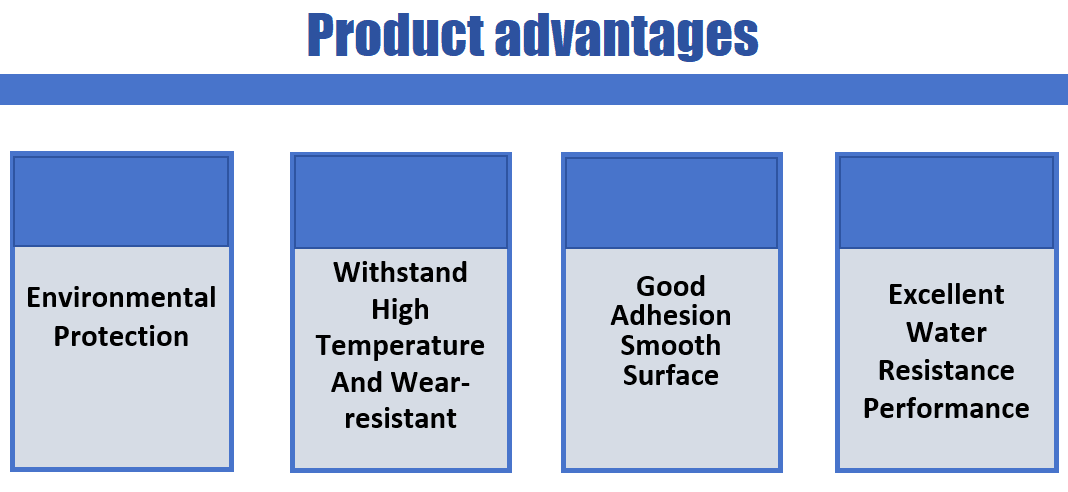
When it comes to water-based adhesives, several manufacturing companies stand out for their innovative products and commitment to quality. These adhesive manufacturing companies have carved a niche in providing solutions that cater to various industries, from construction to automotive. Let’s dive into the offerings of some of the top players in this field.
Chemix and Their Water-Based Resin Solution
Chemix is renowned for its cutting-edge water-based resin solutions that cater specifically to construction adhesive needs. Their products are designed to deliver superior bonding while maintaining eco-friendly standards, making them a popular choice among adhesive manufacturing companies focusing on sustainability. With a range of formulations available, Chemix ensures that users find the right construction adhesive glue for their specific applications.
Their water-based resin solutions have gained traction not just for their performance but also for their versatility across different substrates. Whether it’s wood, metal, or plastics, Chemix's offerings provide reliable adhesion without compromising environmental safety. Plus, the company continually invests in research and development to enhance its silicone adhesive glue products, ensuring they remain at the forefront of innovation.
Henkel’s Innovations in Adhesive Technology
Henkel has long been a titan in the adhesives and sealants market, consistently pushing boundaries with their innovative technologies. Their range of water-based adhesives includes specialized formulations that excel in construction applications where durability is paramount. As one of the leading adhesive manufacturing companies globally, Henkel understands the importance of creating products like silicone adhesive glue that meet rigorous industry standards.
One notable aspect of Henkel's approach is their commitment to sustainability through eco-friendly practices and materials in production processes. They offer various solutions tailored for different sectors—ranging from heavy-duty construction adhesives to lighter options suitable for delicate tasks—demonstrating versatility across applications. By integrating advanced technology into their silicone adhesive products, Henkel continues setting benchmarks within the industry.
3M’s Diverse Adhesive Solutions
3M is synonymous with innovation across numerous sectors and stands out with its extensive portfolio of water-based adhesives tailored for diverse applications. Known particularly for its high-performance construction adhesive glue and silicone adhesives, 3M has something for every need—from industrial use to consumer-grade products. As one of the top adhesive manufacturing companies globally, 3M emphasizes not just functionality but also safety and environmental responsibility.
Their silicone glue options are engineered for exceptional bonding strength while being easy to apply and clean up—perfectly aligning with modern user expectations around convenience and efficiency. Additionally, 3M invests heavily in R&D; this dedication results in continuous improvements on existing products as well as new introductions into the market that push boundaries further than ever before. The company's focus on developing adhesives and sealants reflects an understanding of current trends toward sustainable practices without sacrificing performance.
How to Select an Adhesive Manufacturing Company

Choosing the right adhesive manufacturing company can significantly impact your project’s success, especially when it comes to construction adhesive glue and silicone adhesive products. With a plethora of options available, it’s essential to consider several factors that can help you make an informed decision. From evaluating industry experience to understanding customization options, each aspect plays a critical role in ensuring you select a manufacturer that meets your specific needs.
Evaluating Industry Experience
When selecting from various adhesive manufacturing companies, industry experience is a crucial factor that should not be overlooked. Companies with years of expertise in producing construction adhesive and silicone glue are more likely to understand the nuances of different applications and provide reliable solutions. Their track record often reflects their ability to innovate and adapt, making them better equipped to meet the evolving demands of adhesives and sealants.
Additionally, experienced manufacturers usually have established quality control processes that ensure consistent product performance. This reliability is especially important when working with specialized adhesives for silicone or construction projects where failure can lead to significant setbacks. Therefore, prioritizing companies with proven experience can save time and resources in the long run.
Importance of Product Quality and Safety
The quality and safety of the products offered by adhesive manufacturing companies should be at the forefront of your selection process. High-quality construction adhesive glue or silicone adhesive products not only enhance performance but also ensure compliance with safety regulations. By choosing manufacturers who prioritize rigorous testing and adhere to industry standards, you mitigate risks associated with inferior products.
Furthermore, understanding how these companies source their materials is vital for assessing product safety; look for those using eco-friendly practices or certifications that guarantee low VOC emissions in their adhesives and sealants. A commitment to quality often translates into better customer support as well, allowing you access to expert advice on which adhesives will work best for your specific applications—whether they involve silicone glue or other types of bonding solutions.
Understanding Customization Options
Customization is another key consideration when selecting an adhesive manufacturing company tailored for your needs. Many projects require unique formulations—such as specialized silicone adhesive glue—that standard products may not fulfill adequately. Thus, partnering with manufacturers who offer customization options ensures that you receive an adhesive specifically designed for your application requirements.
Moreover, discussing customization allows you to explore innovative solutions that could enhance project efficiency or sustainability goals through bio-based adhesives or other advanced technologies. Engaging directly with manufacturers about their capabilities also fosters a collaborative relationship where both parties work together towards achieving optimal results using tailored adhesives for silicone or construction applications.
The Role of Sustainable Practices in Adhesive Manufacturing

In the world of adhesive manufacturing companies, sustainability is no longer just a buzzword; it's become a core principle. As consumers and industries alike increasingly demand eco-friendly solutions, manufacturers are stepping up to the plate with innovative practices and materials. This shift not only benefits the environment but also enhances product appeal, particularly for construction adhesive glue and silicone adhesive products.
Eco-Friendly Materials and Practices
Eco-conscious adhesive manufacturing companies are now focusing on using renewable resources to create their products. For instance, the development of bio-based adhesives is gaining traction, providing alternatives that minimize reliance on petroleum-based ingredients. Additionally, many companies are adopting water-based formulations for their construction adhesive, reducing volatile organic compounds (VOCs) that can harm indoor air quality.
Sustainable practices extend beyond materials; they encompass energy-efficient production processes too. By implementing strategies like closed-loop systems and waste reduction initiatives, manufacturers can significantly reduce their environmental footprint. These efforts resonate well with consumers who seek construction adhesive glue options that align with their values.
Moreover, packaging plays a crucial role in sustainability efforts within the adhesives sector. Many leading companies are transitioning to recyclable or biodegradable packaging solutions for their silicone glue products and other adhesives and sealants. This holistic approach ensures that every aspect of a product's lifecycle contributes positively to environmental goals.
Certifications to Look For
When selecting an adhesive for silicone or other applications, certifications can provide valuable insights into a manufacturer's commitment to sustainability. Look for labels such as Green Seal or EcoLabel which signify adherence to strict environmental standards in production processes and materials used. These certifications can help you gauge whether an adhesive manufacturing company prioritizes eco-friendliness alongside quality.
Another important certification is ISO 14001, which indicates that a company has implemented an effective environmental management system (EMS). This means they actively monitor and improve their operations' impact on the environment while producing high-quality silicone adhesive glue or other products. Consumers should prioritize manufacturers with these certifications when seeking reliable construction adhesives that also care for our planet.
Finally, safety certifications like ASTM D6866 assess how sustainable a product truly is by measuring its biobased content percentage. Such certifications provide transparency about how much of an adhesive comes from renewable resources versus traditional fossil fuels—a critical factor when choosing adhesives and sealants designed for environmentally conscious projects.
Case Studies of Leading Sustainable Companies
Several leading adhesive manufacturing companies exemplify sustainable practices through innovative approaches and technologies in their operations. One notable player is Henkel, renowned for its commitment to sustainability across its entire product line—including construction adhesives—by integrating eco-friendly materials into its formulations while reducing energy consumption during production processes.
Another case study worth mentioning is 3M's initiative towards creating sustainable silicone adhesives by utilizing recycled materials in their production lines while maintaining rigorous performance standards expected from industrial adhesives and sealants alike. Their dedication not only meets market demands but also sets benchmarks within the industry regarding responsible sourcing practices.
Lastly, Chemix has made significant strides by developing water-based resin solutions tailored specifically for environmentally conscious consumers seeking high-performance options without compromising on safety or efficacy—especially important when considering applications involving silicone glue products in sensitive environments like schools or healthcare facilities.
Future Trends in Adhesive Products

The adhesive industry is on the brink of exciting transformations, driven by technological advancements and evolving consumer preferences. As we look ahead, several key trends are emerging that will shape the future of adhesive manufacturing companies and their product offerings. From innovations in silicone adhesive glue to a significant shift towards bio-based adhesives, these developments promise to enhance performance while addressing environmental concerns.
Innovations in Silicone Adhesive Glue
Silicone adhesive glue is becoming increasingly popular for its versatility and durability, especially in construction applications. Recent innovations have led to improved formulations that enhance adhesion properties while reducing cure times, making it a go-to choice for construction adhesive glue. Manufacturers are also exploring hybrid solutions that combine silicone with other materials to create adhesives and sealants with superior performance metrics.
Moreover, advancements in silicone technology have made it possible to develop specialized adhesives tailored for specific industries such as automotive and electronics. These high-performance silicone adhesives offer excellent temperature resistance and flexibility, making them ideal for challenging environments. As a result, leading adhesive manufacturing companies are investing heavily in R&D to stay ahead of the curve.
The Shift Towards Bio-Based Adhesives
The global push for sustainability has prompted a significant shift towards bio-based adhesives, which are derived from renewable resources rather than petroleum-based materials. This trend is particularly relevant as consumers become more environmentally conscious and seek eco-friendly alternatives across various sectors—including construction adhesive applications. Bio-based adhesives not only reduce reliance on fossil fuels but also help lower carbon footprints throughout the supply chain.
Manufacturers are now focusing on developing formulations that maintain high-performance standards while utilizing natural ingredients like plant starches or proteins as primary components. This innovation opens up new possibilities for creating effective construction adhesive products that align with sustainable practices without compromising quality or safety. Consequently, many leading adhesive manufacturing companies are reevaluating their product lines to include greener options.
Emerging Markets for Adhesives and Sealants
As globalization continues to influence trade dynamics, emerging markets present new opportunities for growth within the adhesives sector—particularly in regions experiencing rapid urbanization and industrial expansion. Countries in Asia-Pacific and Latin America are witnessing increased demand for construction adhesive products due to booming infrastructure projects and housing developments. This surge creates fertile ground for innovative solutions like silicone glue tailored specifically for local needs.
Additionally, these markets often require customized formulations that address unique environmental conditions or regulatory standards—further emphasizing the importance of flexibility among manufacturers when producing adhesives and sealants. Companies looking to capitalize on these emerging markets must invest strategically in research capabilities while simultaneously ensuring compliance with local regulations regarding safety and environmental impact.
In conclusion, staying informed about future trends such as innovations in silicone adhesive glue, the shift towards bio-based options, and expanding into emerging markets will be crucial for success among adhesive manufacturing companies moving forward.
Conclusion
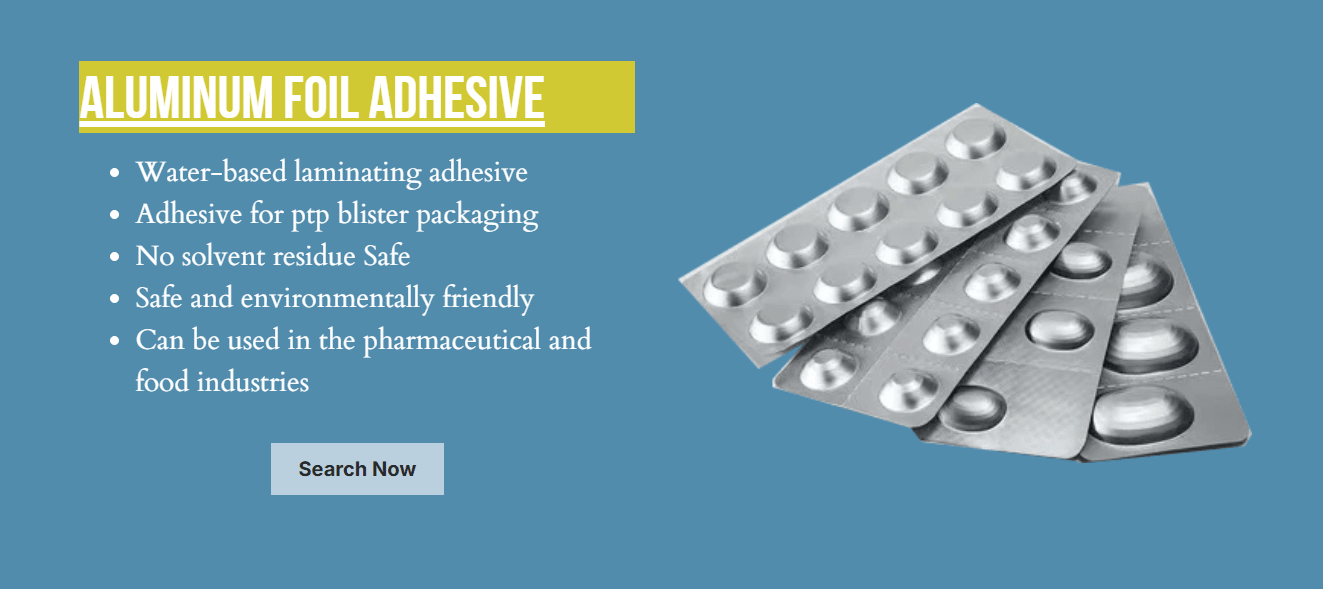
In the ever-evolving world of adhesive manufacturing, water-based options are emerging as the frontrunners for a variety of applications. Their eco-friendly nature, coupled with advancements in technology, makes them not only safer but also more versatile than traditional alternatives. As industries increasingly prioritize sustainability, water-based adhesives are set to dominate the market.
Why Water-Based Options Are the Future
Water-based adhesives offer a plethora of benefits that align perfectly with modern manufacturing needs. They are less harmful to both human health and the environment compared to solvent-based options, making them ideal for sectors like construction and automotive where safety is paramount. Additionally, innovations in formulation have enhanced their performance characteristics, ensuring they can compete effectively with silicone adhesive glue and other high-performance products.
Comparing Key Manufacturers
When it comes to selecting among various adhesive manufacturing companies, it's essential to consider their unique offerings and strengths. Companies like Chemix excel with their specialized water-based resin solutions tailored for specific applications in construction adhesive glue and silicone glue markets. Henkel and 3M also stand out with their broad range of adhesives and sealants that cater to diverse industries while maintaining high standards of quality.
Making Informed Choices in Adhesives
Choosing the right adhesive for your project isn't just about picking a product off the shelf; it’s about understanding your specific needs and how different manufacturers meet those requirements. Whether you're looking for construction adhesive or silicone adhesive for a specialized application, evaluating factors such as product quality, customization options, and sustainability practices will lead you to informed decisions. By staying updated on trends within adhesive manufacturing companies, you can ensure that your choices not only meet current demands but also align with future innovations.