
Introduction
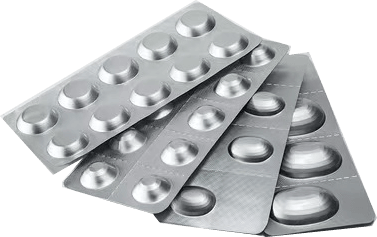
In recent years, the popularity of blister packages has surged, revolutionizing how products are presented and protected. These innovative packaging solutions have become a staple in various industries, particularly in pharmaceuticals, where safety and integrity are paramount. As consumers and manufacturers alike seek efficient and reliable packaging options, plastic blister packaging has emerged as a favored choice.
The Rise of Blister Packages
Blister packages have transformed the landscape of product packaging by providing a unique blend of visibility and protection. Initially designed for convenience, these packages have evolved to meet the stringent demands of modern consumers and regulatory bodies. With their ability to showcase products while safeguarding them from external elements, it's no wonder that blister packages are now ubiquitous in sectors ranging from pharmaceuticals to consumer goods.
Understanding Plastic Blister Packaging
At its core, plastic blister packaging is a method that combines a pre-formed plastic cavity with a backing material—often aluminum film or paper—to create a sealed unit for individual items. This type of packaging not only enhances product visibility but also offers robust protection against moisture and contamination. By utilizing materials like PVC blister or other plastics, manufacturers can tailor their designs to suit specific product requirements while ensuring optimal shelf life.
Key Benefits of Blister Packaging
The advantages of blister packaging are numerous, making it an attractive option for both producers and consumers alike. For one, its tamper-evident design provides an additional layer of security that is crucial in the pharmaceutical industry. Furthermore, plastic film packaging allows for lightweight designs that reduce shipping costs while maintaining high levels of durability—making it an economically savvy choice as well as environmentally friendly when paired with sustainable materials like water-based adhesives.
What Are Blister Packages?
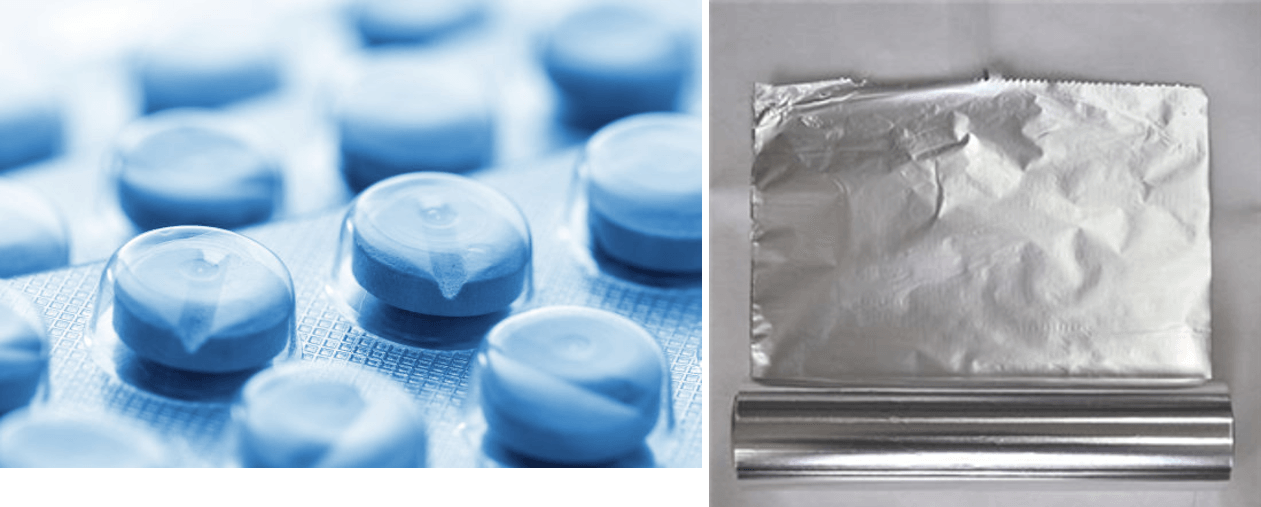
Blister packages are a popular form of packaging that is widely used to protect and display products, particularly in the pharmaceutical industry. This type of packaging typically consists of a pre-formed plastic cavity or pocket, known as a blister, which houses individual doses or items securely. The primary purpose of blister packaging is to provide both protection and convenience, ensuring that the contents remain safe from contamination while allowing for easy access by consumers.
Definition and Purpose
At its core, blister packaging serves to encase products in a durable yet transparent format, allowing visibility while safeguarding against environmental factors. These packages are designed to be tamper-resistant, providing an added layer of security for pharmaceutical items like tablets and capsules. The convenience factor cannot be overlooked either; users can easily pop out a single dose without needing to tear open a bulky box or bottle.
Common Uses in Pharmaceuticals
In the realm of pharmaceuticals, blister packages are ubiquitous due to their effectiveness in preserving medication integrity and dosage accuracy. They are commonly used for over-the-counter medicines as well as prescription drugs, ensuring that each dose is well-protected until it's time for consumption. This method not only enhances patient compliance by clearly displaying dosage schedules but also minimizes the risk of contamination—an essential consideration for any pharmaceutical product.
Overview of Materials Used
The materials utilized in plastic blister packaging play a crucial role in determining its functionality and effectiveness. PVC blister packaging is one of the most common choices due to its excellent barrier properties and cost-effectiveness; however, aluminum film is often employed as an additional layer for enhanced protection against moisture and light exposure. Other options include various types of plastic film packaging that cater to specific needs within the pharmaceutical sector, helping manufacturers choose the right balance between cost-efficiency and product safety.
Types of Blister Packaging Materials

Blister packaging comes in various materials, each with unique properties that cater to different needs. Understanding these materials is essential for selecting the right type of blister packages for your product, especially in the pharmaceutical industry where safety and efficacy are paramount. This section will explore PVC blister packaging, aluminum film options, and compare different plastic film packaging choices.
PVC Blister: Pros and Cons
PVC blister packaging is a popular choice in the industry due to its excellent clarity and strength. On the plus side, it offers a cost-effective solution while providing a good barrier against moisture and gases, which is crucial for preserving pharmaceuticals. However, one downside to PVC is its environmental impact; it’s not as easily recyclable as some other options, prompting manufacturers to seek more sustainable alternatives.
Another consideration with PVC blister packaging is its heat sealability; it bonds well with various backing materials, ensuring product security during transit and storage. This feature makes it ideal for pharmaceuticals that require tamper-evident solutions. Ultimately, while PVC has its benefits in terms of performance and cost-effectiveness, companies must weigh these against environmental concerns when choosing their blister packages.
Aluminum Film in Packaging
Aluminum film plays a significant role in enhancing the protective qualities of pharmaceutical blister packs. Its exceptional barrier properties make aluminum an ideal choice for products sensitive to light or moisture—two enemies of drug stability. By using aluminum film in packaging, manufacturers can extend shelf life significantly while maintaining the integrity of active ingredients.
Another advantage of aluminum film is its compatibility with various sealing methods; this versatility allows for greater customization based on specific product requirements. However, aluminum can be more expensive than plastic alternatives like PVC or PET (Polyethylene Terephthalate), which might deter some budget-conscious manufacturers from opting for this material. Nevertheless, when safety and longevity are critical factors—especially in pharmaceuticals—the benefits often outweigh the costs.
Comparing Plastic Film Packaging Options
When evaluating plastic film packaging options for blister packages, several factors come into play: cost-effectiveness, barrier properties, and sustainability concerns are just a few considerations that can influence decision-making processes. Common materials include PVC and PET; while both provide adequate protection against external elements like moisture or oxygen intrusion, they differ significantly in recyclability profiles.
For instance, while traditional PVC blister packaging may offer lower initial costs due to ease of production and availability—PET has gained popularity as an eco-friendlier alternative due to its recyclability potential after use. Additionally, advancements have led to innovative blends that combine both types' strengths without compromising on performance or sustainability goals—a win-win situation! Ultimately selecting between these plastic film packaging options requires careful thought regarding end-user needs alongside environmental responsibilities.
Adhesives in Blister Pack Packaging
In the world of blister packages, adhesives play a crucial role in ensuring durability and functionality. These sticky substances are what keep the various components of plastic blister packaging securely bonded, preventing any unwanted leaks or breakages. Without effective adhesives, even the most advanced pharmaceutical blister designs would fall apart at the seams—literally!
Role of Adhesives in Durability
Durability is paramount when it comes to packaging pharmaceuticals, and adhesives are at the heart of this requirement. The right adhesive can withstand various environmental conditions while maintaining an airtight seal that protects contents from moisture and contamination. In essence, a strong adhesive not only extends the shelf life of products encased in PVC blister packaging but also safeguards their integrity during transport and storage.
Common Types of Adhesives Used
There’s a smorgasbord of adhesive options available for plastic film packaging, each with its unique properties suited for different applications. Common types include solvent-based adhesives, hot melt adhesives, and pressure-sensitive adhesives—each offering varying degrees of strength and flexibility. Among these options, water-based adhesives are gaining traction due to their lower environmental impact while still providing robust performance for aluminum film and PVC blister applications.
Innovative Use of Chemix's Water-Based Resin Solution
One standout in the realm of adhesive innovation is Chemix's water-based resin solution, which is revolutionizing how we think about blister packages. This eco-friendly alternative not only meets stringent regulatory standards but also offers superior adhesion without harmful solvents that can compromise product safety. By integrating such advanced materials into pharmaceutical blister packaging, manufacturers can enhance both sustainability efforts and product reliability—a win-win situation!
Sustainability in Blister Packaging
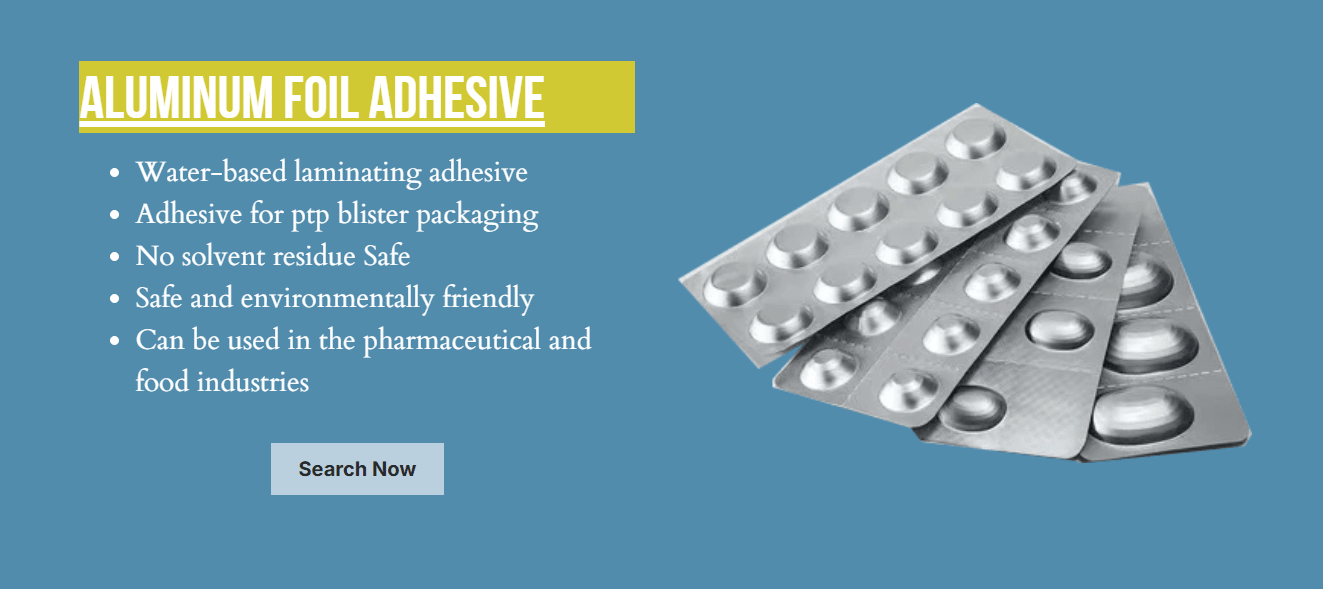
In today's eco-conscious world, the sustainability of blister packages is a hot topic. Plastic blister packaging, while effective for product protection and visibility, raises concerns about environmental impact. Understanding the lifecycle of these materials can help manufacturers make informed choices that balance performance with sustainability.
Environmental Impact of Materials
The materials used in blister packaging play a significant role in its overall environmental footprint. PVC blister packaging, for instance, is widely used due to its durability but poses challenges when it comes to recycling. On the other hand, aluminum film offers excellent barrier properties but can be energy-intensive to produce, highlighting the need for a thoughtful approach to material selection in pharmaceutical blister applications.
Moreover, plastic film packaging often ends up in landfills or oceans if not disposed of properly, contributing to pollution and harming wildlife. This emphasizes the importance of developing sustainable alternatives that minimize waste and environmental degradation while still meeting industry standards for safety and efficacy. As consumers become more environmentally aware, companies must adapt their practices to align with these values.
Benefits of Water-Based Adhesives
Water-based adhesives are gaining traction as an eco-friendly alternative in blister pack production. Unlike traditional solvent-based adhesives that release harmful volatile organic compounds (VOCs), water-based options are safer for both human health and the environment. By incorporating water-based adhesives into plastic blister packaging processes, manufacturers can enhance product safety without compromising on performance.
These adhesives not only reduce emissions during production but also simplify disposal processes since they are less toxic than their solvent counterparts. Moreover, many water-based solutions offer strong bonding capabilities suitable for various materials like PVC and aluminum film used in pharmaceutical blister packs. This shift towards more sustainable adhesive options reflects a growing commitment within the industry to prioritize ecological responsibility.
Trends Toward Eco-Friendly Solutions
The movement toward eco-friendly solutions in blister packaging is gaining momentum across industries, particularly within pharmaceuticals where patient safety is paramount. Companies are increasingly exploring biodegradable materials and recyclable designs that address both functionality and environmental impact simultaneously. Innovations such as compostable films or reusable containers could redefine how we perceive traditional plastic film packaging.
Additionally, consumer demand for transparency regarding sourcing and manufacturing practices drives companies to adopt greener methods throughout their supply chains. As brands strive to enhance their corporate social responsibility profiles, partnerships with sustainable material suppliers become essential for fostering long-term change in the market landscape surrounding blister packages. Ultimately, embracing these trends not only benefits our planet but also positions companies favorably among environmentally conscious consumers.
Regulatory Considerations
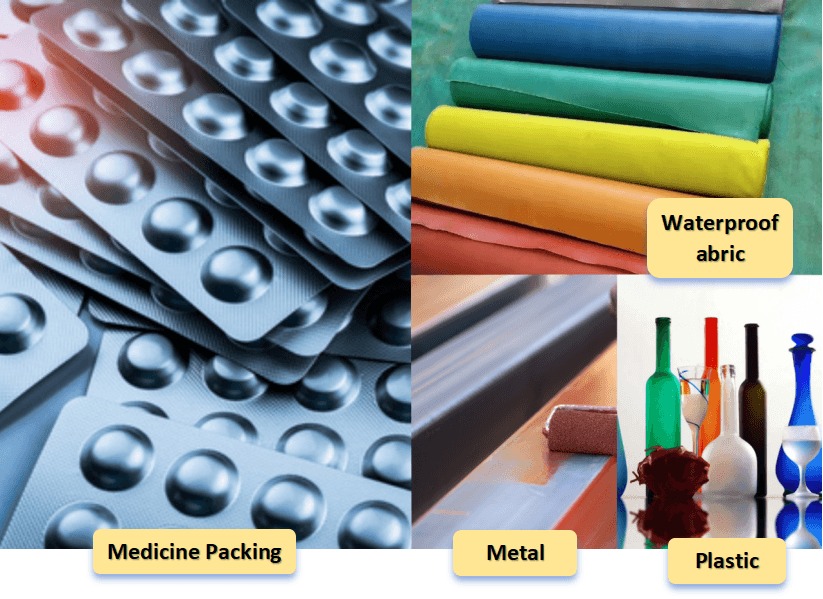
Navigating the landscape of regulatory considerations in blister packaging is crucial for ensuring safety and compliance, especially in pharmaceuticals. Blister packages, particularly those used in pharmaceutical applications, must adhere to stringent standards to guarantee product integrity and consumer safety. Understanding these regulations is essential for manufacturers who want to succeed in the competitive market of plastic blister packaging.
Compliance Standards for Pharmaceuticals
Compliance standards for pharmaceuticals dictate that blister packages must meet specific criteria established by regulatory bodies such as the FDA and EMA. These standards ensure that materials used, including PVC blister and aluminum film, are safe for direct contact with medications. Failure to comply can lead to serious consequences, including product recalls or legal action, making it imperative for companies to stay informed about current regulations.
Labeling Requirements in Packaging
Labeling requirements play a pivotal role in the effectiveness of plastic film packaging within the pharmaceutical industry. Each blister package must clearly display essential information such as dosage instructions, expiration dates, and safety warnings to prevent misuse and ensure patient safety. Moreover, proper labeling not only fulfills legal obligations but also enhances consumer trust in products contained within PVC blister packaging.
Safety Regulations for Adhesives
Safety regulations surrounding adhesives used in blister packs are equally important as they directly impact the overall integrity of the packaging. Adhesives must be tested to ensure they do not leach harmful substances into products or compromise their efficacy over time. Innovative solutions like Chemix's water-based resin provide a safer alternative while still adhering to strict safety guidelines—an essential consideration when selecting adhesives for plastic blister packaging.
Conclusion

In the world of packaging, blister packages have carved out a niche that enhances product safety and consumer convenience. Their design not only protects contents but also allows for easy visibility, making them particularly appealing in sectors like pharmaceuticals. As we look to the future, innovations in plastic blister packaging will continue to evolve, ensuring that these packages remain both functional and attractive.
Enhancing Product Safety with Blister Packaging
Blister packaging significantly boosts product safety by providing a tamper-evident seal that helps maintain the integrity of pharmaceutical products. With options like PVC blister packaging and aluminum film, manufacturers can ensure that medications are protected from moisture and contamination. This is crucial in the pharmaceutical industry where product efficacy is paramount; hence, using robust plastic film packaging can prevent accidental exposure to harmful elements.
The Future of Blister Packaging Innovations
The future of blister packages is bright as advancements in technology pave the way for smarter designs and materials. Innovations such as biodegradable alternatives and enhanced barrier properties in PVC blister and aluminum film options are already gaining traction. By incorporating features like child-resistant designs or smart labels into plastic blister packaging, manufacturers can improve user experience while adhering to regulatory requirements.
Making Sustainable Choices in Packaging
Sustainability is becoming a key focus within the packaging industry, prompting companies to rethink their use of materials in blister packages. The shift towards eco-friendly solutions includes exploring water-based adhesives that minimize environmental impact while maintaining performance standards found in traditional adhesives used with PVC blister and aluminum film packaging. By prioritizing sustainable practices, businesses not only comply with regulations but also resonate with environmentally conscious consumers looking for responsible choices.