
Introduction

In the world of crafting, construction, and everyday repairs, adhesives play an indispensable role that often goes unnoticed. From the simple task of gluing paper together to the complex requirements of industrial manufacturing, understanding the role of adhesives is crucial for achieving effective and lasting bonds. They are not just sticky substances; they are engineered solutions that cater to a diverse range of materials and applications.
Understanding the Role of Adhesives
Adhesives serve as the unsung heroes in various industries, providing strength and stability to countless products we use daily. Whether it's packaging adhesive used in shipping goods or Gelatin Glue: A Natural Bond for artistic endeavors, these bonding agents ensure that materials stay connected under various conditions. The ability to choose the right adhesive can enhance durability and functionality while simplifying processes across numerous applications.
The Importance of Versatility in Adhesives
For instance, Liquid Glues: The Water-Based Duo offer unique properties that make them suitable for everything from arts and crafts to professional applications. Similarly, Hot Melt Glues: Quick-action Adhesives provide rapid bonding solutions ideal for time-sensitive projects, showcasing how adaptable adhesives can meet diverse needs with ease.
A Brief Overview of Adhesive Types
To navigate the vast landscape of adhesives effectively, it's essential to understand their types and functions. There are natural options like Gelatin Glue: A Natural Bond that boast environmental benefits alongside their effectiveness. In contrast, modern innovations include Liquid Glues: The Water-Based Duo and Hot Melt Glues: Quick-action Adhesives designed for specific uses—each with its own set of advantages tailored to various materials and scenarios.
The Science Behind Adhesives
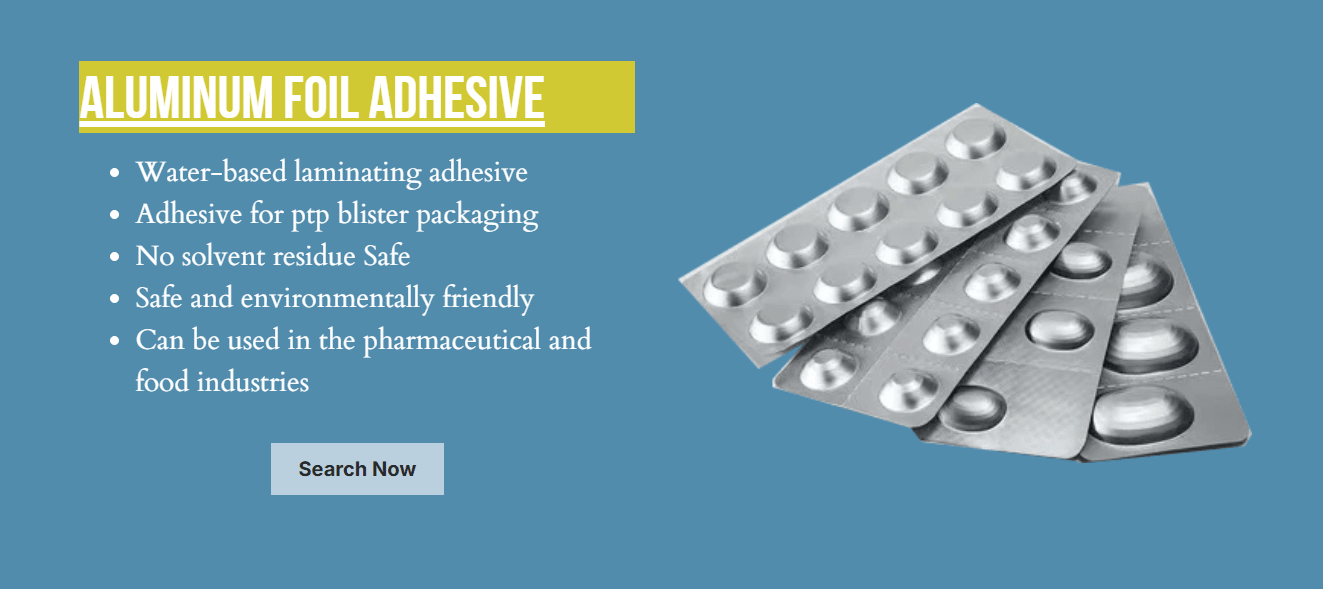
Understanding how adhesives bond materials is essential for anyone venturing into the world of crafting, packaging, or construction. Adhesives work by creating a strong connection between surfaces through various mechanisms, including mechanical interlocking and chemical reactions. The effectiveness of this bond often hinges on the type of adhesive used, whether it’s Gelatin Glue: A Natural Bond or Hot Melt Glues: Quick-action Adhesives.
How Adhesives Bond Materials
The bonding process begins when an adhesive is applied to a surface, filling in microscopic gaps and irregularities to create a more extensive contact area. This intimate contact allows for adhesion mechanisms such as van der Waals forces, hydrogen bonds, and covalent bonds to take effect. Understanding these principles is crucial when choosing the right glue for the job; different applications may require different bonding strengths and properties.
The Importance of Chemical Composition
The chemical composition of an adhesive significantly influences its performance characteristics, such as viscosity, drying time, and resistance to environmental factors like moisture or temperature changes. For instance, water-based adhesives like Liquid Glues: The Water-Based Duo are favored for their ease of use and clean-up but may not provide the same level of durability as some solvent-based options. Conversely, Hot Melt Glues: Quick-action Adhesives offer rapid bonding but might struggle in high-temperature environments due to their thermoplastic nature.
Exploring Pressure-Sensitive Adhesives
Pressure-sensitive adhesives (PSAs) have gained popularity due to their unique ability to bond without requiring heat or solvents; they simply need pressure! These versatile adhesives are commonly used in packaging applications where quick adhesion is critical without compromising on strength—think labels or tape that sticks instantly upon application! Selecting the right PSA can be pivotal in ensuring your packaging adhesive performs optimally while maintaining product integrity throughout its lifecycle.
Gelatin Glue: A Natural Bond
Gelatin glue, often overlooked in the adhesive world, is a remarkable natural bonding agent that has stood the test of time. Derived from collagen found in animal bones and skin, this versatile adhesive offers unique properties that set it apart from synthetic alternatives. Its ability to create strong bonds while remaining flexible makes it an excellent choice for various applications, particularly in arts and crafts.
Origins and Properties of Gelatin Glue
The origins of gelatin glue can be traced back to ancient civilizations that utilized animal by-products for bonding purposes. This natural glue is produced by boiling animal parts, extracting collagen, and then drying it into sheets or granules for easy use. One of its standout properties is its ability to dissolve in warm water, transforming into a sticky solution that can bond a myriad of materials such as paper, wood, and fabric.
Unlike many modern adhesives like liquid glues or hot melt glues, gelatin glue doesn't emit harmful fumes or contain toxic chemicals. This makes it not only user-friendly but also suitable for projects involving children or sensitive environments. As we explore the various applications of gelatin glue further along in this section, its compatibility with other materials will become even more evident.
Applications in Arts and Crafts
In the realm of arts and crafts, gelatin glue reigns supreme due to its versatility and ease of use. Artists appreciate its gentle bonding capabilities when working with delicate papers or fabrics without causing damage—something that can be a challenge with harsher adhesives like hot melt glues or even some liquid glues. Whether you're creating intricate scrapbooks or assembling mixed-media art pieces, gelatin glue provides a reliable bond that dries clear and remains flexible.
Additionally, gelatin glue is favored by hobbyists who enjoy woodworking projects; it allows for precise application without excess mess often associated with more viscous adhesives like liquid glues: The Water-Based Duo. The ability to rehydrate dried gelatin glue means you can adjust your work during crafting sessions without starting from scratch—a definite advantage over quick-action adhesives which may set too quickly for complex designs.
Environmental Benefits of Gelatin Glue
One significant advantage of choosing gelatin glue over synthetic options is its environmental friendliness; it's biodegradable and derived from renewable resources—making it a sustainable choice for eco-conscious consumers. In an age where eco-friendly packaging adhesive solutions are sought after across industries, incorporating natural adhesives like gelatin into crafting practices contributes positively to reducing waste associated with plastic-based products.
Moreover, the production process for gelatin glue typically involves less energy consumption than many commercial adhesive manufacturing processes—supporting lower carbon footprints overall. For those looking to make responsible choices while indulging their creative side, opting for natural options such as gelatin glue aligns perfectly with the trend toward sustainability seen today.
Liquid Glues: The Water-Based Duo

Liquid glues, particularly water-based adhesives, are gaining popularity for their versatility and ease of use. These adhesives are primarily composed of water as the solvent, making them less toxic and more environmentally friendly than their solvent-based counterparts. With a wide range of applications—from arts and crafts to industrial uses—water-based adhesives are a staple in both home and professional settings.
Key Characteristics of Water-Based Adhesives
Water-based adhesives boast several key characteristics that make them ideal for various applications. First, they dry clear, ensuring that any residue left behind is virtually invisible, which is especially beneficial in arts and crafts projects where aesthetics matter. Additionally, these adhesives can be easily cleaned up with soap and water while still providing strong bonding capabilities suitable for different materials.
Another notable feature is their low odor compared to other adhesive types like hot melt glues or solvent-based options. This makes them perfect for indoor use without the worry of overwhelming fumes or harmful chemicals lingering in the air. Their flexibility allows them to bond porous materials such as paper and cardboard effectively while also adhering well to non-porous surfaces when formulated correctly.
Comparison with Other Types of Adhesives
When comparing liquid glues to other types like hot melt glues or gelatin glue, it's essential to consider their unique properties and best-use scenarios. Hot melt glues provide quick bonding times but can be less forgiving if adjustments are needed after application; once they're set, they're set! In contrast, water-based adhesives offer a bit more wiggle room during application since they remain workable until they fully dry.
While both gelatin glue and water-based options excel in craft projects due to their ease of use, liquid glues cater better to a broader range of materials—making them a go-to choice for both DIY enthusiasts and professionals alike.
Chemix's Water-Based Resin Solution
Chemix has developed an innovative water-based resin solution that elevates the standard for packaging adhesive applications while maintaining eco-friendliness at its core. This product combines the advantages of traditional liquid glues with enhanced bonding strength specifically designed for demanding environments such as packaging lines or construction sites. Users can expect reliable performance without sacrificing safety or environmental considerations.
What sets Chemix's solution apart is its ability to adhere quickly yet allow some adjustment time before setting completely—ideal when precision matters in choosing the right glue for the job! With formulations that minimize VOC emissions while maximizing adhesion properties, this resin solution represents a significant step forward in adhesive technology that appeals not only to manufacturers but also environmentally conscious consumers.
In summary, whether you're exploring options like hot melt glues or looking into gelatin glue: A natural bond for your next project, don't overlook the potential offered by liquid glues: The water-based duo! Their versatility ensures you’ll find just what you need across various tasks—from crafting masterpieces at home to fulfilling industrial requirements efficiently.
Hot Melt Glues: Quick-action Adhesives

When it comes to speed and efficiency, hot melt glues reign supreme in the adhesive world. These quick-action adhesives are thermoplastic materials that become pliable when heated and solidify upon cooling, creating a strong bond almost instantly. Their versatility makes them a favorite across various industries, especially in applications where time is of the essence.
The Mechanism of Hot Melt Adhesives
Hot melt adhesives work by melting at high temperatures, allowing them to flow easily and penetrate surfaces before cooling down to form a robust bond. This mechanism is what makes hot melt glues particularly effective; they can bond a variety of materials including plastics, wood, and even metals with ease. The rapid setting time allows for immediate handling of products, which is essential in fast-paced environments like packaging.
Common Uses in Packaging and Beyond
In the realm of packaging adhesive applications, hot melt glues are indispensable for sealing boxes, assembling displays, and affixing labels with precision. Their ability to adhere quickly means that production lines can operate smoothly without long drying times or delays—an important factor for manufacturers looking to maximize efficiency. Beyond packaging, these adhesives find their way into furniture assembly and even craft projects where quick bonding is desired.
Tips for Effective Use of Hot Melt Glues
To get the most out of your hot melt glues, it's crucial to choose the right glue gun based on your project needs—whether you require a high or low-temperature option can make all the difference. Always ensure surfaces are clean and dry before application; this simple step significantly enhances adhesion strength. Lastly, consider using hot melt glue sticks specifically formulated for particular materials or conditions—like those designed for outdoor use—to ensure durability over time.
Choosing the Right Glue for the Job
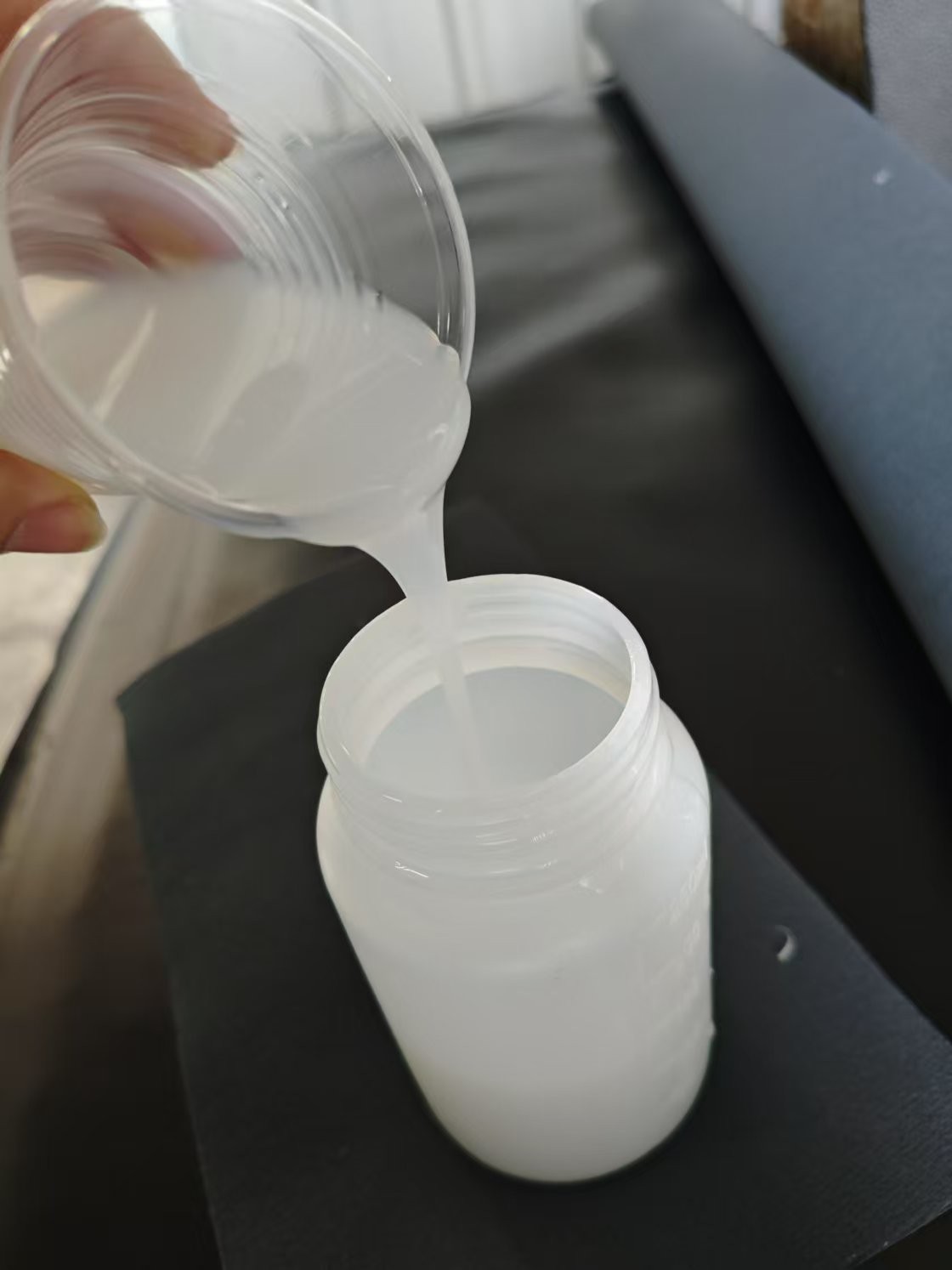
Selecting the right adhesive can feel like navigating a labyrinth, especially with so many options available. Whether you’re bonding materials for arts and crafts or seeking a robust packaging adhesive, understanding the nuances of each type is crucial. The choice often boils down to factors like application, material compatibility, and desired durability.
Factors to Consider When Selecting Adhesives
When it comes to choosing adhesives, several factors should guide your decision-making process. First and foremost is the environment where the adhesive will be used; some adhesives perform better in extreme temperatures or humid conditions than others. Additionally, consider how permanent you want the bond to be—some applications may require a temporary hold while others demand an unyielding grip.
Another essential factor is drying time; if you're in a hurry, quick-drying options like hot melt glues might be ideal. On the other hand, if you have time to spare and prefer more flexible solutions, liquid glues or even gelatin glue could be more suitable. Finally, assess any health or environmental considerations; opting for eco-friendly options can make your projects greener while still achieving excellent adhesion.
Matching Adhesives with Materials
Matching your adhesive with the materials you're working with is crucial for achieving optimal results. For instance, gelatin glue works wonders on porous surfaces such as paper and fabric but may not hold up well on plastics or metals. Conversely, hot melt glues excel at bonding non-porous materials like plastics and wood due to their quick-action properties.
Liquid glues offer versatility across various surfaces but can sometimes struggle with heavy-duty tasks unless specifically formulated for strength. In packaging applications where durability matters most, selecting a reliable packaging adhesive that adheres firmly to cardboard and plastic will ensure that your products stay securely sealed during transit. Always check manufacturer guidelines to find out which adhesives are best suited for specific material combinations.
Industry-Specific Recommendations
Different industries have unique requirements when it comes to adhesives; understanding these nuances can save you time and frustration down the line. In arts and crafts, gelatin glue shines as a go-to option thanks to its natural composition and ease of use—perfect for kids' projects! For construction or industrial applications requiring fast assembly times without sacrificing strength, hot melt glues are often favored due to their rapid setting capabilities.
In sectors focused on sustainability—like eco-friendly packaging—liquid glues made from renewable resources are becoming increasingly popular among manufacturers looking to reduce their carbon footprint while maintaining product integrity. If you're in food packaging or other sensitive areas where safety is paramount, always opt for certified food-safe adhesives that comply with industry standards while providing reliable performance.
Conclusion

In wrapping up our exploration of adhesives, it’s clear that the future is leaning toward eco-friendly options that don’t compromise on performance. As industries and consumers alike become more environmentally conscious, innovations in adhesive technology are paving the way for sustainable solutions. From Gelatin Glue: A Natural Bond to advanced packaging adhesive formulations, the landscape is evolving rapidly.
The Future of Eco-Friendly Adhesives
Eco-friendly adhesives are set to revolutionize how we think about bonding materials, especially with growing concerns over environmental impact. Innovations like plant-based formulations and biodegradable options are making waves, indicating a shift from traditional synthetic adhesives. This evolution not only addresses sustainability but also enhances the appeal of products using these green alternatives, particularly in sectors like packaging adhesive.
Innovations in Packaging Adhesives
The realm of packaging adhesive is witnessing remarkable advancements aimed at improving efficiency and reducing waste. Smart adhesives that respond to temperature or humidity changes are emerging as game-changers in ensuring product integrity during transport and storage. Additionally, innovations like Liquid Glues: The Water-Based Duo offer versatile solutions that cater to diverse packaging needs without sacrificing performance or environmental responsibility.
Final Thoughts on Adhesive Versatility
Ultimately, choosing the right glue for the job can make all the difference in achieving lasting bonds across various applications. Whether you opt for Hot Melt Glues: Quick-action Adhesives for speedy projects or Gelatin Glue: A Natural Bond for artisanal crafts, understanding your options empowers you to make informed decisions. The versatility found within modern adhesives not only enhances functionality but also opens doors to creative possibilities across industries.