
Introduction

In the world of packaging, pressure sensitive adhesives (PSAs) play a pivotal role in ensuring that labels stick where they belong. These strong adhesives are essential for creating a reliable bond between labels and surfaces, particularly on PET bottles, which are ubiquitous in the beverage industry. Understanding the nuances of adhesive pressure and the various types of adhesive glue available can help manufacturers make informed choices that enhance product presentation and performance.
Understanding Pressure Sensitive Adhesives
Pressure sensitive adhesives are unique in their ability to bond without the need for heat or solvents. They adhere to surfaces simply through the application of pressure, making them incredibly versatile and user-friendly. The characteristics of these adhesives—such as their tackiness, peel strength, and shear resistance—are critical for ensuring that labels remain intact during handling, transportation, and storage.
The Importance of Labels on PET Bottles
Labels on PET bottles serve more than just decorative purposes; they communicate essential information about the product inside. From nutritional facts to branding elements, effective labeling can significantly influence consumer choices and enhance brand recognition. Given that these bottles often face varying environmental conditions, using high-quality pressure sensitive adhesives ensures that labels maintain their integrity throughout a product's lifecycle.
Exploring Hot Melt Glue Variants
Hot melt adhesives are another exciting category within the realm of strong adhesives used in labeling applications. These high temperature adhesives offer rapid bonding capabilities while providing excellent adhesion under challenging conditions. By exploring different hot melt glue variants, manufacturers can select options tailored to specific needs—whether it's for increased durability or resistance to moisture—ultimately improving product reliability and consumer satisfaction.
What Are Pressure Sensitive Adhesives?
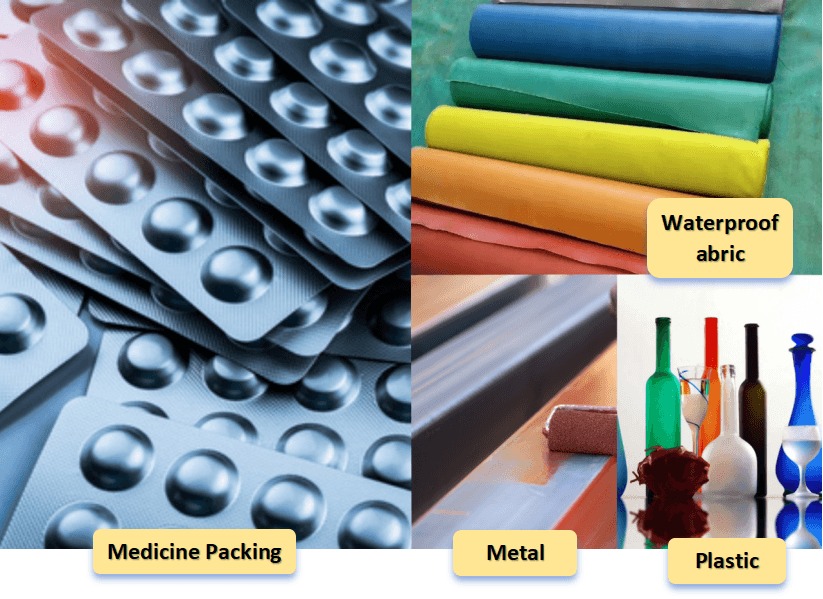
Pressure sensitive adhesives (PSAs) are a unique category of adhesives that bond to surfaces when pressure is applied, without the need for heat or solvents. These strong adhesives are designed to adhere instantly upon contact, making them incredibly versatile for various applications. With their ability to provide immediate adhesion, pressure sensitive adhesives have become a staple in industries ranging from packaging to automotive.
Definition and Characteristics
At their core, pressure sensitive adhesives are formulated from a blend of polymers that create a sticky surface capable of bonding with different materials. The defining characteristic of these adhesive glues is that they require only the application of light pressure to form a bond, allowing for easy repositioning and removal without damaging surfaces. This feature makes them particularly appealing for labeling applications where flexibility and ease of use are paramount.
Common Applications in Packaging
In the packaging world, pressure sensitive adhesives are ubiquitous; they can be found on everything from food labels to industrial packaging solutions. Their ability to adhere well under varying conditions makes them ideal for products like PET bottles, where durability and resistance to environmental factors are crucial. Additionally, these strong adhesive options can be tailored for specific needs such as high temperature adhesive performance in challenging environments.
Benefits Over Traditional Adhesives
When comparing pressure sensitive adhesives with traditional adhesive options, the advantages become clear: PSAs offer faster application times and require no curing period, which translates into increased efficiency during production processes. Moreover, because they can be easily removed or repositioned without leaving residue behind, they provide significant benefits in terms of user convenience and product integrity. Ultimately, choosing pressure sensitive adhesives over traditional glue methods can lead to improved product performance and customer satisfaction across various industries.
The Role of Hot Melt Adhesives in Labeling

Hot melt adhesives play a pivotal role in the labeling process, particularly for products packaged in PET bottles. These strong adhesives provide immediate bonding capabilities that are essential for high-speed production lines, ensuring that labels adhere firmly and efficiently. With their unique properties, hot melt adhesives have become the go-to solution for manufacturers looking to optimize their labeling operations.
Fast Bonding and Curing Times
One of the standout features of hot melt adhesive glue is its remarkably fast bonding and curing times. Unlike traditional pressure sensitive adhesives that may require prolonged setting periods, hot melt options can create a strong adhesive bond almost instantly upon application. This rapid adhesion is particularly beneficial in high-volume production environments where every second counts, allowing manufacturers to maintain efficiency without sacrificing label quality.
High Temperature Adhesive Performance
When it comes to performance under extreme conditions, high temperature adhesives truly shine. Hot melt adhesives are designed to withstand elevated temperatures without losing their bond strength or integrity, making them ideal for products exposed to heat during transportation or storage. This resilience ensures that labels remain intact and legible even when faced with challenging environmental factors—an essential characteristic for any reliable pressure sensitive adhesive used in labeling.
Examples of Industries Using Hot Melt Adhesive
Various industries have adopted hot melt adhesives due to their versatility and effectiveness in labeling applications. For instance, the food and beverage sector relies heavily on these strong adhesives to ensure that labels remain affixed during distribution while also meeting safety standards regarding food contact. Similarly, personal care product manufacturers utilize hot melt adhesive solutions to create attractive packaging that stands out on shelves while ensuring durability—highlighting just how integral these adhesive pressures are across diverse markets.
Advantages of Using Strong Adhesives for PET Bottles
When it comes to packaging, especially for PET bottles, strong adhesives are not just a luxury; they're a necessity. Utilizing pressure sensitive adhesives ensures that labels remain securely attached throughout the bottle's lifecycle. The advantages of these robust adhesive solutions extend beyond mere attachment—they enhance the overall product experience for consumers and manufacturers alike.
Enhanced Durability and Longevity
One of the standout benefits of using strong adhesive options like hot melt adhesives is their remarkable durability. These pressure sensitive adhesives create bonds that withstand various stresses, ensuring labels don’t peel or fade over time. When consumers reach for a bottle, they expect the label to look pristine; strong adhesive glue makes this possible by maintaining aesthetic appeal and functionality.
Resistance to Environmental Factors
Strong adhesives also offer impressive resistance to environmental factors that can jeopardize label integrity. Whether it's exposure to moisture, extreme temperatures, or UV light, high temperature adhesives perform exceptionally well under challenging conditions. This resilience means that labels on PET bottles remain intact and legible even in less-than-ideal environments—perfect for products stored outdoors or in fluctuating climates.
Versatility in Application
The versatility of pressure sensitive adhesives allows them to be employed across various labeling applications beyond just PET bottles. From food packaging to personal care products, these strong adhesive solutions adapt easily to different surfaces and materials while maintaining adhesion strength. This flexibility not only simplifies production processes but also helps businesses streamline their operations by relying on one type of adhesive glue for multiple products.
Chemix's Water-Based Resin Solution
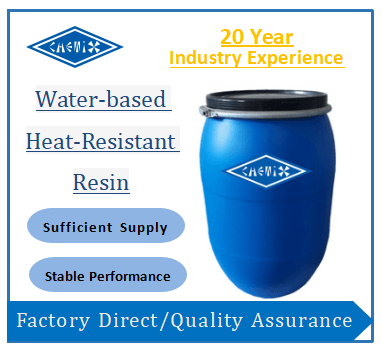
In the world of adhesive technologies, Chemix's water-based resin solution stands out as a beacon of eco-friendliness and sustainability. This innovative adhesive glue is designed specifically for those who prioritize environmental responsibility without compromising on performance. With its strong adhesive properties, this solution caters to a growing demand for pressure sensitive adhesives that are both effective and sustainable.
Eco-Friendly and Sustainable Adhesive Glue
Chemix’s water-based resin is formulated with sustainability in mind, making it an excellent choice for manufacturers looking to reduce their environmental footprint. Unlike traditional hot melt adhesives that may contain harmful solvents, this eco-friendly option uses water as its primary carrier, significantly lowering volatile organic compound (VOC) emissions. As consumers increasingly seek out products made with responsible materials, using a high temperature adhesive that aligns with these values can set brands apart in the competitive market.
Non-Toxic and Pollution-Free Properties
One of the standout features of Chemix’s adhesive glue is its non-toxic nature, which makes it safe for use across various applications without posing health risks to workers or consumers. This pollution-free property is particularly important in industries such as food packaging and consumer goods, where safety standards are paramount. By opting for pressure sensitive adhesives that are free from harmful chemicals, companies can foster a safer working environment while also appealing to health-conscious consumers.
Applications Across Various Industries
The versatility of Chemix's water-based resin solution allows it to be utilized across multiple sectors, demonstrating its strong adhesive capabilities in everything from labeling PET bottles to crafting intricate packaging designs. Industries such as cosmetics, pharmaceuticals, and food packaging benefit immensely from using this high-quality adhesive glue due to its reliable performance under various conditions. As businesses continue to seek out innovative solutions for their labeling needs, pressure sensitive adhesives like Chemix's product will undoubtedly play a pivotal role in shaping the future of sustainable packaging practices.
Comparing Adhesive Pressure Options for Labels

When it comes to labeling, choosing the right adhesive pressure option can make or break the effectiveness of your labels. The debate between hot melt adhesives and water-based adhesives is ongoing, with each having its unique advantages and applications. Understanding these differences can help manufacturers select the most suitable pressure sensitive adhesives for their needs.
Hot Melt vs. Water-Based Adhesives
Hot melt adhesives are known for their quick bonding capabilities and strong adhesive properties, making them a popular choice in high-speed production environments. These high temperature adhesives provide excellent adhesion on various surfaces, including PET bottles, ensuring that labels stay intact even under challenging conditions. On the other hand, water-based adhesives offer a more eco-friendly alternative, featuring lower volatile organic compounds (VOCs) and being less harmful to the environment while still providing decent adhesion.
While hot melt adhesive excels in speed and durability, water-based adhesive glue is often favored for its sustainability and ease of cleanup. Both types of pressure sensitive adhesives have their merits; thus, understanding specific application requirements is crucial in making an informed decision about which adhesive pressure option to use for labeling purposes. Ultimately, selecting between hot melt and water-based options will depend on factors like production speed, environmental considerations, and desired label longevity.
Factors Influencing Adhesive Choice
One primary consideration is the substrate material; some strong adhesives perform better on certain surfaces than others—PET bottles being a prime example where high temperature adhesive options shine due to their robust bonding capabilities. Additionally, environmental factors such as temperature fluctuations or exposure to moisture can dictate whether a hot melt or water-based solution is more appropriate.
Another critical factor is production efficiency; manufacturers often require fast curing times to keep up with high-demand operations without compromising quality. This need often leads them toward hot melt adhesives that provide rapid bonding without lengthy drying periods compared to their water-based counterparts. Cost also plays a significant role in this decision-making process—while some may lean toward cheaper alternatives initially, investing in stronger long-lasting solutions can save money over time by reducing waste from label failures.
Case Studies of Success in Labeling
To illustrate how different adhesive choices impact labeling success, consider two case studies: one involving a beverage company using hot melt adhesive for PET bottle labels and another utilizing water-based adhesive glue in a cosmetic line packaging scenario. The beverage company found that employing high temperature adhesives resulted in fewer label failures during transportation and storage due to their superior resistance against moisture and heat—ensuring brand visibility remained intact even after long periods on store shelves.
Conversely, the cosmetic line benefited from using eco-friendly water-based pressure sensitive adhesives that aligned with its brand ethos focused on sustainability while maintaining acceptable adhesion levels during product usage at home or retail environments alike. Both companies showcased how understanding specific application needs led them towards successful outcomes by selecting suitable strong adhesive options tailored for their unique challenges within respective industries.
Conclusion
In summary, the world of pressure sensitive adhesives is evolving rapidly, driven by innovation and the growing demand for efficient labeling solutions. These strong adhesives are not just about sticking things together; they are integral to ensuring product integrity and enhancing brand visibility on shelves. As we look ahead, understanding these advancements will be crucial for businesses seeking reliable adhesive options.
Innovations in Pressure Sensitive Adhesives
Recent developments in pressure sensitive adhesives have introduced formulations that enhance performance while maintaining environmental standards. Innovations such as bio-based materials and improved bonding technologies are making strong adhesive solutions more accessible across various industries. These advancements not only improve adhesion but also contribute to sustainability efforts, allowing companies to meet consumer demands for eco-friendly products.
The Future of Hot Melt Glue Technology
The future of hot melt adhesive technology looks promising, with ongoing research focused on creating high temperature adhesive solutions that can withstand extreme conditions without compromising performance. As industries continue to seek faster production times and greater efficiency, hot melt adhesives are likely to evolve further, incorporating smart technologies that adapt based on environmental factors. This evolution will ensure that businesses can rely on these strong adhesives for consistent performance in diverse applications.
Making Informed Choices for Label Adhesion
Factors such as substrate compatibility, exposure conditions, and desired longevity play a pivotal role in determining whether a pressure sensitive adhesive or a hot melt glue is suitable. By carefully considering these elements and leveraging case studies of success in labeling, companies can make informed choices that enhance their product packaging strategies.