
Introduction
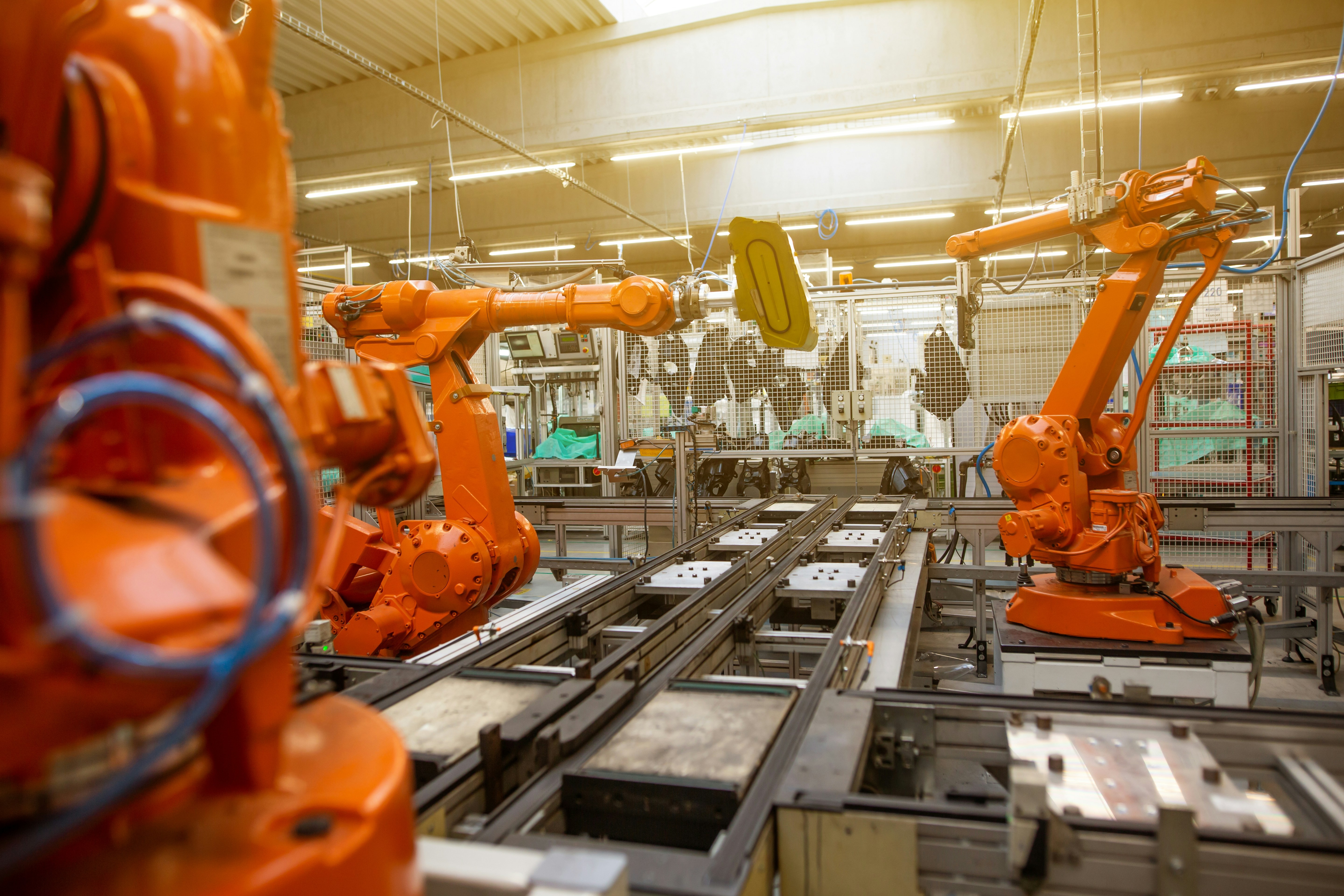
In the fast-paced world of automotive manufacturing, adhesives play a pivotal role, often overlooked but crucial for the integrity and performance of vehicles. From bonding components to enhancing structural strength, the adhesives used in the automotive industry are indispensable. They not only streamline production processes but also contribute to vehicle safety and longevity.
Importance of Adhesives in Automotive Manufacturing
Adhesives have revolutionized automotive manufacturing by allowing for lighter designs and improved fuel efficiency without compromising strength. With the increasing complexity of modern vehicles, high temperature adhesive solutions provide critical support in areas exposed to extreme conditions, such as engine compartments. Additionally, pressure sensitive adhesive options offer versatility in interior applications, ensuring a seamless finish that enhances aesthetic appeal.
What Makes Automotive Adhesives Unique
What sets automotive adhesives apart from traditional adhesives is their ability to withstand harsh environments while providing reliable performance over time. High heat adhesive formulations are specifically designed to endure elevated temperatures and resist degradation from chemicals and moisture—essential qualities for components like exhaust systems. Furthermore, pressure adhesive technologies ensure that bonds remain intact under stress, making them ideal for dynamic applications within vehicles.
Overview of Essential Automotive Adhesives
The landscape of automotive adhesives is diverse, comprising various types tailored for specific applications. High temperature adhesives excel in engine components where heat resistance is paramount, while pressure sensitive adhesives find their niche in interior finishes and trims. Understanding these essential adhesive glue solutions empowers manufacturers to select the right products that enhance durability and performance across all vehicle segments.
High Temperature Adhesives
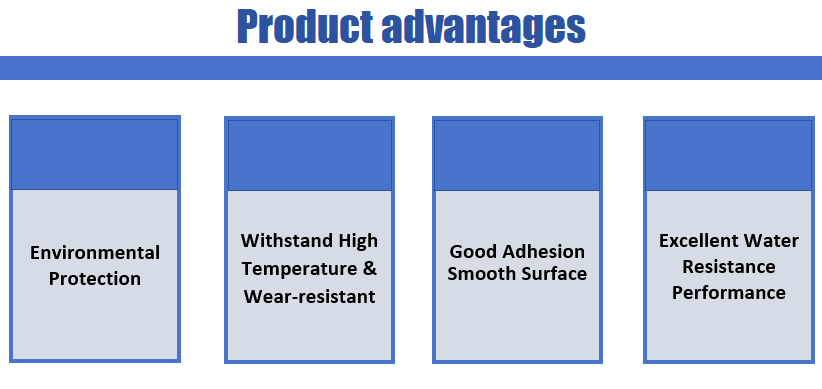
High temperature adhesives play a crucial role in the automotive industry, especially where parts are exposed to extreme conditions. These adhesives are specifically formulated to maintain their bonding strength even under elevated temperatures, making them indispensable for various automotive applications. Their unique properties ensure durability and reliability, which is essential for vehicle performance and safety.
Features of High Temperature Adhesives
High temperature adhesives are designed to withstand temperatures that can exceed 500°F (260°C) without losing their adhesive properties. This resilience is achieved through specialized formulations that resist thermal degradation and chemical exposure, ensuring longevity in demanding environments. Additionally, these adhesives often exhibit excellent mechanical strength and flexibility, allowing them to bond dissimilar materials effectively—a critical requirement in the automotive sector.
Applications in Engine Components
In the automotive industry, high temperature adhesives find extensive use in engine components where heat resistance is paramount. They are commonly used to bond gaskets, seals, and other parts that must endure high levels of thermal stress without failing. Moreover, these adhesives help reduce weight compared to traditional fasteners while providing a seamless finish that enhances aerodynamics and efficiency.
Leading Brands in High Heat Adhesives
Several brands have established themselves as leaders in providing high heat adhesive solutions for the automotive industry. Companies like 3M and Loctite offer a range of products specifically tailored for high-temperature applications, ensuring optimal performance under extreme conditions. Other notable players include Permatex and Henkel, known for their innovative approaches to developing reliable high temperature adhesive products that meet rigorous industry standards.
Pressure Sensitive Adhesives
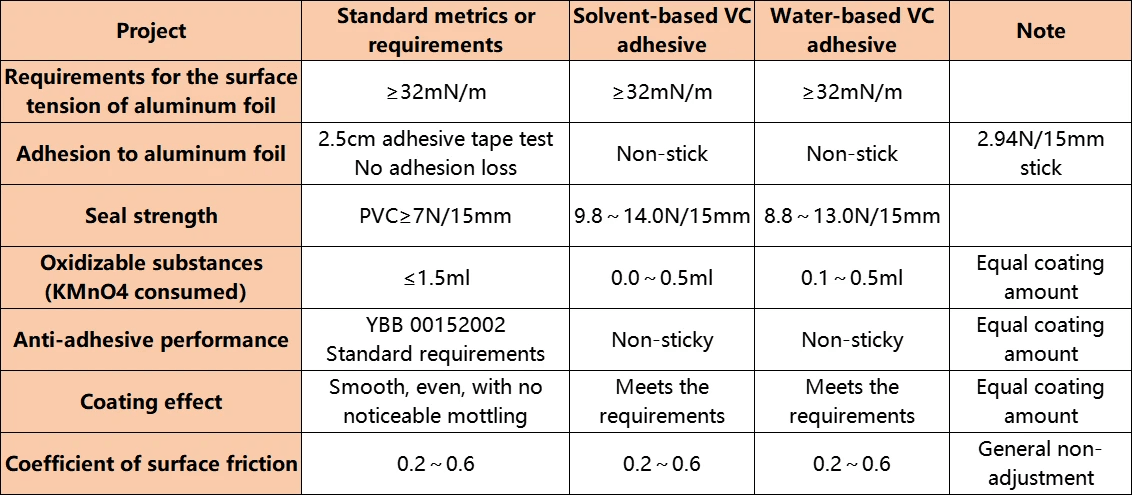
When it comes to the automotive industry, pressure sensitive adhesives (PSAs) play a pivotal role in various applications. These unique adhesives bond to surfaces upon the application of light pressure, eliminating the need for heat or solvents. Their versatility and ease of use make them an essential component in modern automotive manufacturing.
Understanding Pressure Sensitive Adhesives
Pressure sensitive adhesives are formulated to create a strong bond without the need for additional curing time or activation methods like heat. They are often made from polymeric materials that allow them to adhere effectively to different substrates, such as metals, plastics, and glass. This adaptability is one reason why these adhesives are so prevalent in the automotive industry, where they are used for both functional and aesthetic purposes.
Common Uses in Automotive Interiors
In automotive interiors, pressure sensitive adhesives find their way into numerous applications—from securing upholstery and trim pieces to attaching sound-dampening materials. They are particularly valued for their ability to provide a clean finish without visible fasteners or mechanical joints, enhancing both appearance and comfort. Additionally, these adhesives contribute to vehicle lightweighting efforts by allowing manufacturers to use thinner materials while maintaining structural integrity.
Major Suppliers of Pressure Adhesives
Several major suppliers dominate the market for pressure sensitive adhesives used in the automotive sector. Companies like 3M, Henkel, and Sika have developed specialized products tailored for high-performance applications within vehicles. As demand increases for innovative adhesive solutions that support durability and efficiency in automotive manufacturing, these suppliers continue to lead with cutting-edge technologies.
High Heat Adhesives
High heat adhesives are a crucial component in the automotive industry, specifically designed to withstand extreme temperatures and harsh conditions. These adhesives ensure that various parts of a vehicle remain securely bonded even under significant thermal stress. Their unique formulation enables them to maintain their integrity, making them indispensable for applications where traditional adhesives would fail.
Characteristics of High Heat Adhesives
High heat adhesives boast remarkable thermal stability, allowing them to endure temperatures often exceeding 300°C (572°F). This characteristic is essential in applications where components are exposed to intense heat, such as engine parts and exhaust systems. Moreover, these high temperature adhesives exhibit excellent chemical resistance, ensuring durability against oil, fuel, and other automotive fluids that can degrade standard adhesive solutions.
In addition to thermal and chemical resilience, high heat adhesives also offer strong bonding capabilities on various substrates including metals, plastics, and composites. This versatility makes them suitable for diverse applications within the automotive sector. Furthermore, many of these high heat adhesive formulations are designed for easy application and rapid curing times—two features that enhance productivity in manufacturing settings.
Critical Applications in Exhaust Systems
One of the most critical applications for high heat adhesives is within exhaust systems where they help bond components like catalytic converters and mufflers securely together. These areas experience not only high temperatures but also vibrations from engine operation; therefore, using reliable bonding agents is paramount for maintaining structural integrity over time. By utilizing specialized high temperature adhesive solutions in these applications, manufacturers can ensure both performance efficiency and longevity of exhaust systems.
Moreover, the use of pressure sensitive adhesive technologies alongside high heat adhesives enhances assembly processes by allowing for easier handling during installation without compromising bond strength once cured. This synergy between different types of automotive adhesive products helps streamline production while ensuring that each component remains firmly attached even under demanding conditions.
Notable High Heat Adhesive Products
Several notable products stand out in the realm of high heat adhesives used in the automotive industry today. For instance, brands like 3M offer a range of high temperature adhesive options specifically formulated for exhaust system applications—providing excellent adhesion even at elevated temperatures while resisting degradation from exhaust gases or chemicals found in fuels and oils.
Another noteworthy product is Loctite's range of silicone-based sealants which serve dual purposes as both sealants and high heat adhesives; they effectively fill gaps while maintaining strong bonds under extreme conditions encountered by automotive components. Additionally, Permatex provides specialized adhesive glue solutions designed explicitly for heavy-duty repairs on exhaust systems—ensuring durability while withstanding thermal cycling stresses experienced during vehicle operation.
Automotive Adhesive Glue
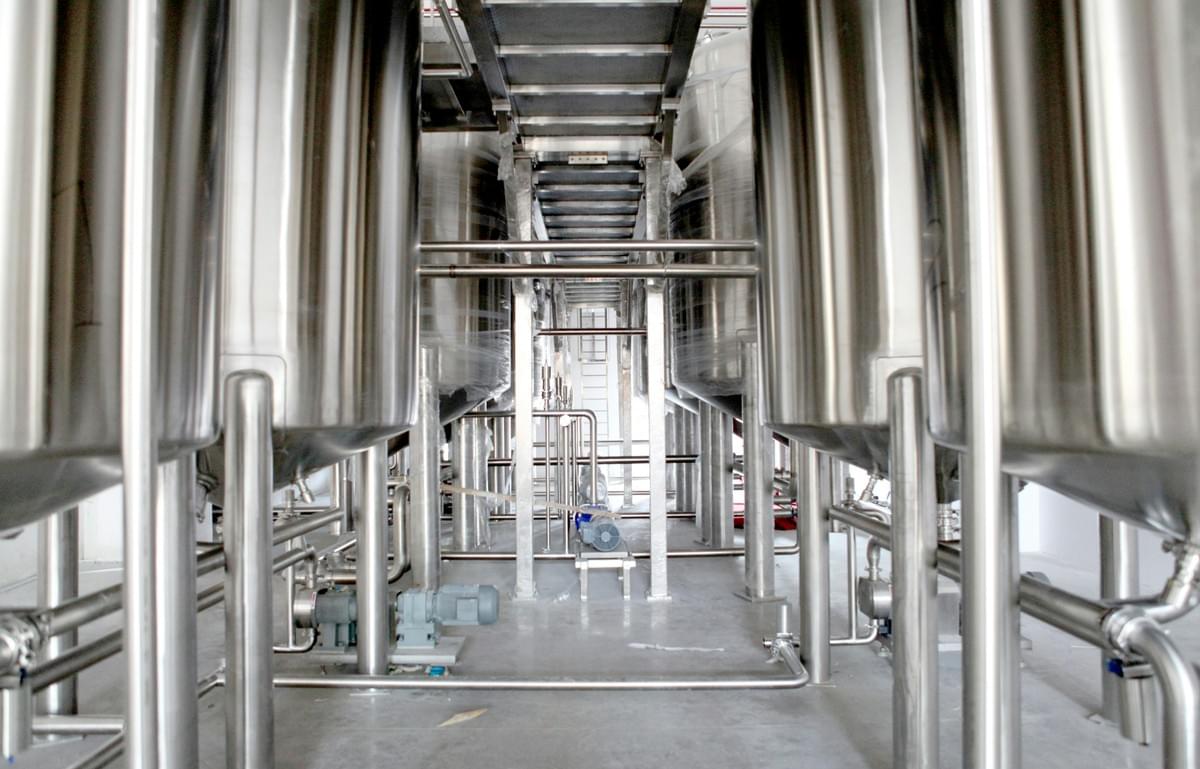
In the automotive industry, adhesive glue plays a crucial role in ensuring the integrity and durability of vehicles. From bonding panels to sealing components, these adhesives used in automotive manufacturing are designed to withstand various stresses and environmental conditions. Understanding the types of adhesive glue available can help manufacturers choose the right solution for their specific needs.
Types of Automotive Adhesive Glue
There are several types of automotive adhesive glue tailored for different applications within the industry. Epoxy adhesives are renowned for their high strength and resistance to extreme temperatures, making them ideal for structural bonding in engine components. Additionally, polyurethane adhesives offer flexibility and excellent adhesion properties, which make them suitable for both interior and exterior applications. For quick fixes or temporary bonds, pressure sensitive adhesives provide ease of use without requiring heat or curing time.
Benefits for Bonding and Sealing
The benefits of using automotive adhesive glue extend far beyond mere convenience; they enhance vehicle performance and longevity as well. High temperature adhesives ensure that critical components remain bonded even under intense heat conditions typically found in engines or exhaust systems. Furthermore, pressure sensitive adhesives allow for easy application while providing strong seals against moisture and contaminants, which is essential for maintaining vehicle integrity over time.
Examples of Popular Automotive Glue Solutions
Several brands have established themselves as leaders in providing effective automotive adhesive solutions that cater to various needs within the industry. Products like 3M's Scotch-Weld™ series offer robust high heat adhesive options that can handle extreme conditions while ensuring a secure bond between parts. Another notable example is Loctite's range of automotive adhesive glues that include both epoxy options and pressure sensitive varieties designed specifically for interior applications.
Chemix’s Water-Based Resin Solution

In the ever-evolving landscape of automotive manufacturing, Chemix’s water-based resin solution is making waves. This innovative adhesive provides a versatile bonding option that caters to various needs within the automotive industry. With its unique properties, it stands out among traditional adhesives used in automotive applications.
Features of Water-Based Resin
Chemix’s water-based resin boasts several remarkable features that make it an attractive choice for automotive manufacturers. First and foremost, it offers excellent adhesion to a variety of substrates, including metals and plastics commonly found in vehicles. Additionally, this high temperature adhesive maintains its performance even under challenging conditions, ensuring durability in critical applications.
Moreover, the formulation is designed to be user-friendly; it can be easily applied without extensive preparation or complicated processes. Its quick-drying nature allows for efficient production workflows, which is essential in high-paced automotive environments. Thus, when considering adhesives used in the automotive industry, Chemix’s water-based resin emerges as a top contender due to its impressive features.
Advantages for Automotive Industry
Using Chemix's water-based resin provides numerous advantages tailored specifically for the automotive sector. One significant benefit is its compatibility with various materials and surfaces, allowing manufacturers to use a single adhesive for multiple applications—whether bonding trim or sealing components. This versatility reduces inventory costs associated with stocking different types of adhesive glue.
Additionally, this pressure sensitive adhesive exhibits strong resistance to environmental factors such as moisture and temperature fluctuations—essential traits needed in vehicles exposed to diverse conditions during their lifespan. The formulation also minimizes VOC emissions compared to solvent-based alternatives, aligning with modern sustainability goals while enhancing worker safety during application processes.
Furthermore, using this high heat adhesive can contribute positively toward overall vehicle performance by ensuring reliable bonds that withstand thermal stress over time. In an industry where reliability is paramount, these advantages position Chemix’s water-based resin as an invaluable asset in automotive manufacturing.
Environmental Impact of Using Water-Based Resin
The environmental impact of adhesives used in the automotive industry has become increasingly important as companies strive for sustainable practices. Chemix's water-based resin solution significantly reduces harmful emissions compared to traditional solvent-based adhesives—making it a greener option that aligns with eco-friendly initiatives across the sector.
By minimizing volatile organic compounds (VOCs), this pressure adhesive not only promotes healthier working conditions but also contributes positively towards reducing air pollution associated with manufacturing processes. Furthermore, being water-based means easier cleanup and disposal methods that lessen environmental burden compared to their chemical-laden counterparts.
In conclusion, adopting Chemix's water-based resin not only enhances product quality but also reflects a commitment towards responsible manufacturing practices within the automotive industry—a win-win situation for both manufacturers and Mother Earth alike!
Conclusion

In summary, adhesives play a pivotal role in the automotive industry, providing solutions that enhance durability, performance, and safety. From high temperature adhesives used in engine components to pressure sensitive adhesives that elevate the quality of automotive interiors, these bonding agents are indispensable. The evolution of adhesive technology continues to shape modern automotive manufacturing, ensuring vehicles meet increasingly stringent standards.
Key Takeaways on Automotive Adhesives
Automotive adhesives come in various forms, each tailored for specific applications within vehicles. High heat adhesives are essential for components exposed to extreme temperatures, while pressure sensitive adhesives offer flexibility and ease of use in interior applications. Understanding the unique properties of each adhesive type helps manufacturers select the right product for their needs, ultimately improving vehicle performance and longevity.
Future Trends in Automotive Adhesive Technology
The future of automotive adhesive technology looks promising with advancements aimed at enhancing efficiency and sustainability. Innovations such as eco-friendly adhesive glue options are gaining traction as manufacturers seek greener alternatives without compromising on performance. Additionally, developments in high temperature and high heat adhesive formulations will likely lead to better durability under extreme conditions, further revolutionizing how vehicles are designed and manufactured.
Final Thoughts on Adhesives in Automotive Durability
Adhesives used in the automotive industry not only bond materials but also contribute significantly to overall vehicle durability and safety. As technology advances, we can expect more specialized solutions that cater to diverse automotive needs while addressing environmental concerns. Ultimately, embracing innovative adhesive solutions will be crucial for manufacturers aiming to stay competitive in an ever-evolving market.