
Introduction
In a world where technology continues to advance at breakneck speed, the importance of high temperature resistant adhesives cannot be overstated. These specialized bonding solutions are designed to withstand extreme heat while maintaining their adhesive properties, making them essential in various industries. From automotive manufacturing to electronics, the demand for durable and reliable high temperature adhesives is on the rise.
Importance of High Temperature Resistant Adhesives
High temperature adhesives play a crucial role in ensuring the longevity and safety of products exposed to elevated temperatures. Whether it's an automotive component or an electronic device, using effective adhesive glue can mean the difference between failure and success. With advancements in materials science, high temperature adhesive options have become more versatile, allowing for stronger bonds that can endure harsh conditions.
Overview of Thermal Conductive Adhesives
Thermal conductive adhesives are a unique category within high temperature adhesives that not only bond materials but also facilitate heat transfer. These specialized adhesives are engineered to conduct heat away from sensitive components, helping prevent overheating in electronic devices and other applications. As technology becomes more compact and powerful, the need for efficient thermal management through conductive adhesive solutions is increasingly important.
Real-World Applications of High Temperature Adhesives
The applications for high temperature adhesives are vast and varied, ranging from aerospace engineering to consumer electronics. In aerospace, these adhesives ensure that critical components remain securely bonded even under extreme conditions during flight. Similarly, in electronics, thermal adhesive solutions help maintain optimal performance by ensuring that sensitive parts remain cool under operational stress—demonstrating just how integral these materials have become in modern manufacturing processes.
Understanding High Temperature Adhesives
High temperature adhesives are essential in various industries where extreme conditions are a norm rather than an exception. These specialized adhesive glues are designed to withstand elevated temperatures without losing their bonding capabilities, making them ideal for applications that involve heat exposure. Whether it’s in automotive, aerospace, or electronics, high temperature adhesives play a crucial role in ensuring durability and reliability.
What Are High Temperature Adhesives
At their core, high temperature adhesives are formulated to maintain their structural integrity under intense thermal conditions. Unlike standard adhesives, which may fail or degrade when exposed to heat, these bonding glues can endure temperatures often exceeding 150°C (302°F). This unique property makes them invaluable in sectors where thermal stability is paramount, such as in the production of electronic devices and automotive components.
Different Types of Adhesive Glue
There’s a diverse range of adhesive glue options available for high temperature applications, each with its own unique characteristics and advantages. For instance, silicone-based adhesives offer excellent flexibility and thermal stability, while epoxy-based options provide superior strength and resistance to harsh chemicals. Additionally, conductive adhesives like conductive epoxy not only bond materials securely but also facilitate electrical conductivity—making them particularly useful in electronic applications.
Properties of Effective Bonding Glue
To be effective as a high temperature adhesive, bonding glue must possess several critical properties. First and foremost is thermal stability; the adhesive should maintain its performance even at elevated temperatures without breaking down or losing adhesion strength. Other important characteristics include chemical resistance—especially for those used in industrial settings—and good adhesion to various substrates such as metals and plastics—ensuring a strong bond regardless of the material involved.
Exploring Thermal Conductive Adhesives
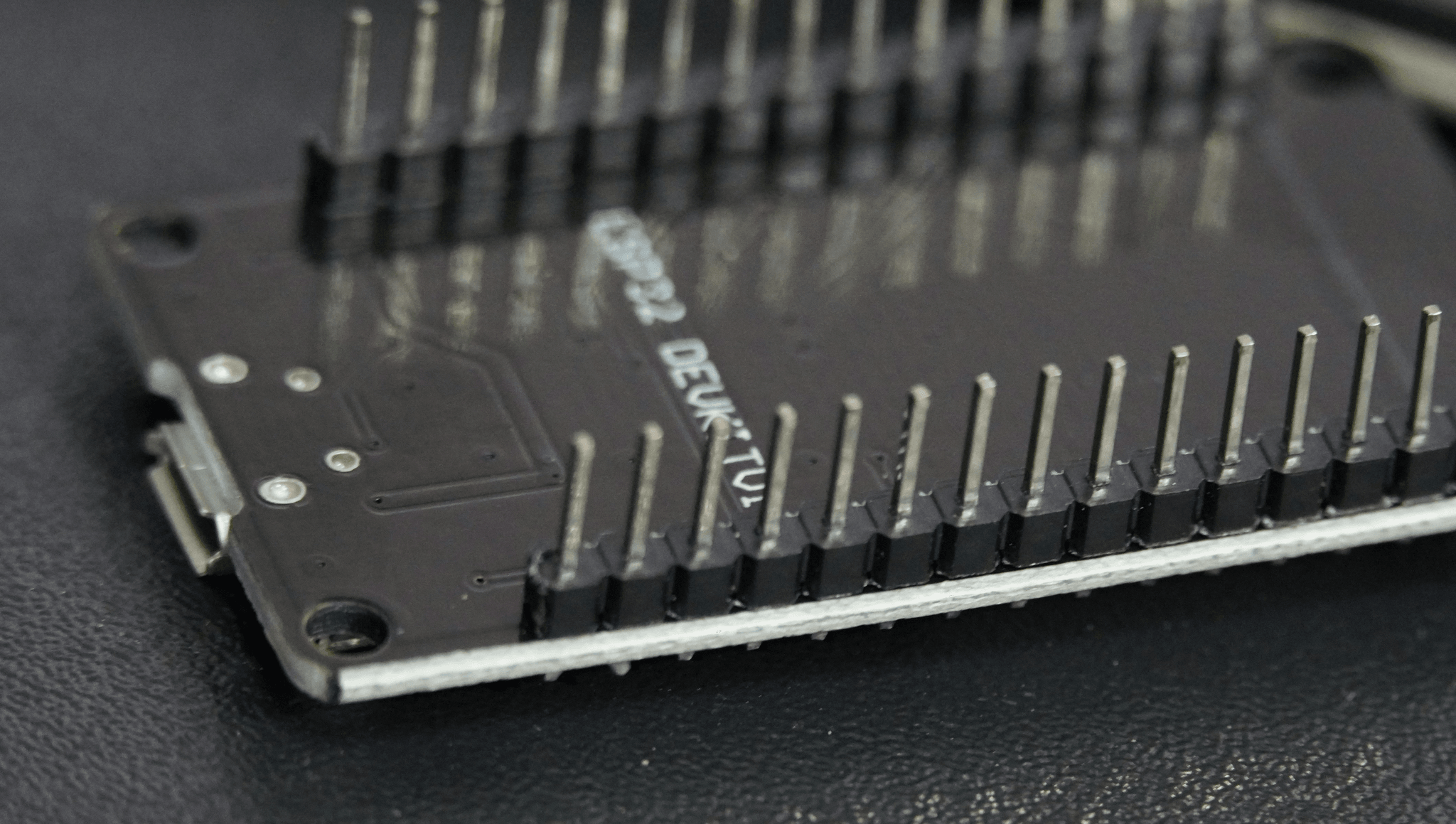
Thermal conductive adhesives are gaining traction in various industries due to their unique properties that blend thermal management with bonding capabilities. These high temperature adhesives not only create strong bonds but also facilitate efficient heat dissipation, making them indispensable in applications where overheating can be a concern. As technology advances, the need for reliable adhesive glue that can withstand extreme conditions while conducting heat effectively becomes increasingly critical.
Benefits of Thermal Conductive Adhesive
The primary advantage of a thermal conductive adhesive is its ability to efficiently transfer heat away from sensitive components, which is vital in electronics and other high-performance applications. This adhesive glue often combines thermal conductivity with excellent adhesion properties, ensuring that the bonded materials maintain structural integrity even under stress. Additionally, these adhesives can enhance the longevity and reliability of devices by preventing overheating, which is paramount for maintaining optimal performance.
Moreover, thermal conductive adhesives offer versatility across various substrates, including metals and plastics, making them suitable for an array of projects. Their formulation often includes conductive fillers like silver or graphite, which not only boost heat transfer but also improve electrical conductivity when needed—making them an ideal choice for electronic adhesive applications. With increasing demand in sectors such as automotive and aerospace, the benefits of these specialized bonding glues are hard to overlook.
Applications in Electronics and Beyond
In the realm of electronics, thermal conductive adhesives play a crucial role in ensuring device reliability and performance. They are commonly used to bond heat sinks to processors or other components that generate significant amounts of heat—preventing potential failures due to overheating. Beyond electronics, these high temperature adhesives find applications in LED lighting systems where efficient heat management is essential for extending product life.
Furthermore, industries such as telecommunications utilize thermal conductive epoxy for assembling components within devices that require both strong bonds and effective thermal management solutions. Other applications extend into renewable energy sectors where solar panels benefit from enhanced durability through the use of these advanced adhesives. As technology continues to evolve rapidly, so does the scope for utilizing thermal adhesive solutions across diverse fields.
Comparison with Standard Adhesives
When comparing thermal conductive adhesives with standard adhesives, it's clear that they offer distinct advantages tailored toward specific needs—especially concerning temperature resistance and heat dissipation capabilities. While traditional bonding glues may suffice for general purposes, they often lack the necessary properties required for high-performance applications involving significant thermal loads or electrical components.
Standard adhesives may struggle under extreme temperatures or fail to conduct heat effectively; thus risking component damage over time—a risk not present when using specialized thermal conductive options designed explicitly for such environments. In summary, while standard adhesives have their place in many projects, those requiring both adhesion strength and effective cooling solutions should strongly consider investing in high-quality thermal conductive adhesive formulations.
The Role of Conductive Epoxy
Conductive epoxy is a game-changer in the realm of adhesives, particularly when high performance is required in demanding applications. This unique adhesive glue combines the properties of traditional bonding glue with enhanced electrical conductivity, making it a preferred choice for various industries. Its formulation allows for exceptional thermal and electrical conductivity, setting it apart from standard adhesives.
What Makes Conductive Epoxy Unique
What truly makes conductive epoxy unique lies in its composition, which typically includes metal particles such as silver or copper suspended in an epoxy resin. This combination not only provides strong adhesion but also ensures efficient heat dissipation and electrical connectivity, essential for high-performance electronic devices. Unlike conventional adhesives that may insulate rather than conduct electricity, conductive epoxy serves dual purposes: bonding and conducting.
Moreover, this thermal conductive adhesive excels under extreme conditions, offering robust resistance to thermal cycling and mechanical stress. Its ability to withstand high temperatures makes it an ideal choice for applications where standard adhesives might fail. Consequently, when durability meets conductivity in one package, you have a winning formula for modern manufacturing challenges.
Uses in Electronic Devices
Conductive epoxy finds its niche primarily within the electronics sector—think circuit boards, sensors, and even LED lighting systems. In these applications, the need for reliable electrical connections without compromising on structural integrity is paramount; thus the use of this specialized electronic adhesive is crucial. It effectively bonds components while ensuring that heat generated during operation is efficiently dissipated.
Additionally, its versatility allows it to be used in various configurations—from encapsulating sensitive components to securing connectors on printed circuit boards (PCBs). The advantages become even more pronounced when dealing with high-density assemblies where space is limited; conductive epoxy can fill gaps that other adhesives simply cannot manage effectively. As technology advances and devices become more compact yet powerful, the role of this thermal adhesive will only grow.
Advantages Over Traditional Adhesives
When comparing conductive epoxy to traditional adhesives like silicone or polyurethane-based options, several advantages emerge that make it a standout choice for specific applications. First and foremost is its superior conductivity; while standard adhesives often act as insulators due to their composition, conductive epoxies facilitate seamless electrical flow between components—a necessity in modern electronics design.
Furthermore, these high temperature adhesives offer greater temperature stability compared to their traditional counterparts; they maintain performance under extreme conditions without losing adhesion strength or becoming brittle over time. This resilience translates into longer-lasting products that require less maintenance or replacement—a significant cost-saving measure for manufacturers looking at long-term viability.
Lastly, the ease of application cannot be overlooked; many formulations are designed to cure quickly at room temperature or with minimal heat application—allowing manufacturers to streamline production processes without sacrificing quality or safety standards associated with electronic devices.
Chemix's Water-Based Resin Solution

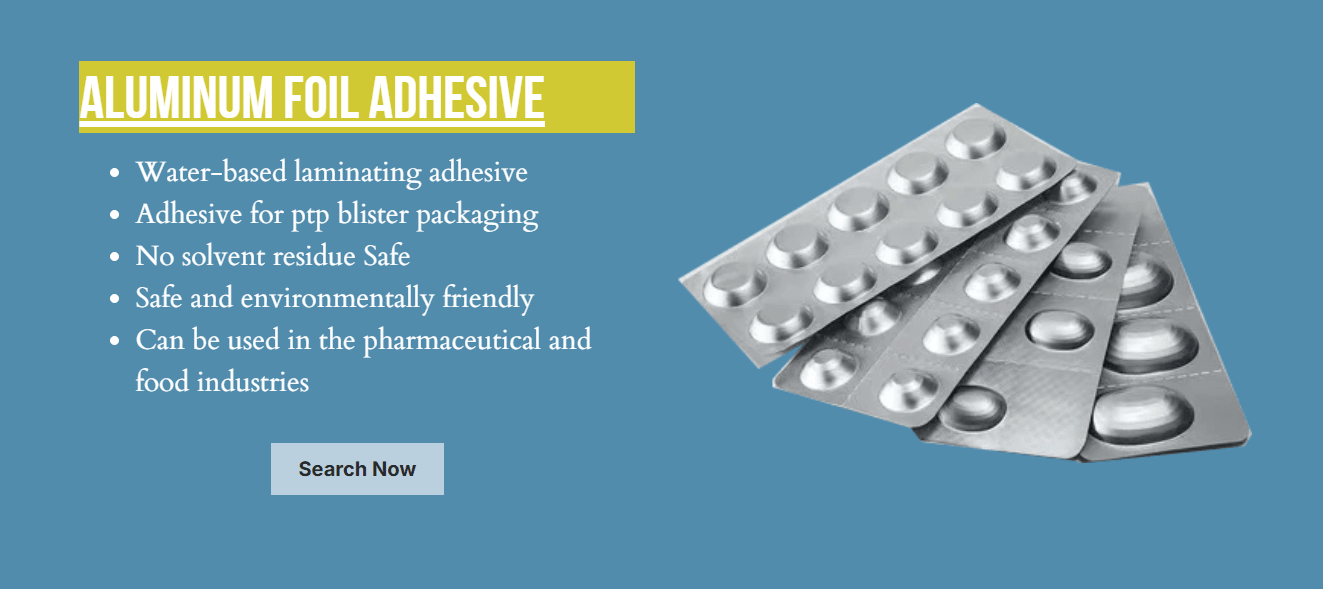
In the realm of high temperature adhesives, Chemix’s water-based resin solution stands out as a game changer. This innovative adhesive glue offers a unique blend of eco-friendliness and performance, making it an attractive option for various applications. With the growing demand for sustainable materials, water-based resins are becoming increasingly popular in industries that require both thermal and electrical conductivity.
Eco-Friendly Benefits of Water-Based Resin
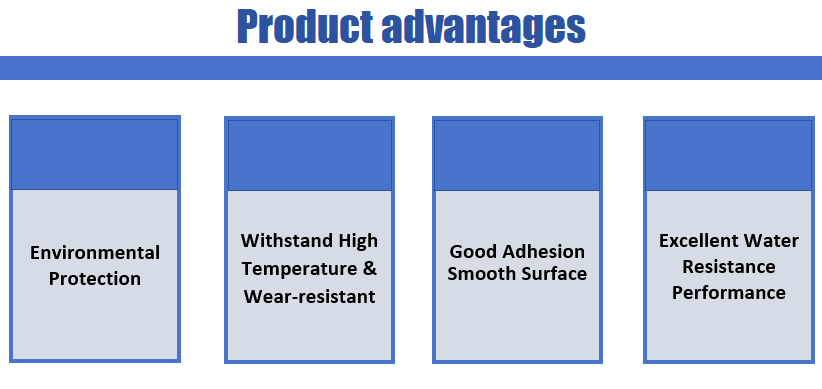
One of the most significant advantages of Chemix's water-based resin is its eco-friendly profile. Unlike traditional solvent-based adhesives that release harmful volatile organic compounds (VOCs), this thermal conductive adhesive minimizes environmental impact while maintaining strong bonding capabilities. As consumers and manufacturers alike become more conscious about sustainability, opting for these water-based solutions can significantly reduce your carbon footprint without sacrificing quality.
Moreover, Chemix's commitment to creating a safe working environment is evident in their choice to utilize non-toxic ingredients in their formulations. This means that not only do users benefit from a high temperature adhesive that performs well under stress, but they also contribute to healthier workplaces and communities. The shift towards using adhesive glue with lower environmental risks demonstrates how innovation can align with responsible practices.
Applications in High Temperature Adhesives
Chemix’s water-based resin is particularly effective in high temperature applications where reliable performance is crucial. From automotive components to aerospace technology, this bonding glue excels at maintaining integrity even when exposed to extreme heat conditions. Its versatility allows it to be used as a conductive adhesive in electronic devices where thermal management is essential, ensuring optimal performance across various sectors.
Additionally, this innovative solution can be utilized in manufacturing processes that require precision and durability, such as circuit board assembly or LED encapsulation. As industries continue to evolve towards more efficient technologies, the demand for reliable thermal adhesives like Chemix's will only increase. By integrating these products into production lines, manufacturers can enhance product longevity while adhering to stringent safety standards.
Performance Metrics Compared to Solvent-Based Alternatives
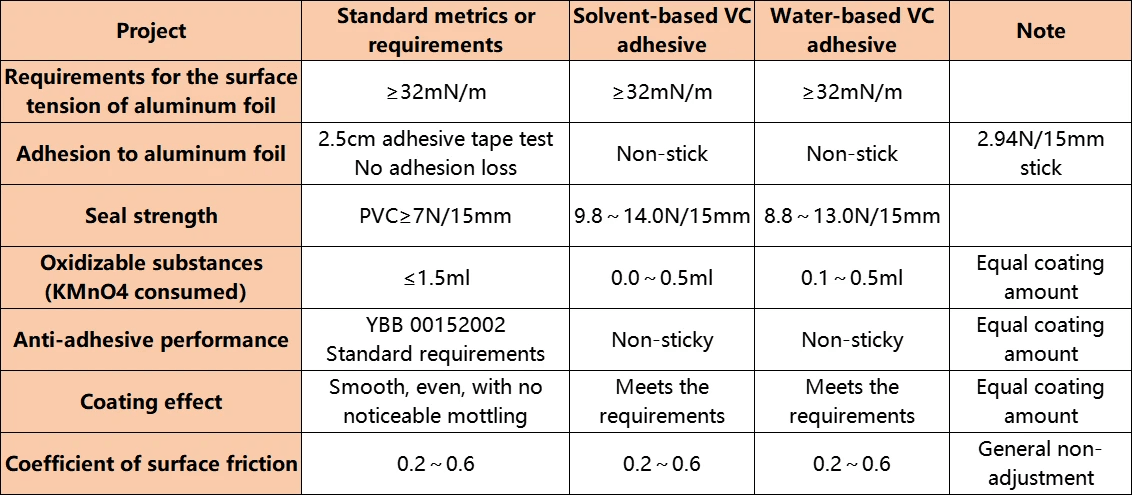
When comparing performance metrics between Chemix's water-based resin solution and traditional solvent-based alternatives, the advantages become clear. Testing has shown that this conductive epoxy not only matches but often exceeds the bonding strength of many solvent options under similar conditions. Moreover, its thermal stability ensures it remains effective even at elevated temperatures—making it an ideal choice for high temperature applications.
In terms of cure time and application ease, users find that water-based resins offer quicker drying times without compromising adhesion quality compared to their solvent counterparts. This efficiency translates into improved productivity on manufacturing floors where time is money—allowing businesses to meet tight deadlines with confidence in their chosen adhesive glue’s reliability. Ultimately, choosing Chemix’s innovative solution means investing in both performance and sustainability—a win-win scenario for any project requiring thermal conductive adhesive capabilities.
Finding the Right Adhesive for Your Project
Choosing the right adhesive for your project can feel like navigating a maze, especially when it comes to high temperature adhesives and thermal conductive adhesives. With so many options out there, understanding the specific requirements of your application is crucial. Factors such as temperature resistance, conductivity, and compatibility with materials must be taken into account to ensure you select the best adhesive glue for your needs.
Factors to Consider When Choosing Adhesive
When selecting an adhesive glue, start by assessing the materials you'll be bonding together. Different substrates may require specific types of bonding glue to ensure a strong and lasting hold. Additionally, consider the environmental conditions—temperature fluctuations and exposure to chemicals can impact the performance of both high temperature adhesives and thermal conductive adhesives.
Next, think about the curing time and method of application. Some conductive adhesives cure quickly while others need time or external heat to set properly. Understanding these factors will help you avoid frustration during your project and ensure that your chosen adhesive meets all performance expectations.
Lastly, don't overlook safety considerations; some adhesives may emit harmful fumes or require special handling procedures. Opting for eco-friendly solutions like Chemix's water-based resin can minimize health risks while still delivering excellent performance in high temperature applications.
Balancing Temperature Resistance and Conductivity
Finding that sweet spot between temperature resistance and conductivity is key when working with thermal conductive adhesives or conductive epoxy. High temperature adhesives excel in extreme environments but may not always provide optimal electrical conductivity needed in electronic devices. Conversely, some conductive adhesives prioritize conductivity but might struggle under intense heat—this balancing act is essential for ensuring long-lasting bonds in critical applications.
To achieve this balance effectively, consider using hybrid solutions that combine properties from both categories of adhesive glue. These innovative formulations can offer impressive thermal stability without sacrificing electrical performance—ideal for electronic applications where overheating could lead to failure.
Ultimately, evaluating how each type of adhesive performs under expected conditions will help you make an informed decision that aligns with your project's goals while maintaining reliability over time.
Leading Brands and Products to Consider
When it comes to selecting top-notch thermal adhesive products, several brands stand out in the market due to their proven track record in quality and performance. Brands like 3M offer a range of high temperature adhesives known for their durability under extreme conditions while also providing excellent bonding capabilities across various substrates.
Another notable contender is Loctite’s line of conductive epoxy products which are engineered specifically for electronic applications requiring superior electrical connectivity alongside robust adhesion properties. Their innovative formulations have made them a favorite among engineers looking for reliable solutions in demanding environments.
For those interested in eco-friendly options without compromising on performance, Chemix’s water-based resin solutions are worth exploring too; they provide effective alternatives that align with sustainability goals while still meeting rigorous standards required by high temperature applications.
Conclusion
In summary, high temperature adhesives play a pivotal role in various industries, offering solutions that withstand extreme conditions while maintaining effective bonding. The versatility of adhesive glue types—ranging from thermal conductive adhesive to conductive epoxy—ensures that there’s a suitable option for every application. Understanding the properties and applications of these adhesives can significantly enhance project outcomes, particularly in electronics where reliability is paramount.
Key Takeaways about High Temperature Adhesives
High temperature adhesives are essential for applications requiring durability under heat stress, ensuring that components remain securely bonded even in challenging environments. The effectiveness of bonding glue lies not only in its heat resistance but also in its ability to conduct heat or electricity when necessary, making thermal conductive adhesive options particularly valuable. As technology advances, the demand for specialized adhesive solutions like conductive epoxy continues to grow, underscoring the importance of selecting the right product for specific needs.
Best Practices for Using Adhesive Glue
When working with high temperature or thermal adhesives, proper surface preparation is crucial; clean and dry surfaces promote optimal adhesion and performance. It's also vital to follow manufacturer guidelines regarding curing times and application techniques to achieve the best results with your adhesive glue. Lastly, consider environmental factors such as temperature fluctuations and exposure to chemicals when choosing your bonding glue to ensure long-term reliability.
Future Trends in Thermal Adhesive Technology
The future of thermal adhesive technology looks promising as innovations continue to emerge within this field. Expect advancements in eco-friendly formulations like water-based resins that provide high performance without compromising environmental safety; Chemix's water-based resin solution exemplifies this trend by combining sustainability with efficacy. Additionally, ongoing research into novel materials may lead to even more efficient thermal conductive adhesives that enhance performance across diverse applications—from electronics to automotive industries.