
Introduction

In the world of construction and manufacturing, the right adhesive can make all the difference. With a myriad of options available, understanding industrial glue choices is essential for achieving optimal results in any project. From construction adhesive to specialty adhesive contact glue, selecting the appropriate adhesive is crucial to ensure strong and lasting bonds.
Understanding Industrial Glue Options
Industrial adhesives come in various forms and functionalities, each designed for specific applications. Whether you’re using construction adhesive glue for heavy-duty projects or opting for a more specialized adhesive contact glue, knowing your options can streamline your workflow. An informed choice not only enhances performance but also ensures safety and efficiency in your operations.
Importance of Selecting the Right Adhesive
Choosing the right adhesive manufacturer and product is paramount; it can significantly impact both the quality of your work and overall project timelines. The wrong type of adhesive might lead to weak bonds, resulting in costly repairs or even safety hazards down the line. By investing time in selecting an appropriate adhesive, you set yourself up for success with durable results that stand the test of time.
Overview of Adhesive Types
Adhesives are broadly categorized into several types, including construction adhesives, contact adhesives, and specialty formulations tailored for unique needs. Construction adhesive glue is typically used for bonding materials like wood or concrete due to its robust properties, while contact adhesives excel in applications requiring immediate adhesion upon contact. Understanding these differences will empower you to choose wisely based on project requirements.
Types of Industrial Adhesives

Overview of Construction Adhesives
Construction adhesives are designed for heavy-duty applications, making them ideal for bonding materials in construction projects. These adhesives provide a robust bond that can withstand significant stress and environmental changes, ensuring long-lasting results. Whether you're working with wood, metal, or concrete, using the right construction adhesive can make all the difference in your project's success.
One popular type of construction adhesive glue is polyurethane-based products which offer excellent flexibility and strength. These adhesives are particularly useful in outdoor applications where exposure to moisture and temperature fluctuations is a concern. When selecting a construction adhesive manufacturer, it's essential to consider their reputation and product range to find solutions that best fit your requirements.
The Power of Contact Adhesive
Contact adhesive is renowned for its quick bonding capabilities and versatility across various materials. This type of adhesive contact glue works by applying a thin layer on both surfaces being bonded; once they come into contact, an instant bond forms that’s incredibly strong. This feature makes it particularly useful in situations where time is of the essence or when working with large surfaces.
However, achieving optimal results with contact adhesive requires careful application techniques to avoid premature bonding or uneven adhesion. It's important to follow manufacturer guidelines closely when using this type of adhesive glue to ensure you get a reliable bond every time. Many professional builders swear by quality contact adhesives from reputable manufacturers due to their proven performance in demanding environments.
Specialty Adhesives for Unique Needs
In addition to standard options like construction adhesive and contact adhesives, there are specialty adhesives designed for specific applications or materials. These unique formulations cater to industries such as automotive, aerospace, or electronics where traditional options may not suffice due to extreme conditions or material properties. For instance, some specialty adhesives provide thermal resistance while others excel at bonding dissimilar materials.
Choosing an appropriate specialty adhesive often involves consulting with an experienced adhesive manufacturer who can recommend products tailored to your project’s needs. These experts understand the nuances of different formulations and can guide you toward solutions that maximize efficiency and effectiveness in your application process. Investing time in selecting the right specialty adhesive can lead not only to superior results but also enhance overall project sustainability.
Evaluating Adhesive Performance

When it comes to industrial adhesives, evaluating performance is crucial for ensuring the right choice for your project. Understanding bond strength, temperature resistance, and cure times can make the difference between a successful application and a sticky situation. Let's dive into these key factors that will help you select the best adhesive glue for your needs.
Bond Strength and Durability
Bond strength is arguably the most critical factor when assessing construction adhesive options. The effectiveness of any adhesive contact glue hinges on its ability to create a strong bond that can withstand various stresses over time. An adhesive manufacturer’s reputation often rests on how well their products perform in terms of durability; after all, nobody wants to deal with a failed bond after investing time and resources into their project.
In practical terms, bond strength is influenced by surface preparation, application methods, and even environmental conditions during curing. A high-quality construction adhesive should provide lasting adhesion across different materials while maintaining flexibility to absorb movement without breaking down. Therefore, it’s essential to choose an adhesive glue that not only meets your immediate needs but also offers long-term reliability.
Temperature and Environmental Resistance
Another vital aspect of evaluating adhesive performance is temperature and environmental resistance. Not all adhesives can withstand extreme heat or cold; some may lose their grip under high temperatures or become brittle in freezing conditions. When selecting an adhesive contact glue, consider where it will be used—inside a climate-controlled space or exposed to the elements—and choose accordingly.
Moreover, environmental factors such as humidity or exposure to chemicals can affect an adhesive's performance over time. A robust construction adhesive should resist degradation from moisture or corrosive substances while providing reliable adhesion throughout its lifespan. This resilience ensures that your projects remain intact regardless of external conditions.
Cure Times and Application Methods
The cure time of an adhesive significantly impacts workflow efficiency in any industrial setting. Some adhesives require extended curing periods before they reach full strength, while others offer rapid bonding capabilities ideal for fast-paced environments. Understanding these differences helps you plan your project timeline effectively—especially if you're working with multiple layers or components requiring precise alignment.
Application methods also play a crucial role in achieving optimal results with any type of adhesive glue you choose—whether it's construction adhesives or specialty options like contact adhesives. Proper application techniques can enhance bond strength and ensure even distribution across surfaces for maximum adhesion potential. Always consult guidelines provided by the adhesive manufacturer to achieve the best results tailored to specific products.
Environmental Considerations
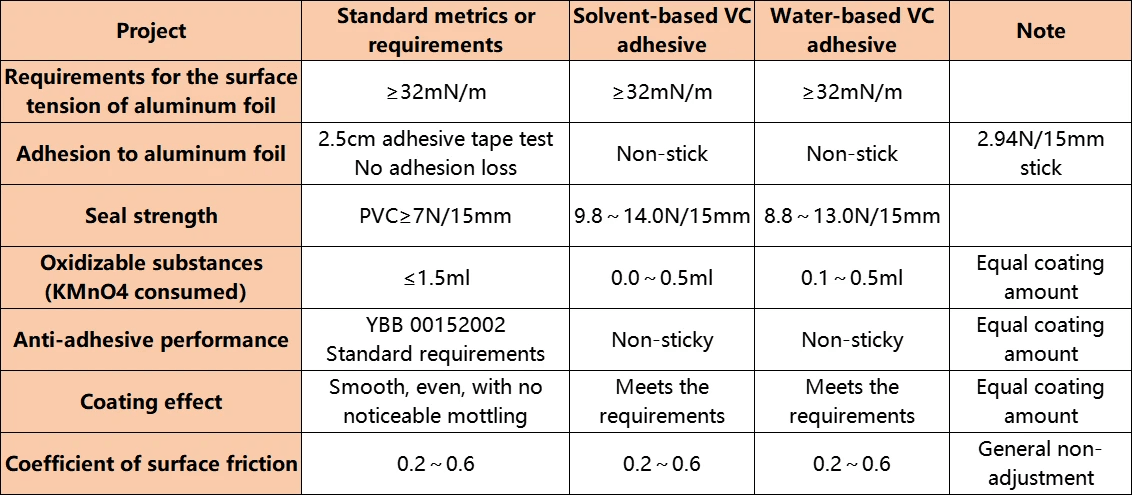
In today’s world, the environmental impact of products we use is more critical than ever. This is especially true for industrial adhesives, where traditional options often come with a hefty ecological price tag. By exploring eco-friendly alternatives, such as water-based resin solutions and other sustainable adhesives, businesses can make choices that benefit both their projects and the planet.
Benefits of Water-Based Resin Solutions
Water-based resin solutions are gaining traction in the adhesive market for several compelling reasons. First and foremost, they significantly reduce volatile organic compounds (VOCs), making them a healthier choice for both users and the environment. Additionally, construction adhesive glue made from water-based resins often boasts excellent bond strength while being easier to clean up—no more wrestling with harsh solvents after a long day’s work!
Another advantage is their versatility; water-based adhesives can be used across various applications without compromising performance. Whether it’s wood, plastic, or even fabric, these adhesives perform well while maintaining environmental integrity. As more adhesive manufacturers invest in developing these innovative solutions, we can expect to see a growing range of options tailored to specific needs.
Eco-Friendly Options in Adhesives
The market for eco-friendly adhesives has evolved dramatically in recent years, offering alternatives that cater to environmentally conscious consumers and businesses alike. Many adhesive manufacturers now produce biodegradable or recyclable products that minimize waste and pollution during production and disposal processes. For example, some specialty adhesives are formulated with renewable resources that provide robust bonding capabilities while reducing reliance on petroleum-based materials.
Moreover, contact adhesive options have also seen a shift toward sustainability; many now incorporate natural ingredients without sacrificing performance or durability. These eco-friendly choices not only help reduce environmental footprints but also enhance brand reputation among consumers who prioritize sustainability in their purchasing decisions. With an increasing number of companies seeking green certifications for their products, it’s clear that choosing eco-friendly adhesives is becoming not just beneficial but essential.
Impact of Adhesives on Sustainability
The impact of industrial adhesives on overall sustainability cannot be overstated; they play a crucial role in various industries from construction to manufacturing. By opting for high-quality construction adhesive glue from reputable manufacturers focused on sustainability practices, businesses can significantly contribute to reducing waste and improving energy efficiency throughout their supply chains. The right choice in adhesive glue not only ensures strong bonds but also promotes responsible resource management.
Furthermore, advancements in adhesive technology continue to pave the way for improved formulations that align with sustainability goals—think lower emissions during production processes or enhanced recyclability at the end of product life cycles! As consumers become increasingly aware of the importance of sustainable practices within industry sectors like construction and manufacturing, the demand for environmentally friendly options will likely drive further innovation among adhesive manufacturers.
By considering these factors when selecting your next contact adhesive or construction adhesive glue product, you’re not just making an informed decision—you’re actively participating in creating a more sustainable future!
Application Techniques

When it comes to applying adhesives, technique matters just as much as the adhesive itself. Whether you’re using construction adhesive or adhesive contact glue, the right application can make a world of difference in bond strength and durability. Let’s dive into some essential tips and tricks that will elevate your adhesive game.
Tips for Using Construction Adhesive
Using construction adhesive effectively requires a little preparation and attention to detail. First, ensure that both surfaces are clean, dry, and free from dust or grease; this will help the construction adhesive glue achieve maximum adhesion. Next, apply the adhesive in a continuous bead or pattern—too much can create messiness while too little may compromise strength.
Another important tip is to clamp or weight down the materials after applying the construction adhesive. This ensures an even distribution of pressure while the glue cures, leading to a stronger bond. Lastly, always check the manufacturer's instructions for cure times and specific recommendations tailored to their product; each brand may have unique requirements.
Best Practices for Contact Adhesive
When working with contact adhesive, precision is key since this type of adhesive bonds on contact rather than through curing time alone. Start by applying an even layer of adhesive glue on both surfaces you intend to bond; remember that less is often more with contact adhesives—too thick can lead to bubbling or uneven surfaces. Allowing the glue to dry until tacky before pressing surfaces together is crucial for achieving optimal adhesion.
Once you press the surfaces together, be mindful of alignment since repositioning can be tricky after initial contact has been made; it’s often best to take your time during placement. Additionally, use firm pressure across the entire area once joined—this helps eliminate air pockets that could weaken your bond over time. Finally, clean any excess glue immediately with an appropriate solvent before it sets; this keeps your workspace tidy and prevents unsightly residue.
Tools and Equipment for Adhesive Application
To ensure successful application of both construction adhesives and contact adhesives, having the right tools at hand is essential. For construction adhesives specifically, a caulking gun is indispensable; it allows for controlled dispensing of construction adhesive glue without creating a mess or wasting material. Pair this with putty knives or spreaders when necessary for smoothing out any excess material.
For contact adhesives, brushes or rollers are ideal for evenly distributing adhesive across larger surfaces without overapplying product—this helps maintain control during application while ensuring full coverage where needed. Don’t forget about safety gear like gloves and masks when working with strong chemicals; protecting yourself should always come first!
Lastly, consider investing in quality products from reputable manufacturers known as reliable adhesive manufacturers—their innovations often lead to better performance tools that enhance your overall bonding experience.
Choosing the Right Adhesive Manufacturer
Selecting the right adhesive manufacturer is crucial for ensuring that your projects are successful and durable. With a plethora of options available, it can be overwhelming to determine which manufacturer offers the best construction adhesive or adhesive contact glue for your needs. A well-chosen adhesive manufacturer not only provides quality products but also supports you with technical expertise and reliable customer service.
Key Factors in Selecting a Manufacturer
When evaluating an adhesive manufacturer, consider their track record in producing high-quality construction adhesive and contact adhesives. Look for manufacturers that have certifications or industry standards that validate their products' effectiveness and safety. Additionally, assess their range of offerings; a versatile selection can give you more options to find the perfect adhesive glue for any application.
Another critical factor is the manufacturer's commitment to research and development. An innovative adhesive manufacturer will continuously improve their products, offering cutting-edge solutions like advanced construction adhesive glue formulations or eco-friendly adhesives that align with sustainability goals. Lastly, consider customer support; manufacturers who provide robust technical assistance can help troubleshoot issues quickly, saving you time and money.
Reviews and Reputation of Top Brands
Before settling on an adhesive manufacturer, it's wise to read reviews and gather insights about top brands in the industry. Customer feedback often highlights product performance, reliability of construction adhesives, and overall satisfaction with service provided by manufacturers. Brands with a strong reputation typically have loyal customers who testify to the quality of their contact adhesives and specialty glues.
Don’t forget to check industry-specific forums or trade publications where professionals share experiences regarding different manufacturers’ products. These platforms can offer valuable information about how various types of adhesive glue perform under real-world conditions. Ultimately, choosing a reputable brand can give you confidence that you're investing in reliable solutions for your projects.
Innovations in Adhesive Technology
The world of adhesives is constantly evolving, thanks to innovative advances from leading manufacturers. New technologies in construction adhesives are enhancing bond strength while reducing cure times—making them more efficient than ever before! Additionally, many manufacturers are focusing on creating environmentally friendly options without sacrificing performance; this includes water-based formulations that cater to eco-conscious consumers.
Emerging trends also include smart adhesives equipped with features like temperature sensitivity or moisture resistance tailored for specific applications—think beyond traditional uses! These innovations not only improve user experience but also expand possibilities in industries ranging from automotive to aerospace where specialized contact adhesives are essential. Staying informed about these advancements helps ensure you choose an adhesive manufacturer committed to pushing boundaries while meeting your project needs.
Conclusion

In the vast world of industrial adhesives, selecting the right adhesive can feel like navigating a maze. With numerous options available, from construction adhesive glue to specialty adhesive contact glue, understanding your specific needs is crucial. The right choice not only enhances performance but also ensures long-term durability and sustainability in your projects.
Final Thoughts on Industrial Glue Selection
Choosing an adhesive manufacturer is akin to picking a trusty sidekick; you want one that understands your requirements and delivers consistently high-quality products. Whether it’s construction adhesive for heavy-duty applications or adhesive contact glue for more delicate tasks, the right selection can make all the difference in project success. Remember, investing time in evaluating your options will pay off in stronger bonds and fewer headaches down the line.
The Future of Adhesive Solutions
The future of adhesive solutions looks promising, with innovations continually emerging to meet evolving industry needs. Expect advancements that not only improve bond strength but also focus on environmental sustainability—think eco-friendly formulations that don’t compromise on performance. As manufacturers ramp up their efforts to create better construction adhesive options and contact adhesives that are safer for users and the planet, we can look forward to a greener and more efficient future.
Key Takeaways for Effective Use
When it comes to effective use of adhesives, knowledge is power—understanding bond strength, cure times, and application methods will elevate your projects significantly. Always consider factors like temperature resistance and environmental impact when selecting your adhesive glue; this foresight will save you time and resources later on. Lastly, don’t forget to research reputable adhesive manufacturers; their expertise could be the key to unlocking exceptional results in your next endeavor.