
Introduction
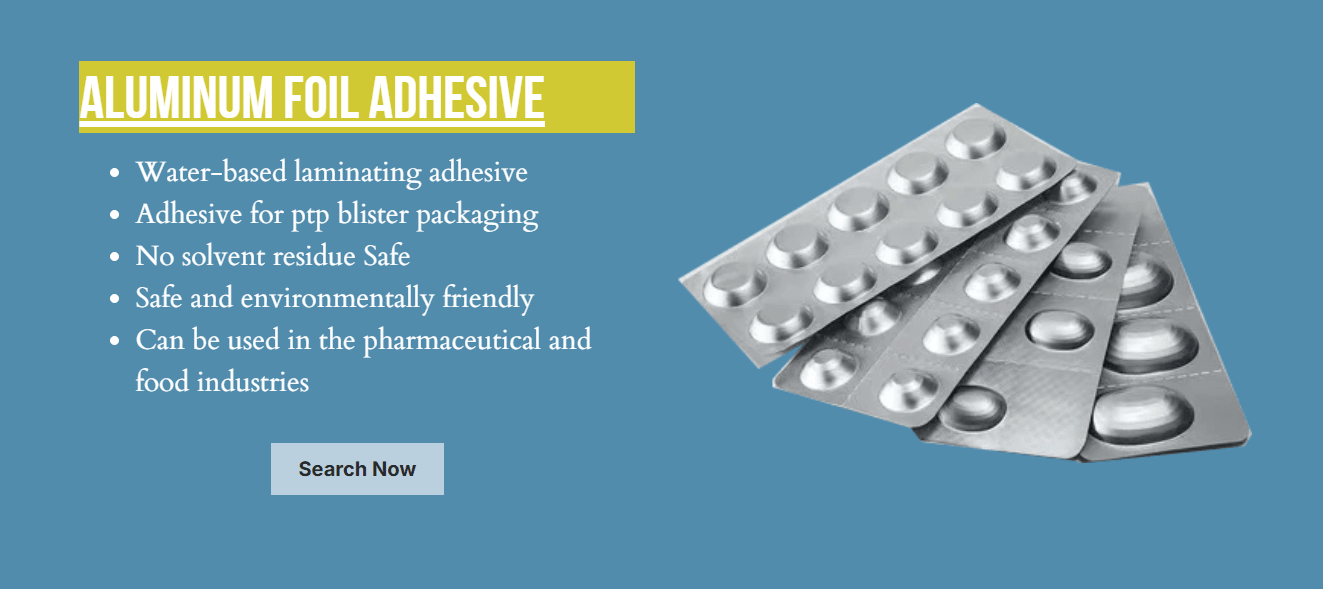
In the ever-evolving world of packaging, adhesive bonding plays a pivotal role in ensuring products are securely and attractively presented. From pharmaceuticals to consumer goods, adhesive packaging systems are integral in maintaining product integrity while enhancing shelf appeal. The right adhesives & glue not only keep items safe but also contribute to the overall efficiency of the packaging process.
The Role of Adhesive Bonding in Packaging
Adhesive bonding is the unsung hero behind many successful packaging solutions, providing strength and durability that traditional methods often lack. In adhesive packaging systems, various types of adhesives & glue work together to create a seamless bond that withstands handling and transportation challenges. This crucial element ensures that products arrive at their destination intact and ready for consumer use.
Why Blister Packaging Requires Quality Adhesives
Blister packaging, known for its visibility and protection, relies heavily on quality adhesives to maintain its structural integrity. The unique design of blister packs demands hot melt adhesive or hot glue adhesive that can withstand temperature variations while providing a robust seal. Without reliable adhesives, blister packs risk compromising product safety and user experience.
Exploring Adhesive Packaging Systems Today
As we delve into the realm of adhesive packaging systems today, it's clear that innovation is driving advancements in this field. New formulations of hot melt glue are being developed to address sustainability concerns without sacrificing performance or cost-effectiveness. By exploring these modern solutions, manufacturers can optimize their processes while meeting consumer demands for eco-friendly options.
Understanding Blister Packaging
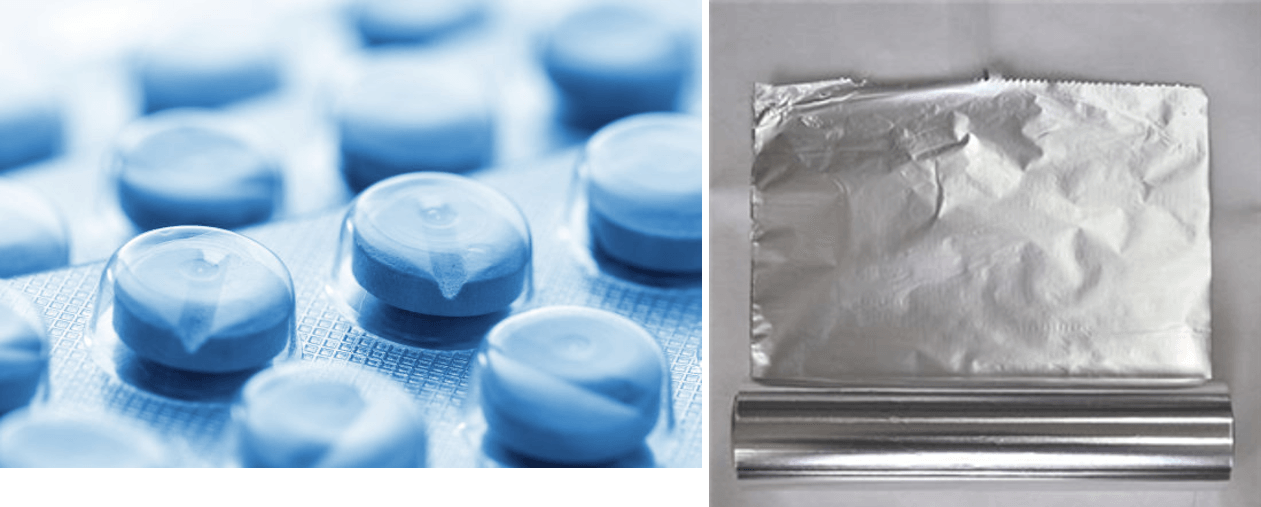
Blister packaging is a popular method for enclosing products in a protective shell, often made from plastic or aluminum, that is sealed with the help of adhesive packaging systems. This type of packaging not only enhances product visibility but also ensures safety and integrity during transit. Understanding the various types of blister packaging, their uses across industries, and the benefits they offer can help manufacturers make informed decisions about their adhesive glue choices.
Types of Blister Packaging
There are several types of blister packaging tailored to meet different product needs, including carded blisters, full blisters, and skin packs. Carded blisters typically feature a backing card that provides support and branding opportunities while displaying the product prominently through a clear plastic bubble. Full blisters offer complete enclosure for items like pills or small tools, while skin packs adhere directly to the product itself using hot melt adhesive for a snug fit that minimizes movement during shipping.
Common Uses in Various Industries
Blister packs have found their niche in a variety of industries ranging from pharmaceuticals to consumer electronics and even food packaging. In pharmaceuticals, blister packs protect medications from moisture and contamination while allowing consumers to easily access individual doses without compromising others. The electronics industry benefits from blister packaging as well; it safeguards delicate components against damage while showcasing them effectively on retail shelves.
Benefits of Using Blister Packs
The advantages of using blister packs are numerous, making them an attractive option for manufacturers seeking efficient adhesive & glue solutions. First and foremost, they provide excellent protection against environmental factors such as moisture and light that could compromise product quality. Additionally, blister packs offer convenience for consumers by allowing easy access to products without excessive waste—an important consideration when choosing hot melt glue options or other adhesives in your packaging systems.
The Science of Adhesive Bonding

Adhesive bonding is a critical component in the realm of packaging, especially when it comes to blister packs. Understanding how adhesives work in packaging can significantly enhance the effectiveness of adhesive packaging systems. By creating a strong bond between materials, adhesives ensure that products remain securely sealed while providing easy access for consumers.
How Adhesives Work in Packaging
At their core, adhesives & glue function by forming a bond between surfaces through various mechanisms such as adhesion and cohesion. When applied, the adhesive penetrates the surface of the materials being bonded, creating microscopic connections that lead to a robust hold. This is particularly important in blister packaging, where maintaining integrity during shipping and handling is paramount.
In blister packs, adhesive glue plays an essential role in ensuring that products are protected from external elements while remaining visible to consumers. The right adhesive can also enhance user experience by allowing for easy peeling or tearing without compromising product safety. Thus, understanding how these adhesive bonding processes work helps manufacturers select the most suitable adhesives for their specific needs.
Types of Adhesives for Blister Packaging
There are several types of adhesives used in blister packaging, each with its unique properties and applications. Common choices include solvent-based adhesives, water-based adhesives, and hot melt adhesives—each offering distinct advantages depending on the requirements of the product being packaged. Hot melt glue is particularly popular due to its versatility and quick setting time.
Hot melt adhesive systems are favored for their ability to bond quickly without requiring extensive drying times or curing processes. This makes them ideal for high-speed production lines where efficiency is crucial. Additionally, water-based options are gaining traction as sustainable alternatives that deliver reliable performance while minimizing environmental impact.
Advantages of Hot Melt Adhesives
Hot melt adhesives offer several advantages that make them a top choice for many manufacturers within adhesive packaging systems. One key benefit is their exceptional bonding strength; they create durable seals that withstand various stresses during transportation and storage without failing. Furthermore, hot glue adhesive formulations can be tailored to suit different materials—be it plastic or cardboard—ensuring compatibility across diverse applications.
Another significant advantage lies in their ease of application; hot melt glue can be easily dispensed using standard equipment and requires minimal setup time compared to other types of adhesives & glue. This not only speeds up production but also reduces downtime caused by equipment adjustments or waiting periods associated with curing times found with other methods like solvent-based glues.
Lastly, hot melt adhesives contribute positively to sustainability goals since many modern formulations are designed to be free from harmful solvents and VOCs (volatile organic compounds). As industries increasingly prioritize eco-friendly practices, choosing hot melt adhesive solutions aligns perfectly with those objectives while still delivering superior performance in blister packaging applications.
Selecting the Right Adhesive

Choosing the right adhesive is crucial for ensuring the effectiveness of adhesive packaging systems. The selection process involves evaluating various factors, including the materials being bonded, environmental conditions, and regulatory requirements. A well-chosen adhesive not only enhances product protection but also improves shelf appeal and user experience.
Factors to Consider for Adhesive Choice
When selecting an adhesive, consider factors such as adhesion strength, curing time, and temperature resistance. Different applications may require specific properties; for instance, some products need quick bonding while others may benefit from a slower cure to allow adjustments during assembly. Additionally, understanding whether your application demands flexibility or rigidity can guide you toward the best adhesive glue option.
Another critical factor is compatibility with the materials being used in your blister packaging. Some adhesives bond better with plastics than others; knowing your substrate helps narrow down choices effectively. Lastly, don't overlook safety and environmental considerations—many industries now prioritize eco-friendly adhesives & glue that minimize health risks and environmental impact.
Comparing Hot Glue Adhesive Options
Hot melt adhesives are a popular choice in many adhesive packaging systems due to their versatility and ease of use. These hot glue adhesives provide strong bonds across various substrates, making them ideal for blister packaging applications where durability is key. When comparing hot melt options, consider their melting point and viscosity; these characteristics can significantly influence application methods and final bond strength.
Additionally, think about how quickly you need the hot melt adhesive to set after application—some formulations offer rapid bonding while others allow for repositioning before curing fully. It's also worth noting that different brands may have unique formulations designed specifically for certain materials or conditions; therefore, testing several options can help identify which hot melt glue works best in your scenario.
Water-Based Resin as a Sustainable Choice
In today’s environmentally conscious market, water-based resin offers a compelling alternative to traditional adhesives & glue options like solvent-based formulas or standard hot melts. These sustainable adhesives are not only effective but also reduce VOC emissions during production and application processes—making them a win-win for manufacturers concerned about health regulations and eco-friendliness in their adhesive packaging systems.
Water-based resins typically exhibit excellent adhesion properties while maintaining flexibility after curing—a critical feature when dealing with blister packs that need to withstand various temperatures and handling conditions. Furthermore, opting for water-based solutions can enhance brand reputation by aligning with consumer preferences for sustainable products without sacrificing performance.
Adhesive Application Techniques

When it comes to adhesive packaging systems, the method of application can significantly influence the overall effectiveness of the bond. Different techniques may be employed depending on the type of adhesive used, such as hot melt adhesive or water-based resin. Understanding these methods not only enhances bonding strength but also improves efficiency in production.
Methods for Applying Adhesives in Packaging
There are several common methods for applying adhesives & glue in blister packaging processes. The most prevalent techniques include spray application, roller coating, and extrusion. Each method has its own set of advantages; for instance, hot glue adhesive can be quickly applied using a nozzle system that allows for precise targeting without excess waste.
In addition to these methods, automated systems have revolutionized how adhesives are applied in manufacturing settings. These systems ensure consistent coverage and reduce labor costs while maintaining high-quality standards. Whether using hot melt glue or other types of adhesives, selecting the right application technique is crucial for achieving optimal results.
Tips for Achieving Strong Bonding
To maximize the effectiveness of your adhesive packaging systems, it’s essential to follow some key tips for achieving strong bonding. First and foremost, surface preparation cannot be overlooked; ensuring that surfaces are clean and free from contaminants will significantly enhance adhesion quality. Additionally, applying the right amount of adhesive is critical—too little may lead to weak bonds while too much can create messiness and inefficiencies.
Temperature control is another vital factor when working with hot melt adhesives; maintaining an optimal temperature ensures proper melting and flow characteristics during application. Furthermore, allowing adequate curing time before handling packages will help solidify bonds effectively. By adhering to these guidelines, you’ll find that your use of adhesives & glue yields stronger results every time.
Best Practices for Blister Packaging Efficiency
Efficiency in blister packaging hinges on implementing best practices when utilizing hot glue adhesive and other types of adhesives in production lines. One effective strategy is to streamline workflow by organizing workstations systematically—this reduces unnecessary movements and speeds up production times without compromising quality standards.
Another best practice involves regular maintenance checks on equipment used for applying adhesives; keeping machines well-calibrated ensures consistent performance across batches. Finally, training staff on proper application techniques can drastically improve output quality while minimizing errors related to improper usage of hot melt glue or other adhesives.
By following these best practices within your adhesive packaging systems framework, you can enhance both productivity and product integrity while staying ahead in a competitive market.
Challenges in Adhesive Bonding

Adhesive bonding is a critical component of adhesive packaging systems, but it doesn't come without its fair share of challenges. From improper application to environmental factors, issues can arise that compromise the integrity of the bond. Understanding these challenges is key to ensuring the effectiveness of adhesives & glue in blister packaging.
Common Issues with Adhesive Performance
One of the most common issues with adhesive performance is insufficient adhesion, often caused by surface contamination or inadequate surface preparation. When using hot melt adhesives, for instance, if the substrate isn't clean or properly primed, you might find yourself with a lackluster bond that just won't hold up. Additionally, temperature fluctuations can affect hot glue adhesive performance; extreme heat or cold can alter viscosity and bonding strength.
Another prevalent problem involves adhesive cure time; if an adhesive hasn’t fully cured before being subjected to stress, it may fail prematurely. This is particularly true for water-based adhesives where moisture content can impact drying times and overall effectiveness. Lastly, compatibility between different materials used in blister packaging can lead to poor adhesion; not all adhesives are suitable for every substrate.
Troubleshooting Bonding Failures
When faced with bonding failures in your adhesive packaging systems, it's essential to conduct a thorough investigation to identify the root cause. Start by examining the surfaces involved—are they clean and free from contaminants? If not, proper cleaning methods should be employed prior to reapplication of your chosen adhesive glue.
Another common troubleshooting step involves checking application techniques; ensure that you're applying enough pressure and using the right temperature settings for your hot melt glue or hot glue adhesive. If you notice recurring issues despite following best practices, consider experimenting with different types of adhesives & glue that might be better suited for your specific materials and conditions.
Finally, don't overlook environmental factors such as humidity and temperature during storage and application phases; these elements play a significant role in how well your adhesives perform over time. Adjusting storage conditions or selecting more resilient products could mitigate many potential failures down the line.
Innovations in Adhesive Technologies
The world of adhesive technologies is rapidly evolving, bringing forth innovative solutions that address many traditional challenges faced in adhesive bonding processes. For instance, advancements in hot melt adhesives have led to formulations that offer better thermal stability and faster curing times without sacrificing bond strength—ideal for high-speed production lines often found in blister packaging environments.
Moreover, new eco-friendly options like water-based resins are gaining traction due to their sustainability benefits while still providing superior adhesion qualities compared to conventional options. These innovations not only enhance performance but also align with growing consumer demand for environmentally responsible products within adhesive packaging systems.
Lastly, smart adhesives equipped with sensors are on the horizon—these could provide real-time feedback on bond integrity during production processes! Such advancements would revolutionize how manufacturers approach quality control while ensuring optimal performance throughout the lifecycle of their products.
Conclusion
As we wrap up our exploration of adhesive packaging systems, it's clear that the landscape is continually evolving. With advancements in technology and an increasing emphasis on sustainability, the future of adhesive glue in packaging looks promising. Manufacturers are now more than ever focused on creating solutions that not only meet performance standards but also cater to environmental concerns.
Future Trends in Adhesive Packaging Systems
Looking ahead, we can expect to see a surge in the development of innovative adhesives & glue tailored for specific applications within blister packaging. The shift towards eco-friendly options will likely drive research into bio-based adhesives and formulations that minimize waste and enhance recyclability. Additionally, automation in adhesive application processes will become commonplace, enhancing precision and efficiency while reducing labor costs.
Maximizing Efficiency with Quality Adhesives
To maximize efficiency within adhesive packaging systems, companies must prioritize the selection of high-performance hot melt adhesive products that offer strong bonding capabilities while streamlining production timelines. Using quality hot glue adhesive can significantly reduce downtime due to bonding failures or slow curing times, ultimately improving throughput. By investing in superior adhesives & glue solutions, businesses can achieve a competitive edge through enhanced product integrity and customer satisfaction.
The Importance of Sustainable Adhesives Like Chemix's Water-Based Resin Solution
Sustainability is no longer just a buzzword; it’s a necessity for modern manufacturing practices, especially when it comes to adhesives & glue used in blister packs. Chemix's water-based resin solution exemplifies this trend by providing an eco-friendly alternative without compromising on performance or safety standards. By embracing sustainable adhesive options like these, companies not only contribute positively to the environment but also resonate with increasingly eco-conscious consumers who value responsible production practices.