
Introduction
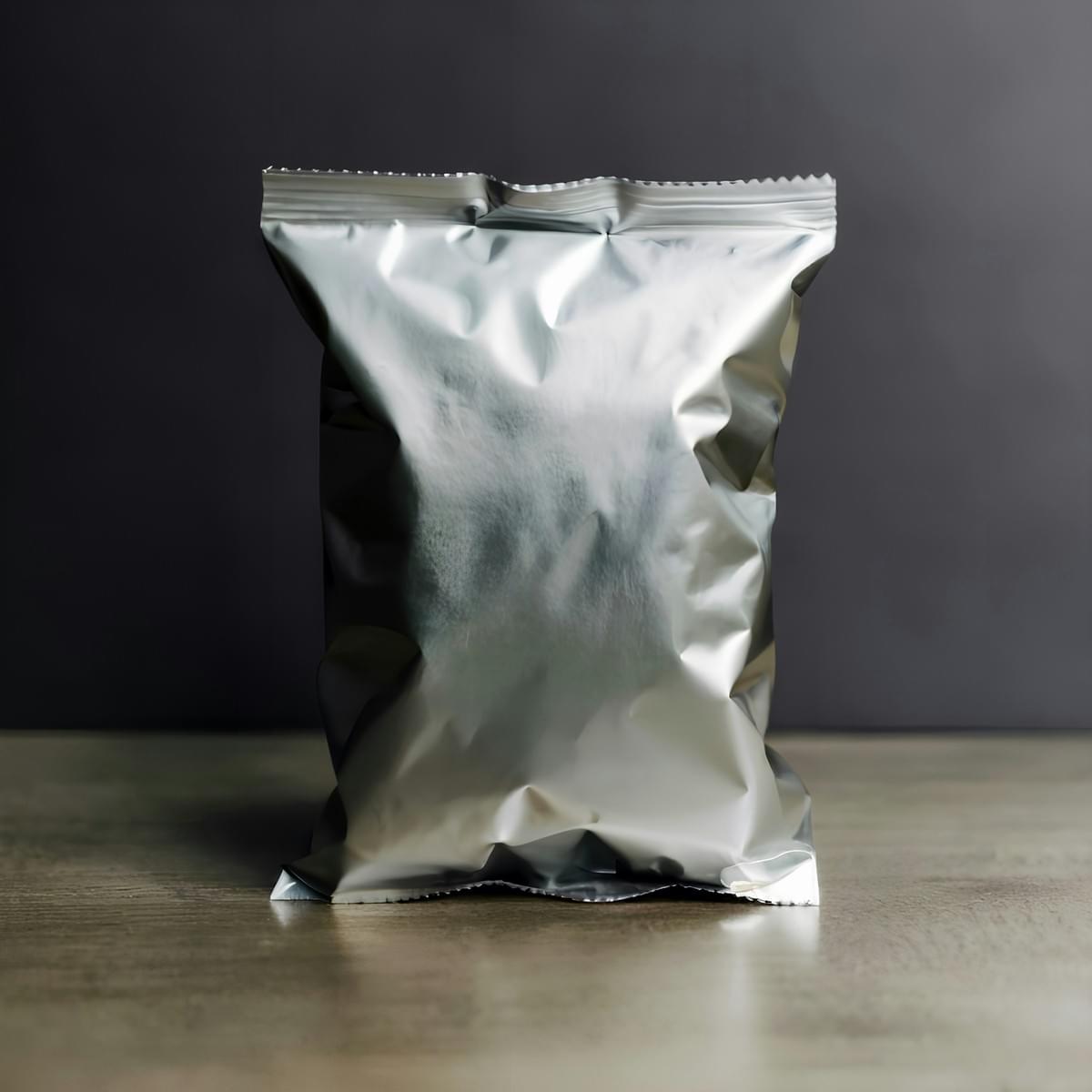
In the world of packaging, hot melt pressure sensitive adhesives play a pivotal role in ensuring products remain securely sealed while maintaining their integrity. These versatile adhesives, often referred to as hot glue or hot melt adhesive, are formulated to provide strong bonds without the need for additional curing time. Understanding their functionality and benefits is essential for industries that rely on efficient packaging solutions.
Understanding Hot Melt Pressure Sensitive Adhesives
Hot melt pressure sensitive adhesives are thermoplastic materials that bond upon application of heat and pressure. Composed of various polymers and additives, these adhesives offer a unique combination of flexibility and strength, making them ideal for diverse applications. As a type of pressure adhesive, they can adhere to surfaces without requiring solvents or water, streamlining the bonding process.
The Role of Adhesives in Boilable Pouches
Adhesives are crucial in the production of boilable pouches, which are widely used in the food industry for packaging ready-to-eat meals and other perishable items. Hot melt pressure sensitive adhesive ensures that these pouches remain intact during cooking processes like boiling or steaming. This reliability not only preserves food quality but also enhances consumer safety by preventing leaks and contamination.
Key Benefits of Hot Melt Pressure Sensitive Adhesive
One of the standout advantages of using hot melt glue is its exceptional heat resistance and durability under various conditions. Additionally, these adhesives comply with stringent food safety regulations, ensuring they are safe for direct contact with consumables. Moreover, hot melt adhesives offer cost-effectiveness by reducing production time and minimizing waste during the packaging process.
What is Hot Melt Pressure Sensitive Adhesive?
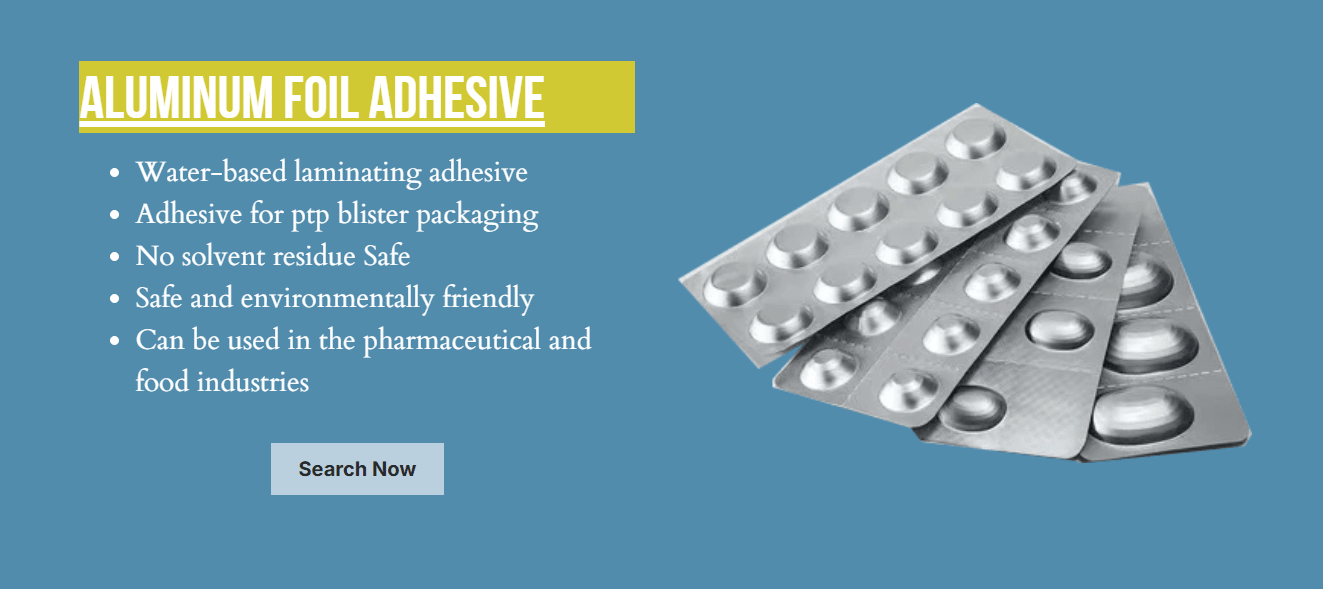
Hot melt pressure sensitive adhesive (PSA) is a unique type of adhesive that bonds instantly upon contact with a surface, making it an essential component in various applications. Unlike traditional adhesives, hot melt glue remains flexible and tacky at room temperature, allowing for easy application and strong adhesion without the need for curing or drying time. This characteristic makes hot melt adhesives particularly popular in industries like packaging, where efficiency and reliability are paramount.
Definition and Composition
Hot melt pressure sensitive adhesive is composed primarily of thermoplastic polymers, which provide the necessary flexibility and strength for effective bonding. These adhesives often include additives such as tackifiers, plasticizers, and stabilizers to enhance their performance characteristics. The result is a versatile adhesive glue that can withstand varying temperatures while maintaining its integrity—perfect for products like boilable pouches.
Types of Hot Melt Adhesives
There are several types of hot melt adhesives tailored to meet specific needs within different applications. For instance, some hot melt glues are formulated for high-temperature resistance, while others focus on low-temperature flexibility or quick-setting properties.
Applications in the Food Industry
In the food industry, hot melt pressure sensitive adhesives play a crucial role in ensuring product safety and quality during packaging processes. They are commonly used in sealing boilable pouches, providing reliable barriers against moisture and contaminants while maintaining freshness. Additionally, these adhesives comply with food safety regulations, making them an ideal choice for manufacturers looking to deliver safe and high-quality food products to consumers.
Advantages of Hot Melt Adhesives for Boilable Pouches

When it comes to packaging solutions, hot melt pressure sensitive adhesives shine brightly, especially in boilable pouches. These adhesives offer a remarkable combination of heat resistance, safety compliance, and cost-effectiveness that makes them a go-to choice for food packaging. Let’s dive deeper into these advantages and see why hot melt glue is the adhesive glue of choice in this arena.
Heat Resistance and Durability
One of the standout features of hot melt adhesives is their impressive heat resistance. When used in boilable pouches, these hot melt pressure sensitive adhesives can withstand high temperatures without losing their bonding strength or integrity. This durability ensures that the packaging remains intact during boiling processes, preventing leaks and preserving food quality—essential factors for any food manufacturer aiming to deliver safe products.
Moreover, the durability of hot melt adhesives means they can handle various environmental conditions without degrading over time. Unlike traditional pressure sensitive adhesives that might weaken under heat or moisture, hot melt glue maintains its performance across a range of temperatures and humidity levels. This resilience not only enhances product shelf life but also reduces the risk of package failure during transportation or storage.
Safety and Compliance with Food Regulations
Safety is paramount in food packaging, making compliance with stringent regulations essential for manufacturers. Hot melt pressure sensitive adhesive formulations are designed specifically to meet food safety standards set by organizations like the FDA and EFSA. By using these compliant adhesives, companies can ensure that their boilable pouches do not contaminate food products while maintaining structural integrity.
Furthermore, many hot melt adhesives are free from harmful solvents or chemicals often found in traditional adhesive formulations. This aspect not only enhances consumer safety but also aligns with growing environmental concerns surrounding packaging materials. The use of safe adhesive glue fosters consumer trust while allowing brands to market their products confidently.
Cost-Effectiveness in Packaging
Cost efficiency is always a consideration when selecting materials for production processes; here again, hot melt adhesives excel as a practical solution for boilable pouches. The application process for these pressure-sensitive adhesives typically requires less material than traditional alternatives due to their superior bonding capabilities—meaning manufacturers save on raw material costs while achieving better results.
Additionally, because hot melt adhesive cures quickly upon cooling, production lines experience less downtime during assembly processes compared to other types of glues that may require longer setting times or additional curing stages. This efficiency translates into faster turnaround times and increased output—benefits that are particularly valuable in today’s fast-paced market environment where timing is everything.
In summary, the advantages offered by hot melt pressure sensitive adhesives make them an ideal choice for boilable pouch applications within the food industry—combining heat resistance and durability with stringent safety standards while remaining cost-effective throughout production cycles.
How Hot Melt Pressure Sensitive Adhesive Works
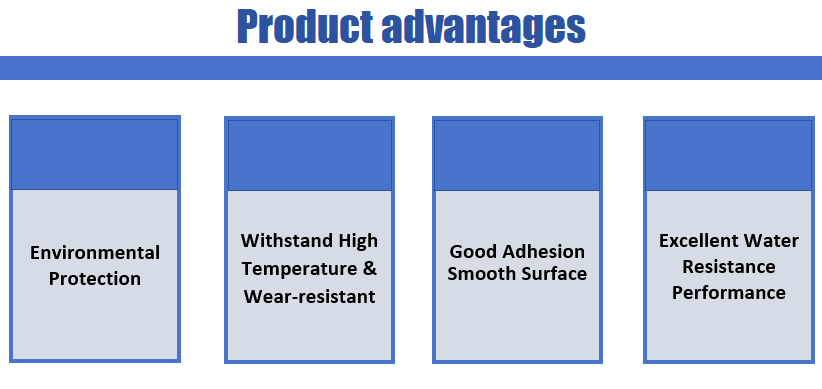
Understanding how hot melt pressure sensitive adhesive functions is crucial for appreciating its application in various industries, particularly in packaging. This section delves into the bonding mechanism, the curing and setting process, and compares hot melt adhesives with traditional adhesive options. By grasping these concepts, one can better understand why hot melt glue has become a go-to choice for many manufacturers.
Bonding Mechanism Explained
The bonding mechanism of hot melt pressure sensitive adhesive is quite fascinating and relies on a combination of physical and chemical processes. When heat is applied to hot glue, it melts into a viscous liquid that can easily spread across surfaces. Once the adhesive cools down upon application, it solidifies, creating a strong bond that adheres firmly to both substrates without requiring additional curing time.
This unique bonding capability allows pressure sensitive adhesives to maintain flexibility while providing excellent adhesion under various conditions. As the adhesive sets, it forms a cohesive bond that resists peeling or lifting even when subjected to stress or temperature fluctuations. The versatility of this bonding mechanism makes hot melt adhesives ideal for applications such as boilable pouches where durability is paramount.
Curing and Setting Process
The curing and setting process of hot melt adhesives differs significantly from traditional adhesives that rely on solvents or moisture for activation. In the case of hot melt pressure sensitive adhesive, once applied and cooled, it achieves its full strength almost instantaneously without any waiting period for evaporation or drying. This rapid setting time enhances production efficiency in manufacturing environments where time is critical.
Moreover, the absence of solvents in hot melt glue ensures that there are no volatile organic compounds (VOCs) released during the curing process, making them safer for both workers and consumers alike. The quick cure also means less risk of contamination during food packaging processes since there’s minimal exposure to external elements before sealing.
Comparison with Traditional Adhesives
When comparing hot melt pressure sensitive adhesives to traditional options like water-based or solvent-based adhesives, several advantages stand out prominently. Traditional adhesives often require longer drying times and may not provide the same level of immediate bond strength as their hot melt counterparts do upon cooling down after application. Additionally, many conventional adhesives can be affected by environmental factors such as humidity or temperature changes more dramatically than hot melt glues.
Another significant difference lies in their composition; while traditional adhesives might contain harmful solvents that pose health risks during production or use, hot melt pressure sensitive adhesive formulations are generally safer due to their low VOC content. This makes them increasingly popular among manufacturers looking to comply with stringent safety regulations while still achieving high-performance standards in their packaging solutions.
The Importance of Adhesive Glue in Packaging
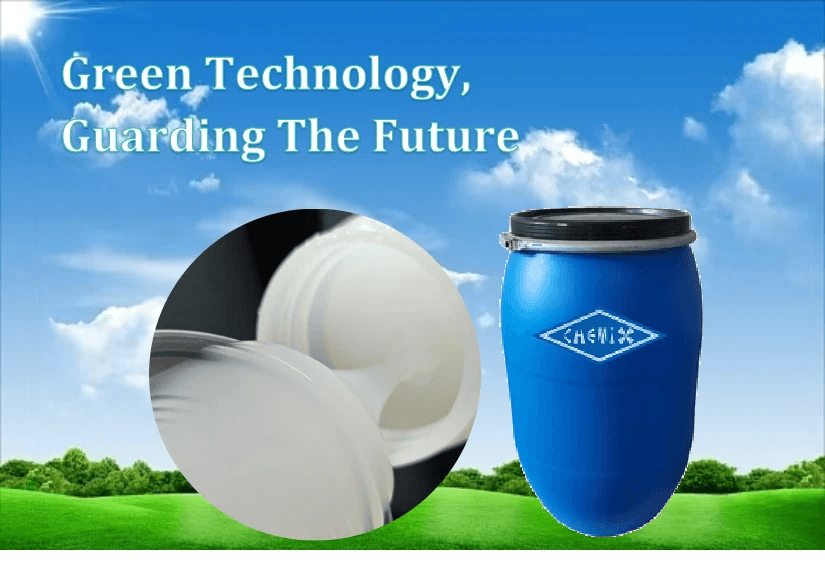
When it comes to packaging, adhesive glue plays a pivotal role that often goes unnoticed. The right adhesive can make or break the integrity of a package, especially for products like boilable pouches. Hot melt pressure sensitive adhesives are particularly valued for their versatility and reliability in ensuring that packages remain sealed during cooking and storage.
Selection Criteria for Adhesive Glue
Selecting the right adhesive glue involves considering several critical factors, especially when dealing with hot melt adhesives. First and foremost, one must assess the specific application needs—whether it's heat resistance, flexibility, or moisture barrier properties that are required. Additionally, compliance with food safety regulations is non-negotiable; any pressure sensitive adhesive used in food packaging must meet stringent health standards.
Another key criterion is adhesion performance under various conditions; hot melt pressure sensitive adhesives should maintain their bond even when exposed to extreme temperatures or boiling water. Cost-effectiveness also plays a significant role; manufacturers often look for hot glue solutions that provide excellent performance without breaking the bank. Lastly, ease of application cannot be overlooked; an efficient hot melt adhesive should facilitate quick bonding processes to keep up with production demands.
Performance Metrics for Boilable Pouches
Performance metrics are essential when evaluating how well a hot melt adhesive performs in boilable pouches. One critical metric is bond strength; the adhesive must withstand high temperatures without losing its grip on the pouch material during cooking processes. Another important factor is thermal stability—hot melt adhesives need to maintain their integrity when subjected to boiling water while ensuring that they do not leach harmful substances into food.
Additionally, peel strength is vital; this measures how easily a seal can be opened after cooking without compromising the contents inside the pouch. Moisture resistance also plays a significant role since exposure to steam can weaken some types of pressure sensitive adhesives over time. By focusing on these performance metrics, manufacturers can ensure that their boilable pouches remain safe and effective throughout their shelf life.
Innovations in Adhesive Technologies
The landscape of adhesive technologies is constantly evolving, driven by innovations aimed at enhancing functionality and sustainability in packaging solutions. Recent advancements have led to the development of smart hot melt pressure sensitive adhesives designed to adapt based on temperature changes during cooking processes—ensuring optimal sealing every time! These innovations not only improve user experience but also increase efficiency in production lines.
Moreover, eco-friendly formulations are becoming more prevalent as companies seek sustainable alternatives without sacrificing performance; water-based resins integrated with traditional hot melt glues offer promising results while reducing environmental impact significantly. The rise of bio-based materials has also introduced new avenues for creating effective pressure adhesives that align with consumer demand for greener products.
In summary, understanding the importance of adhesive glue in packaging—especially through selection criteria and performance metrics—is crucial for manufacturers aiming to deliver quality products like boilable pouches while embracing innovative technologies for future growth.
Incorporating Chemix's Water-Based Resin Solution

In the evolving landscape of adhesive technology, Chemix's water-based resin solution offers a refreshing alternative to traditional hot melt pressure sensitive adhesives. This innovative approach not only enhances the performance of packaging solutions, particularly boilable pouches, but also aligns with modern sustainability goals. By integrating water-based resins into hot melt adhesives, manufacturers can achieve superior bonding while minimizing environmental impact.
Benefits of Using Water-Based Resin
One of the standout benefits of using water-based resin in conjunction with hot melt pressure sensitive adhesive is its enhanced flexibility and adhesion properties. Unlike conventional hot glue that may become brittle over time, these resins maintain their elasticity, ensuring a durable bond even under varying temperature conditions. Additionally, the use of water-based solutions can lead to faster curing times and improved production efficiency, making them an attractive option for manufacturers looking to optimize their processes.
Another significant advantage is the reduced VOC (volatile organic compounds) emissions associated with water-based resins compared to solvent-based alternatives. This reduction not only contributes to a healthier working environment but also helps companies comply with stringent environmental regulations. In essence, by incorporating water-based resin into their formulations, businesses can enjoy high-performance adhesive glue without compromising on safety or sustainability.
Environmental Impact and Safety
The environmental impact of packaging materials has never been more critical as consumers increasingly demand eco-friendly options. Chemix's water-based resin solution stands out by significantly lowering harmful emissions during production and application processes when compared to traditional hot melt adhesives. This commitment to sustainability aligns perfectly with contemporary market trends that favor products designed with both performance and ecological responsibility in mind.
Furthermore, safety is paramount in food packaging applications where compliance with health regulations is non-negotiable. Water-based resins are generally safer for both workers handling them and consumers using products packaged with these adhesives since they are less likely to contain harmful chemicals found in some conventional pressure sensitive adhesives. Thus, choosing a water-based solution not only fulfills regulatory requirements but also fosters trust among consumers who prioritize safe food handling practices.
Compatibility with Hot Melt Adhesives
When it comes to combining technologies in adhesive formulations, compatibility is key—and Chemix’s water-based resin excels here too! These resins are specifically designed to work seamlessly alongside existing hot melt adhesives without compromising performance or bond strength. The synergy between hot melt glue and water-based components allows for versatile applications across various packaging types while ensuring that the end product meets rigorous quality standards.
Moreover, this compatibility extends beyond just functionality; it enables manufacturers to innovate without starting from scratch or overhauling their entire production line. By integrating Chemix's solution into existing systems that utilize pressure adhesive technologies like hot melt adhesives, companies can enhance product offerings while retaining cost-effectiveness—a win-win situation! As industries continue seeking smarter solutions for packaging challenges, this combination will undoubtedly play a pivotal role in shaping future developments within the sector.
Conclusion
In the dynamic world of packaging, hot melt pressure sensitive adhesives are paving the way for innovative solutions that enhance both functionality and sustainability. As consumer demands evolve, the versatility of hot glue in various applications, particularly in food packaging like boilable pouches, becomes increasingly vital. The future promises even more advancements in adhesive technologies that will redefine industry standards.
The Future of Hot Melt Adhesives in Packaging
The future of hot melt adhesives is bright, with continuous innovations driving their development and application across various sectors. As manufacturers seek more efficient and reliable bonding solutions, pressure sensitive adhesives will play a crucial role in enhancing product integrity and shelf life. Expect to see an increase in smart adhesives that not only bond but also provide additional functionalities such as tamper evidence or freshness indicators.
Sustainable Solutions with Water-Based Resins
Sustainability is no longer just a buzzword; it’s a necessity in today’s packaging landscape. Incorporating water-based resin solutions into hot melt adhesive formulations can significantly reduce environmental impact while maintaining performance standards. These innovative approaches not only address ecological concerns but also comply with stringent food safety regulations, ensuring that consumers receive safe and responsibly packaged products.
Choosing the Right Pressure Sensitive Adhesive
Selecting the right pressure sensitive adhesive is crucial for achieving optimal performance in any packaging application. Factors such as heat resistance, compliance with food safety standards, and cost-effectiveness must be carefully evaluated when choosing your adhesive glue. By understanding these criteria and leveraging the benefits of hot melt adhesives, manufacturers can ensure their products meet market demands while maintaining quality and efficiency.