
Introduction

In today's fast-paced industrial landscape, the need for high-temperature resistance in adhesives is more critical than ever. Whether it’s in automotive manufacturing or food packaging, the ability of an adhesive to withstand extreme heat can determine the integrity and longevity of a product. This is where hot melt adhesives shine, offering reliability and versatility that meet modern demands.
The Importance of High Temperature Resistance
High temperature resistance is crucial for various applications, particularly in industries where products are exposed to heat during processing or end-use. Adhesives that can endure elevated temperatures without losing their bond strength are essential for maintaining product quality and safety. For instance, using a robust hot melt pressure sensitive adhesive ensures that packaging remains intact even when subjected to thermal stress.
Understanding Hot Melt Adhesives
Hot melt adhesives are thermoplastic materials that become liquid upon heating and solidify upon cooling, forming strong bonds quickly and efficiently. These industrial adhesive glues are favored for their fast setting times and ease of application, making them ideal for high-speed production environments. With various formulations available, hot melt adhesives can be tailored to meet specific requirements, including those demanding high temperature resistance.
Applications in Packaging Industry
The packaging industry extensively utilizes hot melt adhesives due to their exceptional bonding capabilities across diverse materials like plastic, paperboard, and metal. From carton sealing to label application, these adhesives play a pivotal role in ensuring products remain secure during shipping and storage. Furthermore, pressure sensitive adhesive glue is often used in labels and tapes within this sector, providing convenience while maintaining performance under varying temperatures.
Hot Melt Adhesives Explained
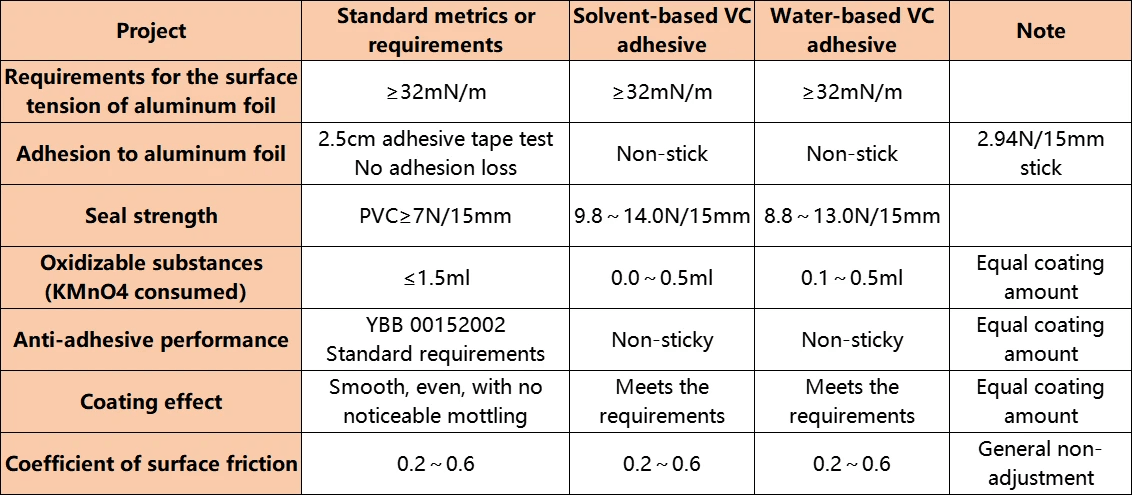
Hot melt adhesives are a fascinating category of industrial adhesive glue that have revolutionized the way products are bonded in various sectors, particularly in packaging. Unlike traditional adhesives that rely on solvents, hot melt adhesives are thermoplastic materials that become liquid when heated and solidify upon cooling. This unique property allows for quick application and strong adhesion, making them indispensable in high-speed manufacturing environments.
What Are Hot Melt Adhesives?
At their core, hot melt adhesives (HMAs) are synthetic polymers that offer a robust solution for bonding different materials together. They can be applied using various methods, including extrusion, spraying, or dipping, which provides versatility across numerous applications. The ability to create strong bonds without the need for curing time is what sets these industrial adhesive glues apart from other types of adhesives.
Types of Hot Melt Adhesives
There’s a smorgasbord of hot melt adhesive types available today, each tailored to meet specific needs within the packaging industry and beyond. For instance, EVA (Ethylene Vinyl Acetate) is popular due to its flexibility and excellent adhesion properties; it’s often used in pressure sensitive adhesive glue formulations. On the other hand, polyolefin-based HMAs offer superior heat resistance and are ideal for applications requiring durability under extreme conditions.
Benefits for High-Temperature Applications
They maintain their bond strength even when exposed to elevated temperatures—something that traditional adhesives often struggle with. Additionally, these HMAs exhibit excellent moisture resistance and chemical stability, making them perfect candidates for demanding environments where reliability is key.
Pressure Sensitive Adhesive Glue
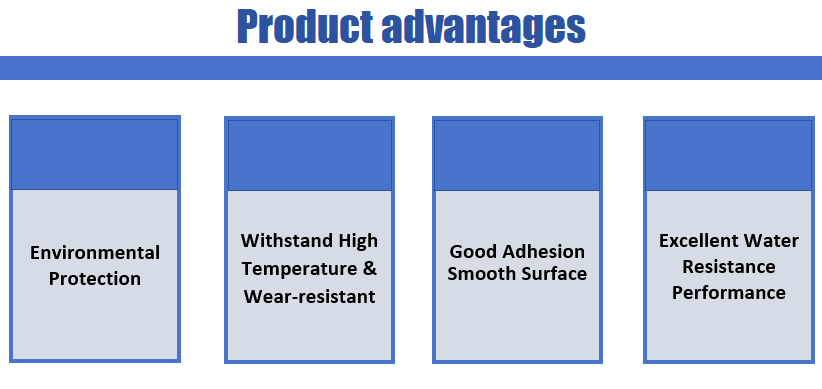
Definition and Characteristics
Pressure sensitive adhesive glue is a type of industrial adhesive glue that forms a bond when pressed against a surface without the need for additional heat or curing agents. This instant adhesion is one of its most appealing features, enabling quick and efficient bonding processes across multiple substrates. Additionally, PSAs are designed to maintain their tackiness over time, providing reliable performance even under varying environmental conditions.
The composition of hot melt pressure sensitive adhesive typically includes polymers that provide elasticity and durability while ensuring flexibility in application. These adhesives can be formulated to suit specific requirements such as temperature resistance and peel strength, making them ideal for diverse packaging needs. Whether you're sealing boxes or labeling products, these adhesives offer consistent performance that meets industry standards.
Applications in Packaging
The applications of pressure sensitive adhesive glue in the packaging industry are vast and varied. From labels on consumer products to securing boxes during transit, PSAs play a critical role in ensuring products remain intact throughout their journey from manufacturer to consumer. Their ability to adhere well to different surfaces—such as plastic films, paperboard, and metals—makes them an essential choice for manufacturers looking for efficiency and reliability.
In addition to traditional packaging uses, hot melt pressure sensitive adhesives are increasingly being utilized in innovative ways like tamper-evident seals and product displays. These applications leverage the quick bonding capabilities of PSAs while enhancing product security and visibility on retail shelves. As industries continue to evolve towards automation and faster production lines, the demand for effective industrial adhesive glue solutions like PSAs will only grow.
Advantages Over Traditional Adhesives
One major advantage of using pressure sensitive adhesive glue over traditional adhesives is the ease of use they offer; no mixing or curing time means quicker production cycles! Manufacturers can apply PSA directly onto surfaces with minimal setup time compared to heat-activated options like hot-melt adhesives which may require specialized equipment for application. This efficiency translates into cost savings as companies can streamline their operations without sacrificing quality.
Moreover, hot melt pressure sensitive adhesives exhibit excellent performance under varying temperature conditions—a crucial factor in many packaging scenarios where thermal fluctuations occur during transportation or storage. They also provide strong initial tack while allowing for repositionability if adjustments are needed after application—a feature not typically found with traditional glues that bond permanently upon drying or curing.
Lastly, the versatility of PSAs extends beyond mere functionality; they come in eco-friendly formulations that align with modern sustainability goals within industries focused on reducing their environmental impact. By choosing pressure sensitive adhesive solutions tailored towards high-temperature applications without compromising performance or safety standards, companies can embrace both innovation and responsibility in their packaging practices.
Choosing the Right Industrial Adhesive Glue
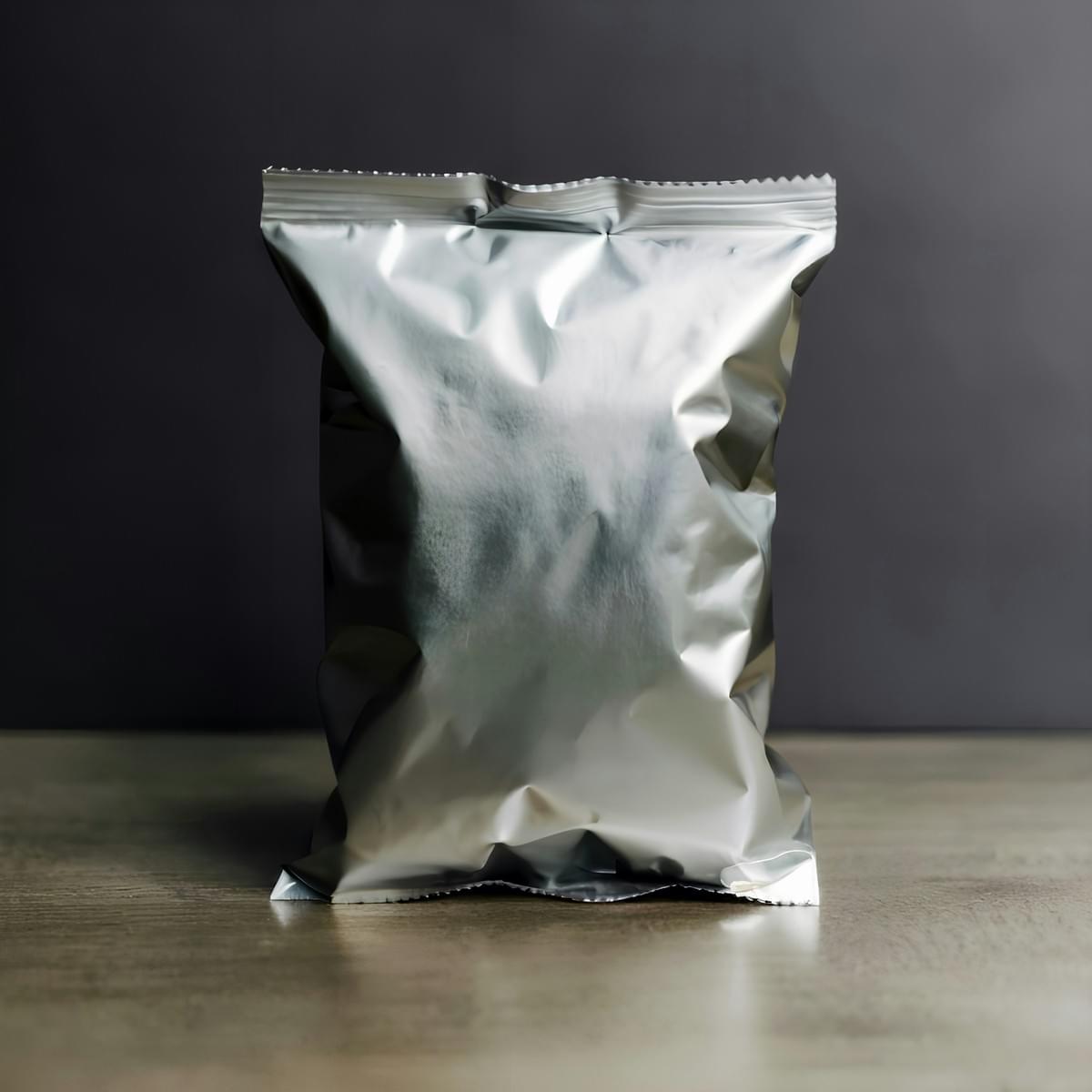
A thoughtful approach is essential because the right adhesive can make or break your packaging efficiency and product integrity. Factors such as temperature resistance, bond strength, application method, and environmental conditions all play pivotal roles in determining which adhesive will suit your needs.
Factors to Consider
First off, consider the specific requirements of your application. Are you dealing with high-temperature environments? If so, a hot melt pressure sensitive adhesive may be your best bet due to its excellent thermal stability. Additionally, think about the materials you’re bonding; some pressure sensitive adhesive glues work better with plastics while others excel with paper or metal substrates.
Next up is the curing time—how quickly do you need those packages sealed? Hot-melt adhesives typically offer rapid setting times but may require specific temperatures for optimal performance. Finally, don't overlook environmental factors; if your products will be exposed to moisture or chemicals, ensure that your chosen industrial adhesive glue can withstand those conditions without degrading.
Leading Brands and Products
In the world of adhesives, certain brands stand out like shining stars in a night sky filled with options. 3M is often hailed as a titan in this arena, offering an array of pressure sensitive adhesive glues designed for various applications including packaging solutions that require durability under stress. Another noteworthy contender is Henkel’s Loctite line which features hot melt adhesives known for their robust performance in demanding environments.
If eco-friendliness is on your checklist (and it should be), Chemix offers innovative water-based resin solutions that cater to sustainable practices without compromising on performance metrics. Always remember to check reviews and industry feedback on these products; real-world applications often reveal insights that product specs alone cannot convey.
Case Studies of Successful Applications
Let’s dive into some real-life scenarios where choosing the right industrial adhesive glue made all the difference! A food packaging company faced challenges with their sealing process under high temperatures; they switched to a hot melt pressure sensitive adhesive which not only improved their seal integrity but also reduced production downtime significantly—talk about a win-win!
In another case study, an electronics manufacturer struggled with components detaching during shipping due to inadequate bonding agents used in their packaging design. After switching to a specialized pressure sensitive adhesive glue designed for electronic components, they saw an impressive reduction in returns caused by damage—a clear testament to how vital proper adhesion is in maintaining product quality during transit.
These examples illustrate just how crucial it is to choose wisely when it comes to industrial adhesives; after all, nobody wants their products falling apart before they even reach customers!
Hot Melt Pressure Sensitive Adhesive Details
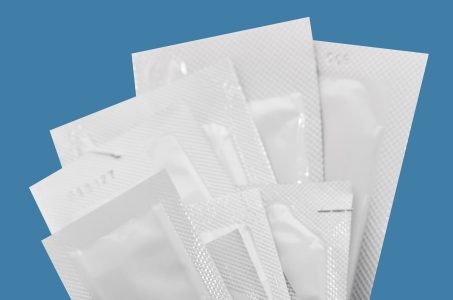
Hot melt pressure sensitive adhesives (PSAs) are a fascinating blend of chemistry and practicality, designed to tackle the challenges of modern packaging. These industrial adhesive glues are formulated to provide excellent adhesion without the need for heat activation, making them incredibly versatile. Their unique composition allows them to bond quickly and efficiently, which is crucial in high-speed production environments.
Composition and Properties
The composition of hot melt pressure sensitive adhesive glue typically includes a combination of polymers, tackifiers, and additives that enhance performance characteristics. These components work together to create an adhesive that remains flexible while providing strong initial tack and long-term adhesion. The properties of these adhesives can vary widely based on their formulation, allowing them to cater to specific application needs in the packaging industry.
One key property of hot melt PSAs is their ability to maintain adhesion under various environmental conditions, including humidity and temperature fluctuations. This makes them ideal for use in demanding applications where traditional adhesives might fail. When it comes to industrial adhesive glue options, hot melt PSAs stand out due to their ease of use and quick bonding capabilities.
Performance Under High Temperatures
When evaluating hot melt pressure sensitive adhesives for high-temperature applications, performance metrics become critical. These adhesives are designed to withstand elevated temperatures without losing their adhesive properties or structural integrity. This characteristic is particularly important in industries where products may be exposed to heat during storage or transportation.
Testing has shown that many hot melt PSAs can maintain bond strength even at temperatures exceeding 100°C (212°F), making them suitable for a variety of high-temperature packaging needs. Their resilience under heat helps prevent issues such as delamination or failure at critical points in the supply chain. Thus, choosing the right industrial adhesive glue with high-temperature resistance ensures product safety and quality throughout its lifecycle.
Comparison with Other Adhesives
When comparing hot melt pressure sensitive adhesives with other types of adhesives like solvent-based or water-based options, several factors come into play that highlight their advantages. For instance, unlike solvent-based adhesives that may require extended drying times and can emit volatile organic compounds (VOCs), hot melts offer immediate bonding capabilities without harmful emissions—an essential consideration for eco-conscious manufacturers.
Moreover, while water-based adhesives may struggle with moisture resistance at elevated temperatures, hot melt PSAs excel by maintaining their effectiveness even when subjected to challenging conditions. This comparison illustrates why many industries prefer using pressure sensitive adhesive glue over alternatives when seeking reliable solutions for packaging challenges.
In summary, understanding the details surrounding hot melt pressure sensitive adhesive glue enhances decision-making when selecting an appropriate industrial adhesive glue for your specific needs.
Chemix's Water-Based Resin Solution
In the evolving landscape of adhesives, Chemix's water-based resin solution stands out as a beacon of eco-friendliness and efficiency. These innovative formulations offer an alternative to traditional hot-melt adhesives, catering to industries seeking sustainable options without compromising performance. As businesses increasingly prioritize environmental responsibility, water-based resins are becoming a go-to choice for various applications, including high-temperature packaging.
Eco-Friendly Alternatives in Adhesives
Water-based resins represent a significant step towards sustainability in the adhesive industry. Unlike conventional hot-melt adhesive options that may contain harmful solvents, these eco-friendly alternatives minimize volatile organic compounds (VOCs), making them safer for both users and the environment. By opting for pressure sensitive adhesive glue derived from water-based formulations, companies can reduce their ecological footprint while still achieving strong bonding capabilities.
The appeal of these alternatives extends beyond environmental benefits; they also provide versatility in application. Water-based resins can be formulated to meet specific requirements across various industrial settings, such as packaging and manufacturing processes. This adaptability ensures that businesses can find suitable solutions without sacrificing performance or reliability.
Performance Metrics of Water-Based Resins
When it comes to performance metrics, Chemix's water-based resin solutions don't disappoint. These industrial adhesive glues exhibit excellent adhesion properties that rival traditional hot melt pressure sensitive adhesives under many conditions. They maintain strong bonding strength even when exposed to varying temperatures and humidity levels, making them ideal for diverse applications.
Moreover, the drying time of water-based resins is competitive with other adhesives on the market. This quick setting time allows for efficient production processes while ensuring that products remain securely bonded during transportation and storage. Additionally, these adhesives offer impressive flexibility and durability over time, further enhancing their suitability for high-temperature environments.
Ideal Uses in High-Temperature Packaging
High-temperature packaging presents unique challenges that require specialized adhesive solutions—enter Chemix's water-based resin! These products are particularly effective in scenarios where heat resistance is paramount without compromising on bond integrity or safety standards. Industries such as food packaging and electronics benefit significantly from using this type of industrial adhesive glue due to its ability to withstand elevated temperatures during processing or transit.
Furthermore, the versatility of water-based resins allows them to be tailored for specific applications within high-temperature environments. For instance, they can be engineered to enhance moisture resistance or improve adhesion on challenging substrates like plastic films or coated surfaces often used in packaging materials. As companies strive for efficiency and sustainability in their operations, embracing these innovative solutions positions them ahead of competitors still relying on traditional methods.
Conclusion

As we wrap up our exploration of adhesives in the packaging industry, it's clear that the future is bright for innovative solutions like hot melt adhesives and pressure sensitive adhesive glue. The demand for efficient, high-performance industrial adhesive glue is on the rise, driven by advancements in technology and sustainability. Companies are increasingly seeking reliable options that not only meet their performance needs but also align with eco-friendly practices.
Future of Adhesives in Packaging
The landscape of adhesives is evolving rapidly, with a noticeable shift towards high-performance materials that can withstand extreme conditions. Hot melt pressure sensitive adhesive solutions are becoming essential as industries push for greater efficiency and reliability in their packaging processes. As manufacturers continue to innovate, we can expect to see more versatile formulations that cater to specific applications while maintaining environmental responsibility.
Key Takeaways on Hot Melt Adhesives
Hot melt adhesives offer a multitude of benefits, particularly in high-temperature applications where traditional glues may falter. Their quick bonding capabilities and strong adhesion make them an ideal choice for packaging solutions across various sectors. Additionally, understanding the different types of hot melt adhesives available empowers businesses to select the right industrial adhesive glue tailored to their unique needs.
Embracing Sustainable Adhesive Solutions
In today’s environmentally conscious market, embracing sustainable adhesive solutions is not just a trend; it’s a necessity. Water-based resins present an eco-friendly alternative while still delivering impressive performance metrics comparable to traditional hot melt options. By integrating these sustainable practices into their operations, companies can reduce their environmental footprint while enjoying the benefits of effective pressure sensitive adhesive glue.