
Introduction
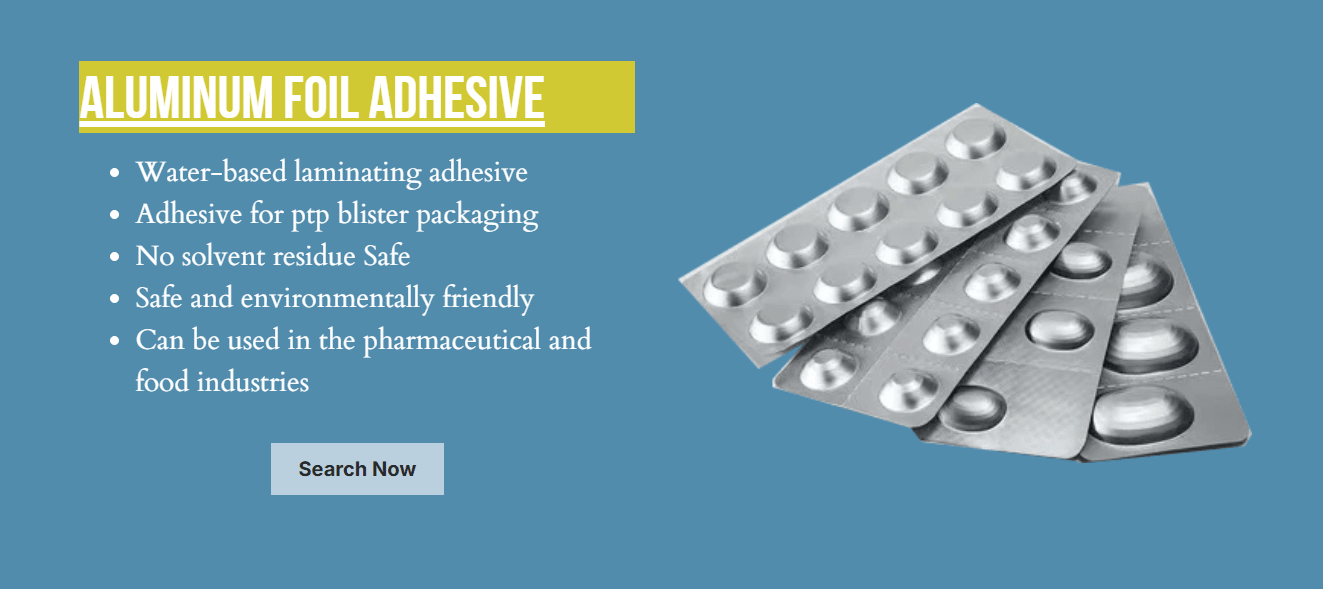
In an era where innovation and efficiency reign supreme, understanding the nuances of PSA pressure sensitive adhesives (PSAs) is crucial. These remarkable substances enable a myriad of applications across various industries, serving as the unsung heroes behind everything from packaging to medical devices. With the rise of hot melt pressure sensitive adhesive technologies, the landscape of adhesive solutions continues to evolve, enhancing performance and sustainability.
Understanding PSA Pressure Sensitive Adhesives
PSA pressure sensitive adhesives are unique in that they bond materials upon contact without the need for heat or solvents. This characteristic makes them incredibly versatile for numerous applications, ranging from everyday household items to specialized industrial uses. By grasping how these adhesives work—primarily through their viscoelastic properties—users can better appreciate their effectiveness in creating reliable bonds.
Real-World Applications of PSA
The real-world applications of pressure sensitive adhesive glue are vast and varied. From sticky notes that brighten up our desks to sophisticated medical products designed for patient care, PSAs play a pivotal role in our daily lives. Industries such as automotive, electronics, and packaging have all harnessed the power of PSAs to improve product functionality and user experience.
The Importance of Adhesive Technology
The significance of adhesive technology cannot be overstated; it underpins countless products we rely on every day. As advancements continue in areas like hot melt pressure sensitive adhesive formulations, manufacturers can develop stronger and more sustainable solutions that meet evolving consumer demands. Ultimately, choosing the right type of adhesive—especially when considering options like pressure sensitive adhesives for medical applications—can make all the difference in performance and safety.
What is a PSA Pressure Sensitive Adhesive

Pressure-sensitive adhesives (PSAs) are fascinating materials that bond to surfaces upon the application of light pressure, without the need for heat or solvent activation. These adhesives are designed to provide immediate adhesion, making them ideal for various applications ranging from everyday household items to specialized medical products. Understanding the definition and mechanism of action behind PSA pressure sensitive adhesives is crucial in appreciating their versatility and efficiency.
Definition and Mechanism of Action
At its core, a PSA pressure sensitive adhesive is an adhesive that forms a bond when pressure is applied to it. Unlike traditional adhesives that require curing or drying time, PSAs achieve instant adhesion through a combination of viscoelastic properties and surface energy interactions. This unique mechanism allows hot melt pressure sensitive adhesive formulations to be used in diverse applications, ensuring strong bonds with minimal effort.
The effectiveness of PSA pressure sensitive adhesives lies in their ability to maintain tackiness without compromising their strength over time. When you press two surfaces together, the adhesive flows slightly into the microscopic pores on both surfaces, creating a strong bond that can withstand various environmental conditions. This characteristic makes PSA glue particularly valuable in industries where quick application and reliability are paramount.
Comparison with Other Adhesives
When comparing PSA pressure sensitive adhesives with other types of adhesives, such as epoxy or cyanoacrylate glues, several key differences emerge. Traditional adhesives often require specific conditions for bonding—like heat or moisture—while PSAs work effectively under a wide range of circumstances without needing any additional activation methods. This ease of use makes PSA glue preferable for many applications where speed and convenience are essential.
Moreover, while some conventional adhesives can become brittle over time or may not adhere well to certain substrates after curing, PSAs maintain flexibility and adaptability throughout their lifespan. This quality allows them to be employed in dynamic environments like packaging or automotive manufacturing where movement occurs frequently. In contrast, hot melt pressure sensitive adhesive solutions offer competitive performance while providing advantages such as reduced setup times and lower costs.
Types of Pressure Sensitive Adhesives
There are several types of pressure sensitive adhesives tailored for specific applications and requirements within various industries. For instance, rubber-based PSAs are known for their excellent initial tack but may not perform well under extreme temperatures or UV exposure; they’re commonly found in tape products used for general purposes. On the other hand, acrylic-based PSAs tend to have superior durability against environmental factors like moisture and UV light but may require more precise application techniques.
Another notable category includes silicone-based PSAs which excel in high-temperature environments typically found in medical applications due to their biocompatibility and resistance properties. In fact, these types of pressure sensitive adhesives for medical applications are crucial when developing wound dressings or wearable sensors that need reliable adhesion against skin contact without causing irritation. Overall, understanding the different types available helps users select the right hot melt pressure sensitive adhesive best suited for their specific needs.
The Science Behind Hot Melt Pressure Sensitive Adhesives

Hot melt pressure sensitive adhesives (PSAs) are a fascinating area of adhesive technology, combining the best properties of traditional adhesives with unique characteristics that make them particularly effective in various applications. These adhesives are formulated to be applied in a molten state, allowing for quick bonding upon cooling. This versatility makes hot melt pressure sensitive adhesives an essential choice for industries ranging from packaging to medical applications.
Composition and Properties
Hot melt pressure sensitive adhesives are typically composed of polymers, tackifiers, and additives that enhance their performance. The primary polymer serves as the backbone, providing strength and flexibility, while tackifiers improve the adhesive's stickiness at room temperature. Additionally, various additives can be incorporated to enhance properties like UV resistance or thermal stability, ensuring that these pressure sensitive adhesive glues perform well under a variety of conditions.
The unique composition of hot melt PSAs gives them specific properties like excellent adhesion to diverse substrates and a quick setting time. Unlike traditional adhesives that may require curing or drying time, hot melts bond rapidly upon cooling, making them ideal for high-speed manufacturing processes. This quick application is particularly beneficial in industries where efficiency is paramount.
Applications in Packaging and Labeling
The applications of hot melt pressure sensitive adhesives in packaging and labeling are vast and varied. They are commonly used for sealing boxes, attaching labels to products, and creating tamper-evident seals due to their strong initial tack and long-lasting bond strength. In the world of packaging, these PSAs help ensure that products remain secure during transit while also providing an aesthetically pleasing finish.
Moreover, the use of hot melt PSAs extends beyond conventional packaging; they play a crucial role in specialty applications such as food packaging where safety is paramount. Their ability to adhere strongly without compromising material integrity makes them ideal for use with various substrates like plastics and paperboard. As consumer demands continue to evolve towards convenience and sustainability, hot melt pressure sensitive adhesive solutions will likely see increased adoption.
Benefits Over Traditional Adhesives
When comparing hot melt pressure sensitive adhesives to traditional adhesive options, several distinct advantages emerge that make them appealing across multiple sectors. First off, their rapid bonding capabilities mean faster production times—an essential factor for manufacturers looking to optimize efficiency without sacrificing quality. Additionally, hot melts typically have lower VOC emissions than solvent-based alternatives; this not only benefits worker safety but also aligns with growing environmental regulations.
Another key benefit lies in their versatility; hot melt PSAs can be tailored to meet specific requirements across different industries—including those demanding high-performance standards such as medical applications where reliability is critical. Their ability to maintain effectiveness under varying temperatures further enhances their appeal over traditional options which may falter under extreme conditions or prolonged exposure to moisture.
In summary, the science behind hot melt pressure sensitive adhesives reveals a sophisticated interplay between composition and functionality that drives innovation across numerous fields—from everyday packaging solutions to specialized medical uses requiring stringent compliance standards.
Unpacking Pressure Sensitive Adhesive Glue
Unlike traditional adhesives that require heat or solvents for activation, PSAs bond with surfaces upon mere contact, making them incredibly user-friendly. This unique characteristic is one of the key attributes that sets PSA pressure sensitive adhesives apart in the world of bonding technologies.
Key Attributes and Formulations
The formulation of PSA pressure sensitive adhesives is a fine art that blends various components to achieve optimal performance. These adhesives typically consist of a polymer backbone combined with tackifiers, plasticizers, and other additives that enhance their sticking power and flexibility. The result? A versatile hot melt pressure sensitive adhesive that can adhere to diverse substrates while maintaining its integrity under various conditions.
Moreover, the balance between tackiness and shear strength is crucial for effective bonding; too much tack can lead to residue upon removal, while insufficient adhesion can compromise functionality. Manufacturers continuously tweak formulations to meet specific application needs—whether it's for packaging or medical applications—ensuring that each product delivers reliable performance without compromising safety or effectiveness.
Common Uses in Various Industries
Pressure sensitive adhesives are ubiquitous across multiple industries due to their ease of use and versatility. In packaging, for instance, they play a vital role in sealing boxes and securing labels—ensuring products arrive intact and identifiable at their destination. Similarly, in the healthcare sector, pressure sensitive adhesives for medical applications are essential for wound dressings and transdermal patches, providing secure adhesion while being gentle on skin.
Beyond these sectors, you’ll find PSAs in automotive interiors (think upholstery), electronics (like screen protectors), and even crafts (hello DIY enthusiasts!). Their ability to bond quickly without additional tools makes them a go-to choice for both industrial manufacturers and everyday consumers alike.
Innovations in Adhesive Technologies
The world of adhesive technology is constantly evolving, with innovations aimed at enhancing the efficacy and sustainability of pressure sensitive adhesives. Recent advancements include bio-based formulations that reduce environmental impact while maintaining excellent adhesion properties—a significant step forward considering today’s eco-conscious consumers demand greener solutions.
Additionally, smart adhesive technologies are emerging; these allow changes in adhesion properties based on environmental conditions like temperature or humidity—offering dynamic solutions tailored to specific applications. As research continues into new materials and methods within the realm of hot melt pressure sensitive adhesive development, we can expect even more exciting breakthroughs on the horizon.
Pressure Sensitive Adhesives for Medical Applications
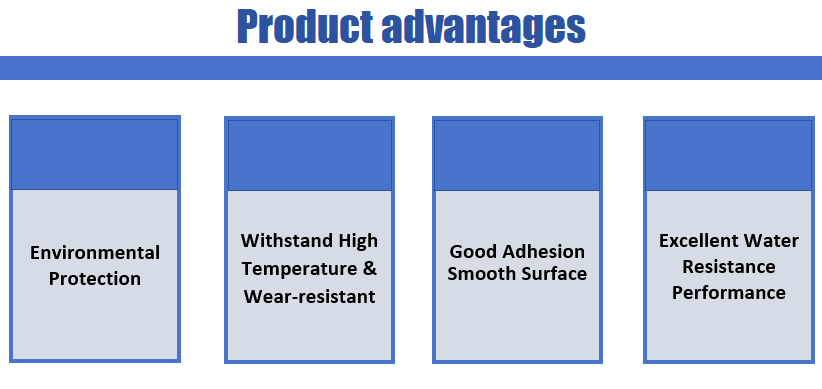
When it comes to the healthcare sector, pressure sensitive adhesives (PSAs) play a crucial role in ensuring that medical devices and products function effectively and safely. The unique properties of PSA pressure sensitive adhesive allow for easy application without the need for additional solvents or heat, making them ideal for a range of medical applications. As we delve deeper into this topic, we'll explore safety standards, product examples, and the broader implications of PSA technology in healthcare.
Safety and Compliance Standards
In the medical field, safety is paramount; thus, pressure sensitive adhesives must adhere to stringent compliance standards set by regulatory bodies like the FDA. These standards ensure that hot melt pressure sensitive adhesives are free from harmful substances and can be safely used on skin or in close proximity to patients. Manufacturers must rigorously test their PSA formulations to guarantee biocompatibility and performance under various conditions—after all, nobody wants an adhesive that doesn’t stick when it matters most!
Examples of Medical Products Using PSA
You may be surprised at how many everyday medical products rely on pressure sensitive adhesive glue! From wound dressings and bandages to transdermal drug delivery systems, PSAs are integral components that enhance patient care. Notably, some advanced wearable devices utilize hot melt pressure sensitive adhesives to ensure they stay securely attached while providing real-time health monitoring—talk about sticking power!
The Role of PSA in Healthcare Technology
The impact of pressure sensitive adhesives for medical applications extends beyond mere adhesion; they facilitate innovative healthcare solutions that improve patient outcomes. For instance, PSAs enable seamless integration between electronic components and medical devices, allowing for more sophisticated monitoring systems without compromising comfort or usability. With ongoing advancements in adhesive technologies, we can expect even more revolutionary applications that enhance both efficiency and patient experience in the healthcare landscape.
Exploring Chemix's Water-Based Resin Solution

When it comes to adhesive technology, Chemix's water-based resin solution stands out as a game-changer in the field of pressure sensitive adhesives. Unlike traditional solvent-based options, this innovative formulation offers a range of advantages that can significantly enhance performance and usability. With its unique properties, the water-based resin is particularly appealing for various applications, including those requiring hot melt pressure sensitive adhesive.
Advantages of Water-Based Resin
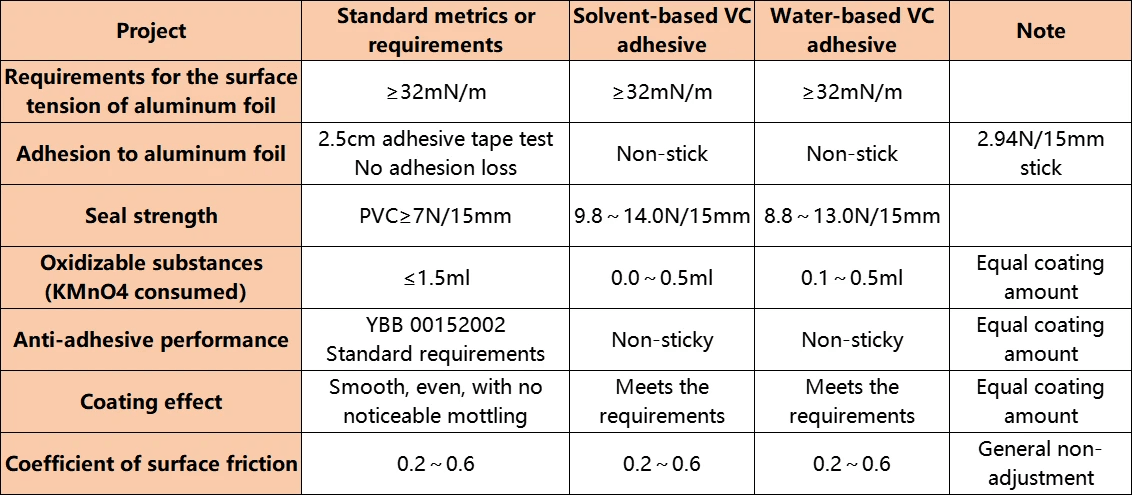
One of the most notable advantages of Chemix's water-based resin is its low VOC (volatile organic compounds) content, making it a safer choice for both users and the environment. This feature not only complies with stringent regulations but also ensures that products made with pressure sensitive adhesive glue are safer for end-users. Additionally, water-based resins provide excellent adhesion properties while remaining flexible and durable over time.
Another compelling benefit is their ease of application; these adhesives can be easily spread or sprayed onto surfaces without the need for specialized equipment or extensive preparation. The quick-drying nature of these formulations allows manufacturers to streamline production processes, ultimately leading to cost savings. Furthermore, water-based resins exhibit strong resistance to moisture and heat, making them ideal for various demanding environments.
Environmental Impact and Sustainability
In an era where sustainability is paramount, Chemix’s water-based resin solution shines brightly in the world of pressure sensitive adhesives for medical applications and beyond. By opting for a product with lower environmental impact, companies can contribute positively to reducing pollution levels while still achieving high-performance standards in their adhesive solutions. The biodegradable nature of these resins further enhances their eco-friendliness.
Moreover, using water as a solvent instead of harmful chemicals minimizes health risks associated with exposure during manufacturing and application processes. This commitment to sustainability means that businesses can align themselves more closely with consumer preferences that increasingly favor environmentally responsible products. Ultimately, choosing Chemix’s solution supports both corporate responsibility goals and customer satisfaction.
Versatility in Adhesives and Coatings
Chemix's water-based resin solution offers remarkable versatility across various industries—ranging from packaging to healthcare—making it an invaluable resource in developing innovative products that utilize pressure sensitive adhesives glue effectively. Its compatibility with different substrates allows manufacturers to create tailored solutions suitable for specific applications while maintaining robust bonding capabilities inherent in hot melt pressure sensitive adhesive formulations.
The adaptability extends beyond mere adhesion; these resins can also function effectively as coatings or sealants depending on the requirements at hand. They support diverse uses across sectors such as automotive manufacturing, electronics assembly, and even construction materials—demonstrating just how far-reaching their potential impact can be on modern industry practices. As innovations continue to shape the landscape of adhesive technologies, Chemix remains at the forefront by offering solutions that meet evolving demands without sacrificing quality or performance.
Conclusion
In summary, pressure sensitive adhesives (PSAs) have transformed industries with their versatility and ease of application. As we look to the future, the advancements in PSA technology, including hot melt pressure sensitive adhesive formulations, promise to further enhance efficiency and effectiveness across various applications. The role of PSA in sectors such as packaging, healthcare, and consumer goods is set to expand even more as innovation continues.
The Future of Pressure Sensitive Adhesives
The future of pressure sensitive adhesives is bright, with ongoing research leading to smarter and more efficient products. Innovations like bio-based PSAs and enhanced formulations are being developed to meet growing sustainability demands while maintaining performance standards. As industries evolve, the need for advanced pressure sensitive adhesive glue that meets specific requirements will only increase.
Innovations Shaping the Adhesives Market
Innovations are reshaping the adhesives market by introducing new technologies that improve bonding capabilities and reduce environmental impact. For instance, advancements in hot melt pressure sensitive adhesive technology allow for quicker setting times and increased durability under various conditions. Additionally, innovations in pressure sensitive adhesives for medical applications are enhancing patient safety and comfort through improved skin-friendly formulations.
Why Choose PSA for Your Adhesive Needs
Choosing PSA for your adhesive needs offers numerous benefits that traditional adhesives simply can't match. With their easy application process and ability to bond without heat or solvents, pressure sensitive adhesives save time and resources across many industries. Whether you require a robust solution like hot melt pressure sensitive adhesive or a specialized product for medical applications, PSAs provide flexibility and reliability that make them an ideal choice.