
Introduction
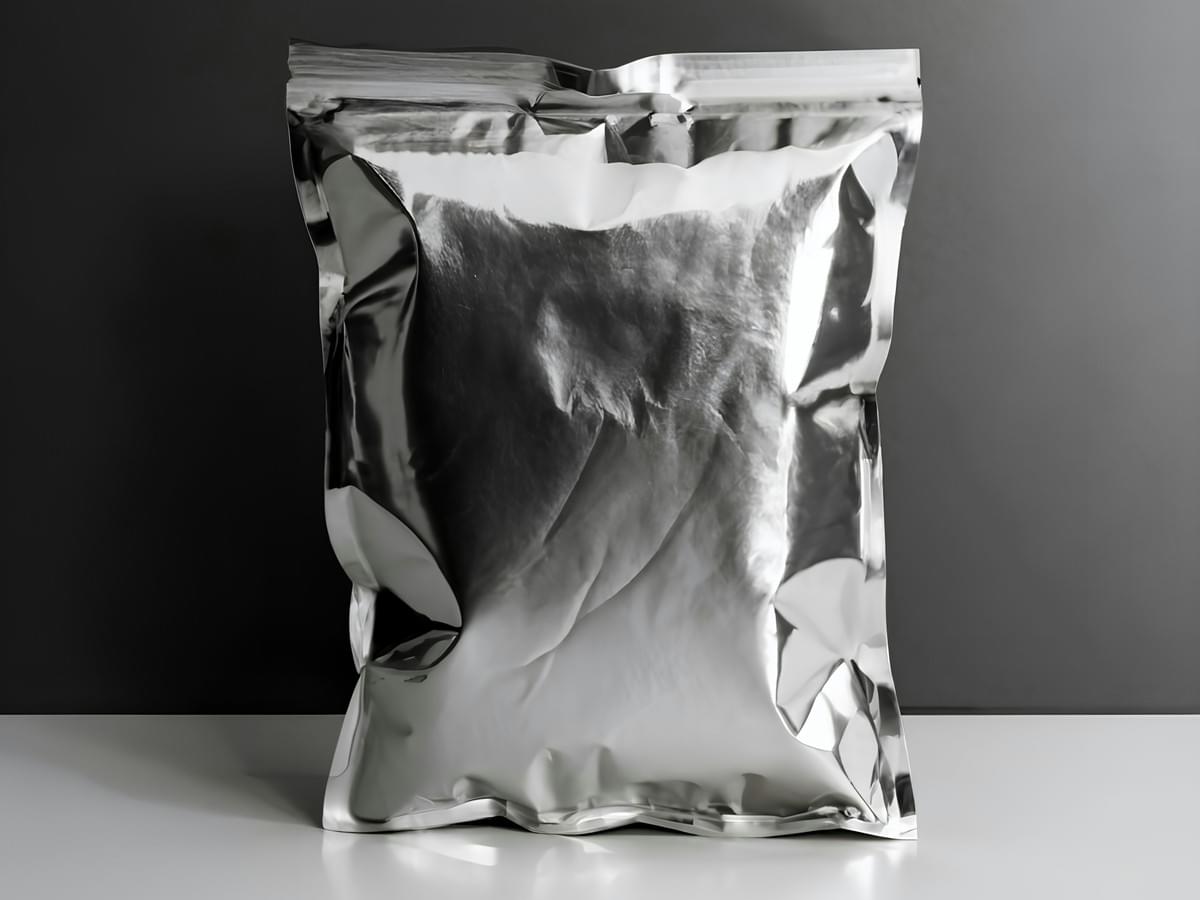
In an era where efficiency and sustainability reign supreme, the importance of composite bond technology in various industries cannot be overstated. Composite bonds are crucial for creating durable, lightweight materials that enhance product performance and longevity. This innovation is particularly significant in sectors like automotive, aerospace, and food packaging, where reliability is paramount.
Importance of Composite Bond in Industry
The composite bond serves as a foundational element in modern manufacturing processes, allowing for the combination of different materials to achieve superior strength and flexibility. Industries leverage this technology to produce items that withstand extreme conditions while remaining lightweight and cost-effective. By utilizing composite bonds, manufacturers can optimize their products for better performance without compromising on safety or quality.
Understanding Boilable Pouch Adhesives
Boilable pouch adhesives are specifically designed to endure high temperatures during cooking processes while maintaining their integrity and effectiveness. These adhesives play a pivotal role in ensuring that food remains securely packaged during boiling or steaming, thus preserving freshness and flavor. Understanding how these adhesives function is essential for manufacturers aiming to provide safe and convenient food packaging solutions.
Overview of Smart Adhesives for Food Packaging
Smart adhesives for boilable pouches represent a cutting-edge approach to food packaging that enhances both safety and shelf life. These innovative solutions not only provide strong adhesion but also adapt to various environmental factors such as temperature changes and humidity levels. As the demand for sustainable packaging options grows, smart adhesives are poised to transform the way we think about food preservation and safety.
What is a Composite Bond?
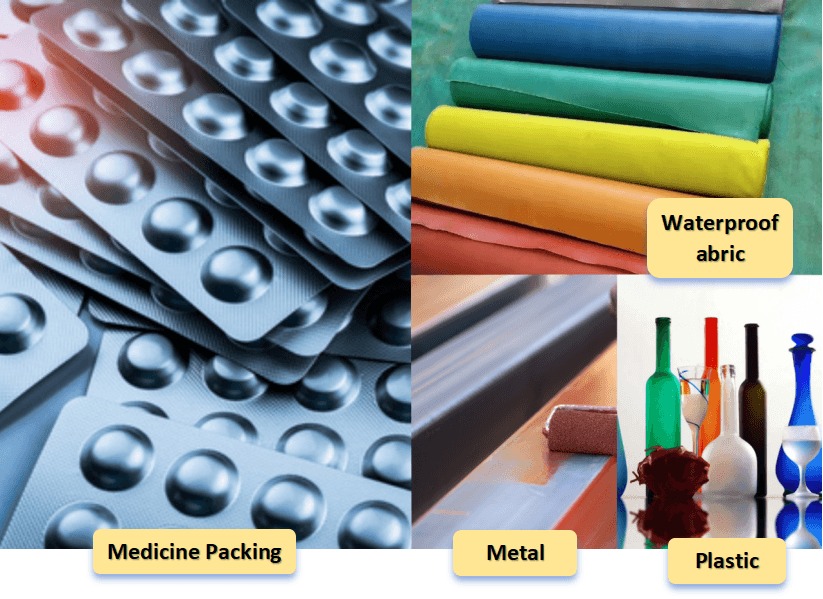
When we talk about a composite bond, we're diving into the fascinating world of materials that combine different substances to create something stronger and more versatile. A composite bond typically involves two or more distinct materials that, when joined together, exhibit enhanced properties compared to their individual components. This synergy is crucial in various applications, from construction to food packaging, where durability and performance are paramount.
Definition and Characteristics
A composite bond can be defined as the adhesion between dissimilar materials that results in a unified structure with improved mechanical properties. These bonds are characterized by their ability to withstand stress, resist environmental factors, and maintain integrity under varying conditions. In the context of Boilable Pouch Adhesives and smart adhesives for boilable pouches, these characteristics ensure that packaged foods remain fresh while being subjected to high temperatures during cooking or sterilization.
Applications in Various Industries
Composite bonds find their way into numerous industries thanks to their versatility and strength. In construction, for instance, they are used in reinforced concrete structures where different materials work together to provide stability and longevity. In the food packaging sector, particularly with Boilable Pouch Adhesives and smart adhesives for boilable pouches, these bonds ensure that products can endure boiling processes without compromising safety or quality.
Examples of Composite Bond Materials
Examples of materials that form effective composite bonds include fiberglass-reinforced plastics used in automotive parts and carbon fiber composites found in aerospace applications. In food packaging specifically, multilayer films often utilize composite bonding techniques that integrate plastics with barrier layers for optimal freshness retention. The use of advanced smart adhesives for boilable pouches enhances these composite bonds by providing additional temperature resistance and flexibility during processing.
The Science Behind Boilable Pouch Adhesives
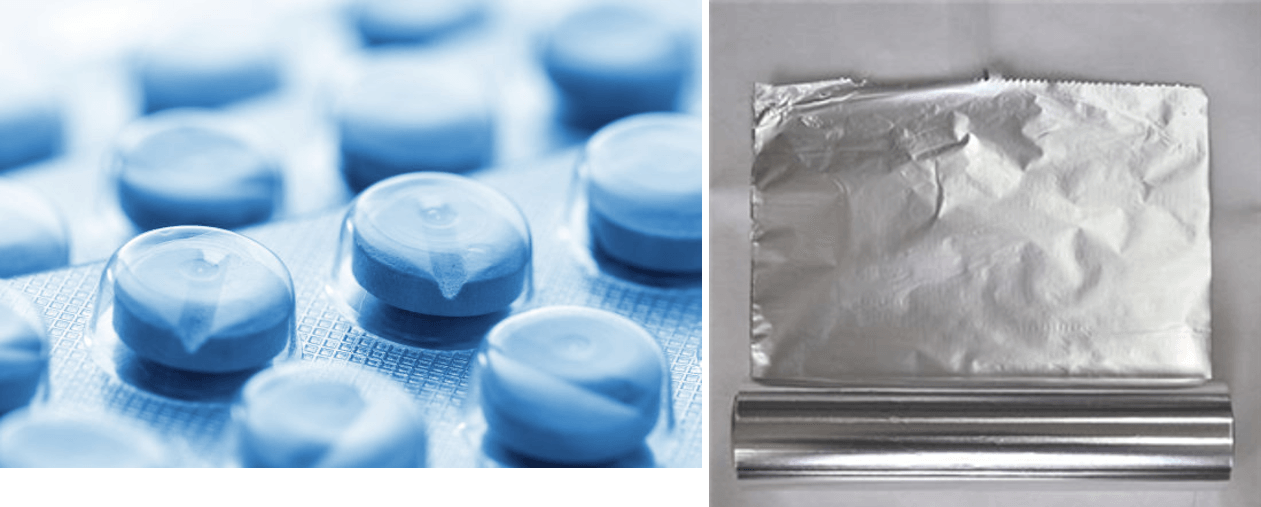
Boilable pouch adhesives are a fascinating blend of chemistry and engineering, designed specifically for food packaging that can withstand the rigors of boiling. These smart adhesives for boilable pouches create a composite bond that ensures the integrity and safety of the packaged food during cooking processes. Understanding how these adhesives work is crucial for manufacturers focused on delivering high-quality, safe food products.
How Boilable Pouch Adhesives Work
At their core, boilable pouch adhesives function through a unique mechanism that allows them to maintain strong bonds even under extreme temperatures. When subjected to boiling water, these smart adhesives for boilable pouches soften but do not lose their adhesive properties, ensuring that the composite bond remains intact throughout the cooking process. This is achieved through specific formulations that allow for flexibility and strength without compromising safety or performance.
The adhesive layers in these pouches are engineered to form a barrier against moisture and air while also providing an excellent seal during boiling. As heat transfers through the pouch material, it activates the adhesive's properties, allowing it to expand slightly and conform to any irregularities in the surfaces being bonded. This creates a robust composite bond capable of withstanding rigorous cooking conditions.
The Role of Temperature Resistance
Temperature resistance is paramount when discussing boilable pouch adhesives; they must endure high heat without degrading or losing their effectiveness. The ideal adhesive will maintain its structural integrity at temperatures often exceeding 100 degrees Celsius (212 degrees Fahrenheit) while still allowing for safe food preparation. This temperature resilience not only protects the contents but also upholds consumer safety standards by preventing leakage or contamination.
Moreover, temperature resistance contributes significantly to shelf life and product freshness by ensuring that seals remain tight even after prolonged exposure to heat during cooking or reheating processes. By utilizing smart adhesives for boilable pouches with superior thermal properties, manufacturers can enhance product reliability and consumer trust in their packaging solutions. Thus, understanding this aspect is vital when selecting materials for effective composite bonding in food applications.
Key Ingredients in Boilable Adhesives
The formulation of boilable pouch adhesives typically includes several key ingredients designed to optimize performance under heat stress while maintaining adhesion quality over time. Common components include polymers such as polyolefins or ethylene-vinyl acetate (EVA), which provide flexibility and durability necessary for creating a reliable composite bond in challenging environments like boiling water.
Additionally, additives such as plasticizers may be incorporated into these smart adhesives for boilable pouches to enhance flow characteristics during application while improving overall adhesion strength once cured. Other ingredients may include stabilizers and antioxidants that help prolong shelf life by protecting against degradation from thermal exposure over time.
In summary, understanding the science behind boilable pouch adhesives—how they work, their temperature resistance capabilities, and essential ingredients—provides valuable insights into their role within food packaging technology today.
Advantages of Using Smart Adhesives for Boilable Pouches
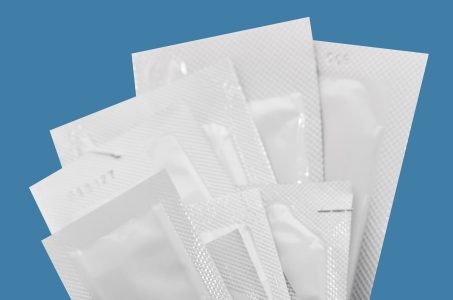
When it comes to packaging, especially in the food industry, the choice of adhesive can make all the difference. Smart adhesives for boilable pouches offer a range of advantages that enhance product quality and safety while maintaining cost efficiency. These innovations not only support composite bond applications but also reflect a growing trend towards sustainability and performance in packaging solutions.
Improved Shelf Life and Freshness
One of the standout benefits of using smart adhesives for boilable pouches is their ability to significantly improve shelf life and freshness. These adhesives create a robust composite bond that seals in flavors and nutrients, ensuring that food products remain fresh for longer periods. By preventing air and moisture from penetrating the packaging, smart adhesives help maintain the integrity of perishable items, reducing spoilage rates.
Enhanced Product Safety Standards
In an age where consumer safety is paramount, smart adhesives for boilable pouches meet stringent product safety standards without compromising on performance. The materials used in these adhesives are often non-toxic and compliant with food safety regulations, ensuring that no harmful substances leach into food products during storage or heating processes. This commitment to safety not only protects consumers but also enhances brand reputation by fostering trust.
Cost-Effectiveness in Packaging
Cost-effectiveness is another compelling reason to consider smart adhesives for boilable pouches when developing packaging solutions. These advanced adhesives often streamline production processes by enabling faster bonding times and reducing material waste through more efficient sealing techniques. Ultimately, this results in lower overall costs while still delivering high-quality composite bonds that meet industry demands.
Chemix's Water-Based Resin Solution

In the realm of adhesives, Chemix’s water-based resin solution stands out for its innovative approach to creating robust composite bonds. These resins provide a sustainable alternative to traditional solvent-based adhesives, making them ideal for applications like Boilable Pouch Adhesives. As industries increasingly prioritize eco-friendly solutions, smart adhesives for boilable pouches are gaining traction, and Chemix is leading the charge.
Environmental Benefits of Water-Based Resins
Water-based resins offer significant environmental advantages over their solvent-based counterparts. They contain fewer volatile organic compounds (VOCs), which means less air pollution and a reduced impact on climate change. By choosing these smart adhesives for boilable pouches, manufacturers can not only comply with stringent regulations but also contribute to a healthier planet.
Moreover, the use of water as a primary solvent in these resins minimizes hazardous waste production during manufacturing processes. This eco-friendly approach aligns perfectly with global sustainability goals and appeals to consumers who are increasingly conscious of their ecological footprint. In this context, water-based resins enhance the appeal of composite bonds in food packaging applications by promoting both safety and sustainability.
Performance Characteristics of Water-Based Resins
When it comes to performance characteristics, Chemix's water-based resin solutions do not disappoint. They exhibit excellent adhesion properties that ensure strong composite bonds necessary for high-performance Boilable Pouch Adhesives. Additionally, these resins maintain flexibility and durability even under varying temperature conditions—an essential feature when dealing with food packaging that may undergo heating or cooling processes.
Another notable characteristic is their fast-drying capability, which optimizes production efficiency without compromising bond strength or quality. This means manufacturers can produce more pouches in less time while maintaining high standards—a win-win situation! The adaptability of these smart adhesives for boilable pouches makes them suitable across various applications beyond just food packaging.
Applications in Composite Bonding and Adhesives
Chemix’s water-based resin solutions are versatile enough to be utilized in various sectors requiring strong composite bonds and effective adhesive solutions. In addition to Boilable Pouch Adhesives, they are ideal for laminating materials used in flexible packaging where moisture resistance is critical. Their ability to bond different substrates makes them valuable across industries such as textiles, automotive components, and construction materials.
These smart adhesives for boilable pouches also play a crucial role in enhancing product safety by ensuring that no harmful substances leach into food products during cooking or storage processes. As consumer demand grows for safer packaging options that do not compromise on quality or performance, Chemix’s innovative offerings stand out as an exemplary choice within the market landscape of composite bonding technologies.
Choosing the Right Adhesive for Your Application

Selecting the right adhesive is crucial for ensuring optimal performance in applications involving composite bonds and boilable pouch adhesives. Various factors come into play, including temperature resistance, compatibility with materials, and intended use. Understanding these elements can significantly enhance the effectiveness of smart adhesives for boilable pouches.
Factors to Consider When Selecting Adhesives
When choosing an adhesive, consider the specific requirements of your application, such as environmental conditions and regulatory standards. For instance, if you're working with boilable pouch adhesives, you’ll need options that withstand high temperatures without losing integrity or functionality. Additionally, evaluate factors like adhesion strength, curing time, and flexibility to ensure a robust composite bond that meets your packaging needs.
Another important consideration is the environmental impact of the adhesive. Smart adhesives for boilable pouches are increasingly formulated to be eco-friendly while still providing strong adhesion properties. This means looking for water-based or low-VOC options that align with sustainability goals without compromising on performance.
Lastly, it's essential to consider cost-effectiveness when selecting adhesives. While some advanced smart adhesives may come at a premium price point upfront, their long-term benefits—such as improved shelf life and reduced spoilage—can lead to significant savings down the line. Balancing initial costs with potential savings is key in making an informed decision.
Case Studies: Successful Applications
One notable case study involves a leading food manufacturer that switched to smart adhesives for boilable pouches in their ready-meal products. By utilizing advanced composite bond technology, they achieved an impressive increase in product freshness while reducing packaging waste by 30%. The switch not only enhanced consumer satisfaction but also strengthened their brand image as a sustainable choice in food packaging.
Another example comes from a beverage company that faced challenges with traditional sealing methods for their heat-sensitive products. They adopted water-based resins designed specifically for composite bonding in high-temperature environments and saw remarkable improvements in seal integrity during pasteurization processes. This transition not only ensured product safety but also extended shelf life significantly.
These case studies illustrate how innovative adhesive solutions can transform manufacturing processes across various industries by optimizing both efficiency and quality while meeting consumer demands.
Future Trends in Adhesive Technology
Looking ahead, several exciting trends are emerging within adhesive technology that will likely influence how we approach composite bonds and boilable pouch adhesives. One trend is the development of self-healing adhesives that can repair themselves after damage occurs—a game changer for maintaining seal integrity over time without requiring complete package replacement.
Additionally, advancements in nanotechnology are paving the way for smarter adhesives capable of responding dynamically to environmental changes such as temperature or humidity fluctuations. These innovations could lead to even more effective smart adhesives for boilable pouches by enhancing performance under varying conditions.
Finally, sustainability remains at the forefront of future adhesive developments; manufacturers are increasingly focusing on bio-based materials derived from renewable resources to create eco-friendly options without sacrificing quality or performance standards associated with traditional composites.
Conclusion
In the rapidly evolving world of packaging and adhesive technologies, the future of composite bonding holds exciting prospects. Innovations in materials science are paving the way for stronger, more durable composite bonds that can withstand various environmental challenges. As industries continue to seek efficient and sustainable solutions, the role of smart adhesives for boilable pouches will undoubtedly expand, enhancing both functionality and safety.
The Future of Composite Bonding Technologies
The future of composite bonding technologies is bright, with ongoing research focused on developing adhesives that offer superior performance while minimizing environmental impact. Advances in smart adhesives for boilable pouches are leading to formulations that not only bond effectively but also adapt to varying conditions during storage and transportation. With a focus on sustainability and efficiency, we can expect these innovations to revolutionize how manufacturers approach product packaging.
Sustainable Solutions with Smart Adhesives
Sustainability is at the forefront of modern adhesive technology, especially with smart adhesives for boilable pouches gaining traction in various markets. These innovative solutions often incorporate eco-friendly materials that reduce waste while maintaining high performance standards in their composite bonds. By prioritizing sustainable practices, companies can enhance their brand reputation while contributing positively to global efforts aimed at reducing environmental footprints.
Final Thoughts on Boilable Pouch Adhesives
Boilable pouch adhesives represent a remarkable intersection between convenience and safety in food packaging. As consumer demands evolve towards more reliable and longer-lasting products, the importance of effective composite bonds cannot be overstated. Embracing advancements in smart adhesives will not only improve product quality but also ensure that we meet future challenges head-on with innovative solutions tailored for our changing world.