
Introduction

In the ever-evolving world of food packaging, the role of food-safe adhesives cannot be overstated. These adhesives are crucial for ensuring that packaging materials maintain their integrity while keeping food products safe for consumption. With a growing emphasis on sustainability, the demand for innovative adhesive solutions is surging, prompting packaging corporations to rethink their strategies and materials.
Importance of Food-Safe Adhesives
Food-safe adhesives serve as the unsung heroes of adhesive packaging, providing a secure bond without compromising food safety. They are designed to withstand various environmental factors while ensuring that harmful chemicals do not leach into food products. In a market where consumer health is paramount, companies in the packaging sector must prioritize these adhesives to build trust and ensure compliance with stringent regulations.
Sustainable Packaging's Growing Demand
As consumers become more environmentally conscious, the demand for sustainable packaging solutions is skyrocketing. This shift has prompted many packaging corporations to seek out eco-friendly alternatives that not only reduce waste but also enhance product appeal. By integrating sustainable practices into their operations, these companies can meet consumer expectations while contributing positively to environmental conservation.
Innovations in Adhesive Packaging
The landscape of adhesive packaging is rapidly changing thanks to innovative approaches in material science and technology. From advanced glue sticks designed specifically for food applications to cutting-edge hot glue formulations that enhance performance without sacrificing safety, the industry is witnessing a wave of creativity. These innovations are paving the way for more effective and sustainable solutions that address both consumer needs and environmental concerns.
Understanding Food-Safe Adhesives

In the realm of packaging, food-safe adhesives play a crucial role in ensuring that products are securely sealed and safe for consumption. These specialized adhesives are designed to meet stringent safety standards, making them essential for any packaging corporation focused on delivering quality. As demand for sustainable solutions grows, understanding these adhesives becomes increasingly important for companies in the packaging industry.
What Are Food-Safe Adhesives?
Food-safe adhesives are formulations specifically created to bond materials used in food packaging without compromising food safety. Unlike traditional glues or hot glue, which may contain harmful chemicals, these adhesives are rigorously tested to ensure they do not leach harmful substances into food products. Companies that prioritize their packaging must choose food-safe options to maintain consumer trust and comply with regulatory standards.
Key Properties of Food-Safe Adhesives
The key properties of food-safe adhesives include non-toxicity, heat resistance, and moisture resistance—all vital for effective adhesive packaging. Non-toxic formulations ensure that no harmful substances migrate into the packaged food, while heat resistance is crucial during processes like sterilization or pasteurization. Moisture resistance helps maintain the integrity of plastic bags and other materials used in packaging by preventing degradation over time.
Popular Food-Safe Adhesive Types
Among the popular types of food-safe adhesives are water-based adhesives, hot melt adhesives, and pressure-sensitive adhesives (PSAs). Water-based adhesives are favored for their eco-friendly profile and low toxicity levels; they’re often used in applications like sealing plastic bags or carton closures. Hot melt glue sticks also find their place as versatile solutions that provide strong bonds quickly—ideal for fast-paced production environments within a packaging corporation focused on efficiency.
The Role of Adhesive Packaging in Sustainability
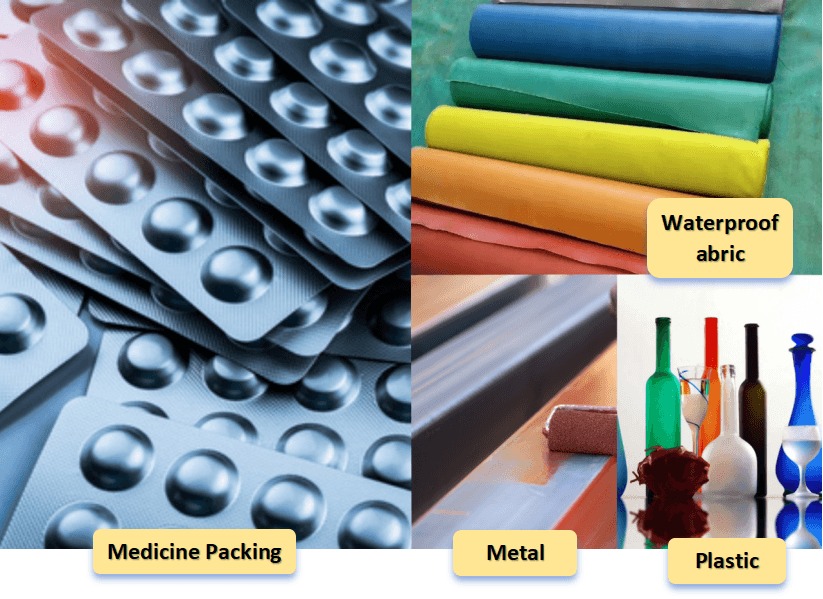
Adhesive packaging has become a cornerstone in the quest for sustainable solutions within the packaging industry. As consumers grow increasingly aware of environmental issues, companies are compelled to innovate and adapt their practices. This shift not only reduces waste but also enhances brand loyalty among eco-conscious consumers.
Benefits of Sustainable Packaging
Sustainable packaging offers numerous benefits that extend beyond just being environmentally friendly. It often involves using renewable materials, which can significantly reduce a company's carbon footprint and reliance on fossil fuels. Furthermore, sustainable adhesive packaging can lead to cost savings in production and disposal, making it an attractive option for any company for packaging looking to improve their bottom line.
Moreover, sustainable packaging resonates with consumers who are now more likely to support brands that prioritize eco-friendly practices. By adopting these methods, companies can differentiate themselves in a crowded market while contributing positively to the planet's health. In essence, sustainable adhesive solutions are not just good for Mother Earth; they’re good business too.
How Adhesives Enhance Packaging Sustainability
Adhesives play a pivotal role in enhancing the sustainability of packaging materials by ensuring that they maintain structural integrity while minimizing waste. Innovative glue sticks and other adhesive technologies allow manufacturers to use thinner materials without compromising performance, which leads to less material usage overall. This reduction is particularly beneficial for plastic bags and other commonly used items that contribute significantly to landfill waste.
Additionally, advancements in hot glue glue formulations have made it possible for companies to create stronger bonds with biodegradable or recyclable materials. These developments mean that businesses can offer products packaged sustainably without sacrificing quality or durability—an essential balance for any successful packaging corporation aiming for eco-friendliness. Ultimately, adhesives serve as unsung heroes in the sustainability narrative by optimizing material efficiency and extending product life cycles.
Examples of Companies Leading the Way
Several pioneering companies have embraced adhesive packaging as part of their sustainability strategy, setting benchmarks within the industry. For instance, prominent brands like Unilever have integrated food-safe adhesives into their product lines while focusing on reducing plastic waste through innovative designs and materials used in their packaging corp initiatives. Their commitment not only showcases effective use of adhesives but also highlights how responsible practices can be seamlessly woven into everyday products.
Another standout example is Coca-Cola’s initiative towards using plant-based adhesives across its beverage range—demonstrating how even large corporations can pivot towards greener alternatives without losing sight of functionality or consumer appeal. These leading examples illustrate how embracing food-safe adhesives can enhance sustainability efforts across various sectors while positively influencing consumer perception about brand responsibility and innovation.
Chemix's Water-Based Resin Solution

Chemix's innovative water-based resin solution is revolutionizing the world of adhesive packaging, aligning with the growing demand for sustainable practices in the food industry. Unlike traditional adhesives that often contain harmful solvents, Chemix’s solution is environmentally friendly and safe for food contact. This not only meets regulatory requirements but also appeals to eco-conscious consumers, making it a game-changer for any packaging corporation looking to enhance their packaging.
What Makes Water-Based Resin Sustainable?
Water-based resins are crafted using renewable resources and contain minimal volatile organic compounds (VOCs), making them a sustainable choice for adhesive packaging. By reducing reliance on petroleum-based materials, these resins significantly lower the environmental impact associated with traditional glue sticks and hot glue options. Additionally, their production process often consumes less energy, further contributing to a reduced carbon footprint—something every company for packaging should consider.
Applications in Food Packaging
The versatility of Chemix's water-based resin makes it suitable for various applications in food packaging—from sealing plastic bags to bonding different materials used in containers. This adhesive can be utilized across several formats, ensuring that everything from snack wrappers to frozen meal trays maintains freshness without compromising safety. As companies continue to innovate their packaging solutions, the adoption of such resins can lead to improved shelf life and enhanced consumer satisfaction.
Advantages Over Traditional Adhesives
When comparing Chemix's water-based resin with traditional adhesives like hot glue or solvent-based options, the benefits become clear. Not only does this eco-friendly alternative offer superior bonding strength without leaving harmful residues, but it also ensures compliance with stringent food safety regulations—something that cannot be overlooked by any packaging corp aiming for credibility in today's market. Furthermore, using water-based resins can help reduce costs associated with waste management and disposal since they are often easier to recycle than conventional adhesives.
Case Studies of Successful Packaging Corp Initiatives

The world of adhesive packaging is witnessing a renaissance, with various brands stepping up to the plate to innovate with food-safe adhesives. Notably, companies like Nestlé and Unilever are leading the charge by integrating sustainable glue sticks into their packaging solutions. Their commitment to using food-safe adhesives not only enhances product safety but also aligns with consumer demand for eco-friendly options.
Brands Innovating with Food-Safe Adhesives
Several brands are making waves in the adhesive packaging sector by utilizing advanced food-safe adhesives for their products. For instance, Coca-Cola has introduced innovative plastic bags that incorporate biodegradable adhesives, reducing environmental impact while maintaining product integrity. Similarly, General Mills is exploring hot glue glue formulations that meet stringent safety standards while offering excellent performance in their packaging.
Lessons from Leading Packaging Companies
Leading packaging corporations are setting benchmarks in the industry by sharing valuable lessons learned through their experiences with food-safe adhesives. One key takeaway is the importance of collaboration between manufacturers and suppliers to ensure that adhesive materials meet both safety and performance criteria. Additionally, these companies emphasize continuous research and development as crucial for overcoming challenges associated with implementing new adhesive technologies.
Impact on Consumer Perception
The shift towards using food-safe adhesives in packaging has significantly influenced consumer perception of brands and their products. As consumers become more environmentally conscious, they tend to favor companies that prioritize sustainable practices in their packaging corp initiatives. This positive perception not only boosts brand loyalty but also drives sales as consumers seek out products packaged responsibly, reinforcing the idea that good adhesive packaging can be a game-changer.
Challenges in Implementing Food-Safe Adhesives

The journey toward integrating food-safe adhesives into packaging solutions is not without its bumps. A myriad of challenges, from regulatory hurdles to industry resistance, can hinder progress in this innovative sector. Packaging corporations must navigate these obstacles to ensure that their adhesive packaging meets safety standards while also appealing to environmentally conscious consumers.
Regulatory Hurdles in Adhesive Use
Navigating the labyrinth of regulations surrounding food-safe adhesives can feel like trying to find a needle in a haystack. Different regions have varying standards for what constitutes safe adhesive use in food packaging, which complicates matters for any company for packaging looking to expand globally. Additionally, the approval process for new adhesive formulations can be lengthy and costly, often requiring rigorous testing that may delay product launches.
Balancing Performance and Safety
When it comes to adhesive packaging, striking the right balance between performance and safety is crucial. Companies must ensure their glue sticks and other adhesive products not only comply with safety regulations but also perform well under various conditions—like temperature fluctuations or moisture exposure—which are common in food storage and transportation. This balancing act can lead some manufacturers to stick with traditional hot glue glue options instead of exploring newer, safer alternatives.
Overcoming Industry Resistance
Resistance from within the industry can be another significant barrier when trying to implement food-safe adhesives effectively. Many established packaging corp players may hesitate to adopt new technologies or materials due to perceived risks or the challenge of retraining staff on new processes. However, embracing innovation is essential; after all, consumer demand for sustainable options continues to grow, making it imperative for companies involved in adhesive packaging to adapt or risk being left behind.
Conclusion
As we wrap up our exploration of food-safe adhesives, it’s clear that the future of adhesive packaging is bright and full of potential. The growing awareness around sustainability and consumer safety is driving packaging corporations to innovate continuously, pushing the boundaries of what adhesive solutions can achieve. With advancements in technology and materials, these companies are not just meeting regulatory standards but exceeding them, ensuring that their packaging remains safe and environmentally friendly.
Future of Food-Safe Adhesives in Packaging
The future of food-safe adhesives in packaging looks promising as more companies embrace eco-friendly practices. Innovations such as water-based resins are revolutionizing how adhesive packaging is produced, making it safer for consumers while reducing environmental impact. As brands increasingly prioritize sustainability, we can expect to see a surge in demand for products like glue sticks made from natural materials that align with these values.
The Impact of Innovation on Consumer Choices
Innovation in adhesive packaging plays a crucial role in shaping consumer choices today. Shoppers are becoming more discerning about the products they buy; they prefer brands that use sustainable practices and materials. By adopting advanced adhesive solutions, such as those offered by leading packaging corporations, companies can enhance their product appeal while fostering trust among consumers who prioritize safety and environmental responsibility.
Final Thoughts on Sustainable Packaging Solutions
In conclusion, sustainable packaging solutions are not just trends; they represent a pivotal shift in how we think about product safety and environmental stewardship. The integration of food-safe adhesives into everyday items—from plastic bags to complex multi-layered packages—is essential for creating a healthier planet and informed consumer base. As we move forward, the collaboration between innovative companies for packaging will be vital in developing effective strategies that ensure both safety and sustainability remain at the forefront.