
Introduction

In the world of manufacturing, adhesives are often the unsung heroes, quietly holding everything together—from your morning coffee mug to the latest tech gadgets. Efficient adhesive manufacturing is crucial for ensuring that these products not only meet performance standards but also contribute to overall sustainability efforts. As industries evolve, the demand for high-quality adhesives has skyrocketed, pushing adhesive manufacturing companies to innovate and streamline their processes.
The Importance of Efficient Adhesive Manufacturing
Efficient adhesive manufacturing plays a pivotal role in various sectors, including automotive, construction, and electronics. The ability to produce reliable adhesives quickly and cost-effectively can significantly impact a company's bottom line and market competitiveness. Moreover, with increasing regulatory pressures regarding environmental sustainability, efficient production methods are essential for minimizing waste and maximizing resource use.
Overview of Modern Adhesive Techniques
Modern adhesive techniques have transformed the adhesive manufacturing process into a sophisticated blend of chemistry and technology. From advanced formulations that enhance bonding strength to automated systems that improve precision in application, today's methods are designed for optimal performance. These innovations not only streamline production but also cater to diverse consumer needs across multiple industries.
Key Players in the Adhesive Manufacturing Sector
The adhesive manufacturing sector boasts a mix of established giants and nimble startups that drive innovation forward. Companies like Henkel, 3M, and Dow dominate with extensive product lines and global reach while smaller firms often focus on niche markets or specialized applications. Together, these key players shape industry trends and set benchmarks for quality in adhesive manufacturing.
Understanding the Adhesive Manufacturing Process
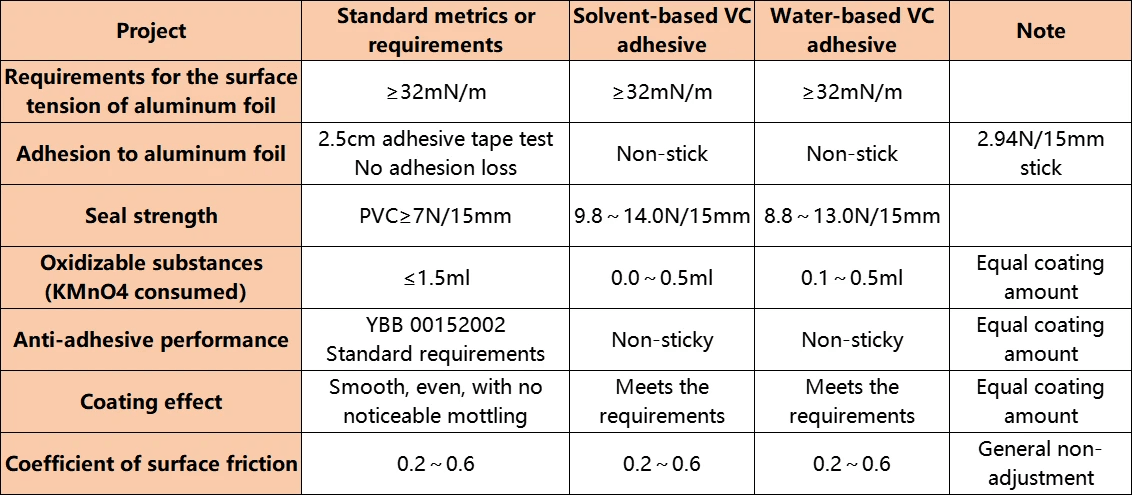
The adhesive manufacturing process is a fascinating blend of science, art, and precise engineering. To ensure that adhesives meet the diverse needs of various industries—from construction to automotive—manufacturers must navigate a complex array of raw materials, techniques, and quality control measures. This section will delve into the essential components that make up this intricate process.
Raw Materials in Adhesive Production
The backbone of any adhesive manufacturing operation lies in its raw materials. Common components include polymers, resins, solvents, and additives that enhance performance characteristics such as strength and flexibility. For adhesive manufacturing companies, selecting high-quality raw materials is crucial; the right combination can mean the difference between a strong bond and a failed application.
In recent years, there has been a shift toward more sustainable raw materials as environmental concerns grow. Bio-based resins and eco-friendly solvents are gaining traction among manufacturers aiming to minimize their ecological footprint while maintaining product efficacy. Ultimately, these choices not only impact the quality of the final product but also align with broader sustainability goals within the adhesive manufacturing sector.
Common Manufacturing Techniques
Adhesive manufacturing companies utilize various techniques to produce their products efficiently and effectively. Traditional methods include mixing processes like batch mixing or continuous mixing, which blend raw materials into uniform formulations ready for application. More advanced approaches involve polymerization techniques that create specialized adhesives tailored for specific applications.
Innovations in technology have introduced new methods such as extrusion and spray coating, which allow for faster production rates without compromising quality. These modern techniques not only enhance productivity but also enable manufacturers to meet increasing market demands for diverse adhesive solutions quickly and efficiently. As competition intensifies within the adhesive manufacturing landscape, companies must stay abreast of these evolving techniques to remain relevant.
Quality Control in Adhesive Production
Quality control is paramount in ensuring that products meet stringent industry standards throughout the adhesive manufacturing process. Manufacturers implement rigorous testing protocols at various stages—from raw material inspection to final product evaluation—to guarantee consistency and reliability in their adhesives. This often involves physical tests like tensile strength assessments or viscosity measurements alongside chemical analyses.
Moreover, adherence to regulatory compliance is critical for adhesive manufacturing companies looking to maintain their reputations while ensuring consumer safety. By investing in state-of-the-art testing equipment and skilled personnel dedicated to quality assurance, these companies can confidently deliver high-performance adhesives that satisfy customer expectations across various sectors. In an industry where even minor defects can lead to significant failures down the line, robust quality control practices are non-negotiable.
Innovative Technologies in Adhesive Production

In the ever-evolving world of adhesive manufacturing, innovative technologies are reshaping how products are made and delivered. These advancements not only enhance efficiency but also improve the quality and sustainability of the adhesive manufacturing process. From automation to smart applications, these technologies are paving the way for a more streamlined future in adhesive production.
Automation in Manufacturing
Automation is revolutionizing adhesive manufacturing by increasing precision and reducing human error. With automated systems, manufacturers can achieve consistent quality while speeding up production rates significantly. This shift allows adhesive manufacturing companies to respond more quickly to market demands, ensuring they stay competitive in a fast-paced environment.
By integrating robotics into the adhesive manufacturing process, companies can optimize workflows and minimize waste. Automated mixing and dispensing systems ensure that materials are combined accurately, leading to better performance characteristics in adhesives. As these systems become more advanced, they will continue to play a crucial role in shaping the future of adhesive production.
Smart Manufacturing and IoT Applications
The rise of smart manufacturing is another game-changer for adhesive manufacturing companies, thanks to the Internet of Things (IoT). By connecting machinery and equipment through IoT applications, manufacturers can monitor processes in real-time, leading to enhanced decision-making capabilities. This connectivity not only boosts efficiency but also improves maintenance schedules by predicting potential issues before they arise.
IoT applications enable manufacturers to collect valuable data on their production processes, allowing for continuous improvement initiatives that fine-tune operations over time. This data-driven approach ensures that every step of the adhesive manufacturing process is optimized for performance and quality control. As technology continues to advance, we can expect even greater integration of smart solutions within this sector.
Benefits of 3D Printing in Adhesives
3D printing is making waves across various industries, including adhesive manufacturing, where it offers unique benefits that traditional methods cannot match. One significant advantage is the ability to create custom formulations tailored specifically for particular applications or customer needs without extensive lead times or costs associated with traditional tooling methods. This flexibility allows companies to innovate rapidly while maintaining high-quality standards.
Moreover, 3D printing enables manufacturers to develop complex geometries that were previously impossible with conventional techniques—think intricate designs that enhance adhesion properties or reduce material usage without compromising strength! As a result, 3D printing opens new avenues for product development within the adhesive manufacturing process.
Finally, this technology fosters sustainability by minimizing waste during production since materials are added layer by layer instead of being cut from larger blocks or sheets. By embracing 3D printing technologies alongside other innovations like automation and IoT applications, adhesive manufacturing companies can position themselves at the forefront of industry advancements while meeting evolving market demands effectively.
Sustainable Practices in Adhesive Manufacturing
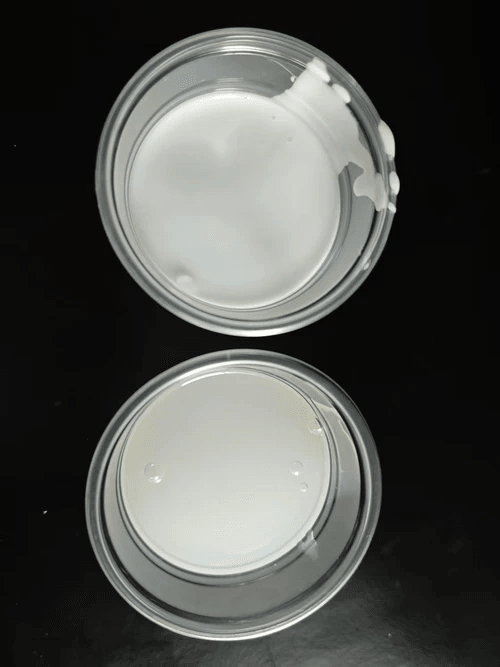
In recent years, the adhesive manufacturing industry has witnessed a significant shift towards sustainable practices. This transition is driven by both consumer demand for eco-friendly products and regulatory pressures to reduce environmental impact. As a result, many adhesive manufacturing companies are re-evaluating their processes and materials to align with sustainability goals.
The Shift to Eco-Friendly Materials
The push for eco-friendly materials in adhesive manufacturing is transforming the landscape of the industry. Manufacturers are increasingly replacing traditional solvents and harmful chemicals with renewable resources that minimize environmental harm. This shift not only appeals to environmentally conscious consumers but also helps companies comply with stringent regulations regarding hazardous substances.
Adhesive manufacturing companies that embrace eco-friendly materials can enhance their market competitiveness while contributing positively to global sustainability efforts. Natural adhesives derived from plant-based sources, such as starch or proteins, are gaining traction as viable alternatives to synthetic options. By adopting these sustainable materials, manufacturers can reduce carbon footprints and foster a healthier planet.
Chemix's Water-Based Resin Solution
One shining example of innovation in sustainable adhesive production is Chemix's water-based resin solution. Unlike traditional solvent-based adhesives, which often emit volatile organic compounds (VOCs), Chemix’s formulation utilizes water as a primary solvent, significantly reducing harmful emissions during the adhesive manufacturing process. This not only makes the product safer for workers but also lessens its environmental impact.
Chemix's commitment to sustainability doesn't stop at just reducing VOCs; their water-based resins maintain high performance standards comparable to conventional adhesives. These resins offer excellent adhesion properties while being versatile enough for various applications across multiple industries. By investing in such forward-thinking solutions, adhesive manufacturing companies can meet both performance expectations and ecological responsibilities.
Impact of Sustainability on Performance
The integration of sustainable practices into the adhesive manufacturing process doesn't compromise quality—in fact, it often enhances it! Many eco-friendly adhesives now boast improved performance characteristics due to advancements in formulation science and technology development within the industry. As manufacturers experiment with natural ingredients and innovative processes, they discover new ways to achieve superior bonding strength without relying on harmful chemicals.
Moreover, consumers are becoming increasingly aware of product sustainability, leading them to favor brands that prioritize environmentally friendly practices in their adhesive offerings. This trend encourages more adhesive manufacturing companies to invest in research and development focused on creating high-performance yet sustainable products that cater to this growing market demand. Ultimately, embracing sustainability not only benefits our planet but also drives business success through enhanced brand loyalty and consumer trust.
Challenges Facing Adhesive Manufacturing Companies

The adhesive manufacturing landscape is not without its hurdles. Companies in this sector face a myriad of challenges that can impact their operations, profitability, and ability to innovate. Understanding these challenges is crucial for adhesive manufacturing companies aiming to maintain a competitive edge.
Supply Chain Disruptions
Supply chain disruptions have become an unfortunate hallmark of modern manufacturing, and the adhesive manufacturing process is no exception. Fluctuations in raw material availability, transportation delays, and geopolitical tensions can all lead to significant setbacks for adhesive manufacturing companies. These disruptions not only affect production schedules but also risk compromising product quality and customer satisfaction.
In recent years, the COVID-19 pandemic highlighted vulnerabilities within global supply chains, forcing many adhesive manufacturers to rethink their sourcing strategies. Diversifying suppliers and investing in local production capabilities are strategies being adopted to mitigate risks associated with supply chain instability. However, these solutions require time and resources that may not be readily available for all companies in the sector.
Regulatory Compliance and Standards
Adhesive manufacturing companies must navigate a complex web of regulatory compliance and industry standards that vary by region and application. From environmental regulations governing emissions to safety standards for handling hazardous materials, staying compliant requires constant vigilance and adaptability within the adhesive manufacturing process. Failure to meet these regulations can result in hefty fines or even shutdowns—an unappealing prospect for any business.
Moreover, as sustainability becomes an increasingly important focus across industries, manufacturers are pressured to adopt eco-friendly practices while still adhering to existing regulations. This dual challenge can create tension between maintaining compliance and innovating new products that meet market demands for greener options. As a result, companies must invest time in understanding evolving regulations while also prioritizing sustainable practices within their operations.
Adapting to Market Demands
The ever-changing landscape of consumer preferences poses another significant challenge for adhesive manufacturing companies today. With rapid advancements in technology and shifting market trends, businesses must remain agile enough to adapt their offerings accordingly or risk falling behind competitors who are quicker on the uptake. The need for customization has never been greater; customers now expect tailored solutions rather than one-size-fits-all products.
This demand requires a robust understanding of both current technological advancements within the adhesive manufacturing process as well as insights into future trends shaping consumer behavior. Companies equipped with real-time data analytics tools can better anticipate shifts in demand while optimizing production processes accordingly—making them more resilient against market fluctuations overall. However, implementing such technologies often comes at a cost that smaller firms may struggle to absorb.
Future Trends in Adhesive Manufacturing
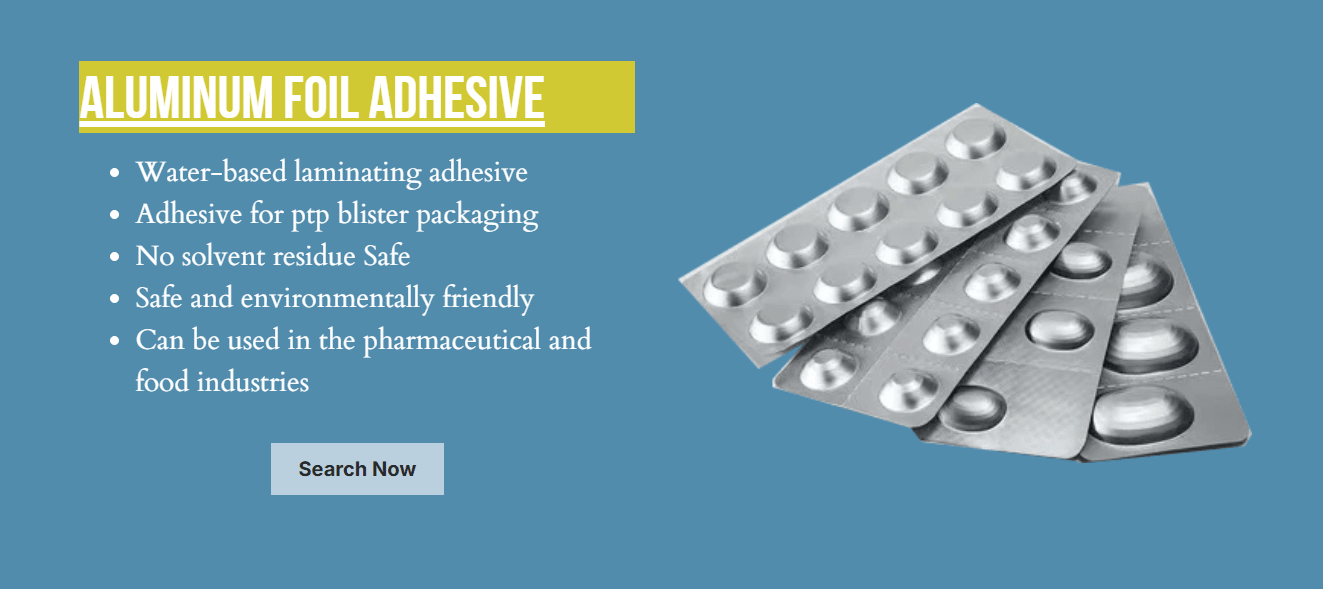
The adhesive manufacturing landscape is on the brink of transformation, driven by technological advancements and changing market dynamics. As companies strive to innovate, they are focusing on enhancing the adhesive manufacturing process to meet the evolving demands of various industries. This section will explore key trends shaping the future of adhesive manufacturing.
Advances in Formulation Science
Formulation science is experiencing a renaissance within adhesive manufacturing, as researchers seek to develop adhesives that offer superior performance while being environmentally friendly. The focus is now on creating formulations that provide better adhesion, faster curing times, and enhanced durability without compromising safety or sustainability. These innovations are crucial for adhesive manufacturing companies looking to differentiate themselves in a competitive market.
Moreover, advances in formulation science allow for customization tailored to specific applications—from automotive and construction to electronics and packaging. By leveraging novel raw materials and cutting-edge chemistry, manufacturers can produce specialized adhesives that meet stringent industry standards. As this trend continues, we can expect a proliferation of high-performance adhesives that cater to diverse needs.
The Role of Digital Transformation
Digital transformation is reshaping how adhesive manufacturing companies operate by integrating advanced technologies into their processes. From data analytics to artificial intelligence, these tools enable manufacturers to optimize production efficiency and reduce waste during the adhesive manufacturing process. With real-time monitoring capabilities, companies can quickly identify issues and adjust parameters for consistent quality control.
Additionally, digital platforms facilitate better collaboration between teams across different locations and streamline supply chain management—essential for navigating today's complex global landscape. Embracing digital transformation not only enhances operational efficiency but also positions adhesive manufacturers at the forefront of innovation in an increasingly competitive marketplace.
Emerging Markets and Opportunities
As global demand for adhesives continues to rise, emerging markets present significant opportunities for growth within the adhesive manufacturing sector. Regions such as Asia-Pacific are witnessing rapid industrialization and urbanization, leading to increased consumption of adhesives across various applications—from construction materials to automotive components. Adhesive manufacturing companies that strategically invest in these markets stand poised for substantial returns.
Furthermore, with shifts towards sustainable practices gaining momentum worldwide, there’s a growing demand for eco-friendly adhesives made from renewable resources or water-based formulations—another avenue for growth in emerging markets. By aligning product offerings with regional needs while adhering to environmental standards, manufacturers can effectively tap into new customer bases eager for innovative solutions.
Conclusion

The adhesive manufacturing industry stands at a pivotal moment, where innovation and sustainability converge to shape its future. As we have explored throughout this discussion, embracing new technologies and practices is not just beneficial but essential for the survival and growth of adhesive manufacturing companies. By continuously adapting to market demands and integrating cutting-edge solutions, these companies can ensure their relevance in an ever-evolving landscape.
Embracing Innovation in Adhesive Manufacturing
Innovation is the lifeblood of any successful adhesive manufacturing process, driving efficiency and product quality. The integration of automation and smart technologies has revolutionized production lines, enabling manufacturers to achieve unprecedented levels of precision and speed. As adhesive manufacturing companies adopt these advancements, they position themselves not only to meet current demands but also to anticipate future trends in the marketplace.
The Significance of Sustainable Solutions
In today's world, sustainability isn't just a buzzword; it's a necessity that resonates deeply within the adhesive manufacturing sector. The shift towards eco-friendly materials is becoming increasingly important, as consumers demand products that are both effective and environmentally responsible. Companies like Chemix are leading the charge with innovative water-based resin solutions that maintain performance while reducing environmental impact, showcasing how sustainable practices can coexist with high-quality adhesive production.
Future Outlook for Adhesive Manufacturing Companies
Looking ahead, the future of adhesive manufacturing appears bright yet challenging as companies navigate emerging markets and evolving regulations. Advances in formulation science will continue to unlock new possibilities for product development while digital transformation will reshape operational efficiencies across the board. Ultimately, those who embrace innovation alongside sustainable solutions will not only thrive but also redefine what it means to be a leader in the adhesive manufacturing industry.