
Introduction

In the vast landscape of manufacturing, adhesive manufacturing stands out as a cornerstone for countless industries. From automotive to packaging, adhesives play a crucial role in ensuring products are not only assembled but also function effectively and safely. The evolution of adhesive technology has led to a diverse array of industrial adhesive products that cater to various applications and performance requirements.
The Importance of Adhesive Manufacturing
Adhesive manufacturing is integral to modern production processes, providing solutions that enhance product durability and efficiency. Whether it’s hot melt adhesive glue used in packaging or high temperature resistant adhesives vital for aerospace applications, these materials ensure that components stay bonded even under extreme conditions. The significance of this sector cannot be overstated; it supports innovation across numerous industries while meeting the ever-growing demand for reliable bonding solutions.
Types of Adhesive Products Available
The world of adhesives is rich with variety, featuring an extensive range of products tailored to specific needs. Among these are pressure sensitive adhesives, which offer instant bonding without the need for heat or solvents, making them ideal for labels and tapes. Additionally, high heat resistant adhesives provide critical support in environments where temperatures soar, ensuring longevity and performance where it matters most.
Key Players in the Adhesive Industry
Navigating the adhesive industry reveals several key players who have established themselves as leaders through innovation and quality. Companies specializing in industrial adhesive products continuously push the envelope, developing new formulations that meet stringent regulatory standards while enhancing performance characteristics like adhesion strength and flexibility. These manufacturers not only drive advancements in adhesive technology but also shape market trends by responding swiftly to changing consumer demands.
Understanding Adhesive Manufacturing
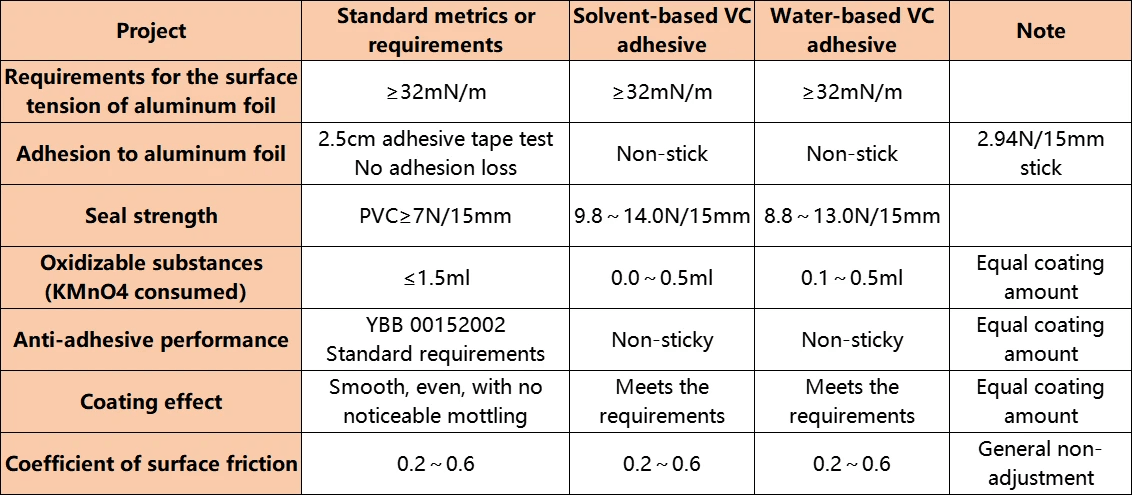
Adhesive manufacturing is a fascinating field that plays a critical role in various industries, ranging from automotive to packaging. With an array of adhesive types available, understanding their unique properties and applications can help businesses make informed choices. This section delves into the different adhesive types, the science behind them, and the latest innovations that are shaping the future of adhesive products.
Overview of Adhesive Types
Adhesives come in several varieties, each tailored for specific applications and performance requirements. Among these, hot melt adhesive glue stands out for its versatility and ease of use; it is commonly employed in packaging and assembly processes due to its rapid bonding capabilities. Other notable types include high temperature resistant adhesives, which are essential for industries that face extreme heat conditions, and pressure sensitive adhesives that offer quick stickiness without needing additional solvents or heat.
The industrial adhesive landscape is vast; it includes options like epoxy resins for structural bonding and cyanoacrylate adhesives known for their fast curing times. Each type of adhesive serves distinct purposes while catering to different industrial needs—making it crucial for manufacturers to choose wisely based on application requirements. By understanding these various adhesive types, companies can optimize their production processes while ensuring product durability.
The Science Behind Adhesives
At the core of effective adhesive manufacturing lies a complex interplay of chemistry and physics that determines how well adhesives bond materials together. Adhesives work primarily through adhesion (the attraction between different materials) and cohesion (the attraction within the same material). Factors such as surface energy, temperature stability—especially in high heat resistant adhesives—and environmental conditions can significantly impact adhesion performance.
Molecular interactions play a key role; for instance, hot melt adhesives rely on thermoplastic polymers that soften upon heating but solidify as they cool down—creating strong bonds with substrates. In contrast, pressure sensitive adhesives utilize viscoelastic properties to achieve tackiness at room temperature without requiring heat activation or chemical curing agents. This scientific foundation enables manufacturers to develop innovative industrial adhesive products tailored to meet specific challenges across various sectors.
Innovations in Adhesive Technology
The world of adhesive technology is continually evolving with advancements aimed at enhancing performance while minimizing environmental impact. For example, recent innovations have led to the development of eco-friendly formulations such as water-based resins that provide sustainable alternatives without sacrificing quality or effectiveness in bonding processes. These innovations not only address environmental concerns but also cater to industries increasingly focused on sustainability.
Additionally, advancements in high temperature resistant adhesives have opened new possibilities for applications in aerospace and automotive sectors where durability under extreme conditions is paramount. Furthermore, smart adhesives equipped with sensors can monitor bond integrity over time—ushering in a new era where technology meets traditional manufacturing methods seamlessly. As we look ahead, these trends signify a promising future for adhesive manufacturing by pushing boundaries beyond conventional expectations.
Hot Melt Adhesive Glue: Versatility at Its Best

Hot melt adhesive glue has carved a niche in the adhesive manufacturing landscape, thanks to its impressive versatility and quick bonding capabilities. This type of adhesive is primarily thermoplastic, meaning it becomes pliable when heated and solidifies upon cooling. Its adaptability makes it a go-to choice for various applications across multiple industries, from packaging to woodworking.
Applications of Hot Melt Adhesives
The applications of hot melt adhesives are as diverse as they are fascinating. They are widely used in packaging, where speed and efficiency are paramount; think of those boxes you receive that are securely sealed with a strong bond. In the automotive sector, hot melt adhesives play a crucial role in assembling components, while in the textile industry, they provide durable bonds for clothing and upholstery without compromising flexibility.
Moreover, hot melt adhesive glue finds its way into electronics, where it is employed for securing components on circuit boards due to its excellent thermal stability. The construction industry also benefits from high temperature resistant adhesives that can withstand extreme conditions without losing their integrity. With such broad applicability, it's no wonder that hot melt adhesives remain a staple in industrial adhesive products.
Benefits and Limitations
Hot melt adhesives come with an impressive list of benefits that make them highly desirable for many applications. For starters, they offer rapid bonding speeds; once applied and cooled, they create strong joints almost instantly—ideal for high-volume production environments. Additionally, these adhesives exhibit excellent resistance to moisture and chemicals compared to some traditional options.
However, like any product in the realm of adhesive manufacturing, hot melt adhesives have their limitations too. They may not perform well under extreme temperature fluctuations unless specifically formulated as high heat resistant adhesives. Furthermore, their initial cost can be higher than other types of industrial adhesive products; however, this is often offset by their long-term performance benefits.
Leading Brands in Hot Melt Adhesives
When it comes to leading brands in hot melt adhesive glue manufacturing, several names stand out prominently within the industry landscape. Companies like Henkel and 3M have established themselves as giants by consistently delivering high-quality products designed for various applications—from automotive assembly to consumer goods packaging. Their innovative approaches ensure that they remain at the forefront of advancements in hot melt technology.
Other notable players include Bostik and Avery Dennison; both brands offer an array of solutions tailored to meet specific needs within different sectors such as food packaging or electronics assembly using pressure sensitive adhesives as well as hot melts. As these companies continue pushing boundaries through research and development efforts focused on creating more efficient formulations or eco-friendly options like water-based resins—it's clear that competition remains fierce within this segment of adhesive manufacturing.
High Temperature Resistant Adhesives: Heat Challenges

High temperature resistant adhesives are specialized formulations designed to maintain their bonding capabilities under extreme heat conditions. These adhesives are crucial in applications where traditional adhesive manufacturing methods fall short, particularly in environments exceeding 150°C (302°F). Whether it's for automotive, aerospace, or electronics, understanding these adhesives is essential for ensuring product reliability.
Defining High Heat Resistant Adhesives
High heat resistant adhesives are engineered to withstand elevated temperatures without losing their adhesive properties. They typically contain advanced polymers and additives that enhance thermal stability, making them ideal for applications involving prolonged exposure to heat. In the realm of industrial adhesive products, these high temperature resistant adhesives stand out due to their ability to provide strong bonds even when faced with thermal stress.
Industries That Rely on High Temperature Adhesives
Several industries depend heavily on high temperature resistant adhesives for their operations. The automotive industry utilizes these adhesives in engine components and exhaust systems where heat is a constant challenge. Similarly, the aerospace sector leverages high heat resistant adhesive solutions for aircraft assemblies, ensuring safety and durability during flight conditions that involve significant thermal fluctuations.
Notable Products and Manufacturers
In the competitive landscape of adhesive manufacturing, several notable products have emerged as leaders in high temperature applications. Brands like 3M offer innovative solutions such as their high-performance epoxy resins specifically designed for extreme temperatures. Other manufacturers like Henkel provide a range of industrial adhesive products tailored for diverse applications requiring reliable performance under heat stress.
Pressure Sensitive Adhesives: The Stickiness Factor
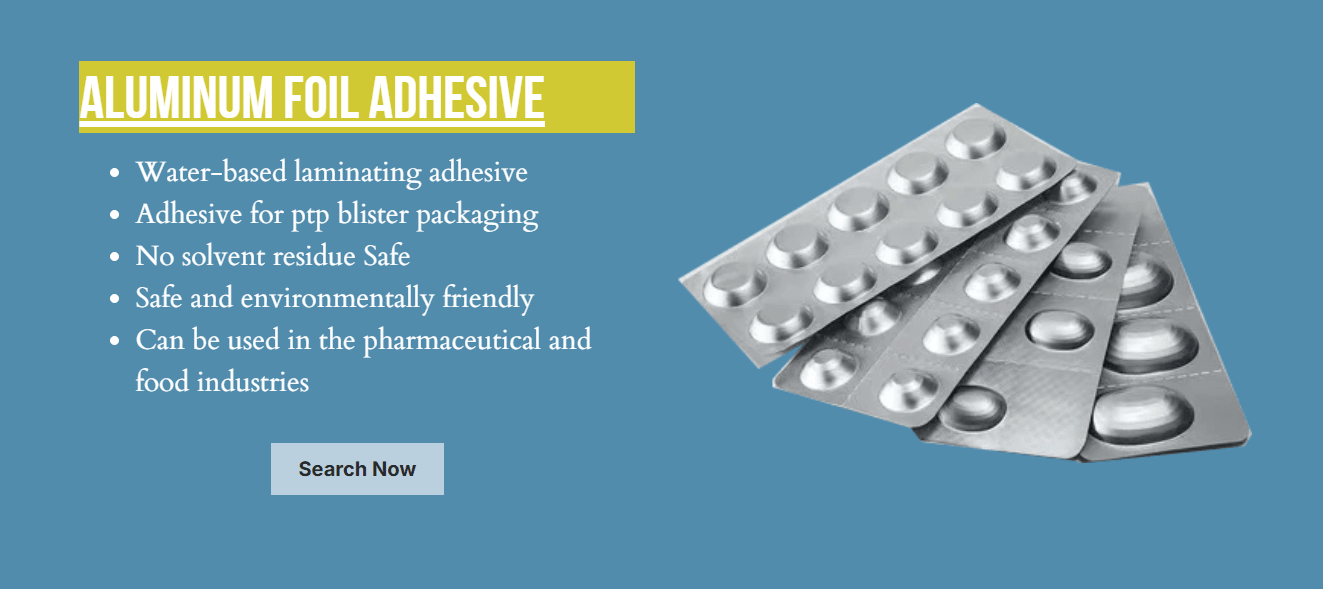
Pressure sensitive adhesives (PSAs) are a unique category of adhesive manufacturing that relies on pressure rather than heat or solvent activation to bond surfaces. These adhesives can adhere to substrates upon mere contact, making them incredibly versatile and user-friendly. Whether it's tape, labels, or stickers, PSAs play a crucial role in our daily lives and various industrial applications.
What Are Pressure Sensitive Adhesives?
Pressure sensitive adhesives are designed to provide instant adhesion without the need for additional heat or solvents, which sets them apart from traditional adhesives like hot melt adhesive glue. Their formulation typically includes a polymer backbone that gives them their sticky properties and allows them to bond with various surfaces effectively. This type of industrial adhesive is favored for its ease of use and quick application, making it an essential choice in many sectors.
Key Applications and Benefits
The applications for pressure sensitive adhesives are vast, ranging from simple household items like tape to complex industrial adhesive products used in automotive and electronics manufacturing. One significant benefit is their ability to create strong bonds while still allowing for repositioning before full adhesion occurs; this is particularly useful in packaging and labeling industries. Moreover, PSAs offer durability against environmental factors such as moisture and temperature fluctuations, making them suitable for both indoor and outdoor applications.
Industry Leaders in Pressure Sensitive Adhesives
Several companies have established themselves as leaders in the production of pressure sensitive adhesives within the adhesive manufacturing sector. Notable names include 3M, Henkel, and Avery Dennison—each offering a range of high-quality PSAs tailored for specific applications across industries such as automotive, healthcare, and consumer goods. These industry giants continue to innovate by developing new formulations that enhance performance while addressing sustainability concerns associated with traditional high heat resistant adhesives.
Chemix's Water-Based Resin Solution: A Sustainable Choice
In the evolving landscape of adhesive manufacturing, Chemix's water-based resin solution stands out as a beacon of sustainability. With growing environmental concerns, these resins offer an eco-friendly alternative to traditional adhesives that often rely on harmful solvents. By minimizing volatile organic compounds (VOCs), water-based resins contribute to cleaner air quality and a healthier planet, making them an attractive choice for manufacturers dedicated to reducing their ecological footprint.
Environmental Benefits of Water-Based Resins
Water-based resins are celebrated for their impressive environmental benefits, particularly in adhesive manufacturing. Unlike their solvent-based counterparts, they emit significantly fewer VOCs, which can be detrimental to both health and the environment. Moreover, these resins are often biodegradable and non-toxic, aligning perfectly with the increasing demand for sustainable industrial adhesive products that do not compromise performance or safety.
The production process for water-based adhesives also tends to consume less energy compared to traditional methods, further enhancing their green credentials. This energy efficiency not only lowers operational costs but also supports manufacturers' sustainability goals. As industries shift towards greener practices, water-based resins are becoming indispensable in creating high-quality hot melt adhesive glue and other bonding solutions.
Applications in Adhesive Manufacturing
Chemix's water-based resin solutions find extensive applications across various sectors within adhesive manufacturing. These versatile adhesives are ideal for use in woodworking, packaging, textiles, and automotive applications due to their strong bonding capabilities and quick curing times. Additionally, industries requiring high temperature resistant adhesives benefit from these innovative formulations that maintain performance under heat without compromising environmental standards.
In the realm of pressure sensitive adhesives (PSAs), water-based options are gaining traction as they provide excellent adhesion while being friendly to both users and the environment. Their ability to bond effectively on diverse substrates makes them a popular choice among manufacturers looking for flexible solutions that cater to different industrial needs. As more companies embrace sustainable practices, the demand for such eco-conscious adhesive products is likely to soar.
Performance vs. Traditional Adhesives
When comparing performance between Chemix’s water-based resins and traditional adhesives like solvent-based options or even high heat resistant adhesives, there’s much more than meets the eye! While traditional adhesives may excel in certain areas like initial tack or extreme conditions, advancements in formulation have allowed water-based options to catch up significantly—offering comparable strength without sacrificing sustainability.
Water-based resins exhibit remarkable stability under varying conditions while providing excellent adhesion properties similar to those found in industrial adhesive products made from solvents or hot melt formulations. Furthermore, users appreciate the ease of cleanup associated with water-soluble materials—a stark contrast from dealing with sticky residues left by solvent-heavy alternatives! Ultimately, choosing between these types hinges on specific application needs; however, it’s clear that Chemix’s commitment to sustainability doesn’t mean compromising on quality or effectiveness.
Conclusion

In the ever-evolving landscape of adhesive manufacturing, the future looks promising with continuous innovations and a growing emphasis on sustainability. As industries increasingly seek efficient and eco-friendly solutions, we can expect a surge in advanced formulations like hot melt adhesive glue and high temperature resistant adhesives that cater to diverse applications. The integration of technology into adhesive manufacturing processes is paving the way for smarter, more effective industrial adhesive products that meet the demands of modern-day challenges.
Future of Adhesive Manufacturing Trends
The adhesive manufacturing sector is witnessing transformative trends driven by technological advancements and environmental considerations. Notably, there's a rising interest in water-based adhesives which offer an eco-friendly alternative to traditional options, while still delivering robust performance comparable to their solvent-based counterparts. Furthermore, innovations in high heat resistant adhesives are set to redefine industries such as automotive and aerospace, where temperature extremes are commonplace.
Choosing the Right Adhesive for Your Needs
Selecting the right adhesive can feel like navigating a maze with countless options available—from pressure sensitive adhesives to specialized high temperature resistant adhesives. Understanding your specific application requirements is crucial; for instance, if you need something that bonds quickly yet remains flexible under stress, hot melt adhesive glue might be your go-to choice. On the other hand, if you're dealing with extreme heat conditions, investing in high heat resistant adhesive will ensure durability and performance.
The Role of Adhesives in Modern Industry
Adhesives play an indispensable role across various sectors, acting as unsung heroes that hold together our everyday products—from packaging materials to automotive components. Industrial adhesive products not only enhance manufacturing efficiency but also contribute significantly to product longevity and reliability. As we continue to innovate within this field, it's clear that adhesive manufacturing will remain at the forefront of industrial advancements.