
Introduction
In recent years, the demand for eco-friendly solutions has surged, leading to a significant rise in the use of eco-friendly adhesives. As industries strive to reduce their environmental impact, water-based options have emerged as a front-runner in this movement. This shift is particularly evident in the realm of adhesives in packaging, where sustainability and performance go hand in hand.
The Rise of Eco-Friendly Adhesives
The adhesive industry is undergoing a transformation as consumers and manufacturers alike prioritize sustainability. Traditional adhesives often contain harmful solvents that can pose risks to both health and the environment. In contrast, eco-friendly adhesives are paving the way for safer alternatives that not only meet stringent regulations but also offer effective bonding solutions.
Why Water-Based Options Matter
Water-based adhesives stand out due to their low volatile organic compound (VOC) content and reduced environmental footprint. These formulations are not only safer for workers but also contribute to cleaner air quality—an essential factor in today’s health-conscious world. Additionally, water-based options provide excellent adhesion properties while being versatile enough for various applications across different sectors.
Overview of Adhesives in Packaging
Adhesives play a crucial role in packaging by ensuring products remain securely sealed during transport and storage. The market is filled with various types of adhesives, including tapes, hot melts, and water-based solutions—each with its unique strengths and weaknesses. Understanding these options is vital for brands looking to optimize their packaging processes while embracing sustainable practices.
Understanding Water-Based Adhesives
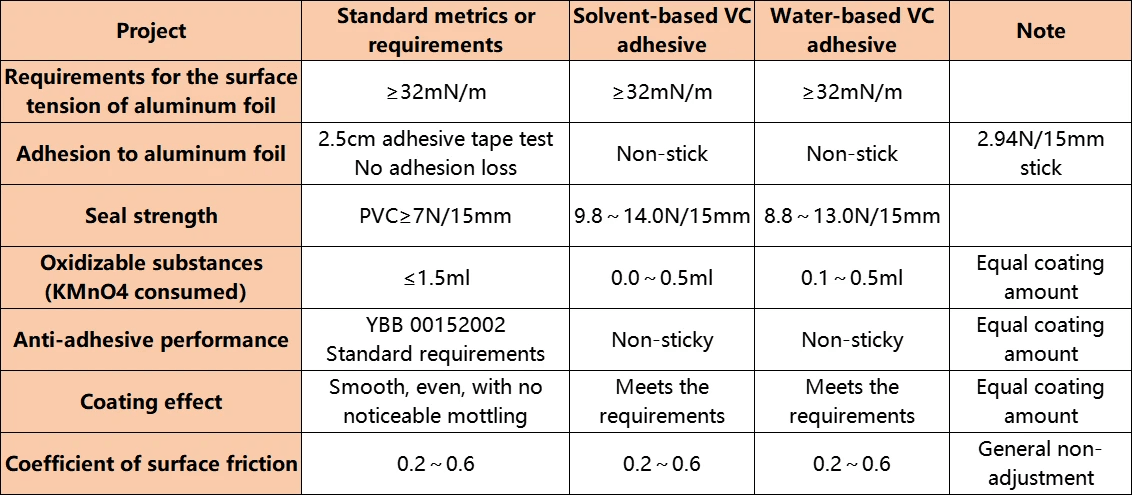
In the evolving landscape of adhesives in packaging, water-based adhesives are gaining significant traction. These innovative solutions are primarily composed of water as a solvent, making them a more environmentally friendly alternative to traditional adhesives like hot melts and tapes. By harnessing the power of water, these adhesives offer unique benefits that align with modern sustainability goals.
What Are Water-Based Adhesives?
Water-based adhesives are formulations that utilize water as their primary solvent, allowing for effective bonding without the harsh chemicals found in many traditional options. Unlike hot melts or tapes that may require high temperatures or solvents for application, water-based adhesives can be easily applied at room temperature. This versatility not only simplifies the manufacturing process but also enhances safety and reduces emissions during production.
Benefits Over Traditional Adhesives
For starters, they typically emit fewer volatile organic compounds (VOCs), making them safer for both workers and consumers alike. Additionally, their ease of cleanup with just soap and water makes them more user-friendly compared to the sticky aftermath of tape or the residue left by hot melts.
Furthermore, water-based adhesives offer exceptional adhesion properties while remaining flexible post-application; this means they can adapt better to various substrates used in packaging materials without compromising integrity. Their low odor is another plus point that enhances workplace comfort during application processes.
Applications in Packaging
The versatility of water-based adhesives makes them suitable for a wide range of applications within the packaging industry. They are commonly utilized in carton sealing, labeling, and laminating processes where strong yet flexible bonds are essential. In contrast to traditional options like tapes or hot melts that may not perform well under certain conditions (like temperature fluctuations), these eco-friendly alternatives maintain their effectiveness across diverse environments.
Moreover, as brands increasingly prioritize sustainability in their operations, incorporating water-based adhesives into packaging strategies reflects a commitment to reducing environmental impact while ensuring product quality remains uncompromised. From food packaging to consumer goods, these adhesives have carved out a crucial niche where performance meets eco-consciousness.
Chemix's Water-Based Resin Solution

In the ever-evolving landscape of adhesives in packaging, Chemix's water-based resin solution stands out as a beacon of sustainability. This innovative adhesive not only meets the demands of modern packaging but also addresses environmental concerns that traditional options often overlook. By embracing water-based technology, Chemix is paving the way for a greener future without compromising on performance.
A Game-Changer in Sustainability
Chemix’s commitment to sustainability is evident in its development of water-based resins, which significantly reduce harmful volatile organic compounds (VOCs) found in traditional adhesives like hot melts and tapes. This shift not only helps manufacturers comply with strict environmental regulations but also appeals to eco-conscious consumers seeking greener products. With water-based adhesives, companies can enhance their brand image while contributing positively to the planet.
Furthermore, these eco-friendly alternatives are made from renewable resources, further minimizing their carbon footprint compared to conventional options. By adopting Chemix's water-based solutions, businesses can actively participate in the global movement towards sustainable practices within the packaging industry. In doing so, they not only protect our environment but also position themselves as leaders in innovation and responsibility.
Properties of Chemix's Water-Based Resin
Chemix's water-based resin boasts impressive properties that make it an ideal choice for various adhesive applications within packaging. Its excellent adhesion strength ensures that packages remain securely sealed during transit and storage—no one wants their precious goods spilling out! Additionally, this resin exhibits remarkable flexibility and durability, allowing it to adapt seamlessly to different materials such as cardboard, plastic films, and more.
Another noteworthy feature is its quick-drying capability; this means faster production times without sacrificing quality—an essential factor for businesses looking to streamline operations. Moreover, unlike traditional hot melts or tapes that may require high temperatures for application, Chemix’s water-based solution operates effectively at lower temperatures, reducing energy consumption during manufacturing processes. These properties collectively position Chemix’s offerings as a superior choice among adhesives in packaging.
Use Cases for Packaging
The versatility of Chemix's water-based resin opens up a world of possibilities when it comes to use cases in packaging applications. From food and beverage containers to retail boxes and shipping materials, this adhesive can cater to diverse industries while maintaining stringent safety standards—perfect for those who prioritize health-conscious choices! Furthermore, its compatibility with various substrates makes it an attractive option for brands looking to innovate their packaging designs.
For instance, food brands can utilize Chemix’s adhesive solutions on paperboard cartons or flexible pouches without worrying about contamination risks or regulatory compliance issues—a win-win situation! Similarly, e-commerce businesses can rely on these adhesives for secure sealing methods that withstand rough handling during shipping while still being environmentally friendly—a critical factor today as consumers demand more sustainable practices from brands they support.
In summary, Chemix's water-based resin solution is not just another product; it's a transformative approach toward eco-friendly adhesives in packaging that balances performance with sustainability goals—proof that you don’t have to sacrifice one for the other!
Comparing Tapes, Hot Melts, and Water-Based
When it comes to adhesives in packaging, the options can be as varied as the products themselves. Tapes, hot melts, and water-based adhesives each have unique strengths and weaknesses that make them suitable for different applications. Understanding these differences is key to making informed choices that align with both performance needs and sustainability goals.
Strengths and Weaknesses
Tapes are often appreciated for their convenience and ease of use; they come in various types, including masking tape, duct tape, and packing tape. However, while tapes can provide quick solutions for sealing packages or securing items together, they may not always offer the strongest bond compared to other adhesive types. Hot melts are known for their impressive bonding capabilities; they offer high initial tack but may lack flexibility over time and can be sensitive to temperature changes.
Water-based adhesives stand out due to their eco-friendly nature and versatility in packaging applications. They provide a strong bond while being less harmful to the environment compared to traditional solvent-based options. However, water-based adhesives might require longer drying times than tapes or hot melts—an important consideration when speed is of the essence in production lines.
Choosing the Right Adhesives in Packaging
Selecting the right adhesive in packaging hinges on understanding both your material needs and environmental priorities. For instance, if you're working with lightweight materials or need a quick fix on a production line, tapes might be your best bet due to their ease of application. On the other hand, if durability is paramount—especially for heavier items—hot melts could provide that extra strength needed.
Water-based adhesives come into play when sustainability is a priority without compromising on performance. They are ideal for companies looking to reduce their carbon footprint while still ensuring strong bonds in packaging applications. Ultimately, evaluating your specific requirements will help you choose between tapes, hot melts, or water-based options effectively.
Environmental Impact Considerations
The environmental impact of adhesives in packaging cannot be overlooked; it's crucial to consider how each option aligns with sustainable practices. Tapes often contain synthetic materials that may not break down easily after disposal—leading to increased waste concerns over time. Hot melts typically rely on petroleum-derived components that raise similar environmental flags regarding biodegradability.
In contrast, water-based adhesives shine brightly when it comes to eco-friendliness—they contain fewer volatile organic compounds (VOCs) and are generally safer for both users and our planet's health overall. By opting for water-based solutions where feasible, brands can significantly reduce their ecological footprint while still enjoying reliable adhesion properties in their packaging processes. As consumers increasingly demand greener practices from companies they support, investing in environmentally conscious adhesive options becomes not just beneficial but essential.
Innovations in Water-Based Adhesives
In the ever-evolving world of adhesives in packaging, water-based options are paving the way for a greener future. Recent innovations have made these adhesives not only more effective but also more versatile, meeting the diverse needs of manufacturers and consumers alike. As sustainability becomes a priority, water-based adhesives are emerging as the go-to solution for eco-conscious businesses.
Recent Developments in Technology
Recent advancements in technology have transformed water-based adhesives into high-performance alternatives to traditional tapes and hot melts. Enhanced formulations now offer improved adhesion properties, faster drying times, and greater resistance to environmental factors like moisture and temperature fluctuations. These developments ensure that water-based adhesives can compete head-to-head with their solvent-based counterparts, making them an attractive option for various applications in packaging.
Moreover, innovations such as nanotechnology and bio-based materials are elevating the performance of water-based adhesives even further. By incorporating these cutting-edge materials, manufacturers can create products that provide superior bonding strength while remaining environmentally friendly. This shift is crucial as companies increasingly seek out sustainable solutions without compromising on quality or effectiveness.
Customization Options for Different Needs
One of the most exciting aspects of modern water-based adhesives is their customization potential tailored to specific packaging needs. Manufacturers can now adjust formulations to achieve desired properties such as flexibility, strength, or resistance to chemicals—an essential factor when selecting between tapes, hot melts, and water-based options for different applications. This level of customization allows businesses to optimize their adhesive choices based on product requirements and environmental considerations.
Additionally, companies can develop bespoke adhesive solutions that cater specifically to niche markets or unique product lines within the packaging industry. This adaptability not only enhances performance but also supports brands in differentiating themselves from competitors by offering specialized solutions that meet consumer demands for sustainability and functionality. The result is a win-win scenario where both brands and consumers benefit from innovative adhesive technologies.
Real-World Examples of Success
Several companies have successfully implemented innovative water-based adhesives into their packaging processes with impressive results. For instance, a leading beverage brand recently transitioned from traditional hot melts to a state-of-the-art water-based adhesive solution that significantly reduced waste while maintaining package integrity during transit. This change not only aligned with their sustainability goals but also demonstrated how effective these modern adhesives can be in real-world scenarios.
Another notable example comes from an eco-friendly cosmetics company that utilized customized water-based adhesives for its product line's packaging design—allowing them to create visually appealing labels without compromising adherence or durability. The success of this initiative showcases how embracing innovation can lead to remarkable outcomes within the competitive landscape of cosmetics packaging while adhering to environmentally conscious practices.
These real-world examples illustrate how advancements in technology and customization options are transforming the landscape of adhesives in packaging—showing that going green doesn't mean sacrificing performance or creativity.
Future Trends in Packaging Adhesives
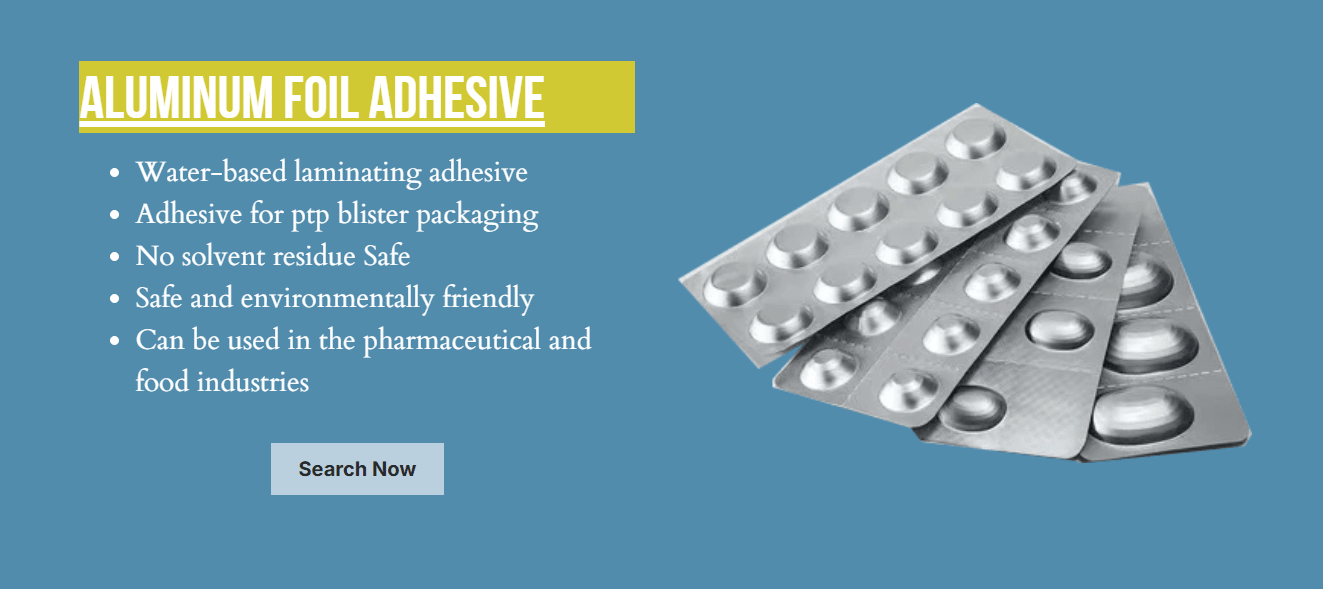
The landscape of adhesives in packaging is rapidly evolving, driven by a collective push towards sustainability and eco-friendliness. As consumers become more environmentally conscious, brands are responding by seeking out alternatives that minimize environmental impact while still delivering top-notch performance. This shift not only influences the types of adhesives used but also shapes the entire packaging ecosystem.
The Move Towards Sustainability
Sustainability is no longer just a buzzword; it's becoming a core principle for businesses, especially in the realm of adhesives in packaging. Water-based adhesives are leading this charge, offering manufacturers an eco-friendly option that reduces harmful emissions and waste. Moreover, as brands strive to meet regulatory standards and consumer expectations, the shift towards sustainable solutions like water-based options will continue to gain momentum.
In addition to water-based options, there's an increasing emphasis on recyclable and biodegradable materials across all types of adhesives in packaging. Tapes and hot melts are also being reformulated to align with these green initiatives, ensuring they can be disposed of responsibly without contributing to landfill waste. Ultimately, this movement towards sustainability reflects a broader commitment within industries to protect our planet for future generations.
Predictions for Adhesives in Packaging
Looking ahead, we can expect significant advancements in the technology behind adhesives in packaging—particularly with water-based formulations becoming increasingly sophisticated. Innovations may lead to enhanced bonding strength and versatility that rival traditional methods like tapes and hot melts while maintaining their eco-friendly credentials. As research continues into new materials and processes, we might even see hybrid solutions that combine the best features of each type.
The demand for customizable adhesive solutions will also rise as brands seek tailored options that meet specific needs without compromising on sustainability or performance. This trend could lead to more companies investing in R&D focused on developing unique formulations suited for various applications—from food packaging to electronics—ensuring compatibility with diverse substrates while remaining environmentally friendly.
How Brands Can Adapt
To stay ahead in this dynamic landscape of adhesives in packaging, brands must embrace innovation and flexibility when choosing their adhesive solutions. Transitioning from traditional tapes or hot melts to advanced water-based products requires not only an understanding of the benefits but also a willingness to experiment with new materials and techniques that could enhance their product offerings.
Education is key; brands should invest time into understanding how different adhesive technologies work together within their supply chains while considering environmental impacts at every stage—from production through disposal. Collaborating with suppliers who prioritize sustainability can provide valuable insights into effective practices that align with both business goals and consumer expectations.
Adapting successfully means being proactive rather than reactive—companies should anticipate changes rather than wait until trends become mainstream before making moves toward greener alternatives like water-based adhesives or innovative tape solutions designed for recycling efficiency.
Conclusion
In the ever-evolving world of packaging, water-based adhesives have emerged as a beacon of sustainability and efficiency. Their unique properties not only outperform traditional options like tapes and hot melts but also align with the growing demand for eco-friendly solutions. As businesses strive to reduce their environmental footprint, understanding the benefits of water-based adhesives in packaging becomes increasingly vital.
Summary of Water-Based Benefits
Water-based adhesives offer a plethora of advantages that make them an attractive choice for modern packaging needs. First and foremost, they are significantly less harmful to the environment compared to solvent-based alternatives, reducing volatile organic compounds (VOCs) and promoting healthier indoor air quality. Additionally, these adhesives provide excellent bonding strength while maintaining flexibility, making them suitable for a wide range of applications in packaging.
Moreover, water-based options often allow for easier cleanup and safer handling during manufacturing processes, which benefits both workers and the planet. With their versatility in adhering various materials together without compromising performance or durability, water-based adhesives stand out as a smart choice for businesses looking to innovate responsibly in their packaging strategies.
The Role of Chemix in Modern Packaging
Chemix has positioned itself at the forefront of sustainable adhesive solutions with its innovative water-based resin offerings. By focusing on eco-friendly formulations that prioritize both performance and environmental stewardship, Chemix is redefining what it means to be a leader in adhesives in packaging. Their products not only meet stringent industry standards but also cater to diverse customer needs across various sectors.
The company’s commitment to research and development ensures that Chemix remains ahead of trends, continuously improving its offerings while reducing waste and energy use during production. As brands seek reliable partners who share their sustainability goals, Chemix stands out as an exemplary model for integrating environmentally friendly practices into every aspect of adhesive production.
Final Thoughts on Eco-Friendly Solutions
In conclusion, the shift towards eco-friendly solutions is not just a trend—it's a necessity driven by consumer demand and regulatory pressures alike. Water-based adhesives represent a significant step forward in achieving sustainable practices within the packaging industry while offering superior performance compared to traditional tapes and hot melts. Brands willing to embrace these innovations will not only contribute positively to the environment but also position themselves favorably in an increasingly conscious market.
As we look ahead, it’s clear that embracing water-based options will be crucial for any brand aiming for longevity amidst changing consumer expectations regarding sustainability. The future is bright for eco-friendly adhesives in packaging; let’s make sure we’re part of this exciting journey toward greener solutions!