
Introduction

Polyethylene and polypropylene are two of the most widely used plastics in various industries, each possessing unique characteristics that influence their compatibility with adhesives. Whether you're looking for the best adhesive for plastic or specifically glue for PP plastic, knowing what you're working with can make all the difference.
Understanding Polyethylene and Polypropylene
Polyethylene is known for its flexibility and resistance to moisture, making it a popular choice in packaging and containers. On the other hand, polypropylene boasts higher temperature resistance and is often used in automotive parts and consumer goods. Both materials require specialized adhesives to achieve strong bonds; thus, identifying the best glue to plastic is essential for successful applications.
The Need for Expert Glues
Standard glues may not provide the durability or strength needed for long-lasting results, which is why expert glues designed specifically for these materials are critical. Whether you’re crafting or repairing items made from plastic with adhesive properties, selecting the right super adhesive can save time and frustration.
What Makes a Great Plastic Glue
A great plastic glue should offer strong adhesion while being easy to apply; this balance ensures a successful bond without unnecessary mess or complications. Additionally, factors such as drying time, resistance to environmental conditions, and overall durability play significant roles in determining which product stands out as the best adhesive glue for plastic projects. Ultimately, choosing an adhesive tailored to your specific needs will lead you toward achieving optimal results with your bonding endeavors.
Overview of Polyethylene and Polypropylene

Understanding the characteristics of polyethylene and polypropylene is essential for selecting the best adhesive glue for plastic applications. These two types of plastics are widely used in various industries, and knowing their properties can guide you in choosing the right glue for PP plastic or other similar materials. Let’s dive into their specific traits and significance in manufacturing.
Characteristics of Polyethylene
Polyethylene, often abbreviated as PE, is one of the most common plastics known for its flexibility and chemical resistance. It comes in various densities, including low-density polyethylene (LDPE) and high-density polyethylene (HDPE), each offering unique benefits such as toughness or rigidity. When searching for the best glue to plastic, it’s crucial to note that standard adhesives may struggle to bond effectively with polyethylene due to its non-polar nature.
Characteristics of Polypropylene
Polypropylene (PP) is another popular plastic known for its strength-to-weight ratio and resistance to fatigue, chemicals, and heat. This makes it an ideal candidate in automotive parts, packaging materials, and even textiles where durability is paramount. When considering adhesive options like glue for PP plastic, it's important to remember that polypropylene also presents challenges due to its low surface energy.
The glossy finish on polypropylene often hinders adhesion unless treated properly or paired with specialized adhesives designed specifically for this type of material. Many users seek out the best adhesive for plastic projects involving polypropylene because standard glues typically do not perform well under stress or exposure to environmental factors. Therefore, understanding these characteristics helps ensure you select an effective bonding solution.
Importance in Manufacturing
Both polyethylene and polypropylene play critical roles across numerous manufacturing sectors due to their versatile properties and cost-effectiveness. From packaging solutions that keep products safe during transit to durable components used in automotive assembly lines—these plastics are everywhere! The right adhesive choices can enhance product integrity significantly when working with these materials.
In addition to their physical properties, the importance of selecting the best glue for plastic cannot be overstated; a strong bond ensures longevity while reducing waste from failed connections or breakages over time. As industries continue evolving towards more sustainable practices, finding reliable methods—including super adhesives—becomes increasingly vital in maintaining efficiency without compromising quality standards. Thus, understanding both polyethylene's and polypropylene's roles helps manufacturers make informed decisions about their production processes.
Best Adhesive Glue for Plastic

Gorilla Glue for Plastic
Gorilla Glue has gained a reputation as a super adhesive that works wonders on various materials, including plastics. This polyurethane-based glue expands as it cures, allowing it to fill gaps and create a robust bond even with challenging surfaces like PP plastic. Users often praise Gorilla Glue as one of the best glues for plastic due to its versatility and strength; however, it's essential to note that moisture is required for optimal adhesion.
While applying Gorilla Glue, remember that less is more—too much can lead to messy results. It’s also advisable to clamp your pieces together while curing to ensure they stay aligned during the bonding process. With its impressive durability and ease of use, Gorilla Glue remains a top choice when searching for the best adhesive for plastic projects.
E6000 Craft Adhesive
E6000 Craft Adhesive is another heavy-hitter in the realm of plastic adhesives. This industrial-strength glue offers flexibility once cured, making it ideal for applications where movement might occur after bonding—perfect for crafts or repairs involving plastic with adhesive needs! Many consider E6000 one of the best glues to plastic because it adheres well not only to polypropylene but also to other materials like metal and wood.
The application process is straightforward: simply apply E6000 directly from its tube onto clean surfaces and allow it time to cure fully—typically 24-72 hours depending on conditions. Its clear finish makes it suitable for visible repairs too, so you don’t have to worry about unsightly marks ruining your project’s aesthetics. If you’re looking for reliable glue for PP plastic that provides both strength and flexibility, E6000 deserves serious consideration.
Loctite Plastic Bonder
Loctite Plastic Bonder stands out as an exceptional choice among adhesives designed specifically for plastics. This two-part epoxy system creates an incredibly strong bond on various types of plastics—including polyethylene and polypropylene—making it one of the best adhesive glues for plastic available today! With its quick setting time (around 20 minutes), you won’t be left waiting long before your project is ready.
One key advantage of Loctite Plastic Bonder is its resistance to water and harsh environmental factors, ensuring longevity in outdoor applications or high-moisture areas. Just mix equal parts from each tube before application; once combined, this super adhesive will work effectively on even challenging surfaces without fussing over surface preparation too much! For anyone seeking reliability in their bonding needs with plastics requiring superior adhesion qualities, Loctite should be at the top of your list.
Glue for PP Plastic: Options and Recommendations

3M Super 77 Spray Adhesive
3M Super 77 Spray Adhesive is often hailed as one of the best glues for plastic because of its versatility and ease of use. This multi-purpose spray adhesive provides an incredibly strong bond on various surfaces, including PP plastic, making it a go-to choice among DIY enthusiasts and professionals alike. With its fast-drying formula and excellent coverage, it's no wonder this product is frequently recommended when searching for the best adhesive glue for plastic projects.
One of the standout features of 3M Super 77 is its ability to create an ultra-strong hold without requiring extensive surface preparation—ideal when working with tricky materials like polypropylene. Just spray it on both surfaces, let it sit briefly, press them together, and voila! You have yourself a secure bond that can withstand moderate environmental stressors.
However, while this super adhesive works wonders on many surfaces, keep in mind that it may not be suitable for high-temperature applications or areas exposed to moisture over time. Always check your project's specific needs before committing!
J-B Weld Plastic Bonder
When looking for the best glue to plastic in terms of strength and durability, J-B Weld Plastic Bonder deserves a spot at the top of your list. This two-part epoxy provides an incredibly robust bond specifically designed for plastics like polypropylene—making it one of the best adhesives available today. Once mixed properly and applied according to instructions, this bonder cures quickly into a tough finish that can handle impacts and even some chemicals.
What sets J-B Weld apart from other options is its impressive tensile strength after curing; this means your bonded materials will stay firmly attached even under stress or strain. Plus, it's resistant to water once fully cured—perfect if your project involves exposure to moisture or outdoor conditions.
If you're seeking an effective solution when bonding PP plastic with adhesive properties that last long-term, look no further than J-B Weld Plastic Bonder—it’s hard to beat this powerhouse in durability!
Chemix's Water-Based Resin Solution
For those who prefer eco-friendly options while seeking out the best glue for plastic projects involving polypropylene (PP), Chemix's Water-Based Resin Solution stands out as an innovative choice. This environmentally conscious adhesive offers excellent bonding capabilities without harsh chemicals typically found in traditional adhesives—making it perfect if you're looking for something safer yet effective.
The beauty of Chemix's resin solution lies not only in its bonding power but also in its versatility; it's suitable not just for plastics but also wood and fabric! With such adaptability combined with easy application methods (simply brush or squeeze onto surfaces), you'll find yourself reaching for this option time after time when tackling various crafting endeavors.
While Chemix might take slightly longer than some other super adhesives regarding curing times—patience pays off here! Once fully set up though? You’ll have a solid bond ready to take on whatever life throws at it—all while feeling good about using environmentally friendly products!
Evaluating Adhesive Durability
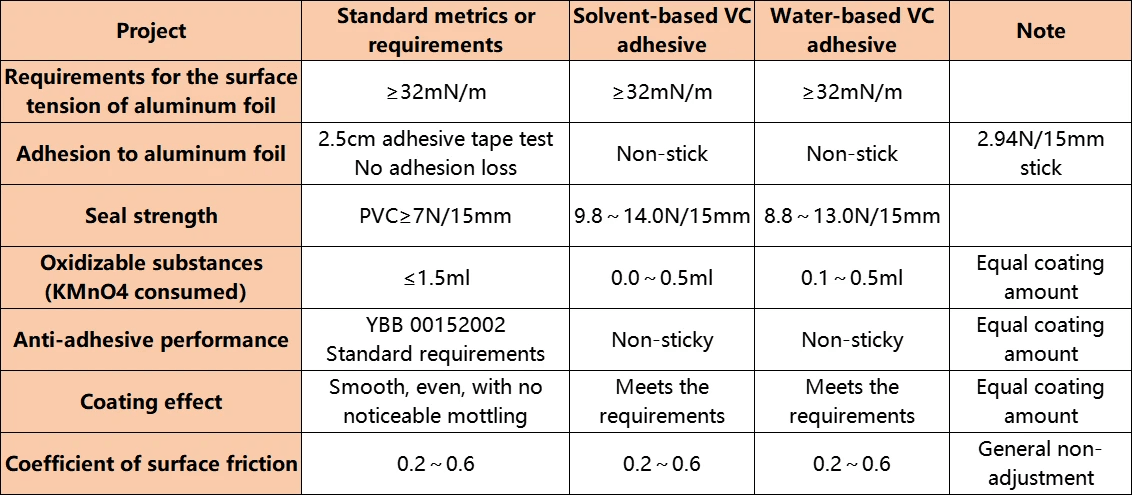
Strength Testing for Adhesives
Strength testing is essential in determining how well a glue for PP plastic can hold up under stress. Common methods include tensile strength tests, where samples are pulled apart until they fail, providing insight into the adhesive's maximum load capacity. Additionally, shear strength tests evaluate how well the adhesive withstands forces applied parallel to the bond line—key information if you're looking for super adhesives that won’t let you down.
In practice, adhesives like Loctite Plastic Bonder often excel in these tests due to their unique formulations designed specifically for plastics. When searching for the best adhesive for plastic projects, consider those that have been rigorously tested and proven to resist failure under various loads. Ultimately, selecting a strong adhesive ensures that your bonded plastics remain intact even when subjected to everyday wear and tear.
Resistance to Environmental Factors
Environmental factors can wreak havoc on bonded plastics if not properly considered during your selection process. Temperature fluctuations, humidity levels, and exposure to chemicals can all compromise an adhesive's integrity over time. Therefore, choosing an adhesive known for its resilience against these elements is vital; look no further than options like E6000 Craft Adhesive or 3M Super 77 Spray Adhesive.
These products are formulated with additives that enhance their resistance to environmental stressors while maintaining flexibility and durability in extreme conditions. The best glue for plastic should be able to withstand both indoor and outdoor environments without deteriorating or losing its bonding capabilities. By prioritizing resistance to environmental factors in your choice of glue, you ensure longer-lasting results in your projects.
Longevity of Bonded Plastics
The longevity of bonded plastics ultimately reflects the quality of the chosen adhesive as well as proper application techniques used during installation. Over time, some adhesives may degrade due to UV exposure or moisture infiltration; thus it's critical to select one known for its long-lasting properties—like J-B Weld Plastic Bonder which has garnered a reputation among DIY enthusiasts as one of the best glues on the market today.
Regular maintenance checks can also help extend the life of bonded joints by identifying any signs of wear early on before they become problematic. Remember that even with top-notch glues like Chemix's Water-Based Resin Solution or Gorilla Glue designed specifically for plastics, improper application can lead to premature failure—so always follow recommended guidelines closely! Ultimately, investing time into evaluating longevity will pay off when your projects stand strong against daily challenges.
Application Techniques for Best Results

When it comes to achieving a strong bond with plastic, particularly polyethylene and polypropylene, application techniques are just as crucial as choosing the right adhesive. Understanding how to prepare surfaces, apply glue effectively, and allow for proper curing can make all the difference in your project. Whether you're using the best adhesive glue for plastic or a super adhesive specifically designed for glue for PP plastic, these techniques will ensure optimal results.
Surface Preparation Tips
Surface preparation is a key step in ensuring that your chosen glue adheres properly to the plastic. Start by thoroughly cleaning the surfaces you plan to bond; dirt, grease, and dust can significantly weaken the bond. Use isopropyl alcohol or soap and water to scrub away contaminants—this will help create a clean surface that allows the best adhesive for plastic to perform at its peak.
After cleaning, consider roughening up smooth surfaces with fine-grit sandpaper; this increases surface area and improves adhesion. For plastics like polypropylene that are notoriously difficult to bond, using a primer can enhance grip even more—look for products specifically designed for use with glue for PP plastic. Remember that taking these extra steps in surface preparation not only helps with adhesion but also extends the longevity of your bonded plastics.
Proper Application Methods
Applying your adhesive correctly is essential if you want to achieve a lasting bond when working with plastics. Follow the manufacturer's instructions regarding how much glue to use; applying too little may lead to weak bonds while too much could cause messiness or even bonding failure due to excess material seeping out from between surfaces. For precision application of super adhesives like E6000 Craft Adhesive or Loctite Plastic Bonder, consider using applicator tips or small brushes.
When bringing two pieces of plastic together, ensure they fit snugly without excessive force—too much pressure can disrupt the bonding process and lead to uneven adhesion. If you're dealing with larger pieces or intricate shapes, clamps may be beneficial during this stage; they hold everything in place while allowing the best glue for plastic time to set properly.
Curing Times and Conditions
Curing times are crucial when working with adhesives; they determine how long you'll need to wait before stressing your newly bonded materials. Most super adhesives will have recommended curing times listed on their packaging—generally ranging from 24 hours up to several days depending on factors such as humidity and temperature conditions during application. Be sure you’re aware of these guidelines so you don’t inadvertently compromise your work by handling it too soon.
Environmental factors play a significant role in curing effectiveness as well; high humidity levels might slow down drying times while warmer temperatures usually speed them up. Always store your glued items in an area where temperature fluctuations are minimal until fully cured—this stability helps maintain integrity across bonded areas using any type of best adhesive glue for plastic you choose. With patience during this phase, you'll achieve stronger bonds that stand up against wear over time.
Conclusion
When it comes to selecting the right adhesive for your needs, understanding the specific requirements of your project is crucial. Whether you're working with polyethylene or polypropylene, knowing what makes the best glue for plastic can save you time and frustration. The right glue for PP plastic can make all the difference in achieving a strong, lasting bond that withstands various conditions.
Choosing the Right Adhesive for Your Needs
Choosing the best adhesive glue for plastic often boils down to considering factors like material compatibility and application method. For instance, if you're bonding polypropylene, look for super adhesives specifically formulated for that purpose; they will ensure a more reliable connection than general-purpose glues. Additionally, consider whether you need a waterproof solution or one that can endure extreme temperatures—these specifications will guide you toward finding the best glue to plastic.
Comparing Performance of Different Glues
Not all adhesives are created equal, especially when it comes to performance on different plastics. Some glues excel in flexibility while others provide superior strength; thus comparing options like Gorilla Glue versus E6000 Craft Adhesive can be enlightening. When evaluating the best adhesive for plastic applications, consider their curing times and resistance to environmental factors—this will help you determine which product stands out as truly effective.
Final Thoughts on Plastic Adhesives
In summary, finding the best glue for plastic requires careful consideration of both material properties and adhesive capabilities. With so many options available—from J-B Weld Plastic Bonder to Chemix's Water-Based Resin Solution—it's essential to choose wisely based on your specific needs. Remember that investing in quality adhesives not only enhances durability but also ensures peace of mind when working with plastics.