
Introduction
In the world of adhesives, water-based laminating adhesive has gained significant traction for its eco-friendly properties and versatility. As industries seek sustainable solutions, understanding how these adhesives work becomes paramount. This introduction will delve into the benefits of innovative technologies like 100℃ anti-boiling and highlight the crucial role played by polyurethane based adhesives in modern applications.
Understanding Water-Based Laminating Adhesive
Water-based laminating adhesives are designed to bond various materials while minimizing environmental impact. They are composed primarily of water as a solvent, making them a safer choice compared to traditional solvent-based options that can release harmful volatile organic compounds (VOCs). By utilizing polyurethane based adhesive formulations, manufacturers can achieve strong bonds without compromising on performance or safety.
Benefits of 100℃ Anti-Boiling Technology
The 100℃ anti-boiling technology represents a significant advancement in adhesive formulation, allowing for enhanced performance under high-temperature conditions. This technology ensures that the adhesive maintains its integrity even when exposed to boiling temperatures, making it ideal for demanding applications in industries such as packaging and manufacturing. The combination of this heat resistance with polyurethane based adhesive properties results in reliable bonding solutions that stand the test of time.
The Role of Polyurethane Based Adhesives
Polyurethane based adhesives are renowned for their exceptional bonding capabilities across a variety of materials, including plastics and metals. They offer flexibility, durability, and impressive resistance to environmental factors such as moisture and temperature fluctuations. When considering what is polyurethane adhesive used for?, it becomes clear that their applications range from automotive components to construction materials—truly showcasing their versatility in modern manufacturing processes.
What Is Polyurethane Adhesive?

Polyurethane adhesive is a versatile bonding agent that has gained popularity across various industries due to its unique properties. This type of adhesive is formulated from polyurethane polymers, which are known for their durability and flexibility. As a result, polyurethane based adhesive can be used in a wide range of applications, making it an essential tool for manufacturers and DIY enthusiasts alike.
Definition and Composition
At its core, polyurethane adhesive is created by reacting polyols with diisocyanates to form a polymeric structure that exhibits strong adhesion characteristics. This composition allows the adhesive to cure into a robust and resilient bond that can withstand various environmental conditions. The unique chemical structure of polyurethane adhesives contributes to their effectiveness in bonding dissimilar materials, making them suitable for diverse applications.
Versatility in Applications
One of the standout features of polyurethane based adhesive is its versatility; it's employed in numerous sectors including construction, automotive, and packaging industries. From adhering wood components in furniture manufacturing to sealing joints in automotive assemblies, the question What is polyurethane adhesive used for? can be answered with a long list of applications that highlight its adaptability. Additionally, innovations in packaging have seen these adhesives being utilized for creating moisture-resistant seals that enhance product shelf life.
Environmental Impact of Polyurethane
While discussing polyurethane adhesives, it's essential to consider their environmental impact as well. Traditional solvent-based adhesives can emit volatile organic compounds (VOCs), contributing to air pollution; however, water-based polyurethane options present a more eco-friendly alternative without compromising performance. As consumers become increasingly aware of sustainability issues, many manufacturers are shifting towards using waterborne formulations to minimize their ecological footprint while still benefiting from the strength and reliability that polyurethane based adhesives offer.
What Is Polyurethane Adhesive Used For?
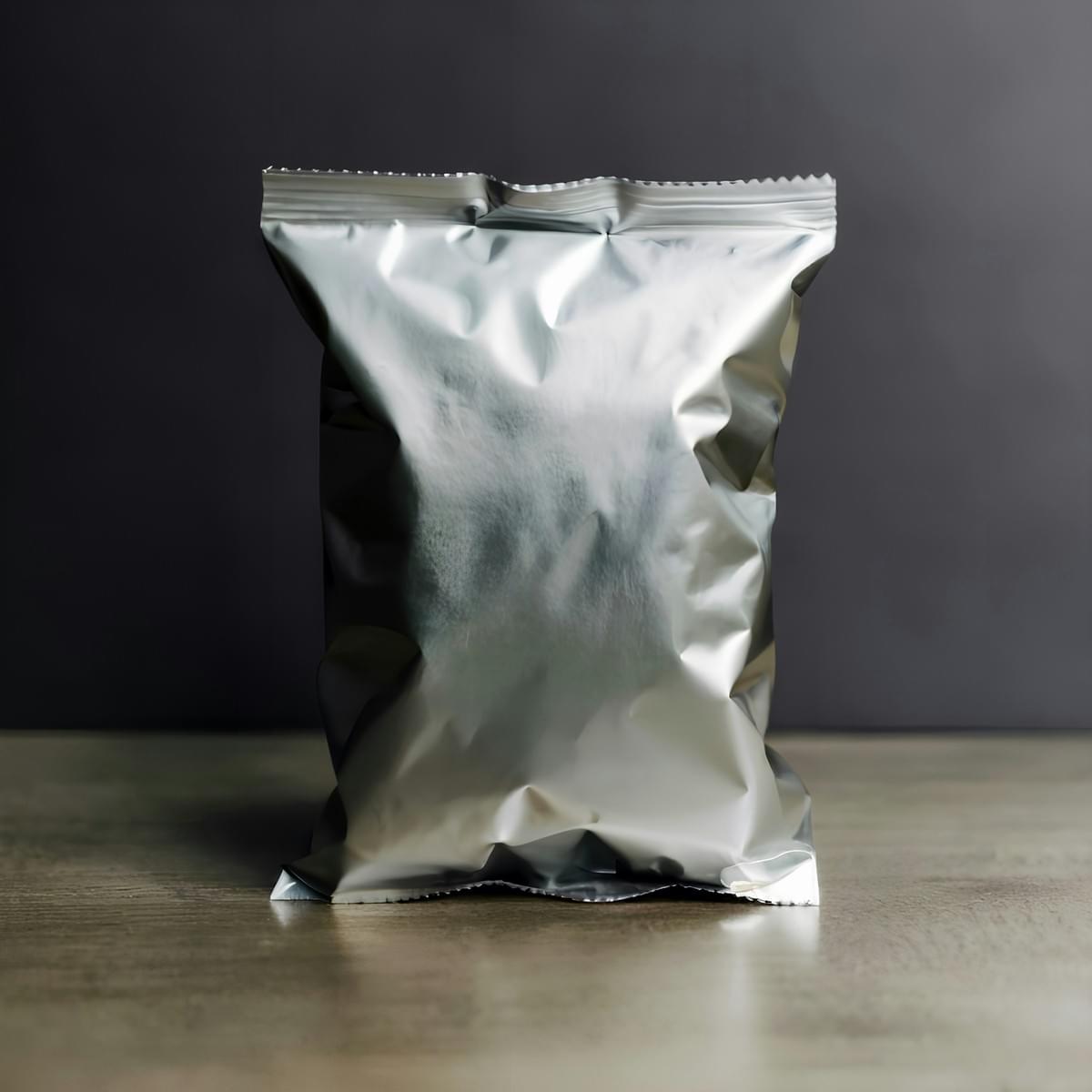
Polyurethane-based adhesives are versatile and widely used across various industries due to their unique properties. These adhesives are known for their strong bonding capabilities, flexibility, and resistance to environmental factors. So, what is polyurethane adhesive used for? Let’s dive into its applications, innovations in packaging, and some fascinating case studies.
Common Uses in Different Industries
Polyurethane adhesive finds its place in numerous sectors including automotive, construction, and furniture manufacturing. In the automotive industry, these adhesives are employed for assembling components like dashboards and windshields due to their strong adhesion and durability. The construction sector leverages polyurethane-based adhesive for bonding materials such as wood, metal, and concrete, ensuring robust structures that can withstand varying weather conditions.
Moreover, furniture manufacturers often utilize polyurethane glue for its ability to bond different surfaces seamlessly while providing a smooth finish. This versatility allows manufacturers to create intricate designs without compromising strength or aesthetics. As a result of these diverse applications, polyurethane adhesives have become essential tools across multiple industries.
Innovations in Packaging and Manufacturing
In recent years, the packaging industry has seen significant innovations driven by the use of polyurethane-based adhesives. These adhesives not only enhance the durability of packaging materials but also improve their performance under various conditions—essentially answering the question: is polyurethane adhesive heat resistant? Yes! Many formulations boast thermal stability that withstands high temperatures during shipping or storage.
Additionally, manufacturers are increasingly exploring eco-friendly options within this adhesive category to meet sustainability goals without sacrificing performance. Innovations such as water-based polyurethane resins offer improved safety profiles while maintaining excellent adhesion properties—perfect for environmentally-conscious brands looking to reduce their carbon footprint.
Case Studies of Successful Applications
Several case studies highlight the effectiveness of polyurethane-based adhesive in real-world applications across various sectors. One notable example comes from a leading automotive manufacturer that replaced traditional bonding methods with polyurethane glue for attaching vehicle panels; this switch not only reduced production time but also enhanced overall vehicle strength—a win-win situation!
Another impressive application was seen in a furniture company that utilized this type of adhesive when creating outdoor furniture collections designed to endure harsh weather conditions. By employing a waterproof formulation of polyurethane glue specifically designed for outdoor use, they ensured long-lasting durability without compromising on style or comfort.
These examples illustrate just how effective and adaptable polyurethane adhesives can be across different settings—whether it’s enhancing product quality or streamlining production processes.
Is Polyurethane Adhesive Heat Resistant?

When considering the durability of a polyurethane based adhesive, one critical factor is its heat resistance. This property is vital for applications where high temperatures may be encountered, ensuring that the adhesive maintains its integrity and performance. Understanding whether polyurethane adhesives can withstand thermal stress helps in determining their suitability for various projects.
Thermal Stability Explained
Thermal stability in polyurethane adhesives refers to their ability to resist degradation when exposed to elevated temperatures. Typically, these adhesives can endure temperatures up to 120°C (248°F) before losing their bonding strength or structural integrity. This characteristic makes polyurethane adhesive an excellent choice for applications requiring reliable performance under heat, such as automotive and construction industries.
Comparison with Other Adhesives
When comparing polyurethane based adhesive with other types like epoxy or cyanoacrylate, it becomes evident that each has unique strengths and weaknesses regarding heat resistance. While epoxy is often lauded for its superior strength in extreme conditions, polyurethane adhesives offer more flexibility and better resistance to temperature fluctuations. This adaptability allows them to perform well in diverse environments—making them a go-to choice when asking, Is polyurethane adhesive heat resistant?
Practical Applications of Heat Resistance
The heat-resistant properties of polyurethane adhesives open up a world of practical applications across multiple industries. For instance, in the automotive sector, these adhesives are employed in bonding components subject to high temperatures without compromising strength or durability. Additionally, manufacturers use them in electronic devices where thermal management is crucial; thus answering the question: What is polyurethane adhesive used for?—it’s about creating robust bonds that withstand both heat and time.
Does Polyurethane Adhesive Work on Plastic?
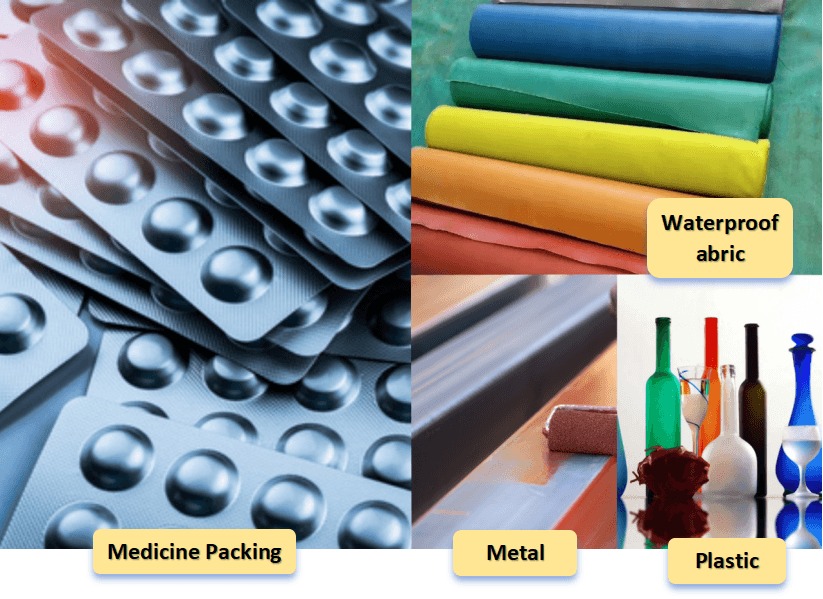
When it comes to bonding plastic materials, polyurethane based adhesive shines brightly. Its unique formulation allows it to create strong, durable bonds with a variety of plastics, making it a go-to choice in many industrial applications. But how does this adhesive really work its magic on plastic?
Bonding Mechanisms with Plastic Materials
Polyurethane adhesives utilize a combination of chemical and physical bonding mechanisms to adhere to plastic surfaces effectively. The adhesive penetrates the surface of the plastic, creating a mechanical interlock that enhances bond strength. Additionally, the chemical interaction between the polyurethane and the plastic can lead to enhanced adhesion properties, making these adhesives particularly effective for challenging materials.
Understanding how polyurethane adhesive works is crucial for anyone asking, What is polyurethane adhesive used for? Beyond just plastics, its versatility extends into various applications where strong adhesion is required. This makes it an invaluable resource in industries ranging from automotive to packaging.
Types of Plastics Suitable for Polyurethane Adhesive
Not all plastics are created equal when it comes to compatibility with polyurethane based adhesives; however, several types stand out as particularly suitable. Polyethylene (PE) and polypropylene (PP) are commonly used in conjunction with these adhesives due to their favorable bonding characteristics when treated properly. Other compatible plastics include polystyrene (PS) and polyvinyl chloride (PVC), which also benefit from the robust nature of polyurethane adhesion.
The question often arises: Is polyurethane glue as strong as epoxy? While epoxy has its strengths, especially in specific applications like structural bonding, polyurethane offers flexibility and resilience that can be advantageous in dynamic environments where movement or expansion occurs.
Tips for Effective Bonding
Achieving optimal results with polyurethane adhesive requires some know-how and preparation. First and foremost, ensure that surfaces are clean and free from contaminants like dust or grease; this step cannot be overstated! Additionally, roughening up glossy surfaces can improve mechanical interlocking—an essential factor in achieving a strong bond.
When applying polyurethane based adhesive to plastic materials, it's wise to use clamps or weights during curing time to maintain contact between surfaces until full strength is achieved. Also worth noting is that while Is polyurethane adhesive heat resistant? may not always yield a straightforward answer—it generally performs well under moderate temperatures but should be evaluated based on specific formulations.
In conclusion, understanding how does polyurethane adhesive work on plastic opens up numerous possibilities across various industries—from packaging innovations to automotive applications—making it an indispensable tool in modern manufacturing processes.
Chemix's Water-Based Resin Solution

Chemix has positioned itself at the forefront of adhesive technology with its innovative water-based resin solutions. By focusing on eco-friendly practices and high-performance products, Chemix aims to revolutionize the market for polyurethane based adhesives. Their commitment to sustainability is evident in their formulations, which are designed to meet both industrial needs and environmental standards.
Overview of Chemix and Its Innovations
Chemix specializes in developing water-based polyurethane adhesives that cater to a wide range of applications, from packaging to construction. Their innovations include advanced formulations that enhance bonding strength while minimizing harmful emissions, making them a preferred choice for many industries. With a focus on research and development, Chemix continuously seeks ways to improve the performance of polyurethane adhesive products.
Benefits of Water-Based Resin
Water-based resins offer numerous advantages over traditional solvent-based adhesives, particularly in terms of safety and environmental impact. These polyurethane based adhesives are non-toxic and emit fewer volatile organic compounds (VOCs), making them safer for both users and the environment. Additionally, they provide excellent adhesion properties across various materials while maintaining flexibility and durability—key factors when considering what is polyurethane adhesive used for?
Case Studies of Successful Implementations
Several companies have successfully implemented Chemix's water-based resin solutions in their operations, showcasing the versatility of polyurethane based adhesives across different sectors. For instance, a leading packaging company reported increased production efficiency after switching to Chemix's adhesive due to its quick curing time and strong bond strength—proving that these products can be just as effective as epoxy in certain applications. Another case involved a furniture manufacturer who found that using water-based polyurethane glue improved not only adhesion but also reduced production waste, aligning with sustainability goals.
Conclusion

In wrapping up our exploration of polyurethane based adhesives, it's clear that these versatile bonding agents are not only effective but also environmentally friendly. From understanding what is polyurethane adhesive used for? to examining its heat resistance, the benefits of these adhesives extend across various industries. Their adaptability and strength make them a preferred choice for many applications, challenging traditional adhesives like epoxy.
Key Takeaways of Polyurethane Adhesives
Polyurethane based adhesive stands out due to its impressive bonding capabilities and versatility in applications. Whether you're asking, Is polyurethane adhesive heat resistant? or Does polyurethane adhesive work on plastic?, the answer is a resounding yes—these adhesives can endure high temperatures and bond effectively with various materials. In summary, they offer a reliable solution for both industrial and consumer use, making them indispensable in modern manufacturing processes.
Future Trends in Eco-Friendly Adhesives
Looking ahead, the trend towards eco-friendly solutions is reshaping the landscape of adhesive technologies. As we explore what is polyurethane adhesive used for?, we see an increasing emphasis on sustainable practices that reduce environmental impact while maintaining performance standards. Innovations in water-based formulations and bio-based raw materials are paving the way for greener alternatives that still deliver the strength needed in critical applications.
Exploring Further Applications in Various Industries
The versatility of polyurethane based adhesives opens doors to numerous possibilities across diverse sectors—from automotive to construction and packaging innovations. As we ponder whether Is polyurethane glue as strong as epoxy?, it's essential to recognize that while each has its strengths, polyurethanes offer unique advantages when it comes to flexibility and durability on different substrates. Continued research into their properties promises even more exciting developments tailored to specific industry needs.