
Introduction
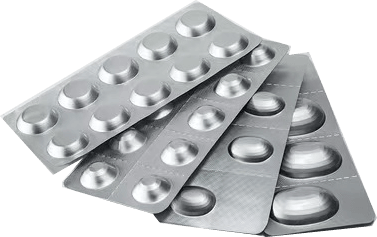
In the ever-evolving landscape of healthcare, blister pack adhesives play a pivotal role in ensuring the safety and efficacy of medical products. These specialized adhesives are not just about sticking two surfaces together; they are crucial for maintaining the integrity of medications and medical devices, making them indispensable in modern medicine. With the increasing demand for reliable packaging solutions, understanding the nuances of pressure sensitive adhesives for medical applications becomes essential.
Importance of Blister Pack Adhesives
Blister pack adhesives are vital in safeguarding pharmaceuticals and medical devices from contamination and degradation. Their ability to provide a secure barrier while allowing for easy access to products highlights their importance in patient care and compliance. Furthermore, these adhesives must meet stringent regulatory standards to ensure that they do not compromise the safety or effectiveness of the enclosed items.
Overview of Medical Applications
The applications of blister pack adhesives extend far beyond mere packaging; they encompass a variety of medical uses, including adhesive tape for wound care, drug delivery systems, and various types of pressure sensitive glue used in surgical procedures. From protecting sensitive medications to ensuring that adhesive tape adheres effectively during critical operations, these materials play a significant role in enhancing patient outcomes. The versatility offered by high temperature adhesive options also allows them to be used in environments where traditional adhesives might fail.
Types of Adhesives Used
When it comes to blister packs and other medical applications, several types of adhesives come into play. Pressure sensitive adhesives (PSAs) are particularly popular due to their ease of use and strong bonding capabilities without requiring heat or solvents for activation. Other options include contact adhesive formulations that provide robust adhesion under various conditions and high temperature adhesive solutions designed for demanding applications where thermal stability is paramount.
Understanding Pressure Sensitive Adhesives
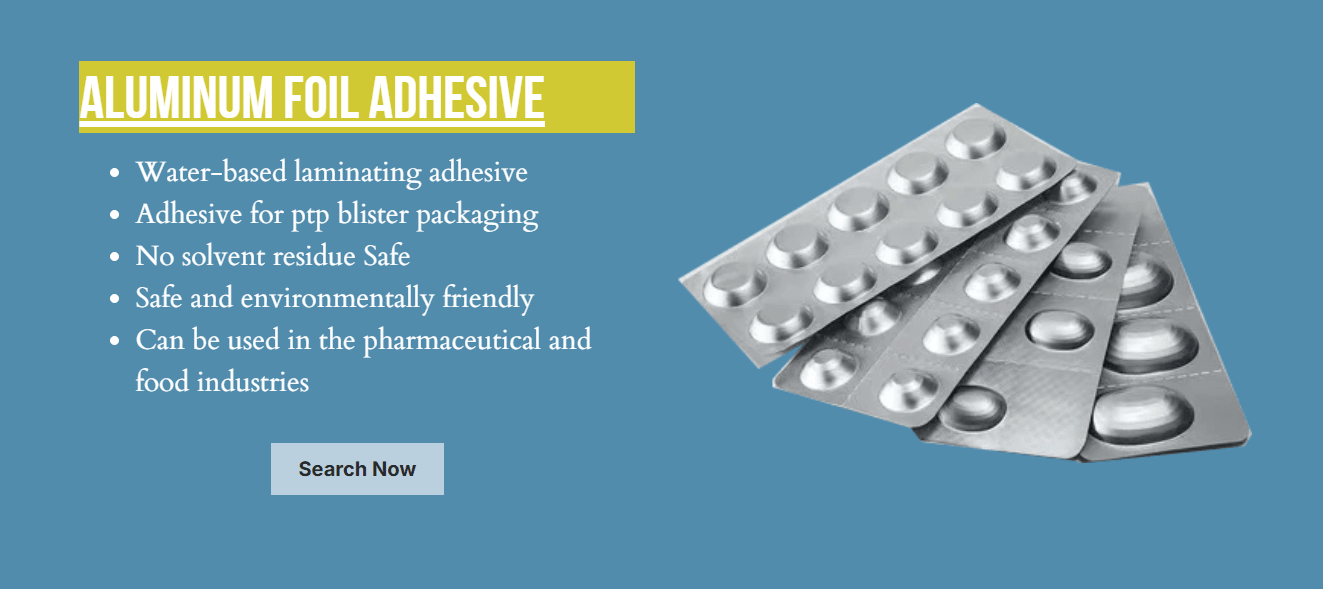
Pressure sensitive adhesives (PSAs) are a fascinating category of bonding agents that have transformed the landscape of medical applications. Unlike traditional adhesives, PSAs adhere to surfaces with just the application of pressure, eliminating the need for heat or solvents. This unique property makes them particularly valuable in healthcare settings, where ease of use and reliability are paramount.
Characteristics of Pressure Sensitive Adhesives
The defining feature of pressure sensitive adhesives is their ability to bond instantly upon contact, which is crucial for medical applications where time and precision matter. These adhesives typically exhibit excellent tackiness and shear strength while maintaining flexibility, allowing them to conform to various surfaces without compromising their effectiveness. Moreover, they can be formulated to withstand high temperatures, making them suitable for a range of sterilization processes often used in medical environments.
Applications in Healthcare
In healthcare, pressure sensitive adhesives find their way into an array of applications that enhance patient care and device functionality. From adhesive tape used for securing dressings and electrodes to specialized tape pressure sensitive adhesive designed for wound management systems, these products are integral to everyday medical tasks. Furthermore, they play a significant role in manufacturing medical devices such as wearable sensors and drug delivery systems, where reliable adhesion is essential for performance.
Benefits for Medical Devices
The benefits of using pressure sensitive glue in medical devices are manifold; they provide strong adhesion without damaging delicate skin or surfaces upon removal. This attribute is particularly advantageous when using adhesive tape on patients who may have sensitive skin or require frequent dressing changes. Additionally, the versatility offered by high temperature adhesive formulations ensures that these products can endure rigorous sterilization processes while maintaining their effectiveness throughout the product's lifecycle.
Key Players in the Adhesive Market
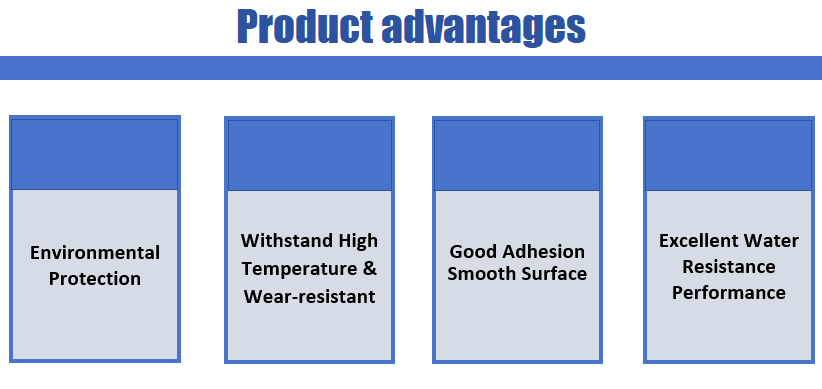
The adhesive market is bustling with innovation and competition, particularly in the realm of pressure sensitive adhesives for medical applications. Major companies are vying for market share by developing specialized products that cater to the unique needs of healthcare providers and patients alike. This section highlights some notable players, their innovative products, and overarching trends shaping the global adhesive landscape.
Notable Companies and Their Products
Several key players dominate the adhesive market, each bringing unique offerings to the table. Companies like 3M, Henkel, and Avery Dennison have made significant strides with their pressure sensitive adhesives for medical applications, including adhesive tape designed specifically for wound care and surgical uses. These firms not only produce high-quality tape pressure sensitive adhesive but also invest heavily in research and development to enhance product performance.
In addition to established giants, smaller companies are emerging with niche solutions that address specific challenges within medical environments. For instance, there are firms specializing in high temperature adhesive formulations that can withstand sterilization processes without losing adhesion properties. This diversity in product offerings ensures that healthcare professionals have access to a variety of options tailored to their specific applications.
Innovations in Adhesive Technology
Innovation is at the heart of advancements in adhesive technology, particularly when it comes to pressure sensitive glue used in medical settings. Recent developments include smart adhesives that respond dynamically to environmental changes or body conditions—think adhesives that can change bond strength based on humidity or temperature fluctuations! Such innovations not only improve patient comfort but also enhance device functionality.
Furthermore, contact adhesives are being optimized for faster curing times without compromising safety or effectiveness—a crucial factor when time is of the essence during surgical procedures. The integration of bio-compatible materials into these formulations is another exciting trend; this ensures that even if an adhesive remains on the skin longer than intended, it won't cause irritation or adverse reactions.
Global Market Trends
The global market for pressure sensitive adhesives is witnessing a paradigm shift driven by increasing demand from various sectors including healthcare. As populations age and chronic diseases rise globally, there's a corresponding need for reliable medical devices utilizing advanced adhesive technologies like those found in tape pressure sensitive adhesive products. This trend indicates a burgeoning market ripe with opportunities for innovation and growth.
Sustainability is also becoming a buzzword within this industry; manufacturers are focusing on eco-friendly options while still meeting stringent regulatory standards required for medical applications. The push toward greener alternatives does not just reflect consumer preferences but also aligns with broader corporate social responsibility goals among leading companies like 3M and Henkel.
In summary, as we look at key players in the adhesive market—both large corporations and innovative startups—it’s clear they are all contributing significantly to advancements in pressure sensitive adhesives for medical applications while addressing both current needs and future sustainability goals.
Chemix's Water-Based Resin Solution

In the realm of medical adhesives, Chemix has made a significant mark with its innovative water-based resin solution. This product is designed to meet the unique demands of medical applications, offering a versatile alternative to traditional adhesive options. With an emphasis on performance and safety, Chemix's solution stands out in a crowded market.
Overview of Chemix's Solution
Chemix's water-based resin solution is engineered specifically for pressure sensitive adhesives for medical applications, ensuring that it adheres effectively while remaining gentle on skin. This adhesive is formulated to provide reliable bonding in various healthcare settings, from wound dressings to adhesive tape used in surgical procedures. By utilizing advanced technology, Chemix has created an adhesive that not only performs well but also aligns with modern healthcare standards.
Advantages for Medical Applications
One of the standout advantages of Chemix's solution is its compatibility with various substrates and materials commonly found in medical devices. The pressure sensitive glue offers excellent adhesion properties without the need for additional solvents or harsh chemicals, making it ideal for sensitive skin applications. Furthermore, this high temperature adhesive maintains its integrity even under challenging conditions, ensuring long-lasting performance in critical situations.
Moreover, the use of this water-based resin reduces potential allergic reactions compared to solvent-based alternatives—an essential factor when considering patient safety and comfort. The flexibility and durability of this adhesive make it particularly suitable for products like adhesive tape used in clinical settings where reliability is paramount. Thus, healthcare providers can trust that they are using a product designed with both efficacy and patient care in mind.
Environmental Impact and Safety
Chemix’s commitment to sustainability shines through its water-based resin solution; being low-VOC (volatile organic compounds) helps mitigate environmental impact while promoting safer working conditions for healthcare professionals. Unlike traditional contact adhesives or solvent-based products that can release harmful fumes into the environment, Chemix’s approach prioritizes eco-friendliness without sacrificing performance quality.
The safety profile of this pressure sensitive adhesive is another compelling reason for its adoption across various medical applications; it complies with stringent regulatory standards ensuring that patients are not exposed to harmful substances during treatment or recovery processes. By choosing environmentally responsible materials like those offered by Chemix, healthcare facilities can contribute positively toward global sustainability efforts while maintaining high standards of care.
Selection Criteria for Medical Adhesives
Selecting the right adhesive for medical applications is a critical decision that can significantly impact patient safety and device performance. Various factors come into play, from the specific requirements of the application to regulatory compliance and testing protocols. Understanding these criteria ensures that healthcare professionals choose the most effective pressure sensitive adhesives for medical applications.
Factors to Consider When Choosing Adhesives
When choosing adhesives, several factors must be carefully evaluated, including adhesion strength, flexibility, and compatibility with skin or other materials. For instance, tape pressure sensitive adhesive must provide a secure bond without causing irritation or allergic reactions in patients. Additionally, the environmental conditions in which the adhesive will be used—such as exposure to moisture or high temperatures—can influence whether a high temperature adhesive or a more standard option is appropriate.
Another crucial aspect is the duration of adhesion required; some applications may need temporary solutions while others demand long-term bonding capabilities. The choice between contact adhesive and pressure sensitive glue often depends on whether immediate repositionability is necessary during application. Ultimately, selecting an adhesive involves balancing performance characteristics with patient comfort and safety.
Regulatory Standards in the Medical Field
In the medical field, adherence to regulatory standards is paramount when selecting adhesives for devices and applications. Organizations like the FDA set strict guidelines governing materials used in healthcare products to ensure safety and efficacy. These regulations dictate everything from biocompatibility testing to labeling requirements for pressure sensitive adhesives for medical applications.
Manufacturers must also comply with ISO standards that address quality management systems within healthcare products. This includes ensuring that their tape pressure sensitive adhesive meets established benchmarks for performance consistency across various conditions. Failing to meet these regulations can lead not only to product recalls but also compromise patient safety.
Testing for Efficacy and Safety
Before an adhesive can be deemed suitable for medical use, it undergoes rigorous testing protocols designed to evaluate both efficacy and safety. This includes assessments of adhesion properties under different conditions—such as temperature variations where high temperature adhesives might be necessary—and tests on skin sensitivity or irritation potential associated with pressure sensitive glue options.
Additionally, long-term studies are often conducted to monitor how well these adhesives perform over time when applied in real-world scenarios like wound care or device attachment using adhesive tape designed specifically for such purposes. Ultimately, thorough testing ensures that only reliable products reach healthcare providers and patients alike.
Future Trends in Medical Adhesives
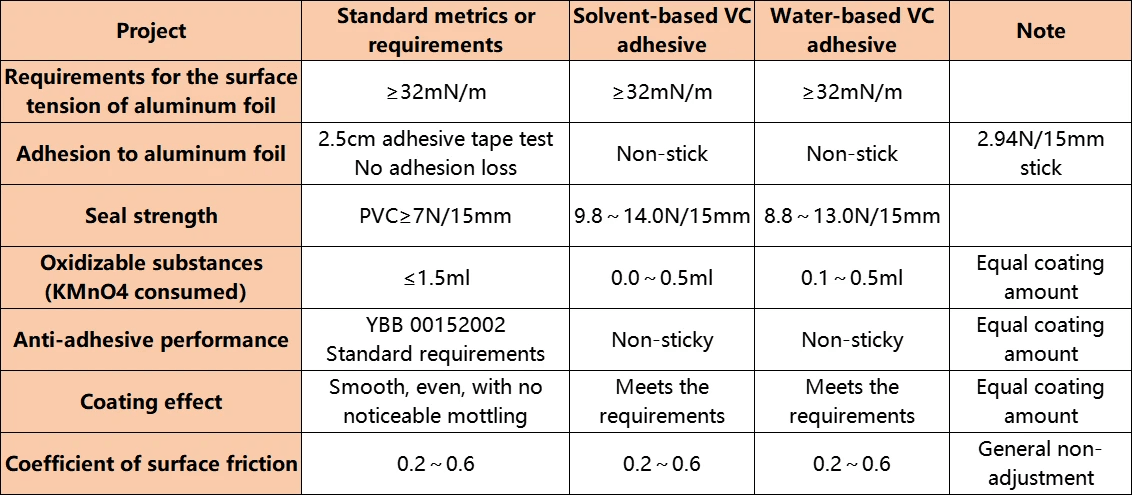
The landscape of medical adhesives is evolving rapidly, driven by technological advancements and an increasing demand for innovative solutions. As healthcare continues to prioritize patient safety and comfort, the focus on pressure sensitive adhesives for medical applications is more pronounced than ever. This section will explore the advances in adhesive formulations, sustainability efforts, and market predictions that are shaping the future of this vital sector.
Advances in Adhesive Formulations
Recent innovations in adhesive formulations have led to the development of more versatile and effective products tailored for specific medical uses. For instance, manufacturers are creating high-performance pressure sensitive adhesives that can withstand various environmental conditions while maintaining their adhesion properties. Products like tape pressure sensitive adhesive are being optimized for better skin compatibility and longer wear times, making them ideal for wound care and other medical applications.
Moreover, advancements in pressure sensitive glue technology are enabling adhesives to perform effectively under high temperatures without degrading or losing their bond strength. This capability is particularly important in surgical settings where sterilization processes can subject materials to extreme conditions. As a result, healthcare providers can rely on these advanced formulations for secure adhesion during critical procedures.
Sustainability and Eco-Friendly Options
The push towards sustainability is influencing every industry, including medical adhesives. Manufacturers are increasingly focusing on eco-friendly options that reduce environmental impact without compromising performance or safety standards. For example, water-based contact adhesive alternatives are gaining traction as they minimize harmful emissions while providing reliable bonding solutions.
Additionally, there’s a growing trend towards recyclable packaging materials used with adhesive tape products to further enhance sustainability efforts within the medical field. By prioritizing sustainable practices and materials in developing pressure sensitive adhesives for medical applications, companies not only meet regulatory requirements but also appeal to environmentally conscious consumers and healthcare organizations alike.
Market Predictions and Innovations
Looking ahead, the market for medical adhesives is poised for significant growth driven by ongoing innovations and an expanding range of applications. Analysts predict that demand will surge as new technologies emerge that enhance the performance characteristics of pressure sensitive adhesives across various sectors within healthcare. This includes everything from surgical tapes to advanced wound dressings that utilize cutting-edge tape pressure sensitive adhesive technologies.
Furthermore, we can expect increased investment in research aimed at developing novel high temperature adhesive solutions capable of meeting stringent industry standards while offering enhanced functionality. The marriage of innovation with practical application will ensure that these products not only meet current needs but also anticipate future challenges faced by healthcare providers globally.
Conclusion
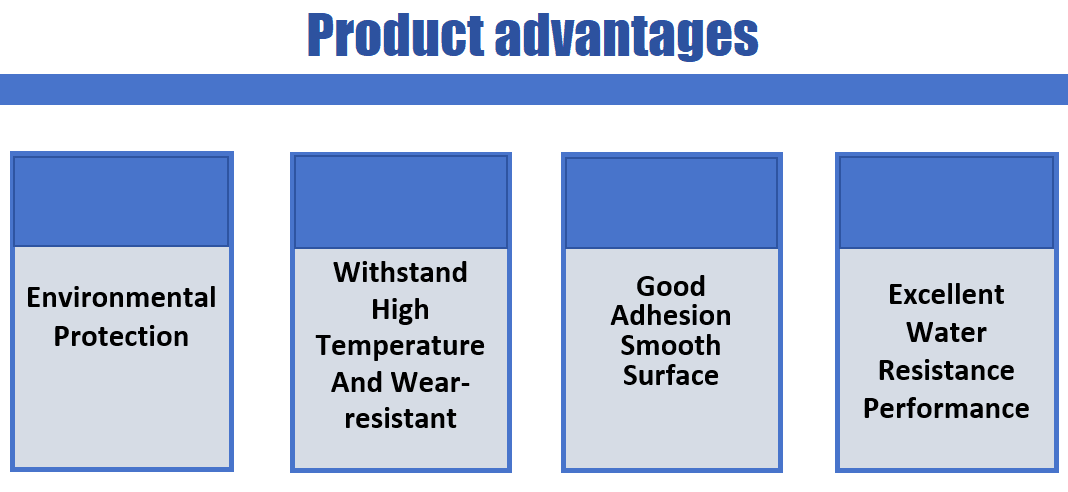
In summary, the world of medical adhesives is both diverse and essential for a range of applications. Pressure sensitive adhesives for medical applications, such as adhesive tape and tape pressure sensitive adhesive, play a crucial role in ensuring that devices stay securely attached to patients while allowing for comfort and ease of use. Additionally, contact adhesives and high temperature adhesives are vital in various healthcare settings, underscoring the importance of selecting the right adhesive for each specific need.
Recap of Adhesive Types and Uses
Throughout this discussion, we have explored several types of adhesives that are pivotal in the medical field. Pressure sensitive glue is widely utilized in products like bandages and wound dressings due to its ability to adhere without requiring additional activation. Furthermore, specialty options like high temperature adhesive ensure reliable performance even under challenging conditions, showcasing how tailored solutions meet specific healthcare requirements.
The Role of Innovation in Medical Adhesives
Innovation continues to drive advancements in medical adhesives, enhancing their effectiveness and safety profiles. Companies are developing new formulations that improve the performance characteristics of pressure sensitive adhesives for medical applications, leading to better patient outcomes. As these innovations unfold—ranging from improved adhesion properties to enhanced biocompatibility—healthcare providers can offer safer and more effective solutions for patients worldwide.
Looking Ahead: The Future of Adhesives in Healthcare
The future looks bright for pressure sensitive adhesives in healthcare as trends toward sustainability gain momentum alongside technological advancements. We anticipate an increase in eco-friendly options that do not compromise on performance or safety, making it easier for manufacturers to comply with regulatory standards while also appealing to environmentally conscious consumers. Overall, as innovations continue to emerge within this sector—including smart materials and multifunctional adhesives—we can expect significant improvements that will shape the landscape of medical devices for years to come.