
Introduction
In a world where materials are constantly evolving, the rise of flexible adhesives has transformed the way we bond various surfaces. Gone are the days when rigid solutions were the only option; today, flexible adhesives offer unparalleled versatility and strength for a wide range of applications. Whether you're looking for metal glue or the best glue for plastic, these innovative bonding agents have become indispensable in modern manufacturing and DIY projects alike.
The Rise of Flexible Adhesives
The emergence of flexible adhesives marks a significant milestone in adhesive technology, catering to diverse needs across industries. These adaptable solutions provide not only robust adhesion but also accommodate movement and stress without compromising integrity. As manufacturers seek more efficient ways to connect materials—be it through metal to metal adhesive glue or specialized plastic glue—the demand for flexible options continues to surge.
Why Versatility is Key in Bonding
Versatility is paramount when selecting an adhesive; it determines not just the effectiveness of a bond but also its longevity under varying conditions. Flexible adhesives excel in this regard, allowing users to bond different materials seamlessly while adapting to their unique properties. This flexibility makes them ideal candidates for tasks that require the best adhesive glue for plastic or even complex assemblies involving multiple substrates.
Applications of Flexible Adhesives
The applications of flexible adhesives are as varied as they are impressive, spanning industries from automotive to construction and beyond. In automotive manufacturing, for instance, these adhesives play a crucial role in assembling components that must endure vibrations and thermal fluctuations without failing. Similarly, whether it's using the best glue to glue plastic or securing metals together with robust metal glue, flexible adhesives offer reliable solutions that stand up to real-world challenges.
Understanding Flexible Adhesives
Flexible adhesives are a fascinating category of bonding agents that provide unique properties suitable for various applications. Unlike traditional adhesives, which may become rigid and brittle, flexible adhesives maintain their elasticity and adaptability under stress or movement. This quality is crucial in environments where materials expand, contract, or shift, making them ideal for a wide range of industries.
What Makes an Adhesive Flexible
An adhesive's flexibility primarily stems from its chemical composition and molecular structure. Flexible adhesives often contain polymers that allow them to stretch without breaking, making them perfect for applications requiring movement between bonded surfaces. This elasticity not only enhances durability but also contributes to the adhesive's ability to absorb shock and vibration—an essential feature in many industrial settings.
Different Types of Flexible Adhesives
There are several types of flexible adhesives available on the market today, each designed for specific bonding needs. For instance, polyurethane-based flexible adhesives are popular choices due to their exceptional strength and resistance to moisture—ideal for outdoor applications. Similarly, silicone-based products serve as excellent plastic glue options because they remain flexible even at extreme temperatures, making them the best glue for plastic in many scenarios.
Advantages of Using Flexible Adhesives
Choosing a flexible adhesive comes with numerous benefits that can enhance both manufacturing processes and product longevity. One significant advantage is their ability to bond dissimilar materials without compromising structural integrity; this is particularly beneficial when using metal to metal adhesive glue or when bonding plastics with metals. Additionally, these adhesives often require less surface preparation compared to traditional options, saving time and effort while ensuring robust connections that last.
Flexible Adhesives in Action
Flexible adhesives are making waves across various sectors, proving their worth in real-world applications. From automotive to construction, these adhesives are designed to bond materials that experience movement, ensuring durability and strength. Their versatility allows for use in environments where traditional adhesives might fail, demonstrating the true power of a flexible adhesive.
Real-World Applications
In the automotive industry, flexible adhesives play a crucial role in assembling components that face vibrations and temperature fluctuations. For instance, they are used to bond windshields and body panels, providing both structural integrity and flexibility needed for performance on the road. Additionally, when it comes to crafting durable consumer products like electronics or furniture, the best glue for plastic ensures that parts remain intact despite daily wear and tear.
Flexible adhesives also shine in the realm of construction where they bond dissimilar materials such as metal and plastic. Metal to metal adhesive glue is essential for creating strong joints that can withstand stress without cracking or breaking apart. As industries evolve, innovative uses of flexible adhesive continue to emerge—making them indispensable tools across multiple applications.
Key Industries Benefiting from Flexible Adhesives
Several industries have embraced flexible adhesives due to their unique properties and benefits. The automotive industry is perhaps one of the most significant beneficiaries; manufacturers rely on these adhesives for everything from assembly lines to final touches on vehicles. Similarly, aerospace companies utilize flexible adhesive solutions for lightweight bonding techniques that enhance fuel efficiency while maintaining safety standards.
The construction sector also capitalizes on flexible adhesives when joining materials like metal and plastic or even glass elements together seamlessly—making them ideal for modern architectural designs. In consumer goods manufacturing, using the best adhesive glue for plastic ensures products are not only functional but also aesthetically pleasing by eliminating visible fasteners or seams. These industries showcase how versatile bonding solutions can transform traditional practices into more efficient methods.
Case Studies of Successful Adhesive Use
Numerous case studies highlight successful implementations of flexible adhesives across various fields. One notable example is an automotive manufacturer who switched from traditional welding methods to using a high-performance metal glue for bonding body panels—resulting in reduced weight without sacrificing strength or safety ratings. This shift not only improved fuel efficiency but also streamlined production processes significantly.
Another compelling case involved a furniture designer who utilized the best glue to glue plastic components into their creations; this resulted in sleek designs with seamless finishes that appealed greatly to consumers looking for modern aesthetics paired with durability. The use of innovative plastic glue allowed them greater design freedom while ensuring longevity—a win-win situation! Such examples underline how choosing the right adhesive can lead not just to better products but also enhanced operational efficiencies.
Choosing the Right Flexible Adhesive
When it comes to selecting the right flexible adhesive, understanding your specific bonding needs is crucial. With a myriad of options available, knowing which adhesive works best for various materials can save you time and frustration. Whether you're gluing plastic or metal, the right choice can make all the difference in achieving a strong, lasting bond.
Best Glue for Plastic Solutions
Finding the best glue for plastic solutions can feel like searching for a needle in a haystack, especially with so many products on the market. Look for flexible adhesives specifically designed for plastics; these usually contain special formulations that allow them to bond effectively without becoming brittle over time. Some top contenders include cyanoacrylate (super glue), epoxy, and polyurethane-based adhesives that provide excellent flexibility and durability.
In addition to versatility, consider factors like drying time and ease of application when choosing your plastic glue. If you’re working on intricate projects or need quick fixes, opt for fast-setting formulas that still maintain flexibility once cured. Ultimately, the best adhesive glue for plastic will not only create a robust bond but also accommodate any movement or stress that may occur during use.
Metal to Metal Adhesive Glue Choices
When it comes to metal bonding, selecting an appropriate metal to metal adhesive glue is essential for ensuring strength and longevity. Epoxy adhesives are often hailed as one of the best choices due to their exceptional bonding capabilities and resistance to temperature fluctuations and moisture. For those looking for something more specialized, consider structural adhesives designed specifically for metals; these offer enhanced flexibility while maintaining high tensile strength.
Another option worth considering is polyurethane-based adhesives which provide excellent adhesion across various metals while allowing some degree of movement between bonded surfaces. This flexibility is particularly beneficial in applications where thermal expansion might be an issue—think automotive or aerospace components! Remember that surface preparation is key; clean both surfaces thoroughly before applying any metal glue to achieve optimal results.
Tips for Selecting the Best Adhesive Glue for Plastic
Choosing the best adhesive glue for plastic doesn’t have to be rocket science; just keep a few key factors in mind! First off, always check if your chosen product specifies compatibility with your type of plastic—some glues work better with certain plastics than others due to their chemical composition. Additionally, consider whether you need a clear finish or if color matching is essential; many flexible adhesives come in various colors or are transparent after curing.
Next up: think about application methods! Some products come with applicators or precision tips that make it easier to apply small amounts without making a mess—perfect when dealing with delicate projects! Lastly, don’t forget about drying times; if you need something fast-acting but still reliable, look out for quick-setting formulas that maintain their flexibility after curing.
Chemix's Water-Based Resin Solution

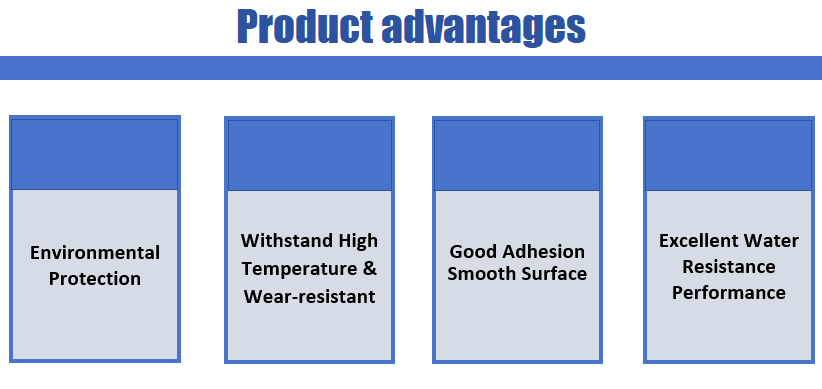
In the world of bonding solutions, Chemix's water-based resin stands out as a remarkable flexible adhesive option. This innovative product combines environmental responsibility with high performance, making it an ideal choice for various applications. As industries increasingly seek sustainable alternatives, water-based resins are gaining traction for their versatility and effectiveness.
The Benefits of Water-Based Resin
Water-based resin offers numerous benefits that make it a top contender among flexible adhesives. Firstly, it is low in volatile organic compounds (VOCs), promoting a healthier working environment and reducing harmful emissions. Additionally, this type of adhesive provides excellent adhesion to multiple surfaces, including the best glue for plastic and metal substrates, ensuring strong bonds without compromising flexibility.
Another significant advantage is its ease of cleanup; water-based resins can be easily removed from tools and surfaces with soap and water before they cure. This convenience makes them particularly appealing for DIY enthusiasts as well as professionals in various sectors. Moreover, the ability to create durable bonds while remaining flexible makes these resins ideal for applications where movement or temperature changes occur.
Comparison with Traditional Adhesives
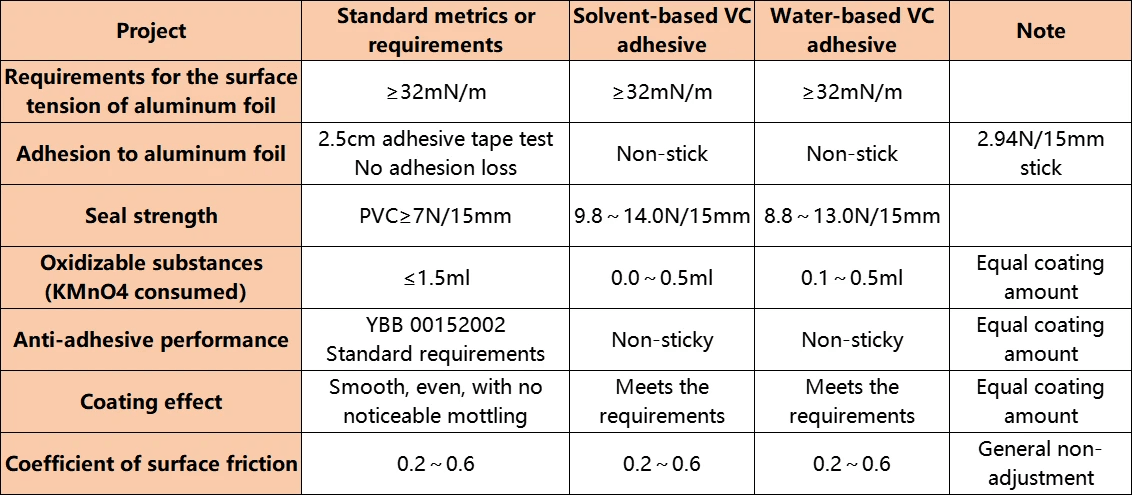
When comparing Chemix's water-based resin to traditional adhesives like solvent-based options or epoxies, several key differences emerge. Traditional adhesives often contain harsh chemicals that can pose health risks during application, while water-based options provide a safer alternative without sacrificing performance. In terms of bonding capabilities, both types can effectively adhere materials such as plastic glue or metal to metal adhesive glue; however, the flexibility offered by water-based resins often leads to superior results in dynamic environments.
Furthermore, traditional adhesives may require longer curing times and more complex application processes compared to their water-based counterparts. With faster drying times and simpler application methods, Chemix’s solution proves advantageous in fast-paced manufacturing settings or home projects alike. Ultimately, when considering the best adhesive glue for plastic or metal applications requiring durability and flexibility, water-based resin emerges as a clear winner.
Applications in Various Industries
Chemix's versatile water-based resin finds utility across various industries due to its unique properties as a flexible adhesive. In construction and manufacturing settings where bonding materials like wood and plastics is common—this product serves as an exceptional choice for both structural integrity and aesthetic finishes. Similarly, automotive manufacturers appreciate its ability to bond different substrates while maintaining flexibility under stress from vibrations or temperature changes.
Moreover, creative industries such as arts and crafts benefit from using this type of plastic glue due to its ease of use and effective adhesion on diverse materials including fabrics and ceramics. Even electronics manufacturers have found success utilizing this flexible adhesive in assembling components that require precise alignment without compromising on durability or functionality over time. With such broad applicability across sectors—from construction to crafts—Chemix’s water-based resin truly exemplifies modern bonding solutions tailored for today’s needs.
Future Trends in Adhesive Technology

The adhesive industry is on the brink of a revolution, with flexible adhesives leading the charge into a new era of bonding solutions. Innovations are driving performance enhancements and expanding applications across various sectors, from automotive to consumer goods. As we explore these trends, it's clear that flexible adhesives will play a pivotal role in shaping future manufacturing and repair processes.
Innovations in Flexible Adhesives
Flexible adhesives have come a long way, with advancements focusing on improved formulations that enhance their versatility and strength. New technologies are emerging that allow for better adhesion to diverse materials like plastic and metal, making the search for the best glue for plastic or metal-to-metal adhesive glue easier than ever. These innovations not only improve bonding performance but also reduce curing times, allowing manufacturers to streamline their production processes.
In addition to performance enhancements, there's an increasing emphasis on user-friendly applications of flexible adhesives. Many products now come in easy-to-use formats such as syringes or tubes designed for precise application, ensuring that even DIY enthusiasts can find the best adhesive glue for plastic without hassle. Furthermore, some new formulations include features like moisture resistance and enhanced flexibility after curing—ideal for applications where movement is expected.
Moreover, researchers are exploring the use of smart materials in adhesive technology that respond to environmental changes or stressors over time. Imagine a flexible adhesive that can adapt its properties based on temperature fluctuations or mechanical strain—this could redefine how we think about bonding materials together! With these innovations paving the way forward, flexible adhesives are set to become indispensable tools across industries.
Sustainability in Adhesive Development
As environmental concerns grow increasingly urgent, sustainability has become a key focus within adhesive development. Manufacturers are actively seeking out eco-friendly alternatives to traditional solvents used in many metal glue products and looking at biodegradable options for plastic glue solutions. This shift towards sustainable practices not only benefits the planet but also appeals to consumers who prioritize environmentally friendly choices.
Water-based resins have emerged as a popular choice among sustainable options due to their low VOC (volatile organic compounds) emissions compared to traditional solvent-based adhesives. Companies like Chemix are leading this charge by providing innovative water-based solutions that maintain high performance while reducing environmental impact—a true win-win scenario! The transition towards sustainable flexible adhesives is not just about compliance; it’s about setting new standards for responsible manufacturing.
Furthermore, recycling initiatives are gaining traction within the industry as manufacturers begin exploring ways to reuse or repurpose adhesive waste products effectively. The future may see more companies adopting circular economy principles where end-of-life products made with flexible adhesives can be processed into new raw materials—thus closing the loop on waste! By prioritizing sustainability alongside innovation, we can expect an exciting evolution in how we approach bonding technologies.
Expectations for the Future of Bonding Solutions
Looking ahead, we anticipate significant advancements in bonding solutions driven by ongoing research and development within adhesive technology fields. The demand for high-performance flexible adhesives will continue growing as industries seek stronger yet more adaptable solutions—whether it’s finding the best glue for plastic or developing robust metal-to-metal adhesive glue options capable of withstanding extreme conditions.
We may also see increased integration of digital technologies such as AI and IoT (Internet of Things) into adhesive manufacturing processes which could lead to smarter production lines capable of fine-tuning formulations based on real-time data feedback from users’ experiences with different types of flexible adhesives! This level of customization would ensure optimal results every time while minimizing waste—a truly revolutionary concept!
In summary, future trends indicate an exciting trajectory towards enhanced functionality paired with sustainability within the realm of bonding solutions through innovations surrounding flexible adhesives! With each leap forward comes greater potential—not just improving our current capabilities but redefining what’s possible altogether!
Conclusion

In the world of bonding solutions, selecting the right adhesive can make all the difference between a project’s success and failure. With a plethora of options available, understanding the unique properties of each adhesive type is crucial. Whether you need a flexible adhesive for dynamic applications or metal glue for robust connections, making an informed choice is key to achieving optimal results.
The Importance of Selecting the Right Adhesive
Choosing the best adhesive glue for plastic or metal to metal adhesive glue involves more than just picking up a bottle off the shelf; it requires careful consideration of material compatibility and application needs. The right flexible adhesive can provide durability and flexibility, accommodating movement without compromising bond strength. This thoughtful selection process not only enhances performance but also ensures longevity in your projects.
Flexible Adhesives: A Game Changer
Flexible adhesives have revolutionized how we approach bonding in various industries by offering unparalleled versatility and adaptability. These adhesives are particularly effective in applications requiring flexibility, such as automotive manufacturing and construction, where materials expand and contract with temperature changes. As more industries recognize their benefits, flexible adhesives are becoming indispensable tools in modern assembly processes.
Embracing Sustainable Bonding Solutions
With growing awareness around environmental sustainability, many manufacturers are shifting towards eco-friendly options like water-based resins that serve as excellent alternatives to traditional adhesives. These sustainable choices not only reduce harmful emissions but also maintain high performance standards comparable to conventional metal glue or plastic glue products. By embracing these innovative solutions, industries can meet their bonding needs while contributing positively to environmental conservation efforts.