
Introduction
Understanding High Heat Adhesives
High heat adhesives are designed to maintain their integrity in elevated temperature settings, making them essential for various applications across multiple sectors. These adhesives can bond a wide range of materials, including metals, plastics, and ceramics, ensuring versatility in use. When searching for the best glue for heat resistance package solutions, it's vital to consider the specific requirements of your project.
Importance of Heat Resistance in Industry
Heat resistance plays a pivotal role in many industries such as automotive, aerospace, and electronics where components often experience high temperatures during operation. Using the right adhesive can prevent failures that might arise from thermal expansion or degradation over time. This makes selecting the best adhesive for plastic or other materials not just a matter of convenience but a necessity for safety and efficiency.
Overview of Top Adhesive Brands
Several brands have established themselves as leaders in producing high-performance adhesives tailored for heat resistance needs. Companies like 3M and Loctite offer products that consistently rank among the best due to their reliability and innovative formulations. Whether you're looking for the best glue to glue plastic or seeking out plastic adhesive glue options, these top brands provide solutions that meet rigorous industry standards.
The Top Performers in Heat Resistant Adhesives

These products not only withstand high temperatures but also deliver exceptional bonding strength across various materials. Let’s take a closer look at three standout performers that are often regarded as the best glue for heat resistance package.
3M's Scotch-Weld Epoxy
3M's Scotch-Weld Epoxy is a heavyweight champion in the adhesive arena, renowned for its impressive temperature tolerance and durability. This epoxy can handle extreme conditions, making it an ideal choice for industries requiring reliable heat resistance. Whether you're working with metals or plastics, this product serves as the best adhesive for plastic and other materials, ensuring strong bonds that last.
The versatility of 3M's Scotch-Weld means it excels not just in temperature resilience but also in its ease of application. Users often rave about how straightforward it is to mix and apply, making it a favorite among professionals looking for the best glue to glue plastic or metal components together. With its robust performance characteristics, this epoxy stands out as an essential tool in any industrial adhesive toolkit.
Loctite's PL Premium Construction Adhesive
Loctite’s PL Premium Construction Adhesive is another heavyweight contender that has earned its stripes through rigorous testing and real-world applications. This polyurethane-based adhesive boasts superior heat resistance and is designed to bond a wide range of materials including wood, metal, and plastic—making it arguably one of the best glue options available today. For those on the hunt for the best adhesive glue for plastic applications specifically, Loctite’s product remains a top choice due to its exceptional bonding capabilities.
What sets Loctite apart is its impressive cure time coupled with high bond strength once cured; you won't be waiting around forever to see results! Plus, it's weatherproof which adds another layer of reliability when exposed to outdoor elements or extreme conditions—truly making it one of the best glues for heat resistance package deals out there! If you're tackling construction projects where durability matters most, this adhesive should be on your radar.
Permatex High-Temp Red RTV Silicone
Permatex High-Temp Red RTV Silicone rounds out our list with its unique formulation specifically designed for high-temperature applications. This silicone sealant can withstand temperatures up to 650°F intermittently and provides excellent adhesion on both metal and plastic surfaces—making it an excellent contender when searching for the best glue to plastic options available today. Its flexibility after curing allows it to maintain a strong bond even under thermal expansion or contraction scenarios.
One of the standout features of Permatex’s silicone is its ease of use; simply apply directly from the tube without worrying about complicated mixing processes! Additionally, it's resistant to oil and water which further enhances its suitability for automotive or industrial environments where exposure is common—the perfect solution if you need reliable performance from your adhesive sealant! If you're looking at options that blend high performance with versatility across materials including plastics, look no further than Permatex High-Temp Red RTV Silicone.
Eco-Friendly Options for Industrial Adhesives
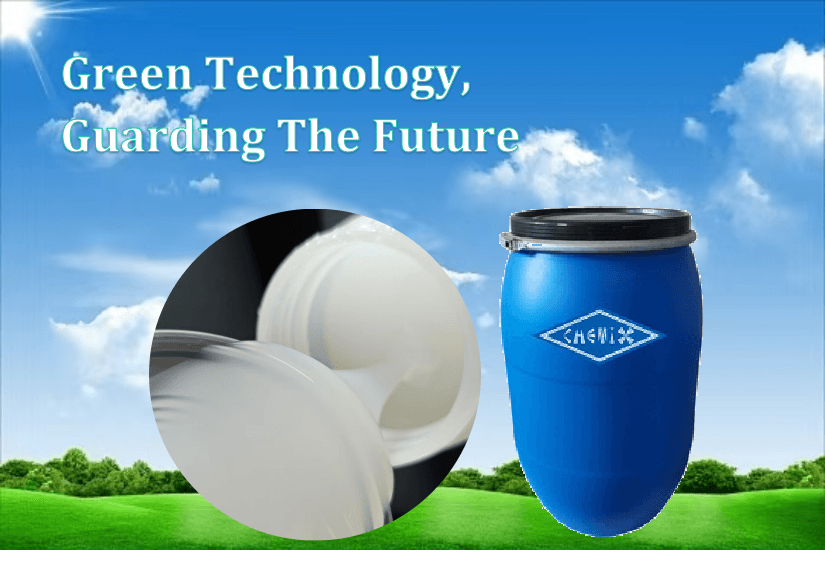
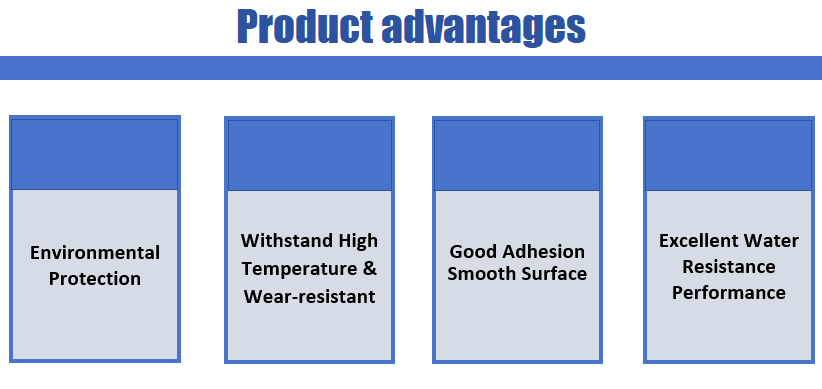
In recent years, the push for sustainability has prompted many industries to explore eco-friendly adhesive options. These alternatives not only reduce environmental impact but also meet rigorous performance standards, making them a viable choice for various applications. For those seeking the best glue for heat resistance package, eco-friendly adhesives like Chemix's water-based resin solution are gaining traction.
Chemix's Water-Based Resin Solution
Chemix's water-based resin solution stands out as a top contender in the realm of eco-friendly adhesives. This innovative product is designed specifically for applications requiring strong adhesion while minimizing harmful emissions often associated with traditional adhesives. Not only is it one of the best adhesive glues for plastic, but it also provides excellent bonding strength, making it an ideal choice when looking for the best glue to glue plastic.
Moreover, this water-based solution is easy to apply and clean up, which makes it user-friendly in industrial settings. It bonds well with various substrates and offers impressive durability even under high temperatures—perfect when you need the best glue for heat resistance package solutions. Users have reported that it performs exceptionally well compared to conventional options, proving that sustainability doesn’t have to compromise quality.
Advantages of Sustainability in Adhesives
Choosing eco-friendly adhesives presents numerous advantages beyond just environmental benefits; they can also enhance workplace safety and health standards. Many traditional adhesives contain volatile organic compounds (VOCs) that can be harmful both during application and over time, whereas sustainable options like Chemix’s provide a safer alternative without sacrificing performance. Companies that prioritize sustainability often enjoy improved brand reputation and customer loyalty as consumers increasingly favor environmentally responsible products.
In addition to health benefits, sustainable adhesives frequently offer competitive performance metrics compared to their traditional counterparts—making them appealing choices across various industries looking for the best adhesive for plastic applications or other materials. The use of such products can lead to lower regulatory compliance costs and fewer liabilities related to hazardous materials exposure, giving businesses an edge in operational efficiency while still adhering to environmental standards.
Performance Comparisons with Traditional Adhesives
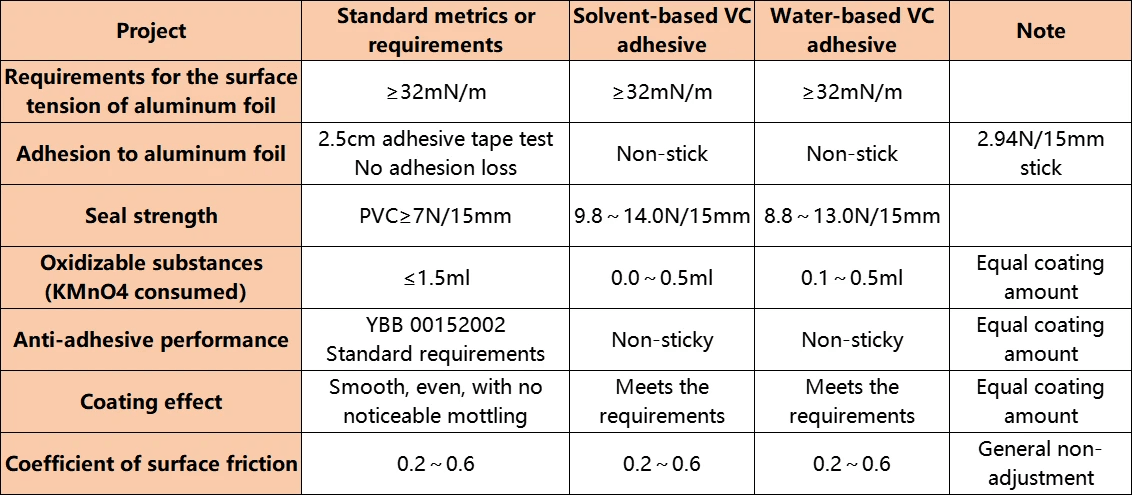
When comparing performance between eco-friendly options like Chemix's water-based resin solution and traditional adhesives, it's essential to consider several factors including bond strength, cure time, and temperature tolerance. Many users find that these sustainable alternatives stand up remarkably well against conventional products; in fact, some even outperform them in specific applications requiring heat resistance or flexibility—ideal when searching for the best glue for heat resistance package needs.
While traditional adhesives may still dominate certain markets due to established familiarity among users, innovations in eco-friendly formulations are rapidly closing any gaps in performance metrics such as adhesion strength or curing time. For those on the hunt for the best adhesive glue for plastic or other materials requiring robust bonding capabilities without compromising environmental values, these modern solutions prove they can deliver results without leaving a heavy footprint behind.
In conclusion, opting for eco-friendly industrial adhesives not only aligns with global sustainability goals but also offers comparable—or sometimes superior—performance compared to traditional methods. As more manufacturers recognize these advantages along with consumer preferences shifting towards greener choices, we can expect further innovation within this segment of adhesive technology.
Specialty Adhesives for Different Materials
Whether you're working with plastics, metals, or heat-resistant packages, understanding the best adhesive solutions is crucial for achieving optimal results. Let’s dive into some of the top contenders that excel in their respective categories.
Best Glue for Plastic Applications
Finding the best glue for plastic can feel like searching for a needle in a haystack, but fear not! For most plastic applications, cyanoacrylate (super glue) and epoxy adhesives are your go-to options. These adhesives bond quickly and effectively, making them the best adhesive glue for plastic projects ranging from DIY crafts to heavy-duty repairs.
For those looking to tackle larger projects or more complex assemblies, consider using a specialized plastic adhesive glue designed specifically for challenging surfaces like polyethylene or polypropylene. These products often require surface preparation but provide unparalleled strength once cured. So if you’re wondering what is the best glue to glue plastic together seamlessly—look no further than these advanced formulations!
Best Adhesive for Metals and Ceramics
When bonding metals and ceramics, you need an adhesive that can withstand both stress and temperature variations without compromising its integrity. The best adhesive for metals typically includes epoxy-based solutions that offer excellent durability and resistance to environmental factors. When it comes to ceramics, however, you’ll want an adhesive that provides flexibility while maintaining a strong bond—enter polyurethane adhesives.
For those who need versatility across different materials within one project, consider using structural adhesives that are formulated specifically as multi-material solutions. This makes them ideal candidates when you're looking for the best glue to ensure metal-to-ceramic bonds hold up under pressure! Remember: preparation is key; clean surfaces will always yield better results.
Best Glue for Heat Resistance Package
In industries where heat resistance is paramount—think automotive or aerospace—the search narrows down to specialized high-temperature adhesives designed specifically for this purpose. The best glue for heat resistance package applications must endure extreme conditions without losing its bonding properties or structural integrity over time.
Silicone-based adhesives often emerge as front-runners in this category due to their ability to withstand high temperatures while remaining flexible. If you’re looking at other options such as epoxy resins formulated with heat-resistant properties, they can also serve well in demanding environments where failure isn’t an option! Ultimately, choosing the right product means evaluating your specific needs against performance capabilities of these outstanding adhesives.
Factors to Consider When Choosing Adhesives

When selecting the right adhesive for your project, several critical factors come into play. Understanding temperature tolerance, cure time, bond strength, and material compatibility ensures that you choose the best glue for heat resistance packages or any other application. Making an informed choice can save you time, money, and frustration down the line.
Temperature Tolerance and Application
Temperature tolerance is paramount when choosing adhesives for high-heat applications. The best glue for heat resistance packages will withstand extreme temperatures without compromising bond integrity. For example, if you're working on automotive parts or industrial machinery that experiences high temperatures, opting for adhesives specifically designed for such conditions is essential.
In addition to temperature limits, consider the specific application of your adhesive. Some projects may require flexibility while others demand rigidity; knowing how your adhesive performs under various conditions can guide your selection process. Whether you need the best adhesive for plastic or a more robust option for metals and ceramics, understanding these nuances will help you achieve optimal results.
Lastly, it's beneficial to consult product specifications regarding temperature ratings before making a purchase. This ensures that you're not just picking any random adhesive but rather one that's tailored to meet your project's unique demands—especially if you're looking at the best glue to glue plastic effectively.
Cure Time and Bond Strength
Cure time is another vital factor when selecting an adhesive; it can vary significantly between products. Some adhesives set quickly but may not provide the strongest bond initially—this is where understanding bond strength becomes crucial as well. If you're in a hurry but still need reliable adhesion (like with the best glue for plastic), you'll want something that balances quick setting times with strong performance.
High-performance adhesives often have longer cure times but offer superior bond strength once fully cured—ideal if longevity is your goal. For instance, if using Permatex High-Temp Red RTV Silicone in high-stress environments, patience during curing pays off in durability and reliability over time. Remember that rushing this process could compromise your project’s integrity.
Finally, always follow manufacturer guidelines regarding curing conditions like temperature and humidity levels during application; this ensures optimal performance of the chosen adhesive type—whether it's a specialized product or simply the best adhesive glue for plastic needs.
Compatibility with Materials
The compatibility of an adhesive with different materials cannot be overstated; using incompatible products can lead to failure at worst or suboptimal performance at best. For example, if you're searching for the best glue to plastic options available on the market today, ensure that it explicitly states suitability with various types of plastics since they can differ widely in composition and properties.
Moreover, some adhesives work better on porous materials than non-porous ones—or vice versa—which affects their bonding capabilities significantly. When considering specialty applications like metal-to-plastic joints or ceramic repairs alongside plastics (where you'd ideally want a solid plastic adhesive glue), look out for hybrid formulations designed specifically to tackle these challenges effectively.
Ultimately, ensuring compatibility will enhance both initial adhesion and long-term durability of bonds formed between dissimilar materials—a must-have trait whether you're after industrial-grade solutions or simply seeking out the best glue for heat resistance packages in everyday projects!
Common Mistakes in Adhesive Application
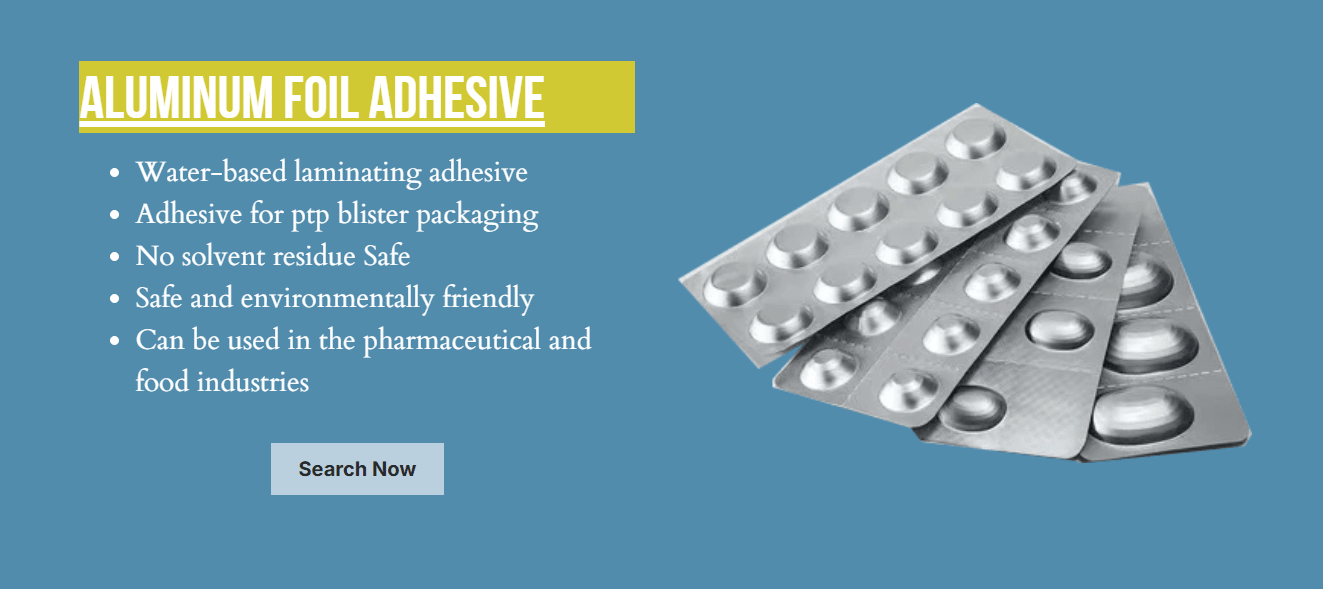
When it comes to adhesive application, even the most seasoned professionals can make mistakes that lead to subpar results. Understanding the common pitfalls is essential for achieving a strong bond, particularly when using the best glue for heat resistance packages or any other specialized adhesive. By avoiding these missteps, you can ensure that your projects stand the test of time and temperature.
Proper Surface Preparation Tips
The first step in successful adhesive application is proper surface preparation, which many often overlook. Whether you're using the best adhesive for plastic or any other material, cleaning surfaces thoroughly is crucial; dirt, grease, and moisture can significantly weaken bonds. For plastic applications specifically, consider using a plastic adhesive glue designed to enhance adhesion by roughening surfaces slightly before application.
Additionally, ensure that surfaces are dry and free from contaminants before applying any glue to plastic or metal components. A clean surface allows the best glue to plastic to form a lasting bond without interference from unwanted substances. Remember, taking time for proper preparation can save you from headaches down the road.
Correct Curing Conditions
Curing conditions play a vital role in how well adhesives perform over time; improper curing can lead to weak bonds and premature failure of your project. Many adhesives require specific temperature ranges and humidity levels during curing—something you should always check before diving into your task with the best glue for heat resistance packages. If conditions are too humid or cold, even the best adhesive glue for plastic may not set correctly.
Moreover, be mindful of how long you need to wait before handling bonded materials; rushing this process could compromise bond strength significantly. Ensure that you follow manufacturer guidelines meticulously regarding cure times and environmental conditions for optimal results with your chosen adhesives. After all, patience pays off when working with high-performance adhesives!
Avoiding Over-application
While it might seem logical that more glue equals a stronger bond, this couldn't be further from the truth—especially when working with delicate materials like plastics or metals! Over-application of adhesive can lead to messy outcomes and even weaken bonds because excess material may not cure properly or could create air pockets between surfaces. Instead of slathering on copious amounts of the best glue to glue plastic together, apply an even layer as recommended by product instructions.
Using just enough adhesive ensures effective bonding while preventing issues like oozing or unsightly drips once cured—nobody wants their project looking like a sticky disaster! Plus, with careful application techniques using tools like brushes or precision nozzles designed for specific types of adhesives (like those found in some high-temp options), you'll achieve better control over how much product you're using each time.
Conclusion

In the world of industrial adhesives, selecting the right product can significantly impact performance and durability. Understanding the unique properties of each adhesive, such as heat resistance and compatibility with materials, is crucial for achieving optimal results. Whether you need the best glue for heat resistance package applications or are looking for the best adhesive for plastic, this guide has you covered.
Key Takeaways for Industrial Adhesive Selection
When it comes to choosing adhesives, always consider temperature tolerance and application requirements. The best glue to glue plastic or metal will vary depending on the specific project needs and environmental factors. Additionally, understanding cure time and bond strength can ensure that your chosen adhesive performs effectively under stress.
Balancing Performance and Environmental Impact
Sustainability is becoming increasingly important in adhesive selection, with eco-friendly options gaining traction in various industries. Products like Chemix's water-based resin solution offer an environmentally responsible alternative without compromising on performance—proving that you don’t have to sacrifice quality for sustainability. In fact, some of these green options may even outperform traditional adhesives like those designed specifically as the best adhesive glue for plastic.
Final Recommendations for Best Adhesives
For heat-resistant applications, 3M's Scotch-Weld Epoxy stands out as one of the top choices available today; it's perfect when you're searching for the best glue for heat resistance package tasks. If you're tackling plastic projects, Loctite's PL Premium Construction Adhesive is a reliable option that excels as both a plastic adhesive glue and a general-purpose solution. Remember to evaluate your specific needs carefully; whether you're after the best glue to plastic or seeking specialized solutions, there's an ideal adhesive waiting just around the corner.