
Introduction
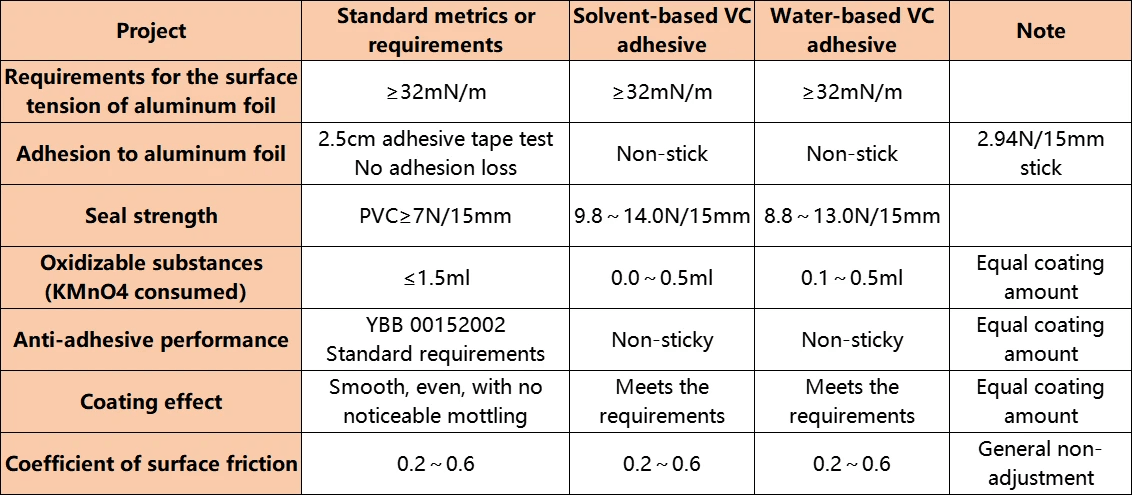
In the world of adhesives, UV cure adhesive stands out as a revolutionary solution that harnesses the power of ultraviolet light to create strong, durable bonds. This innovative type of adhesive, often referred to as UV glue or ultraviolet adhesive, cures quickly upon exposure to UV light, making it a favorite in various industries. With its rapid curing time and robust performance, it has become an essential tool for manufacturers looking to enhance efficiency and product quality.
What is UV Cure Adhesive?
UV cure adhesive is a specialized bonding agent that utilizes ultraviolet light to initiate a chemical reaction that hardens the adhesive almost instantaneously. Unlike traditional adhesives that may require heat or lengthy drying times, this light cure adhesive can bond materials in mere seconds when exposed to UV light. This unique property makes UV adhesives particularly advantageous for applications where speed and precision are critical.
Benefits of Using UV Adhesives
One of the primary benefits of using UV adhesives is their ability to significantly reduce production times. The quick curing process allows manufacturers to streamline their workflows and increase output without compromising on quality. Additionally, ultraviolet light adhesive offers excellent bond strength across a variety of materials, ensuring reliable performance even under demanding conditions.
Common Applications of UV Glue
UV glue finds its way into numerous applications across different industries due to its versatility and effectiveness. From electronics assembly—where small components require precise bonding—to medical device manufacturing—where sterility and reliability are paramount—ultraviolet light adhesives play a crucial role in ensuring product integrity. Other common applications include automotive parts assembly and aerospace components, showcasing the broad utility of this powerful adhesive solution.
Understanding UV Cure Adhesive
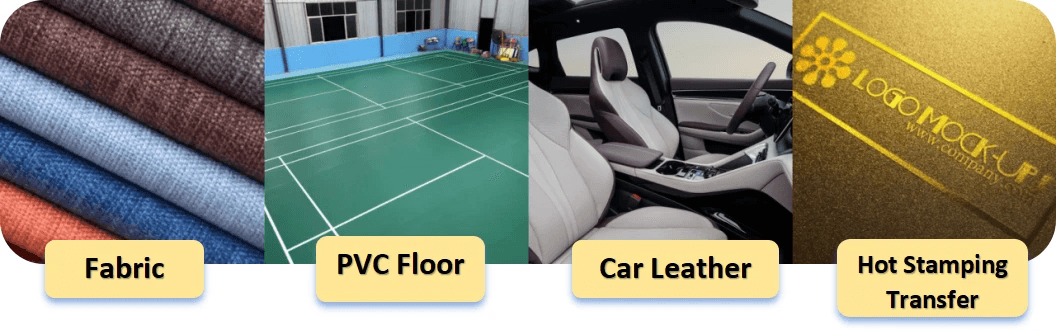
This type of adhesive utilizes ultraviolet light to initiate a rapid curing process, transforming a liquid adhesive into a solid bond in mere seconds. With its unique properties and capabilities, understanding the science behind this adhesive is crucial for anyone looking to leverage its benefits.
The Science Behind UV Light Adhesive
The magic of UV light adhesive lies in its photoinitiators—special compounds that react when exposed to ultraviolet light. When the UV glue is applied and then exposed to UV light, these photoinitiators trigger a chemical reaction that quickly polymerizes the adhesive, forming a strong bond between surfaces. This process not only accelerates curing times but also helps achieve consistent results across various applications.
Moreover, the ability of ultraviolet adhesive to cure without heat means it can be used on heat-sensitive materials without risk of damage. This makes it an ideal choice for delicate components often found in electronics or medical devices. As industries continue to innovate, the science behind UV light adhesives sets the stage for exciting advancements in manufacturing technologies.
Types of UV Adhesives Available
For instance, some types are designed for bonding glass or plastics while others excel at adhering metals or ceramics—each with unique properties that enhance performance based on material compatibility. Additionally, you’ll find options like flexible uv glue suitable for applications requiring some movement or rigidity.
Another interesting category includes low-viscosity adhesives that penetrate small gaps effectively, ensuring robust bonding even where traditional adhesives might fail due to thickness issues. Conversely, high-viscosity formulations provide excellent gap-filling capabilities and are often preferred in structural applications where strength is paramount. With such diversity among ultraviolet light adhesives, selecting the right type can make all the difference in achieving optimal results.
Key Features of Ultraviolet Light Adhesive
Ultraviolet light adhesive boasts several key features that set it apart from traditional bonding agents. One standout attribute is its fast curing time; many uv cure adhesives can achieve full strength within seconds under proper exposure conditions—ideal for high-speed production environments where time equals money! Moreover, these adhesives typically offer superior bond strength compared to conventional options, ensuring durability across various applications.
Another significant feature is their clarity and aesthetic appeal; many uv glues dry clear without leaving unsightly residues or discoloration behind—making them perfect for projects requiring visual integrity like glass assembly or jewelry making. Additionally, because they emit minimal volatile organic compounds (VOCs), these adhesives contribute positively toward sustainability efforts within manufacturing processes by reducing environmental impact.
Advantages of UV Glue in Manufacturing
UV glue, also known as UV cure adhesive or ultraviolet light adhesive, offers distinct advantages that set it apart from traditional adhesives. In this section, we’ll explore how these benefits translate into faster production times, enhanced bond strength, and versatility across various materials.
Faster Production Times
One of the standout features of UV light adhesive is its rapid curing process. Unlike conventional adhesives that may require extended drying times, a UV cure adhesive sets almost instantaneously when exposed to ultraviolet light. This speed not only streamlines the manufacturing process but also allows for quicker turnaround times on projects, giving businesses a competitive edge.
The ability to bond materials in mere seconds means manufacturers can increase output without sacrificing quality. Moreover, reduced waiting periods between assembly steps lead to more efficient workflows and optimized production lines. In an industry where time is money, utilizing UV glue can make all the difference.
Enhanced Bond Strength
The chemical composition of these adhesives allows them to create exceptionally strong bonds between various materials such as glass, metal, plastic, and ceramics. This impressive adhesion ensures that products remain intact under stress or environmental changes.
Furthermore, UV light adhesive often outperforms traditional adhesives in terms of resistance to temperature fluctuations and chemical exposure. This robustness makes it an ideal choice for applications where longevity and resilience are paramount—think electronics or automotive components that face rigorous conditions daily.
Versatility Across Materials
Another remarkable advantage of uv glue is its versatility across a wide range of substrates. Whether you’re working with delicate components in medical devices or robust parts in automotive assemblies, a suitable ultraviolet adhesive exists for nearly every application imaginable. This adaptability simplifies inventory management since manufacturers can rely on fewer types of adhesives without compromising performance.
Moreover, the ability to bond dissimilar materials expands design possibilities significantly. For instance, combining plastic with glass using a uv cure adhesive opens new avenues for innovative product designs while maintaining structural integrity throughout their lifespan.
Applications of UV Adhesive in Industries

UV adhesives have carved out a niche across various industries due to their unique properties and versatility. From electronics to medical devices, the applications of UV glue are extensive and continually expanding. This section will explore how ultraviolet adhesive is transforming different sectors, enhancing both efficiency and product quality.
Electronics and Electrical Components
In the fast-paced world of electronics, precision is key, and that's where UV light adhesive shines. Manufacturers rely on uv cure adhesive for bonding components such as circuit boards, connectors, and displays because it cures quickly under ultraviolet light, allowing for faster production cycles. The bond strength offered by uv glue ensures that electronic devices can withstand everyday wear and tear without compromising functionality.
Additionally, the use of ultraviolet adhesive minimizes the risk of damage to sensitive electronic components during assembly since it does not require heat or prolonged curing times. This characteristic makes it ideal for delicate parts that could be affected by traditional adhesives' thermal properties. As technology advances, more companies are turning to uv adhesive solutions to enhance their manufacturing processes while maintaining high-quality standards.
Medical Device Assembly
When it comes to medical device assembly, safety and reliability are paramount—qualities that uv cure adhesive delivers with aplomb. Medical manufacturers utilize uv light adhesive for its ability to create strong bonds between various materials used in devices like catheters, syringes, and diagnostic equipment. The rapid curing process not only speeds up production but also helps maintain sterile conditions essential in medical environments.
Moreover, many ultraviolet light adhesives are formulated to be biocompatible, making them suitable for direct contact with patients or biological materials. This compatibility is crucial in ensuring that medical devices perform effectively without causing adverse reactions in patients. As a result, the adoption of uv glue in the medical field continues to grow as manufacturers seek innovative solutions that meet stringent regulatory standards.
Automotive and Aerospace Sectors
The automotive and aerospace industries demand materials that can withstand extreme conditions while providing robust performance—enter uv adhesives! These light cure adhesives are increasingly used for assembling structural components like windshields or interior fittings due to their exceptional bonding capabilities and resistance to weathering effects. With the ability to cure rapidly under UV light exposure, manufacturers can significantly reduce production time while ensuring durable assemblies.
Furthermore, using ultraviolet adhesive contributes positively toward weight reduction strategies employed in both sectors; lighter components lead directly to improved fuel efficiency—a win-win situation! In aerospace applications specifically, where precision engineering is critical for safety reasons, relying on high-quality uv cure adhesive ensures compliance with rigorous industry standards while enhancing overall performance metrics.
The Role of Chemix's Water-Based Resin Solution

In the ever-evolving world of adhesives, Chemix's water-based resin solution stands out as a beacon of innovation. This solution not only meets the stringent demands of various industries but also aligns with the growing need for sustainability. By focusing on environmentally friendly adhesive options, Chemix is paving the way for a greener future in adhesive technology.
Environmentally Friendly Adhesive Options
When it comes to choosing an adhesive, environmental impact is increasingly at the forefront of decision-making processes. Chemix’s water-based resin options are designed to minimize harmful emissions and reduce volatile organic compounds (VOCs), making them a top choice for eco-conscious manufacturers. These environmentally friendly UV adhesives offer effective bonding without compromising on performance, proving that you can have both sustainability and strength in your light cure adhesive solutions.
Performance Advantages of Water-Based Resin
Not all adhesives are created equal, and Chemix’s water-based resin solutions deliver impressive performance metrics that set them apart from traditional options. With excellent adhesion properties and rapid curing times under UV light, these ultraviolet adhesives can bond a variety of materials effectively, from plastics to metals. Furthermore, the flexibility offered by these UV glue formulations ensures that they can adapt to different manufacturing processes while maintaining superior bond strength—ideal for industries looking for reliability and efficiency.
Applications in Various Industries
The versatility of Chemix's water-based resin solutions makes them suitable for numerous applications across various sectors. For instance, in electronics manufacturing, these UV light adhesives secure components with precision while ensuring minimal heat generation during curing—a crucial factor when working with sensitive devices. Similarly, in medical device assembly or automotive production lines, the robust bonding capabilities provided by these ultraviolet light adhesives ensure safety and durability without compromising environmental standards.
Choosing the Right Light Cure Adhesive
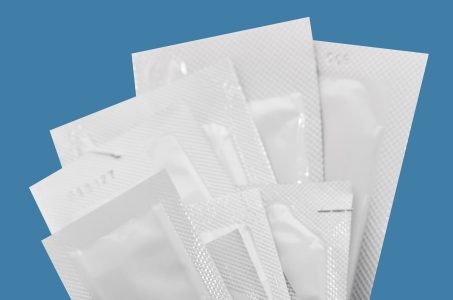
Selecting the right light cure adhesive can be a game-changer for your project, especially when considering the myriad options available in the market. Factors such as bond strength, curing time, and compatibility with materials are critical to ensure you choose an effective UV adhesive. Understanding these elements will help you make an informed decision that meets your specific needs.
Factors to Consider When Selecting Adhesives
When choosing a UV cure adhesive, start by evaluating its bonding capability with the materials involved in your project. Different ultraviolet adhesives have varying strengths and chemical compositions that may affect their performance based on substrate types. Additionally, consider curing speed; some UV glues set rapidly under ultraviolet light while others may require longer exposure times to achieve optimal adhesion.
Another important factor is environmental resistance—whether the adhesive will be exposed to moisture, heat, or chemicals during its use can significantly impact its longevity and effectiveness. It's also crucial to consider safety features; many modern UV light adhesives are formulated with low toxicity levels for safer handling and application processes. Lastly, think about the application method; whether you're using manual or automated systems can influence which type of UV adhesive is most suitable.
Comparisons with Traditional Adhesives
In contrast to traditional adhesives like epoxies or cyanoacrylates, ultraviolet light adhesives offer rapid curing times that can drastically improve production efficiency. While conventional adhesives often require hours or even days to fully set, UV glue typically cures within seconds when exposed to appropriate UV light sources. This speed not only accelerates manufacturing processes but also reduces downtime associated with waiting for bonds to cure.
Moreover, traditional adhesives may struggle with bonding dissimilar materials effectively due to their chemical properties; however, many ultraviolet adhesives excel in this area thanks to their versatile formulations designed for various substrates. Another notable difference lies in cleanup and waste management—UV cure adhesive generally requires less solvent for cleaning compared to traditional options that often necessitate harsh chemicals for removal.
However, it’s essential not to overlook potential drawbacks of UV light adhesive systems as well; they may require specialized equipment for curing and proper handling procedures due to their sensitivity to sunlight before application. Balancing these pros and cons will help ensure you select an adhesive best suited for your project's requirements.
Tips for Effective Application
To maximize the benefits of your chosen UV light adhesive, preparation is key! Ensure surfaces are clean and free from dust or grease before applying any uv glue; this simple step can significantly enhance bond strength and longevity of adhesion. Following manufacturer guidelines regarding application thickness is equally important—too thick a layer might hinder proper curing while too thin could compromise bond integrity.
When applying ultraviolet adhesive, it's advisable to conduct a small test on scrap material first if possible; this allows you to gauge how well it adheres under actual conditions without risking valuable components. Additionally, always keep your workspace well-lit when working with uv cure adhesive—proper lighting ensures that you’re aware of any excess glue that needs removal before it sets permanently.
Lastly, remember safety first! Use appropriate personal protective equipment (PPE) such as gloves and goggles when handling uv glue or operating curing lamps since prolonged exposure can pose health risks if safety measures aren’t observed diligently.
Conclusion
In wrapping up our exploration of UV cure adhesive, it’s clear that this technology is not just a passing trend but a significant advancement in bonding solutions. As industries evolve and demand for efficient, reliable adhesives grows, the role of UV glue will only become more prominent. The future of ultraviolet adhesive looks bright, with innovations on the horizon that promise to enhance performance and sustainability.
The Future of UV Cure Adhesive
The future of UV cure adhesive is poised for exciting developments as manufacturers continue to refine their formulations and applications. With increasing pressure to meet environmental regulations, we can expect a surge in eco-friendly uv adhesives that maintain high performance while minimizing ecological impact. Moreover, advancements in curing technologies will likely lead to faster processing times and improved adhesion properties across diverse substrates.
Innovations in UV Light Adhesive Technology
Innovations in UV light adhesive technology are already transforming various sectors by enhancing the capabilities of traditional bonding methods. New formulations are being developed that allow for better flexibility, improved temperature resistance, and even self-healing properties for certain applications. As research progresses, we can anticipate breakthroughs such as smart adhesives that react to environmental changes or stimuli, further expanding the versatility of uv glue.
Sustainable Practices with Adhesive UV Solutions
Sustainability is becoming an integral part of manufacturing processes, and adhesive uv solutions are no exception. Companies are increasingly turning towards water-based resin solutions that offer environmentally friendly alternatives without sacrificing strength or reliability in bonding applications. By adopting these sustainable practices in conjunction with innovative uv light adhesive technologies, industries can significantly reduce their carbon footprint while maintaining high standards of quality and efficiency.