
Introduction
In the world of modern technology, optically clear adhesives are becoming increasingly essential for creating high-performance displays. These advanced materials not only enhance the visual quality of screens but also play a pivotal role in the assembly and longevity of various electronic devices. Understanding these adhesives is crucial as they bridge the gap between innovation and functionality in our daily gadgets.
Understanding Optically Clear Adhesives
Optically clear adhesives are specialized bonding agents designed to provide a transparent bond between surfaces, ensuring minimal light distortion. Composed of advanced polymers, these adhesives offer superior clarity and durability compared to traditional options. Their unique properties make them ideal for applications where visual integrity is paramount, such as in smartphones, tablets, and other display technologies.
Importance of Advanced Displays
Advanced displays have revolutionized how we interact with technology, providing vibrant colors and sharp images that enhance user experience. Optically clear adhesives play a significant role in achieving this level of display quality by ensuring that layers within screens remain intact without compromising clarity. As technology continues to evolve, the demand for high-quality displays equipped with reliable bonding solutions will only increase.
Key Applications in Modern Technology
The applications of optically clear adhesives extend beyond just consumer electronics; they are vital in industries ranging from automotive to medical devices. For instance, die attach film adhesive is commonly used in semiconductor packaging to ensure optimal performance while maintaining transparency. Additionally, non-conductive adhesive options are critical for sensitive electronics where electrical interference must be minimized—making them indispensable across various sectors.
What Are Optically Clear Adhesives?
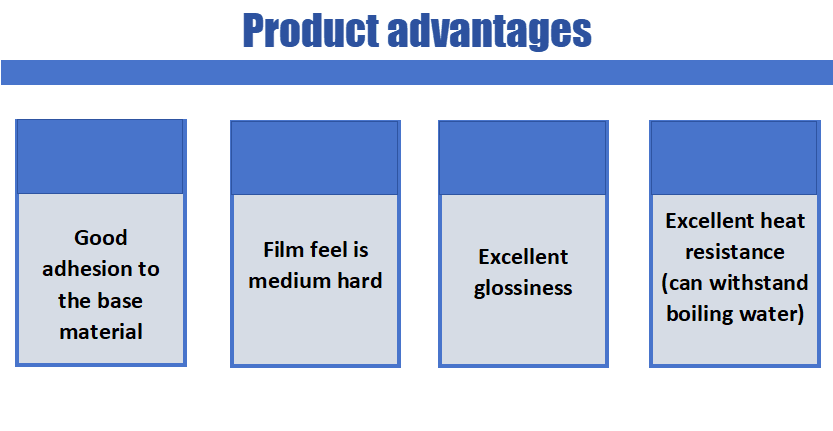
Optically clear adhesives are specialized bonding agents designed to provide a transparent and durable bond between surfaces, especially in applications where clarity is paramount. These adhesives are engineered to minimize light distortion and maintain the aesthetic integrity of displays, lenses, and other optical components. Their unique composition often includes polymers that allow for superior adhesion without compromising transparency, making them essential in advanced technology.
Definition and Composition
At their core, optically clear adhesives consist of high-performance polymers that ensure both clarity and strength in bonding applications. These adhesives are typically formulated with materials such as acrylics or silicones, which contribute to their optical properties while providing excellent adhesion to various substrates like glass and plastics. The precise formulation allows these adhesives to cure into a clear film that exhibits minimal yellowing over time, ensuring long-lasting visual quality.
Common Types in the Market
In the world of optically clear adhesives, several types stand out based on their specific applications and performance characteristics. One popular category includes die attach film adhesive, which is crucial for securing semiconductor devices within electronic assemblies. Additionally, non-conductive adhesive options are widely used when electrical insulation is necessary while maintaining optical clarity—ideal for sensitive electronics where conductivity could lead to failure.
Advantages Over Traditional Adhesives
Optically clear adhesives offer several advantages compared to traditional adhesive options that can cloud or distort visibility. Their superior clarity ensures that displays remain vibrant and unblemished by adhesive artifacts, which is vital in industries like consumer electronics and automotive displays. Furthermore, these modern adhesives often provide enhanced durability against environmental factors such as moisture or temperature fluctuations—benefits traditional glues simply can't match.
The Role of Die Attach Film Adhesives
Die attach film adhesives are crucial components in the electronics industry, providing reliable bonding solutions for various applications. These optically clear adhesives offer a unique combination of properties that enhance performance and durability in electronic devices. With their ability to maintain optical clarity and structural integrity, die attach film adhesives have become indispensable in modern technology.
Essential Features and Benefits
One of the standout features of die attach film adhesives is their excellent thermal stability, which is vital for maintaining performance under high-temperature conditions. Additionally, these non-conductive adhesives prevent electrical interference between components, ensuring that sensitive electronics function without disruption. Their flexible adhesive properties allow them to accommodate the expansion and contraction of materials during thermal cycling, significantly enhancing the longevity and reliability of electronic assemblies.
Applications in Electronics
Die attach film adhesives find extensive use in various electronic applications, including LED lighting, semiconductor packaging, and automotive electronics. In LED technology, these optically clear adhesives ensure maximum light transmission while providing robust adhesion for components exposed to varying environmental conditions. Furthermore, they are essential in semiconductor devices where precision bonding is required to maintain performance standards and device efficiency.
Performance Comparison with Other Adhesives
When comparing die attach film adhesives to traditional adhesive options like epoxies or silicones, several advantages become evident. While many conventional adhesives may offer strong bonds initially, they often lack the thermal stability or non-conductive properties necessary for high-performance electronics. In contrast, die attach film adhesives excel in maintaining optical clarity while delivering superior flexibility and durability across a range of applications—making them a top choice for manufacturers seeking reliable solutions.
Non-Conductive Adhesives: A Game Changer
In the realm of modern electronics, non-conductive adhesives are revolutionizing the way we think about bonding materials. Unlike traditional adhesives that may inadvertently create electrical pathways, these specialized formulations ensure that sensitive components remain isolated from one another. This quality is particularly crucial in applications where even the slightest conductivity could lead to failure or malfunction, making non-conductive adhesive a game changer in the industry.
Why Non-Conductivity Matters
Non-conductivity is essential for several reasons, especially in high-tech environments where precision and reliability are paramount. For instance, when using optically clear adhesives to bond displays and touch screens, any unintended electrical connection could disrupt performance or damage components. Additionally, non-conductive adhesives help prevent short circuits in densely packed electronic assemblies, which is vital for maintaining device integrity over time.
Moreover, using a die attach film adhesive that is non-conductive can enhance thermal management within devices by allowing heat dissipation without risking electrical interference. This property not only safeguards sensitive electronics but also contributes to overall product longevity and performance stability. As technology continues to evolve toward smaller and more complex designs, the importance of non-conductivity will only grow.
Use Cases in Sensitive Electronics
Non-conductive adhesives find their niche primarily in sensitive electronic applications where precision matters most. For example, they are widely used in smartphones and tablets to bond screens without compromising touch sensitivity or display clarity—qualities enhanced by optically clear adhesives that maintain visual fidelity while providing robust adhesion. Furthermore, these adhesives are critical in medical devices and automotive electronics where reliability cannot be compromised.
In addition to consumer electronics, industries such as aerospace rely on non-conductive adhesive solutions for bonding components that must withstand extreme conditions without risking electrical failure. The automotive sector also benefits from these innovations; as vehicles become increasingly digital with numerous sensors and control systems integrated into compact spaces, ensuring that conductive paths do not form between adjacent components becomes imperative.
Leading Non-Conductive Adhesive Brands
Several brands stand out when it comes to producing high-quality non-conductive adhesives tailored for various applications. Companies like 3M have developed specialized solutions that blend flexibility with strong adhesion properties—ideal for use with flexible adhesive requirements found in modern gadgets. Another notable player is Henkel with its Loctite line of products offering reliable performance across different materials while ensuring electrical isolation.
Additionally, manufacturers like Dow offer innovative options designed specifically for die attach film adhesive applications which require precise bonding without conductivity interference. Their formulations often incorporate advanced materials engineered for optimal thermal management as well as mechanical strength—key attributes sought after by engineers today seeking reliable solutions for next-generation technology.
Flexible Adhesives for Enhanced Performance
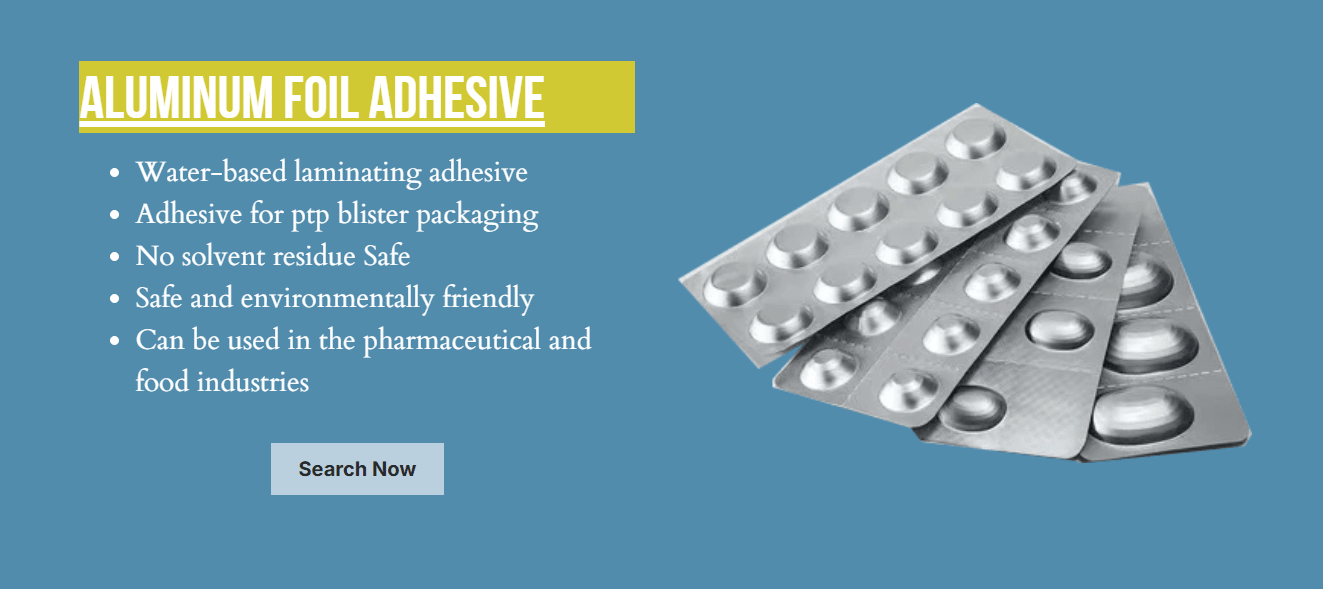
In the world of modern technology, flexible adhesives are becoming essential for achieving enhanced performance in various applications. These adhesives not only provide strong bonding capabilities but also allow for movement and flexibility, making them ideal for a range of products from smartphones to automotive components. With the rise of optically clear adhesives and die attach film adhesive technologies, flexible adhesives are now at the forefront of innovation.
Characteristics of Flexible Adhesives
Flexible adhesives are designed to maintain their bond even under stress or movement, which is crucial in dynamic environments. They often exhibit excellent elongation properties, meaning they can stretch without breaking—ideal for applications where materials may expand or contract. Additionally, many flexible adhesives possess good temperature resistance and durability against environmental factors, ensuring long-lasting performance in various conditions.
Compatibility with Various Materials
One of the standout features of flexible adhesives is their compatibility with a wide range of materials. Whether bonding glass to plastic or metal to rubber, these adhesives can effectively create strong bonds across different substrates while maintaining optical clarity when needed—especially important for optically clear adhesives used in displays. This versatility makes them suitable for use in industries like electronics, automotive, and consumer goods where diverse material combinations are common.
Industry Applications and Innovations
Flexible adhesives have found their way into numerous industry applications due to their unique properties. In electronics, they are often used as die attach film adhesive solutions that secure sensitive components without compromising functionality—a must-have feature when dealing with intricate designs in modern devices. Moreover, innovations continue to emerge as manufacturers explore new formulations that enhance performance while keeping sustainability in mind; think non-conductive adhesive options that further expand the potential uses across high-tech industries.
Chemix's Water-Based Resin Solution

In the realm of adhesives, Chemix's water-based resin solution stands out as a remarkable innovation. This type of adhesive is formulated to provide excellent bonding while maintaining clarity, making it ideal for applications that require optically clear adhesives. With its unique properties, this resin caters to various industries that demand high-performance bonding solutions.
Overview of Water-Based Resin
Water-based resins are an eco-friendly alternative to traditional solvent-based adhesives, offering a lower environmental impact without compromising on performance. These resins are designed to deliver strong adhesion and flexibility, making them suitable for use in a variety of applications where non-conductive adhesive properties are essential. By utilizing advanced formulations, Chemix ensures that their water-based resin meets the rigorous demands of modern technology while remaining user-friendly.
Environmental Benefits and Sustainability
One of the standout features of Chemix’s water-based resin is its commitment to sustainability. Unlike solvent-based adhesives that release volatile organic compounds (VOCs), this water-based solution minimizes harmful emissions, contributing to healthier work environments and reducing ecological footprints. The use of environmentally friendly materials not only supports regulatory compliance but also appeals to consumers increasingly concerned about sustainability in their adhesive choices.
Versatility in Different Applications
The versatility of Chemix's water-based resin makes it an ideal choice for a wide range of applications across various industries. Whether used as a die attach film adhesive in electronics or as a flexible adhesive in automotive manufacturing, this product adapts well to different substrates while maintaining optical clarity and strength. From sensitive electronics requiring non-conductive properties to innovative packaging solutions, the potential uses for this water-based resin are virtually limitless.
Conclusion
As we wrap up our exploration of optically clear adhesives, it’s clear that these materials are more than just a sticky solution; they represent a fundamental shift in how we approach technology and design. The future of optically clear adhesives looks bright, driven by continuous innovation and the ever-growing demand for advanced displays in various sectors. With applications ranging from consumer electronics to automotive displays, the role of these adhesives will only expand as technology advances.
The Future of Optically Clear Adhesives
The future landscape for optically clear adhesives is set to be shaped by advancements in material science and manufacturing processes. We can expect to see enhanced properties such as improved durability, UV resistance, and even self-healing capabilities that will redefine their applications. As industries increasingly prioritize aesthetics alongside functionality, optically clear adhesives will become indispensable in creating seamless visual experiences.
Innovations Shaping Advanced Displays
Innovations like die attach film adhesive are at the forefront of revolutionizing display technologies, providing robust solutions that cater to high-performance requirements. These advancements not only enhance the reliability of displays but also contribute significantly to energy efficiency and weight reduction in electronic devices. As manufacturers strive for thinner and lighter designs, innovations such as non-conductive adhesive formulations are also paving the way for safer and more efficient electronic components.
Choosing the Right Adhesive for Your Needs
When it comes to selecting the right adhesive for your project, understanding your specific requirements is essential—whether you need flexible adhesive properties or non-conductive features. Each type of adhesive brings its unique advantages to the table; thus, it’s crucial to assess factors like temperature tolerance, bond strength, and environmental impact before making a decision. By carefully evaluating your needs against the offerings available in optically clear adhesives and their variants like die attach film adhesive or flexible options, you can ensure optimal performance in your applications.