
Introduction
In the world of aviation, where every component must withstand the rigors of flight, the choice of aviation adhesive is paramount. These specialized adhesives not only provide structural integrity but also ensure safety and performance in various applications. Understanding the different types of adhesives available, from construction adhesive to high temperature glue, can make all the difference in maintaining the quality and longevity of aircraft components.
Understanding Aviation Adhesive Types
Aviation adhesives come in various formulations tailored for specific materials and conditions. From contact adhesives that bond quickly to high temperature adhesive options designed to endure extreme environments, knowing which type to use is crucial. Additionally, there are specialized adhesives for plastic and other substrates that offer unique benefits for aviation applications.
Importance of Proper Adhesive Use
Using the right adhesive is not just a matter of convenience; it's essential for ensuring safety in aircraft operations. The strongest glue may not always be suitable if it doesn't match the material type or application requirements. Proper adhesive use minimizes risks associated with bond failure, which can lead to catastrophic consequences in aviation settings.
Common Applications in Aviation
Aviation adhesives find their way into numerous applications within the industry, from assembling fuselage sections to attaching interior components securely. They are also used extensively for repairs and maintenance tasks where durability is critical. Whether employing an adhesive sealant for weatherproofing or utilizing a high temperature glue for engine components, these products play a vital role in enhancing overall aircraft performance.
Selecting the Right Aviation Adhesive

Choosing the right aviation adhesive is crucial for ensuring safety and performance in aerospace applications. With a variety of adhesives available, understanding their properties and suitability for specific materials is essential. Whether you’re using construction adhesive or contact adhesives, making informed decisions can significantly impact the durability of your bond.
Factors to Consider for Strength
When selecting an aviation adhesive, strength is paramount. The strongest glue may vary depending on environmental conditions and the materials being bonded; thus, evaluating tensile strength, shear strength, and peel strength is vital. Additionally, consider factors such as fatigue resistance and impact resistance to ensure that your chosen adhesive can withstand the rigors of aviation use.
Match Adhesive to Material Type
Not all adhesives are created equal; matching the adhesive to the material type is essential for optimal performance. For instance, when bonding metals or composites with an adhesive sealant, it’s crucial to select one specifically designed for those surfaces to avoid failure at critical moments. Similarly, if you’re working with plastics, using an appropriate adhesive to plastic ensures a reliable bond that won’t degrade over time.
Choosing High Temperature Glue
In aviation environments where heat can be a significant factor, choosing high temperature glue becomes necessary. High temperature adhesives are formulated to maintain their bonding capabilities even under extreme conditions commonly encountered in aircraft operations. When selecting these adhesives, look for those that specify high temperature tolerance while still providing excellent adhesion properties across various substrates.
Surface Preparation for Optimal Bonding
Properly prepared surfaces enhance the effectiveness of aviation adhesives, ensuring that they perform at their best under various conditions. Whether you’re using construction adhesive or high temperature glue, the right prep work can make all the difference.
Cleaning Surfaces Before Adhesive Application
Before applying any aviation adhesive, it's essential to clean the surfaces thoroughly. Dust, grease, and other contaminants can significantly weaken the bond formed by adhesives like contact adhesives or high temperature adhesive options. Using a suitable solvent or cleaner specifically designed for aviation materials will ensure that your surfaces are free from any residues that might compromise adhesion.
In addition to solvents, consider using lint-free cloths for wiping down surfaces; this helps prevent any fibers from interfering with your adhesive application. Remember that even minor contaminants can lead to major issues down the line, especially in high-stress environments typical in aviation settings. So take your time and ensure those surfaces are spotless before proceeding with your bonding process.
Roughening Surfaces for Better Adhesion
Another crucial step in surface preparation is roughening up the areas where you’ll apply your aviation adhesive. Smooth surfaces may look appealing but often don’t provide enough texture for adhesives to grip effectively—think of it as giving your strongest glue something to hold onto! Lightly sanding or using abrasive pads can create micro-abrasions that enhance mechanical bonding.
This technique is particularly beneficial when working with plastic materials; an adhesive to plastic needs that extra bit of texture for optimal performance. Just be cautious not to overdo it; you want sufficient roughness without compromising the integrity of the material itself. A well-prepared surface will greatly improve adhesion and ensure a long-lasting bond.
Utilizing Adhesive Sealants for Sealing
Once you've applied your aviation adhesive and achieved a solid bond, don't overlook the importance of sealing those joints properly with an adhesive sealant. These sealants not only provide additional bonding strength but also protect against environmental factors such as moisture and temperature fluctuations—vital in aerospace applications where durability matters most!
Choosing a high-quality sealant compatible with your chosen adhesives ensures that everything works harmoniously together; think of it as icing on a cake! When selecting an adhesive sealant, consider its properties carefully—some are designed specifically for high-temperature conditions while others excel in flexibility or resistance to chemicals. By utilizing these specialized products alongside traditional adhesives like construction adhesive, you're setting yourself up for success.
Application Techniques for Aviation Adhesive

When it comes to using aviation adhesives, the application techniques can significantly influence the strength and durability of the bond. Proper methods not only ensure optimal performance but also enhance safety in aircraft construction and repair. Understanding how to apply contact adhesives effectively, timing for bonding, and ensuring even distribution are crucial steps in achieving a reliable adhesive bond.
How to Apply Contact Adhesives Effectively
Applying contact adhesives requires precision and care to achieve the strongest glue possible for your project. Start by applying an even layer of aviation adhesive on both surfaces; this is essential when working with materials like plastic or metal, as it creates a robust bond upon contact. Ensure that you follow the manufacturer's instructions regarding drying times before pressing surfaces together—this is key for high temperature glue applications where heat resistance is vital.
When using construction adhesive or any high temperature adhesive, be mindful of the environment; factors like humidity can affect curing times and overall effectiveness. For best results, use a brush or roller to spread the adhesive evenly, avoiding lumps that could weaken your bond later on. Always remember: a well-prepared surface combined with proper application techniques leads to optimal adhesion.
Timing for Effective Bonding
Timing plays an integral role in achieving successful bonding with aviation adhesives. After applying your adhesive sealant or contact adhesives, there's a critical window during which you must join the surfaces together; waiting too long can result in reduced adhesion strength due to premature drying or skinning over of the glue. Conversely, if you bond too soon before sufficient tackiness develops, you may compromise the integrity of the joint.
For high temperature glue applications specifically, it’s essential to adhere within recommended time frames outlined by manufacturers—this ensures that thermal resistance is maximized once cured. Monitoring environmental conditions such as temperature and humidity during this phase is also important; these factors can alter curing times significantly and impact overall performance of your adhesive bonds.
Ensuring Even Adhesive Distribution
Achieving an even distribution of aviation adhesive across surfaces is vital for creating strong connections that withstand stress over time. Uneven application may lead to weak spots that can fail under pressure or extreme temperatures commonly found in aviation environments. To ensure uniformity when applying adhesives—especially those used on plastics—utilize tools like rollers or spreaders designed specifically for this purpose.
When dealing with high temperature adhesives or sealants, pay extra attention to how they are distributed; some formulations may require specific techniques such as back-rolling after initial application for better penetration into surface textures. Additionally, always inspect your work visually after application; any missed areas could spell disaster down the line when subjected to operational stresses typical in aviation settings.
Curing and Handling of Adhesive Bonds
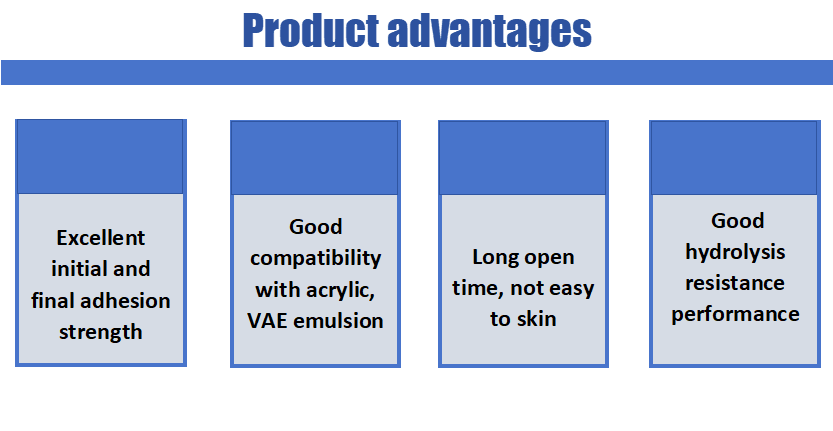
When it comes to aviation adhesive, understanding the curing process is crucial for achieving strong and reliable bonds. Curing times can vary significantly depending on the type of adhesive used, environmental conditions, and the materials being bonded. For example, high temperature adhesives may require specific curing conditions to reach their optimal strength, while contact adhesives often cure faster but may need careful handling during that period.
Understanding Curing Times and Conditions
Each aviation adhesive has its unique set of curing times and conditions that must be adhered to for the best results. Generally, high temperature glue can take longer to cure than standard adhesives due to the chemical processes involved in achieving maximum bond strength. It's essential to consult manufacturer guidelines for each type of adhesive—especially when using construction adhesive or adhesive sealants—to ensure that you allow adequate time for proper bonding before subjecting materials to stress.
Best Practices for Handling Bonded Materials
Once your aviation adhesive has cured, handling bonded materials with care is vital for maintaining integrity in your projects. Always ensure that you wait until the full cure time has passed before applying any stress or load; this is particularly important when working with high temperature glue or contact adhesives that might still be setting under certain conditions. Additionally, use gentle handling techniques to avoid disturbing the bond; remember that even though you may have used one of the strongest glues available, a little caution goes a long way in preserving your hard work.
Monitoring Temperature and Humidity
Temperature and humidity levels can greatly affect both curing times and overall bond quality when using aviation adhesives. High humidity can slow down curing processes while extreme temperatures may compromise bond strength; thus, keeping an eye on these environmental factors is essential during application and curing phases. If you're working with an adhesive to plastic or other sensitive materials, consider using a controlled environment whenever possible to optimize performance—after all, no one wants their hard work undone because of unexpected weather changes!
Sustainable Options in Aviation Adhesive
In the ever-evolving world of aviation, sustainability is becoming a crucial factor in selecting materials, including aviation adhesives. The shift towards environmentally friendly options does not only benefit the planet but also enhances performance and safety in aircraft construction and maintenance. As we explore sustainable adhesive solutions, it’s clear that innovative products like Chemix's water-based resin solution are leading the charge.
Advantages of Chemix's Water-Based Resin Solution
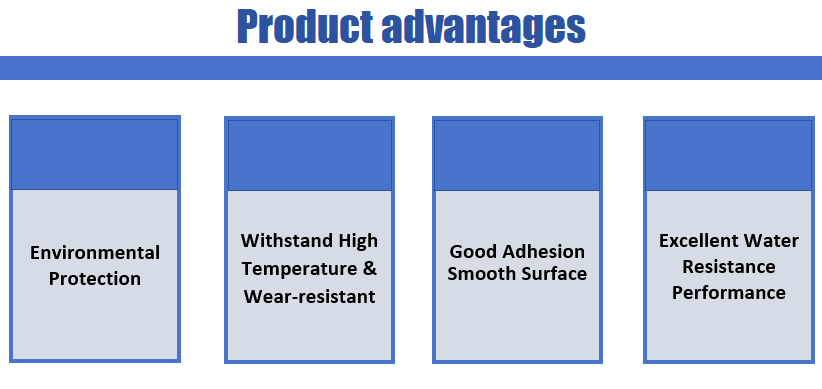
One of the standout features of Chemix's water-based resin solution is its low environmental impact compared to traditional aviation adhesives. This high-performance adhesive boasts a remarkable bond strength, making it one of the strongest glues available for various applications, including bonding plastic components effectively. Furthermore, its formulation minimizes volatile organic compounds (VOCs), ensuring safer working conditions for technicians and reducing harmful emissions during production.
Another significant advantage is versatility; this adhesive works well with multiple substrates, including metals and plastics, making it an ideal choice for diverse aviation applications. Its excellent resistance to moisture and temperature fluctuations makes it suitable even as a high temperature glue for demanding environments. By choosing this water-based option, companies can align their operations with sustainable practices while maintaining high standards of quality.
Environmentally Friendly Adhesives in Aviation
The trend toward environmentally friendly adhesives in aviation is gaining momentum as manufacturers recognize the importance of sustainability. Many modern aviation adhesives are designed to be less harmful to both users and the environment while still providing strong bonds similar to conventional construction adhesives. These eco-friendly options often utilize bio-based materials or innovative chemical formulations that reduce toxicity without sacrificing performance.
Adhesive sealants also play a vital role in enhancing aircraft durability while being more environmentally conscious than traditional products. By opting for these sustainable alternatives, manufacturers can contribute positively to their corporate social responsibility goals while ensuring compliance with increasingly stringent regulations on hazardous materials. The shift toward green solutions not only benefits ecological health but also enhances brand reputation among customers who prioritize sustainability.
Performance Comparison with Traditional Adhesives
When comparing sustainable aviation adhesives like Chemix's water-based solution with traditional options, it's essential to evaluate key performance metrics such as bond strength, curing time, and environmental impact. Surprisingly, many eco-friendly adhesives perform on par or even better than their conventional counterparts when tested under similar conditions—an impressive feat considering they often contain fewer harmful chemicals. For instance, high temperature adhesive formulations have shown exceptional resilience against thermal stress without compromising safety or efficacy.
Moreover, advancements in technology have led to improved formulations that enhance adhesion properties across various materials—making them ideal choices for both metal and plastic bonding applications within aircraft assembly and repair processes. While some may worry about durability or longevity when switching from traditional contact adhesives to greener alternatives, studies indicate that these modern solutions can withstand rigorous operational demands just as effectively over time.
Ultimately, choosing sustainable options doesn't mean sacrificing quality; rather it signifies an evolution towards smarter material choices that prioritize both performance excellence and environmental stewardship—a win-win situation for all stakeholders involved in aviation!
Conclusion
In the world of aviation, the choice and application of adhesives play a crucial role in ensuring safety, durability, and performance. Selecting the right aviation adhesive involves understanding its properties and matching it to specific materials and applications. By following best practices in surface preparation, application techniques, and curing processes, one can achieve a robust bond that withstands the rigors of flight.
Key Takeaways for Effective Adhesive Use
When it comes to effective adhesive use in aviation, understanding the different types—such as contact adhesives and high temperature glue—is fundamental. Always consider factors like material compatibility; for instance, using an appropriate adhesive to plastic can significantly enhance performance. Additionally, proper surface preparation cannot be overstated; cleaning and roughening surfaces will ensure that your construction adhesive adheres optimally.
Future Trends in Aviation Adhesives
The future of aviation adhesives is leaning towards sustainability without compromising strength or reliability. Innovations like Chemix's water-based resin solutions are paving the way for environmentally friendly options that perform comparably to traditional adhesives while reducing environmental impact. As technology progresses, we can expect advancements in high temperature adhesive formulations that will further enhance safety and efficiency in aircraft construction.
Enhancing Safety with Proper Adhesive Application
Safety is paramount in aviation, making proper adhesive application essential for maintaining structural integrity during flight operations. By utilizing high temperature glue where necessary and ensuring even distribution of contact adhesives, we can minimize failure risks associated with bonding materials under stress. Ultimately, meticulous attention to detail in selecting and applying aviation adhesives not only enhances performance but also safeguards lives.