
Introduction
In the aerospace industry, the role of adhesives is nothing short of revolutionary. Aircraft adhesive technologies have transformed how components are joined, ensuring safety, performance, and longevity in flight. As aircraft manufacturers push the boundaries of design and efficiency, understanding the importance of these materials becomes paramount.
The Importance of Adhesives in Aerospace
Adhesives are critical to modern aircraft construction, serving as essential components that bond various materials together. The strength and reliability of aircraft adhesives directly impact overall safety and structural integrity during flight operations. With the increasing complexity of aircraft designs, manufacturers rely on advanced adhesive solutions to meet stringent regulations and performance standards.
Key Types of Adhesives and Sealants
Within the realm of aerospace applications, a variety of aircraft adhesive types are employed to suit different needs—from structural bonding to surface sealing. Commonly used adhesives include epoxy-based formulations, polyurethane adhesives, and cyanoacrylates that offer unique benefits for specific applications. Sealants also play a crucial role in this sector by preventing moisture intrusion and enhancing aerodynamic efficiency.
Innovations Driving the Aerospace Sector
The aerospace sector is witnessing a surge in innovations aimed at improving adhesive formulations and their applications. Advanced manufacturing techniques such as 3D printing have opened new avenues for incorporating specialized aircraft adhesives into designs more efficiently than ever before. Furthermore, sustainability trends are pushing many aircraft adhesive manufacturers to explore eco-friendly options that meet both performance requirements and environmental standards.
Overview of Aircraft Adhesives

In the aerospace industry, aircraft adhesives play a crucial role in ensuring the integrity and performance of various components. These specialized adhesives are designed to withstand extreme conditions, including temperature fluctuations, vibrations, and chemical exposure. Understanding the different types of aircraft adhesives and their applications is essential for manufacturers seeking optimal performance and safety in their aircraft designs.
Understanding Aircraft Adhesives and Their Applications
Aircraft adhesives are formulated to bond materials such as metals, composites, and plastics used in aviation manufacturing. These adhesives not only provide structural integrity but also contribute to weight reduction—an essential factor in enhancing fuel efficiency. The applications of aircraft adhesive types vary widely, from bonding wings to securing cabin interiors, highlighting their versatility in meeting industry demands.
Popular Choices for Aircraft Adhesives
Epoxy-based adhesives are favored for their exceptional strength and resistance to environmental factors, making them ideal for critical load-bearing applications. Additionally, polyurethane adhesives offer flexibility and durability for various surfaces while providing excellent adhesion properties across different materials.
Strength and Durability Requirements
Strength and durability are paramount when it comes to aircraft adhesive applications; after all, lives depend on these bonds remaining intact during flight! Most aerospace standards dictate that these adhesives must endure not just mechanical stress but also extreme thermal cycling without compromising performance. As a result, leading aircraft adhesive suppliers focus on developing products that meet rigorous testing protocols to ensure reliability under challenging conditions.
Sealants in the Aerospace Industry

Sealants play a vital role in the aerospace industry, ensuring that aircraft maintain their structural integrity and performance under various conditions. These specialized materials are essential for preventing leaks and protecting sensitive components from environmental factors. The right sealant can make all the difference in an aircraft's longevity and safety.
Types of Sealants Used in Aircraft
There are several types of sealants used in aircraft, each designed to meet specific requirements based on application and environmental exposure. Common types include polysulfide, silicone, polyurethane, and epoxy sealants, each offering unique properties suited for different components and surfaces. Aircraft adhesive types vary widely among these sealants, allowing manufacturers to select the best fit for their needs.
Polysulfide sealants are often preferred for fuel tanks due to their excellent resistance to aviation fuels and oils. Silicone sealants provide flexibility and temperature resistance but may not be suitable for high-stress areas where strength is critical. Polyurethane offers a balance between flexibility and adhesion strength, making it a popular choice among aircraft adhesive suppliers.
Importance of Sealants for Safety and Performance
The importance of sealants cannot be overstated when it comes to ensuring safety and performance in aircraft operations. Properly applied sealants prevent leaks that could compromise structural integrity or lead to hazardous situations during flight. Moreover, effective sealing contributes to better aerodynamics by reducing drag caused by gaps or seams.
In addition to enhancing safety, quality sealants also contribute significantly to an aircraft's overall performance by minimizing maintenance needs over time. Regular inspections can reveal wear or degradation of these materials; thus, choosing high-quality products from reputable aircraft adhesive manufacturers is crucial for long-term reliability. Ultimately, using the right sealant can save manufacturers time and money while enhancing passenger safety.
Leading Sealant Brands and Their Products
Several leading brands dominate the market for aerospace sealants, providing innovative solutions tailored specifically for aviation applications. Names like 3M, Henkel (Loctite), Dow Corning (now part of Dow), and Bostik have established themselves as key players among aircraft adhesive suppliers due to their commitment to quality and performance standards.
3M offers a range of aerospace-grade adhesives that include both bonding agents and specialized sealant products designed for various applications within an aircraft structure. Henkel’s Loctite line features advanced formulations that cater specifically to the demanding environments faced by modern airplanes while ensuring compliance with industry regulations. Meanwhile, Dow Corning provides silicone-based options renowned for their durability under extreme temperatures—an essential characteristic when considering flight conditions.
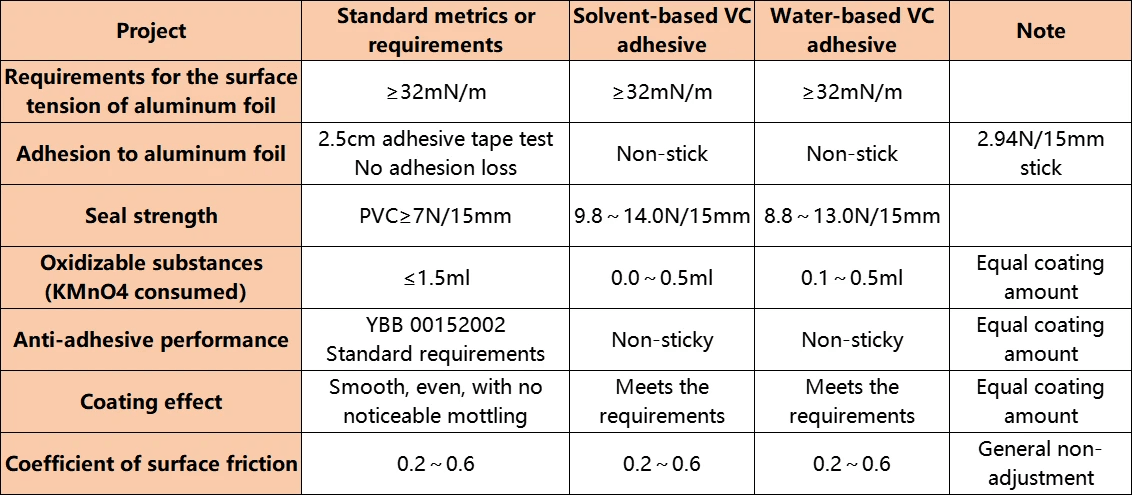
Chemix's Water-Based Resin Solution

Chemix's water-based resin solution is revolutionizing the aerospace industry, particularly in the realm of aircraft adhesives. As manufacturers and suppliers seek environmentally friendly alternatives, these resins stand out for their reduced volatile organic compounds (VOCs) and lower environmental impact. Not only do they meet strict regulatory standards, but they also offer a sustainable choice that aligns with the industry's growing emphasis on eco-friendly practices.
Environmental Benefits of Water-Based Resins
Water-based resins come with a plethora of environmental benefits that make them an appealing choice for aircraft adhesive applications. Unlike traditional solvent-based adhesives, which can release harmful emissions during production and application, water-based options significantly reduce air pollution and health risks for workers. Moreover, these adhesives are often biodegradable or less harmful to ecosystems, making them a responsible option for aircraft adhesive manufacturers focused on sustainability.
The shift towards water-based resins also reflects a broader trend in the aerospace sector to minimize ecological footprints while maintaining high performance standards. By embracing this technology, aircraft adhesive suppliers can cater to companies looking to enhance their green credentials without compromising on quality or reliability. This commitment not only benefits the environment but also resonates well with consumers increasingly concerned about corporate responsibility.
Applications of Chemix Water-Based Resin in Aerospace
Chemix's water-based resin has diverse applications within the aerospace industry, proving effective across various bonding scenarios encountered by aircraft adhesive manufacturers. From structural bonding to interior finishes and component assembly, these adhesives provide versatility that meets stringent safety and performance requirements. They are particularly effective in areas where flexibility and durability are paramount—essential traits for any reliable aircraft adhesive.
Furthermore, Chemix’s innovative formulations allow for rapid curing times without sacrificing bond strength or longevity, making them ideal for fast-paced manufacturing environments. As more companies recognize the advantages of using water-based resins, demand among aircraft adhesive suppliers continues to grow—driving innovations that further enhance product offerings across the board. Ultimately, these applications underscore the adaptability of Chemix’s solutions in meeting evolving industry needs.
Performance Characteristics of Water-Based Adhesives
When it comes to performance characteristics, Chemix's water-based adhesives don’t cut corners; they deliver impressive results that rival traditional options commonly used by aircraft adhesive manufacturers today. These adhesives exhibit excellent adhesion properties on a wide range of substrates—including metals and composites—ensuring strong bonds critical for safety and integrity in aviation applications. Additionally, their resistance to moisture and temperature fluctuations makes them suitable even under challenging operational conditions.
Another noteworthy aspect is their user-friendly application process; being low-odor and easy to clean up enhances workplace safety while minimizing disruptions during production runs—a significant advantage over some conventional options favored by certain aircraft adhesive suppliers. Furthermore, continuous advancements mean that Chemix is committed to improving both performance metrics and environmental impact simultaneously—a balancing act that's crucial as regulations tighten globally regarding material use in aerospace manufacturing.
In conclusion, as we look toward future innovations within this sector driven by sustainability goals and technological advancements alike, it’s clear that Chemix’s water-based resin solutions stand poised at the forefront of this exciting evolution within aerospace adhesives.
Bonding Techniques in Aerospace Manufacturing
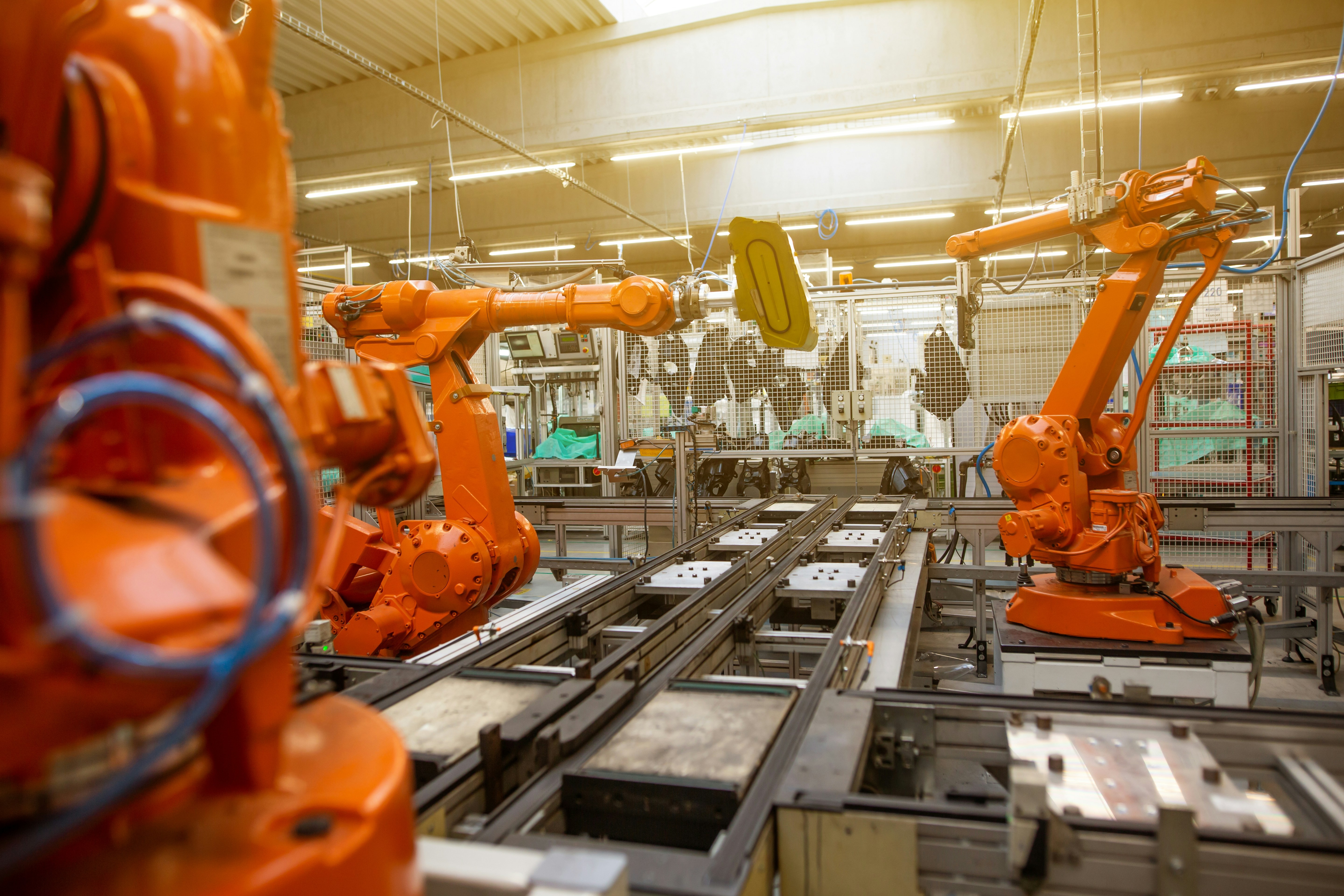
In the aerospace industry, bonding techniques play a pivotal role in ensuring the integrity and performance of aircraft structures. The choice of aircraft adhesive and its application method can significantly influence both safety and durability. Understanding these techniques is essential for manufacturers aiming to achieve optimal results with their chosen aircraft adhesive types.
Methods for Applying Aircraft Adhesives
There are several methods for applying aircraft adhesives, each tailored to specific applications and materials used in aerospace manufacturing. Common techniques include brush application, spray systems, and automated dispensing methods that enhance precision. Aircraft adhesive manufacturers continuously innovate these application processes to improve efficiency while ensuring uniform coverage and optimal bonding strength.
For instance, spray application allows for quick coverage of large surface areas, which is crucial when working on extensive components like fuselages or wings. On the other hand, manual methods such as brushing may be more suitable for smaller parts or intricate assemblies where control is vital. Regardless of the method employed, selecting the right aircraft adhesive suppliers who provide high-quality products can make all the difference in achieving reliable bonds.
Importance of Surface Preparation
Surface preparation is a critical step that directly impacts the effectiveness of any aircraft adhesive used in manufacturing processes. Properly preparing surfaces ensures that contaminants such as oils, dust, or oxidation are removed, allowing for better adhesion between materials. Without adequate surface treatment, even the best aircraft adhesive types may fail to deliver their promised performance.
Techniques such as sanding or chemical cleaning are commonly utilized to prepare surfaces before applying an adhesive. This meticulous attention to detail not only enhances bond strength but also contributes to overall safety by reducing potential failure points in an aircraft’s structure. In this regard, collaborating with reputable aircraft adhesive suppliers can provide access to specialized surface preparation products designed specifically for aerospace applications.
Quality Control in Bonding Processes
Quality control measures are paramount during bonding processes to ensure that every joint meets stringent aerospace standards. Regular inspections and testing protocols help verify that the selected aircraft adhesives have cured properly and adhere effectively under various conditions encountered during flight operations. Aircraft adhesive manufacturers often implement rigorous quality assurance programs to monitor consistency throughout production runs.
Additionally, employing non-destructive testing methods can identify potential issues without compromising structural integrity—an invaluable aspect given how critical safety is in aviation contexts. By prioritizing quality control at every stage—from selection through application—manufacturers can confidently utilize various aircraft adhesive types while minimizing risks associated with mechanical failures or material degradation over time.
Future Trends in Aerospace Adhesives and Sealants
The aerospace industry is on the brink of a significant transformation, particularly in the realm of adhesives and sealants. As manufacturers strive for improved performance and sustainability, emerging technologies are reshaping the landscape of aircraft adhesive formulations. These innovations not only enhance the bonding capabilities but also address environmental concerns, making them pivotal for future aircraft designs.
Emerging Technologies in Adhesive Formulations
Recent advancements in adhesive technology have led to the development of high-performance aircraft adhesives that can withstand extreme conditions while maintaining structural integrity. Manufacturers are increasingly focusing on smart adhesives that can respond to environmental changes or stressors, providing real-time feedback on their performance. Additionally, nanotechnology is being leveraged to create stronger and lighter adhesive types, which can significantly reduce overall aircraft weight and improve fuel efficiency.
Leading aircraft adhesive manufacturers are exploring bio-based materials as alternatives to traditional synthetic options, aiming for formulations that offer both strength and reduced environmental impact. This shift not only meets regulatory demands but also aligns with consumer preferences for sustainable products. As these technologies continue to evolve, we can expect a broader range of innovative aircraft adhesive solutions that meet stringent aerospace standards.
Sustainability in Aerospace Materials
Sustainability is no longer just a buzzword; it’s becoming a crucial consideration in aerospace manufacturing processes, especially regarding adhesives and sealants. Aircraft adhesive suppliers are responding by developing eco-friendly formulations that minimize harmful emissions during production and application while ensuring optimal performance characteristics. Water-based adhesives are gaining popularity due to their lower VOC content and reduced environmental footprint compared to traditional solvent-based options.
Moreover, recycling initiatives within the industry aim to reclaim used materials from decommissioned aircraft, further promoting sustainability in aerospace manufacturing. This commitment not only addresses ecological concerns but also enhances brand reputation among environmentally conscious consumers and regulators alike. In this evolving landscape, sustainable practices will likely become a competitive advantage for leading aircraft adhesive manufacturers.
Impact of Regulations on Adhesive Choices
Regulatory frameworks play an essential role in shaping the types of adhesives used in aerospace applications. Stricter regulations concerning emissions and material safety have prompted many aircraft adhesive suppliers to reformulate their products accordingly. Compliance with these regulations ensures safety and performance while pushing manufacturers toward more innovative solutions that meet both industry standards and customer expectations.
As new guidelines emerge globally, they will undoubtedly influence the selection process for various aircraft adhesive types across different regions. Companies that proactively adapt their offerings will likely lead the market by addressing these compliance challenges head-on while maintaining high-performance standards. The interplay between regulation-driven innovation and market demand will be key as we move forward into an era where both safety and sustainability go hand-in-hand.
Conclusion
The aerospace industry is on the brink of a revolution in aircraft adhesives and sealants, driven by innovation and sustainability. As manufacturers look to enhance performance while minimizing environmental impact, the future of aircraft adhesives is increasingly leaning towards eco-friendly solutions. This shift not only aligns with global sustainability goals but also opens up new avenues for aircraft adhesive manufacturers to create advanced products that meet rigorous safety standards.
The Future of Aircraft Adhesives and Sealants
Emerging technologies are set to redefine the landscape of aircraft adhesive types, paving the way for stronger, lighter, and more durable materials. Innovations such as nanotechnology and bio-based adhesives are gaining traction among aircraft adhesive suppliers as they offer enhanced bonding capabilities without compromising weight or performance. As these advanced formulations become mainstream, they promise to enhance both operational efficiency and safety in aviation.
Benefits of Sustainable Adhesive Solutions
Sustainable adhesive solutions present a myriad of benefits beyond just environmental impact; they also contribute to long-term cost savings for aerospace manufacturers. By opting for eco-friendly aircraft adhesives, companies can reduce waste and lower their carbon footprint while still meeting stringent performance criteria. Furthermore, these adhesives often boast superior durability and resistance properties, making them an intelligent choice for any modern aerospace application.
Essential Considerations for Aerospace Manufacturers
When selecting aircraft adhesives or sealants, manufacturers must consider factors such as compatibility with materials used in construction and compliance with regulatory standards. Engaging with reputable aircraft adhesive suppliers ensures access to high-quality products that meet industry benchmarks while fostering innovation in bonding techniques. Ultimately, a thoughtful approach to choosing the right adhesive can significantly influence manufacturing efficiency and product longevity in the competitive aerospace market.