
Introduction
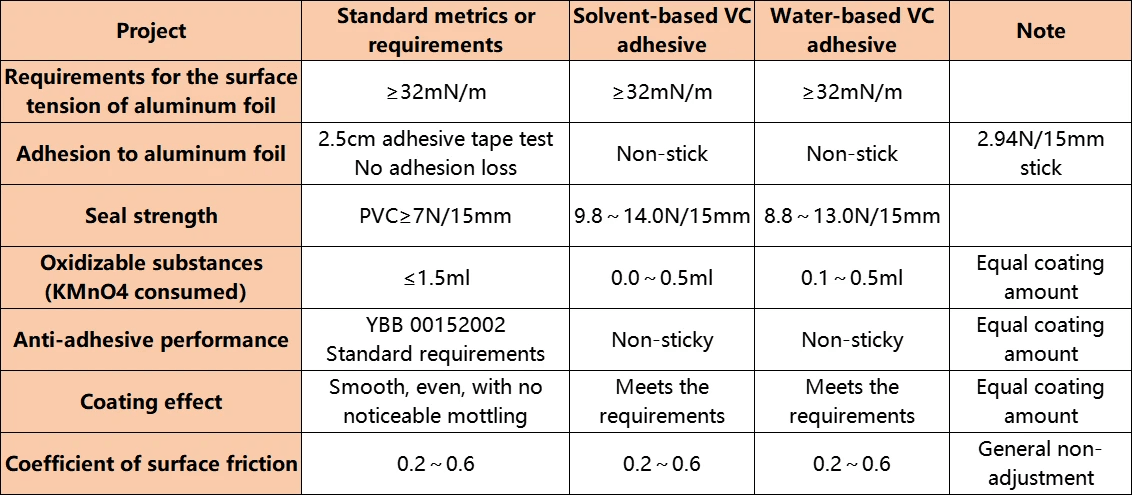
In the world of construction, the choice of adhesives can make or break a project, especially when it comes to heat resistance. Heat resistant construction adhesive is essential for ensuring that materials remain securely bonded even under extreme temperatures. Whether you're working with heavy-duty glue for industrial applications or concrete adhesive for home projects, understanding the importance of high temperature adhesive is crucial.
Importance of Heat Resistant Construction Adhesive
The significance of heat resistant construction adhesive cannot be overstated; it plays a pivotal role in maintaining structural integrity where thermal fluctuations are a concern. Without such specialized adhesives, bonds may weaken or fail entirely when exposed to high temperatures, leading to costly repairs and safety hazards. Using reliable cement glue or concrete glue ensures that your projects withstand the rigors of their environments while providing long-lasting performance.
Common Applications for High Temperature Adhesive
High temperature adhesive finds its way into various applications across multiple industries, from automotive manufacturing to aerospace engineering and beyond. In construction, it's particularly valuable when bonding materials like metal and concrete that may experience significant thermal expansion and contraction. Additionally, heavy duty glue is often used in settings where equipment operates at elevated temperatures, ensuring that components remain firmly attached despite harsh conditions.
Key Features to Consider
When selecting a heat resistant construction adhesive, several key features should be top-of-mind to ensure optimal performance. Look for temperature ratings that specify the maximum heat tolerance; this will help you choose the right product for your specific needs. Other important factors include curing time, flexibility after curing, and resistance to environmental elements—features that can significantly influence the effectiveness of your concrete glue adhesive.
Understanding Heat Resistance
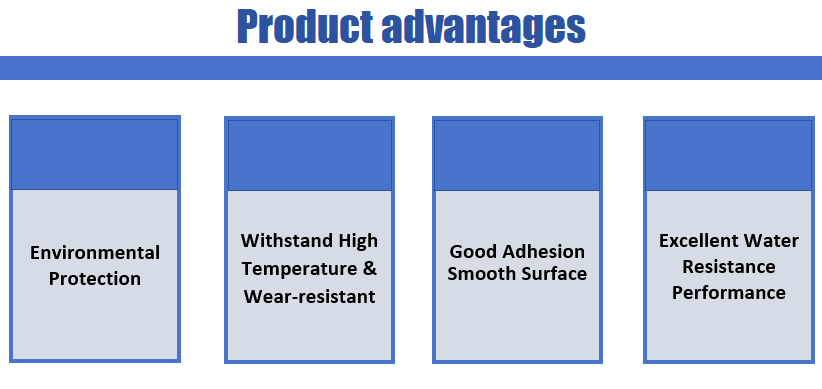
Understanding what makes a heat resistant construction adhesive effective is crucial for any project that involves exposure to high temperatures. These adhesives are formulated with special compounds that allow them to withstand extreme conditions without losing their bonding capabilities. Whether you’re working on industrial applications or home renovations, knowing how these adhesives work can save you time and money.
What Makes an Adhesive Heat Resistant
The key to a heat resistant construction adhesive lies in its chemical composition. Many high temperature adhesives incorporate silicone, epoxy, or polyurethane, which are known for their durability under heat stress. This means that when you apply concrete glue or cement glue in high-temperature environments, it maintains its integrity and strength, ensuring a long-lasting bond.
Additionally, the formulation of heavy duty glue often includes additives that enhance thermal stability and resistance to thermal cycling. This is particularly important in construction projects where materials may expand or contract due to temperature fluctuations. By choosing the right concrete adhesive, you ensure that your bonds remain intact even in the most challenging conditions.
Temperature Ratings Explained
Temperature ratings are essential when selecting a high temperature adhesive because they provide guidelines on how much heat an adhesive can tolerate before it begins to degrade. Typically expressed in degrees Fahrenheit or Celsius, these ratings help users determine if the adhesive will perform adequately under specific conditions. For instance, a construction adhesive rated for 250°F might be suitable for certain indoor applications but would not hold up well in industrial settings with higher temperatures.
It’s also crucial to consider not just peak temperatures but also sustained exposure durations; some adhesives can handle short bursts of extreme heat better than continuous exposure. Always check the manufacturer's specifications for precise temperature limits to avoid any unpleasant surprises during your project! When working with concrete glue or other types of cement glue, understanding these ratings ensures you choose an appropriate product tailored for your needs.
Real-World Examples of Heat Resistance
Real-world applications showcase just how vital heat resistance is across various industries and projects. For instance, automotive manufacturers often rely on specialized heavy duty glues for assembling engine components that experience significant heat during operation; using inadequate adhesives could lead to catastrophic failures down the line! Similarly, construction sites utilizing concrete adhesives must account for environmental factors like sunlight exposure and proximity to heating elements.
In residential settings, many homeowners have discovered the benefits of using heat resistant construction adhesives when installing fireplaces or stoves; these products ensure safety and durability while maintaining aesthetic appeal. By examining these examples closely, it becomes clear that selecting the right high temperature adhesive is not merely about convenience—it’s about ensuring safety and reliability in every bond made.
Types of Heat Resistant Construction Adhesive

Understanding the different types of adhesives, especially in terms of their heat resistance and application suitability, is crucial for achieving lasting results. Whether you’re working on a small DIY project or a large-scale construction job, choosing the right adhesive can make all the difference.
Exploring Concrete Glue Options
Concrete glue options are essential for any construction project that requires durability and strength under high temperatures. These specialized concrete adhesives are designed to bond concrete surfaces effectively while resisting thermal stress. From quick-setting formulations to those that cure slowly for maximum strength, there’s a concrete glue adhesive available for every requirement.
Moreover, many modern concrete glues are formulated with advanced polymers that enhance their heat resistance and overall performance. This means they can withstand extreme conditions without compromising the integrity of your work. When selecting a concrete adhesive, consider factors such as curing time and environmental exposure to ensure optimal results.
The Role of Cement Glue in Construction
Cement glue plays a pivotal role in construction projects by providing strong bonds between various materials like brick, stone, and concrete. This type of heat resistant construction adhesive is particularly effective in high-temperature environments where traditional adhesives might fail. By using cement glue, builders can ensure that their structures maintain stability even under extreme conditions.
Additionally, cement-based adhesives often offer excellent moisture resistance and durability over time—a necessity for outdoor applications or areas exposed to harsh weather conditions. The versatility of cement glue makes it an invaluable asset in both residential and commercial construction projects alike.
Heavy Duty Glue vs. Standard Adhesives
Heavy duty glues are specifically formulated for demanding applications where high temperature adhesive properties are required; they excel at bonding materials securely even when subjected to significant thermal fluctuations.
In contrast, standard adhesives may not provide the same level of heat resistance or durability needed for critical structural applications. While they might work well for lighter tasks or indoor use, relying on them in high-stress environments could lead to failures down the line—something no builder wants to encounter! Therefore, always consider your project's specific needs before opting between heavy duty glue and standard alternatives.
Selecting the Right Adhesive for Your Project

Choosing the right heat resistant construction adhesive can feel like navigating a maze filled with options and technical jargon. However, making an informed decision is crucial to ensure that your project stands the test of time and temperature. Let’s break down the key factors you need to consider when selecting your adhesive.
Factors to Weigh When Choosing
When selecting a heat resistant construction adhesive, start by evaluating the materials you'll be bonding. Different surfaces, such as wood, metal, or concrete, may require specific types of concrete glue or heavy duty glue tailored for optimal adhesion. Additionally, consider environmental conditions like humidity and temperature fluctuations that could affect performance; high temperature adhesive might be necessary for extreme conditions.
Another factor to weigh is curing time—some adhesives set quickly while others take longer to reach full strength. If you're working on a tight schedule, a fast-curing cement glue might be your best bet. Don't forget about flexibility; certain projects may benefit from an adhesive that allows for some movement without compromising the bond.
Lastly, always check the product's specifications for temperature ratings and application methods to ensure compatibility with your project needs. A thorough understanding of these factors will guide you toward choosing the right concrete adhesive or construction adhesive that meets all requirements.
Environmental Considerations and Sustainability
In today's world, sustainability is more than just a buzzword; it’s an essential consideration when selecting any construction material—including adhesives. Many traditional adhesives contain solvents that release harmful VOCs (volatile organic compounds) into the air during application and curing processes. Opting for eco-friendly options like water-based formulations can significantly reduce environmental impact without sacrificing performance in heat resistance.
When looking at different types of heavy duty glue or cement glue, assess their environmental certifications or low VOC ratings to ensure you're making a responsible choice. Moreover, sustainable adhesives often come from renewable resources or have lower carbon footprints compared to their conventional counterparts—making them ideal for environmentally conscious projects.
By prioritizing environmentally friendly options in your selection process, you not only contribute positively to sustainability but also enhance indoor air quality and overall safety in living spaces where these adhesives are used.
The Benefits of Chemix's Water-Based Resin Solution
One standout option in the realm of heat resistant construction adhesives is Chemix's water-based resin solution—a game changer in both performance and sustainability! This innovative formula offers exceptional adhesion properties while being low in VOCs, making it safe for indoor use without compromising on strength or durability. Whether you're using it as concrete glue adhesive or heavy duty glue in demanding applications, this solution has got you covered!
What sets Chemix apart is its versatility; it works well on various surfaces including wood and metal while maintaining impressive heat resistance capabilities—ideal for high-temperature environments like kitchens or industrial settings where other adhesives might fail. Plus, its easy cleanup with water means less hassle during application compared to solvent-based products.
In summary, Chemix’s water-based resin solution not only meets high standards for performance but also aligns with modern sustainability goals—making it an excellent choice when selecting an effective heat resistant construction adhesive.
Application Techniques for Adhesives

When it comes to applying heat resistant construction adhesive, precision and technique are key to achieving a strong bond that withstands high temperatures. Whether you’re working with concrete glue or heavy duty glue, understanding the nuances of application can make all the difference. Let’s dive into some best practices that will elevate your adhesive game.
Best Practices for Using Construction Adhesive
First and foremost, surface preparation is crucial when using any construction adhesive, especially heat resistant options. Ensure that surfaces are clean, dry, and free from dust or grease; this allows the cement glue or concrete adhesive to adhere effectively. Additionally, applying the adhesive in optimal weather conditions—avoiding extreme cold or humidity—can significantly enhance performance.
Another best practice involves using the right amount of adhesive; too little may result in weak bonds while too much can lead to overflow and messiness. For high temperature adhesive applications, consider using a caulking gun for precise control over the amount dispensed. Lastly, always follow manufacturer recommendations regarding curing times and temperatures to ensure that your heavy duty glue achieves its full potential.
Tips for Applying Concrete Adhesive Effectively
Applying concrete glue requires a bit more finesse than regular adhesives due to its unique composition and intended use in structural applications. Start by selecting an appropriate applicator tool based on the type of concrete adhesive you choose; trowels work well for larger areas while brushes can help with intricate details. Remember to apply even pressure while spreading the adhesive to avoid air pockets that could compromise bond strength.
Timing is also essential when working with concrete adhesives; they often have specific working times before they start setting up. Make sure you plan your application process so that you can position materials accurately before it begins curing. If you’re dealing with heavy-duty applications where load-bearing is critical, always double-check alignment before letting your high temperature adhesive set completely.
Ensuring Strong Bonds with Heavy Duty Glue
To ensure a robust bond when using heavy duty glue, consider clamping or securing materials together during the curing process if possible; this prevents movement which could weaken adhesion as it sets up. Additionally, applying pressure evenly across surfaces will aid in creating a solid connection between layers of materials bonded by cement glue or other adhesives designed for construction use.
It's also beneficial to periodically check bond integrity after application—especially in high-stress environments—to catch any potential issues early on before they escalate into bigger problems down the line. Lastly, don’t underestimate the power of patience; allowing adequate curing time as specified by product guidelines will yield far better results than rushing through projects.
Troubleshooting Common Adhesive Problems
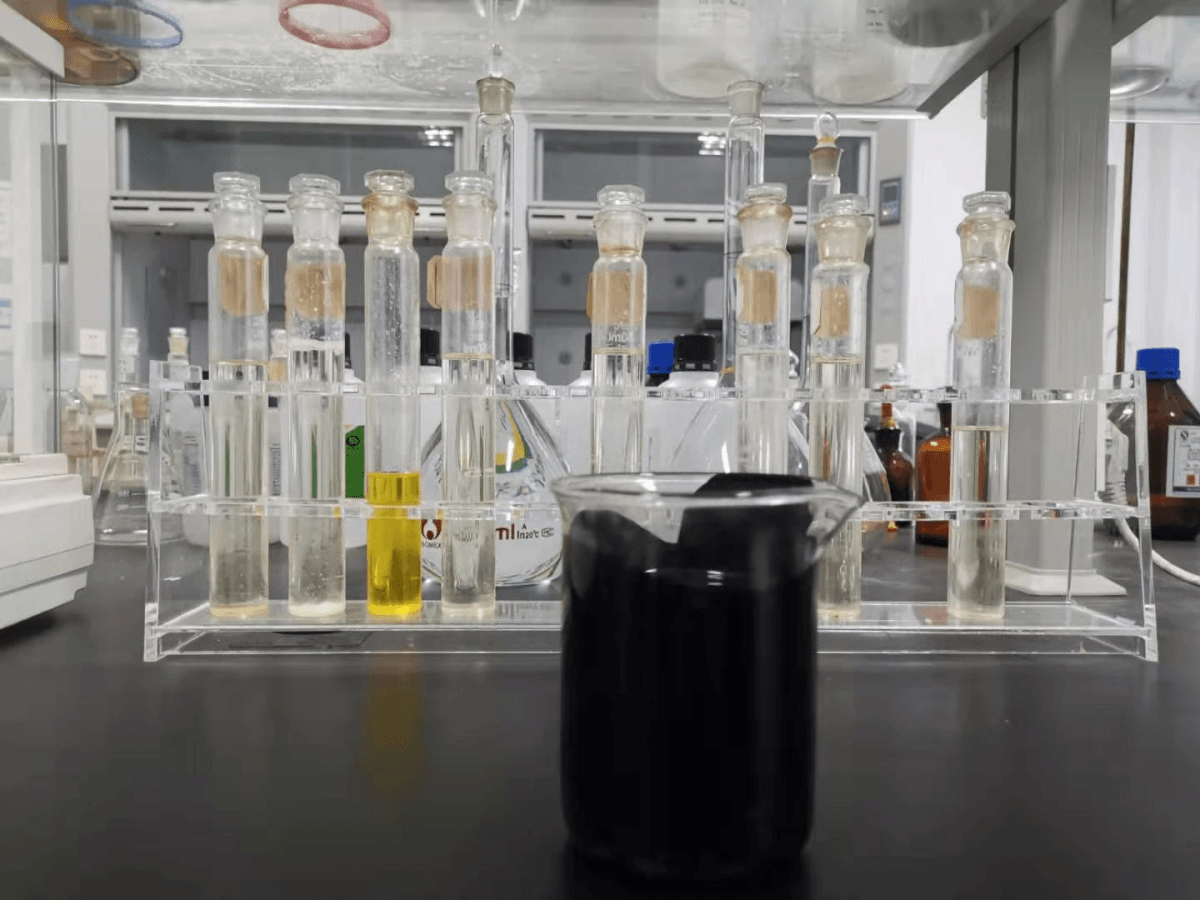
Even the best heat resistant construction adhesive can sometimes fall short of expectations. Whether it's due to improper application or environmental factors, identifying and addressing adhesive failures is crucial to maintaining strong bonds. By understanding common issues with concrete glue and other types of construction adhesives, you can take proactive steps to ensure your projects stand the test of time.
Identifying and Addressing Adhesive Failures
Adhesive failures can manifest in various forms, such as peeling, cracking, or complete detachment from surfaces. One primary reason for these issues is inadequate surface preparation; contaminants like dust or oil can prevent the concrete adhesive from forming a solid bond. If you notice signs of failure, inspect the bond area closely and consider reapplying a high temperature adhesive after properly cleaning and preparing the surfaces involved.
Another common culprit is temperature fluctuations that exceed the rated limits for your chosen cement glue or heavy duty glue. Always refer to the manufacturer's guidelines regarding temperature ratings; using an adhesive outside its specified range can lead to compromised bonds. If you suspect that heat exposure might be responsible for a failure, switching to a more robust heat resistant construction adhesive may be necessary.
Lastly, it’s essential to examine how long you've allowed your concrete glue adhesive to cure before subjecting it to stress or load. Many adhesives require specific curing times that should not be rushed for optimal performance. If you've skipped this step in haste, consider giving it another chance by allowing sufficient time for full curing before testing its strength again.
Maintenance Tips for Long-Lasting Adhesive Bonds
To ensure longevity in your construction projects using heat resistant construction adhesives, routine maintenance is key. Regularly inspect bonded areas for any signs of wear or damage—this includes checking joints where heavy duty glue has been applied and ensuring they remain intact over time. Early detection means you can address issues before they escalate into major problems requiring significant repairs.
Additionally, keep environmental factors in mind when maintaining your concrete glue applications. Extreme temperatures—both hot and cold—can affect the integrity of cement glue bonds over time, so consider applying protective coatings if necessary when exposed to harsh conditions regularly. This simple step can greatly enhance longevity while preserving structural integrity.
Finally, always follow best practices during application; this includes using adequate amounts of adhesive as per manufacturer recommendations and ensuring even distribution across surfaces being bonded together with concrete adhesive products. Consistency in application will help maintain strong connections between materials while minimizing potential maintenance issues down the line.
When to Seek Professional Help
Sometimes even diligent DIYers need a little extra assistance when dealing with stubborn adhesive problems related to heat resistant construction adhesives or other bonding agents like cement glue and heavy duty glue products. If you've tried troubleshooting without success—perhaps you're experiencing persistent failures despite following all recommended guidelines—it may be time to call in professionals who specialize in adhesion technologies.
Professionals have access not only to advanced techniques but also specialized tools that might make all the difference during installation or repair processes involving construction adhesives like high temperature adhesives used on demanding projects such as industrial applications where reliability matters most! They’ll assess underlying causes behind any issues you're experiencing while providing tailored solutions suited specifically for your needs.
Ultimately, knowing when it's appropriate—and wise—to seek professional help could save you both time and money down the road by preventing costly mistakes stemming from improper handling techniques associated with inferior bonding methods employed at home!
Conclusion
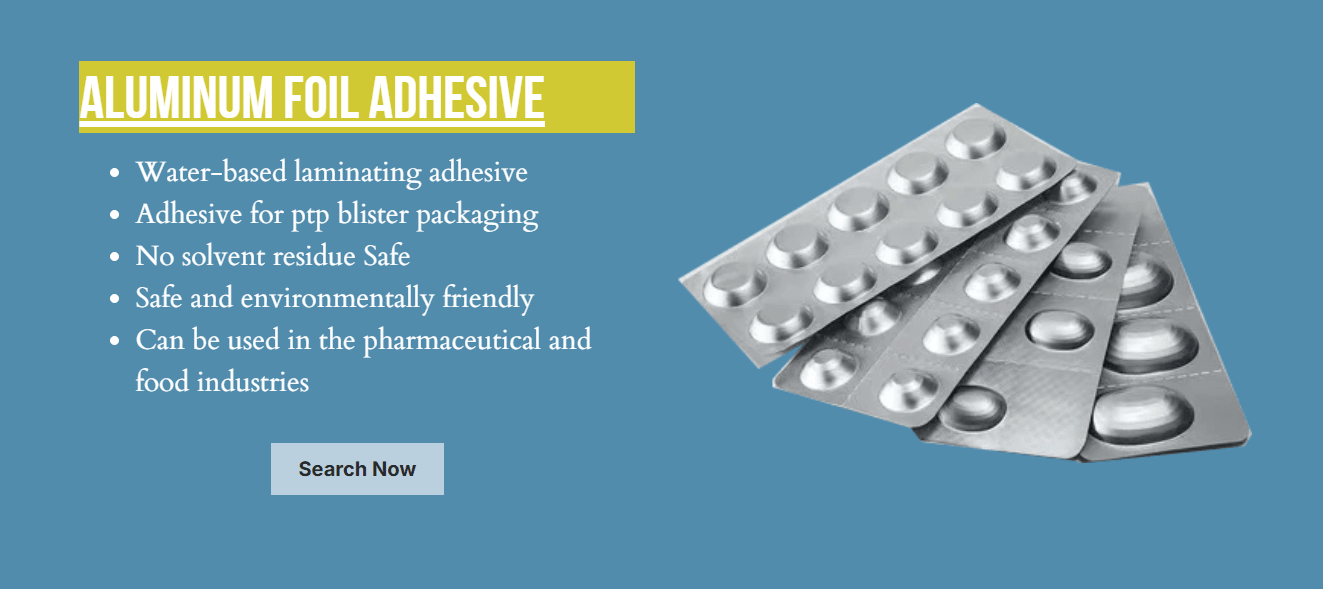
In summary, selecting the right heat resistant construction adhesive is crucial for ensuring durability and performance in various applications. Whether you're working with concrete glue or heavy duty glue, understanding the specific requirements of your project will lead to better results. Key factors such as temperature ratings, environmental considerations, and application techniques should not be overlooked when choosing your adhesive.
Recap of Key Points on Adhesive Selection
Throughout this discussion, we explored the importance of heat resistant construction adhesives and their diverse applications in construction projects. We highlighted that high temperature adhesives are designed to withstand extreme conditions while maintaining strong bonds between materials like concrete and cement glue. Additionally, we examined different types of adhesives available, emphasizing the need to choose between standard options and more robust heavy duty glue based on project demands.
The Future of Heat Resistant Adhesives
As technology advances, the future of heat resistant adhesives looks promising with innovations aimed at enhancing performance and sustainability. Manufacturers are focusing on developing eco-friendly options that do not compromise on strength or heat resistance—think water-based solutions that are both effective and environmentally friendly. The demand for high temperature adhesive solutions will continue to rise as industries seek reliable bonding methods for increasingly challenging environments.
Final Thoughts on Choosing Construction Adhesives
Choosing the right construction adhesive is more than just picking a product off the shelf; it's about understanding your project's unique needs and selecting an appropriate solution like concrete adhesive or cement glue accordingly. Remember to consider factors such as application techniques and maintenance tips to ensure long-lasting bonds with your chosen heavy duty glue or concrete glue adhesive. With careful selection and application, you can achieve impressive results that stand the test of time.