
Introduction
In the world of manufacturing and engineering, adhesives play a crucial role in ensuring that components stay firmly attached while performing their intended functions. With a variety of adhesive types available, understanding the differences between them is essential for selecting the right one for your specific needs. This is particularly true when considering non conductive adhesive options, which are increasingly popular across various industries due to their unique properties and applications.
Understanding Adhesive Types
Adhesives can be broadly categorized into two main types: conductive and non-conductive. Non conductive adhesives are designed to insulate rather than conduct electricity, making them ideal for sensitive electronic applications where electrical interference must be avoided. In contrast, conductive adhesives are used in situations where electrical connectivity is required, such as in circuit boards or electronic components.
Importance of Adhesive Selection
Choosing the right adhesive is paramount to ensuring product reliability and performance. The selection process involves evaluating factors such as thermal stability, chemical resistance, and bonding strength—all critical attributes that vary significantly between different adhesive types like non conductive epoxy and specialized sealants. For instance, using a non conductive adhesive for electronics ensures that sensitive components remain insulated from potential short circuits while maintaining structural integrity.
Applications Across Industries
Non conductive adhesives find applications across numerous sectors including electronics, automotive, aerospace, and more. In electronics manufacturing, non conductive epoxy for PCB assembly provides robust bonding without compromising electrical performance—an essential feature in modern electronics design. Similarly, in automotive settings, non conductive adhesive automotive solutions are utilized to bond various materials while ensuring safety and durability under extreme conditions.
The Basics of Conductive Adhesives

Conductive adhesives are specialized bonding agents designed to establish electrical conductivity between components. Unlike traditional adhesives, which may serve purely mechanical purposes, conductive adhesives combine bonding capabilities with the ability to conduct electricity. This unique property makes them essential in various applications, particularly in the electronics sector.
Properties and Composition
Conductive adhesives typically consist of a polymer matrix filled with conductive materials such as silver, copper, or carbon-based particles. These fillers are crucial as they enhance the adhesive's ability to transmit electrical signals while maintaining strong adhesion properties. The balance between conductivity and adhesion strength is vital; a well-formulated conductive adhesive must ensure that it does not compromise the integrity of the bond while facilitating effective electrical connections.
Uses in Electronics
In electronics, conductive adhesives find their way into numerous applications ranging from circuit board assembly to component attachment. They are particularly valuable for connecting surface-mounted devices (SMDs) where space is limited and soldering might not be feasible or practical. Additionally, non conductive adhesive for electronics plays a complementary role by insulating areas where electrical isolation is necessary, ensuring that devices function correctly without short-circuiting.
Advantages Over Traditional Adhesives
The advantages of using conductive adhesives over traditional options are compelling and multifaceted. For starters, they can significantly reduce manufacturing costs by eliminating the need for soldering processes and associated equipment, streamlining production lines in electronic device manufacturing. Furthermore, unlike conventional non-conductive adhesive automotive solutions that may lack thermal stability or flexibility under stress, conductive adhesives often exhibit superior performance characteristics like enhanced temperature resistance and durability under varying environmental conditions.
Non-Conductive Adhesives Explained

Non-conductive adhesives are specialized bonding agents that do not conduct electricity, making them essential in various applications where electrical isolation is crucial. These adhesives can be formulated from different materials, including epoxies and polyurethanes, and are designed to provide strong bonds while preventing electrical interference. Their ability to resist current flow makes them ideal for use in electronics and automotive industries, where safety and performance are paramount.
What is Non-Conductive Adhesive?
A non-conductive adhesive is a type of adhesive that does not allow the passage of electric current through its bond line. This characteristic is vital for protecting sensitive electronic components from short circuits or electrical failures. With a wide range of formulations available, these adhesives can be tailored to meet specific application requirements while providing excellent adhesion strength.
In the realm of electronics, non-conductive adhesives play a critical role in ensuring reliable connections between components without risking electrical leakage or damage. They can be used in various forms such as films, pastes, or liquids depending on the application needs. Additionally, many non-conductive adhesives exhibit excellent thermal stability and resistance to environmental factors like moisture and chemicals.
Non-Conductive Adhesive for Electronics
When it comes to electronics, non-conductive adhesives are indispensable for assembling printed circuit boards (PCBs) and securing delicate components without compromising their functionality. A popular choice among manufacturers is the non-conductive epoxy for PCB applications due to its robust bonding capabilities and thermal management properties. These adhesives ensure that components remain securely attached even under varying temperature conditions.
Moreover, using a non-conductive adhesive for electronics helps prevent issues like signal interference or component malfunction due to unintentional electrical pathways forming between parts. Many manufacturers have turned towards advanced formulations that offer enhanced performance characteristics such as improved curing times and resistance to thermal cycling. As technology progresses, the demand for high-performance non-conductive epoxy resin continues to rise across the industry.
In addition to PCBs, these adhesives find applications in assembling connectors, switches, and other electronic devices where maintaining insulation integrity is essential. The versatility of non-conductive adhesives allows designers to innovate without worrying about compromising safety standards or product quality.
Non-Conductive Adhesive Automotive Applications
The automotive industry also benefits significantly from the use of non-conductive adhesive solutions in various applications ranging from interior assembly to exterior bonding processes. Non conductive adhesive automotive products are used extensively for attaching sensors or electronic control units (ECUs) within vehicles where electrical isolation is crucial for optimal functionality and safety compliance.
One notable example includes the use of non conductive epoxy resin in electric vehicle battery packs where secure bonding must occur without risking short circuits between cells or other components within the assembly process. These innovative solutions help manufacturers create safer vehicles by preventing potential hazards associated with electrical failures while ensuring durability under extreme conditions.
Furthermore, advancements in non conductive sealants have led to enhanced waterproofing capabilities alongside their primary function as an adhesive within automotive assemblies. This dual functionality not only streamlines production but also reduces overall material costs while maintaining high-performance standards across various vehicle models.
Exploring Non-Conductive Epoxy
Non-conductive epoxy is a versatile and essential material in various industries, particularly in electronics and automotive applications. Its unique properties make it an ideal choice for bonding, encapsulating, and sealing components that require electrical insulation. Understanding the nuances of non-conductive epoxy can help manufacturers make informed decisions about their adhesive needs.
Non-Conductive Epoxy for PCB Assembly
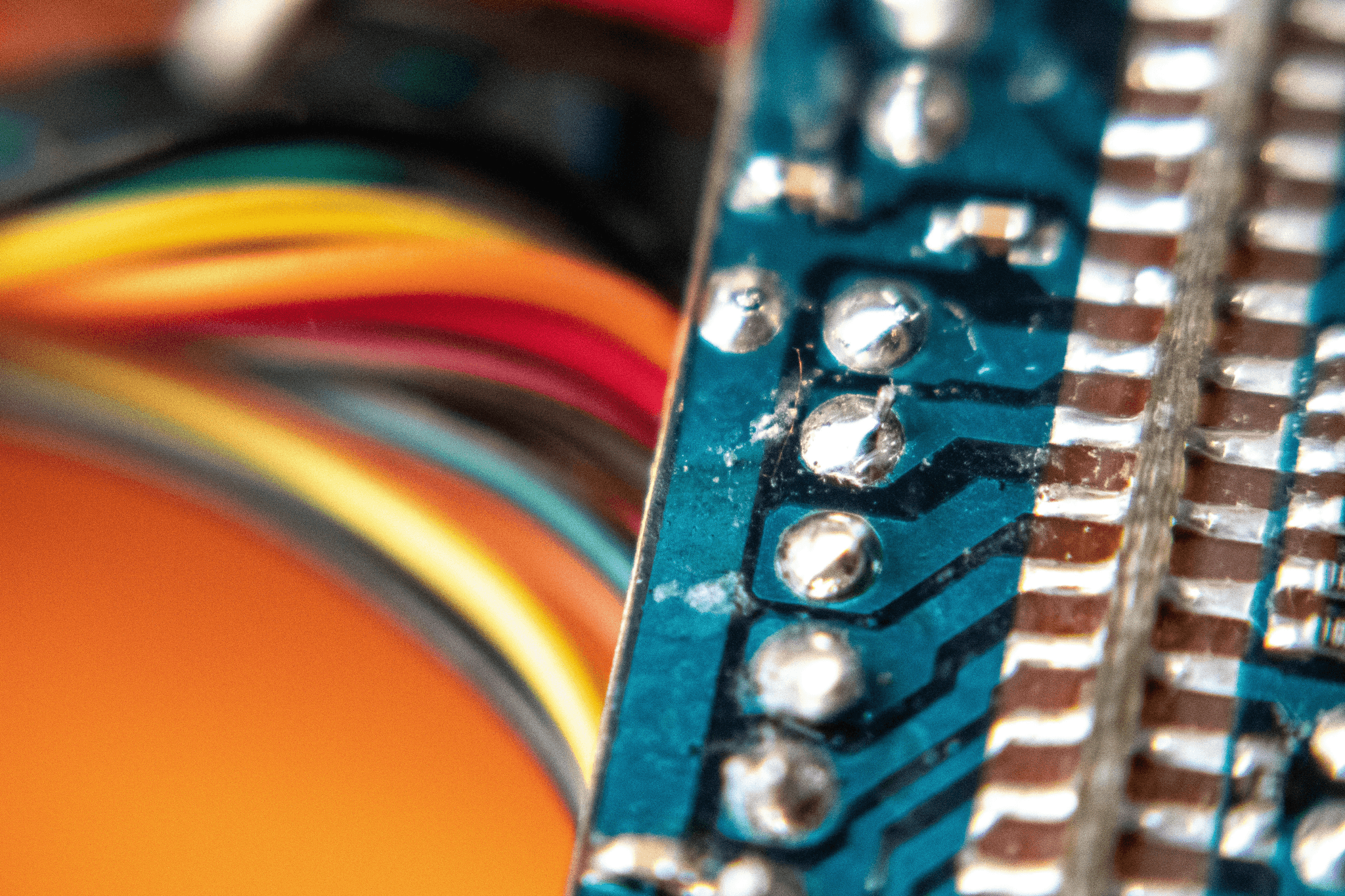
When it comes to PCB assembly, non-conductive epoxy is a game-changer. This type of non-conductive adhesive ensures that sensitive electronic components are securely bonded without the risk of short circuits or interference caused by conductive materials. In addition to providing robust adhesion, non-conductive epoxy for PCB applications offers excellent thermal stability and chemical resistance, making it a preferred choice for many electronic manufacturers.
The use of non-conductive adhesives in PCB assembly also streamlines manufacturing processes by reducing the need for additional protective measures against electrical conductivity. This not only enhances efficiency but also lowers costs associated with production downtime or product failures due to poor adhesion. Ultimately, choosing the right non-conductive epoxy can significantly impact the performance and longevity of electronic devices.
Formulating Non-Conductive Epoxy Resin
Formulating non-conductive epoxy resin involves a careful balance of ingredients to achieve optimal performance characteristics. The key components typically include an epoxide resin and a hardener, which together create a strong bond that remains electrically insulating once cured. By tweaking various additives such as fillers or modifiers, manufacturers can tailor the properties of their non-conductive adhesive to meet specific application requirements.
For instance, incorporating certain fillers can enhance thermal conductivity while maintaining electrical insulation—an essential feature for applications requiring heat dissipation without compromising circuit integrity. Additionally, advancements in formulation technology allow for faster curing times and improved workability without sacrificing strength or durability in finished products. This versatility makes non-conductive epoxy resin an invaluable resource across multiple sectors.
Benefits in High-Temperature Environments
One standout advantage of using non-conductive epoxy is its remarkable performance in high-temperature environments—an increasingly common requirement in modern industries like automotive and aerospace. Non conductive adhesives designed specifically for these conditions maintain their structural integrity even under extreme heat exposure, ensuring reliable bonding over time without degradation or failure.
In automotive applications, where engine components may be subjected to significant temperature fluctuations, utilizing a high-performance non conductive adhesive helps prevent costly repairs and enhances vehicle reliability overall. Similarly, aerospace industries benefit from these adhesives’ ability to withstand harsh conditions while ensuring optimal safety standards are met throughout aircraft manufacturing processes.
In summary, selecting the right type of non conductive epoxy not only addresses immediate bonding needs but also facilitates long-term operational success across demanding environments.
Innovative Non-Conductive Sealants
Non-conductive sealants are specialized adhesives designed to provide bonding and sealing without conducting electricity. These sealants play a crucial role in various industries, particularly where electrical insulation is paramount. By preventing electrical flow, they help ensure the safety and longevity of electronic devices and automotive components.
Defining Non-Conductive Sealants
Non-conductive sealants are formulated to resist electrical conductivity while maintaining excellent adhesive properties. They are typically made from materials that do not allow electric current to pass through, making them ideal for applications where electrical insulation is required. This unique characteristic makes non-conductive sealants essential in environments where moisture, temperature fluctuations, or mechanical stress may be present.
Applications in Aerospace and Automotive
In the aerospace sector, non-conductive adhesives are vital for assembling components that must withstand extreme conditions without compromising safety or functionality. For instance, non-conductive adhesive for electronics is used in avionics systems to ensure reliable performance while preventing short circuits. Similarly, in the automotive industry, non-conductive adhesive automotive applications include bonding sensors and electronic control units that require robust insulation against electrical interference.
Enhancements in Durability and Bonding
One of the standout features of innovative non-conductive sealants is their enhanced durability compared to traditional adhesives. These modern formulations can withstand harsh environmental conditions such as high temperatures and humidity without degrading over time. Additionally, when used as a non-conductive epoxy for PCB applications, they provide strong bonds that contribute to the overall integrity of electronic assemblies while ensuring optimal performance.
Sustainable Solutions with Chemix

In today's rapidly evolving world, the demand for sustainable materials is more pressing than ever. Chemix has stepped up to the plate with its innovative water-based resin solution, designed to meet the needs of various industries while minimizing environmental impact. This solution is not just a game changer; it's a responsible choice for those seeking effective non conductive adhesive options.
Features of Chemix's Water-Based Resin Solution
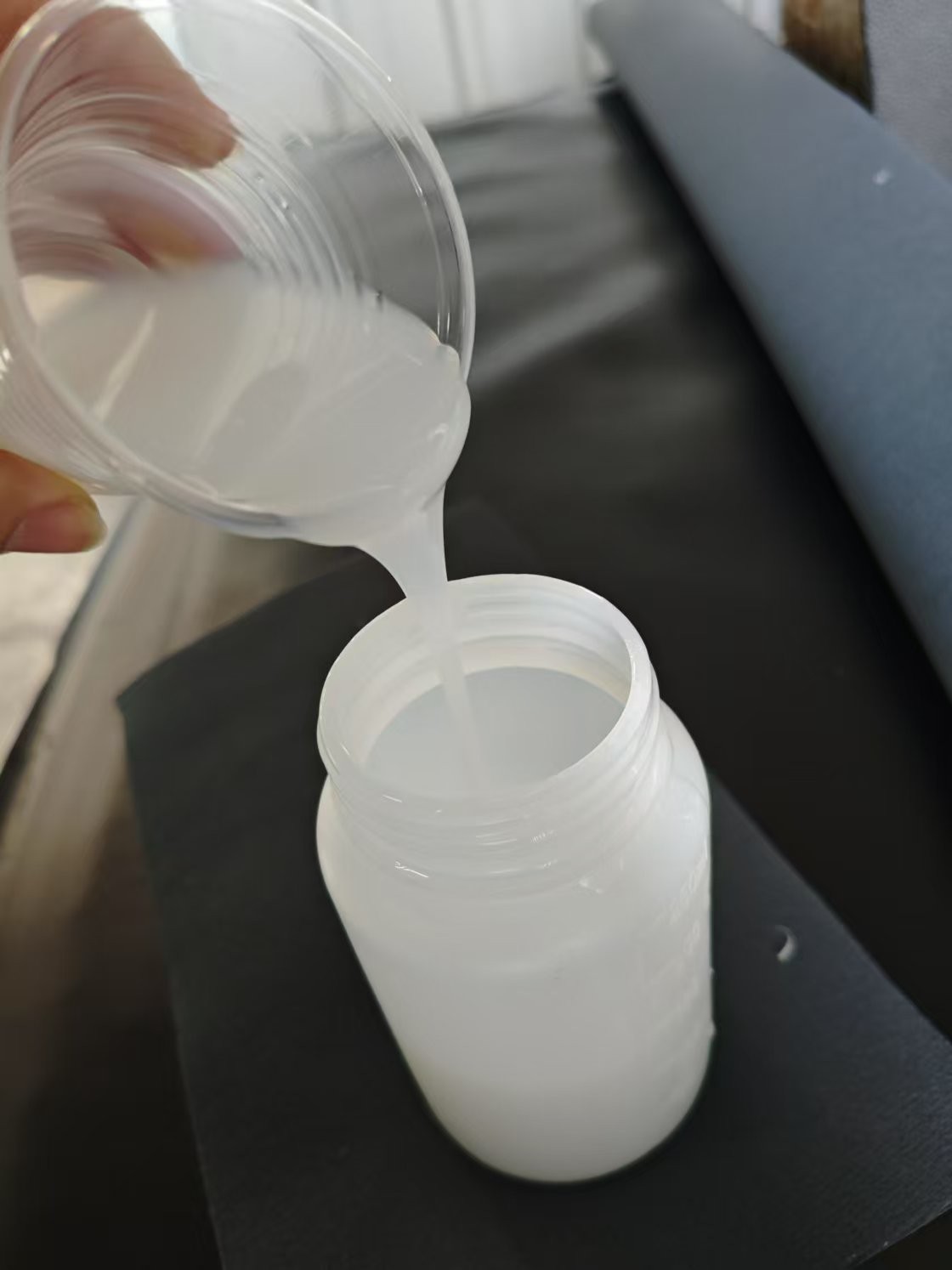
Chemix's water-based resin solution boasts an impressive range of features that make it ideal for diverse applications. Its formulation includes non conductive adhesive properties that ensure reliable bonding without compromising electrical performance. Additionally, this non conductive adhesive for electronics offers excellent adhesion on multiple substrates, making it versatile enough for various projects, from circuit boards to automotive components.
The water-based nature of this resin means it has a lower volatile organic compound (VOC) content compared to traditional solvent-based adhesives. This characteristic not only enhances safety during application but also contributes to cleaner air quality in work environments. Furthermore, the ease of cleanup with water makes it user-friendly and reduces waste associated with chemical solvents.
Environmental Advantages Compared to Solvent-Based Products
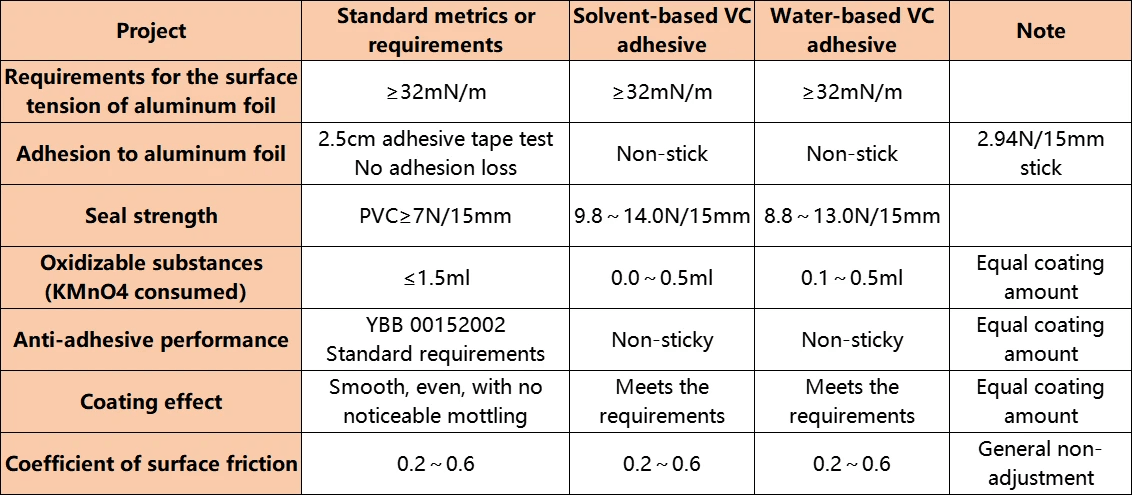
When comparing Chemix's water-based resin solution to solvent-based products, the environmental advantages are clear and compelling. Solvent-based adhesives often release harmful VOCs into the atmosphere during application and curing processes, contributing significantly to air pollution and health risks for workers. In contrast, Chemix’s non conductive adhesive reduces these emissions dramatically while providing similar or superior bonding capabilities.
Moreover, this eco-friendly approach aligns perfectly with global sustainability goals by promoting greener manufacturing practices across industries like automotive and electronics. The use of a non conductive adhesive not only ensures optimal performance but also supports companies in their efforts towards reducing their carbon footprint and enhancing their corporate responsibility image.
By choosing Chemix’s innovative solutions over traditional options, manufacturers can demonstrate their commitment to sustainable practices while still achieving high-performance results in applications such as non conductive epoxy for PCB assembly or automotive bonding requirements.
Versatile Applications in Adhesives and Coatings
Chemix’s water-based resin solution is designed with versatility in mind, making it suitable for a wide range of applications beyond just adhesives. For instance, its formulation allows it to function effectively as a non conductive sealant in environments where moisture resistance is critical—think aerospace or automotive sectors where durability matters most.
In addition to its role as an adhesive or sealant, this innovative product can be used effectively in coatings that require both protection and aesthetic appeal without sacrificing performance attributes like conductivity or adhesion strength. The adaptability of this non conductive epoxy resin means that manufacturers can streamline their inventory by utilizing a single product across multiple applications—saving time and resources while maintaining high standards.
With ongoing advancements in formulation technology at Chemix, users can expect continuous improvements that further enhance the capabilities of this versatile material—ensuring it's always ready to meet evolving industry demands while supporting sustainable practices at every turn.
Conclusion
In the world of adhesives, making the right choice can be a game-changer for your projects. Whether you need a non-conductive adhesive for electronics or a robust non-conductive adhesive automotive application, understanding the nuances of each type is essential. The future of adhesive technology is bright, with innovations paving the way for enhanced performance and sustainability.
Choosing the Right Adhesive for Your Needs
Selecting the appropriate adhesive hinges on various factors, including application requirements and environmental conditions. For instance, if your project involves delicate electronic components, opting for a non-conductive adhesive specifically designed for electronics ensures optimal performance without risking short circuits. Conversely, automotive applications may benefit from durable non-conductive adhesives that withstand extreme conditions while maintaining strong bonds.
When it comes to PCB assembly, choosing a non-conductive epoxy can provide excellent insulation and mechanical stability. Non-conductive epoxy resin formulations are particularly advantageous in high-temperature environments where traditional adhesives may falter. Understanding these distinctions will help you make informed decisions that enhance your project's success.
The Future of Adhesive Technology
The landscape of adhesive technology is constantly evolving, with exciting advancements on the horizon. Innovations in formulations are leading to improved properties in both conductive and non-conductive adhesives, ensuring they meet stringent industry standards across various applications. As industries continue to push boundaries—be it in electronics or automotive manufacturing—the demand for specialized products like non-conductive sealants will only increase.
Moreover, research into smart adhesives that respond dynamically to their environment could revolutionize how we think about bonding materials together. These technologies promise not only enhanced functionality but also greater efficiency in production processes across sectors. The future is bright as we explore new frontiers in adhesion science.
Sustainable Practices in Adhesive Manufacturing
Sustainability is becoming an integral part of adhesive manufacturing practices as industries recognize their environmental impact. Companies are increasingly turning to water-based solutions like Chemix's offerings that minimize harmful emissions compared to traditional solvent-based products—this shift benefits both manufacturers and consumers alike. By adopting sustainable practices, manufacturers can produce high-quality non-conductive adhesives while reducing their carbon footprint.
Additionally, utilizing renewable resources in creating non-conductive epoxy resins contributes positively to environmental conservation efforts without sacrificing performance or reliability. As eco-consciousness continues to shape consumer preferences, companies committed to sustainable practices will likely lead the market moving forward. Embracing these changes not only supports our planet but also fosters innovation within the adhesive industry.