
Introduction
In a world where everything from crafts to construction relies on the strength of bonds, the exploration of adhesive types becomes essential. Whether you're gluing together a delicate model or securing heavy materials in industrial settings, understanding the right glue can make all the difference. From hot glue to strong adhesives, each type serves its unique purpose and offers specific benefits tailored to various applications.
Explore the World of Adhesives
Adhesives are not just sticky substances; they are complex formulations engineered for a multitude of tasks. The diverse landscape of adhesive types includes options like hot melt adhesives, plastic adhesives, and contact glue, each designed for particular bonding requirements. As you delve into this world, you'll discover that selecting the right adhesive involves more than just grabbing whatever is handy; it’s about matching your project needs with the most effective solution.
Why Choose the Right Glue?
Choosing the right glue is crucial for achieving lasting results and ensuring safety during application. Using an inappropriate adhesive can lead to weak bonds or even damage to your materials—imagine using hot glue on something meant for high-stress environments! By understanding factors such as adhesive pressure and compatibility with materials, you can avoid costly mistakes and enhance your project's overall quality.
Unraveling Adhesive Types
The variety of adhesive types available today can be overwhelming but also exciting! From quick fixes with hot glue to robust solutions with strong adhesives or versatile applications using plastic adhesives, there’s something for every need. By unraveling these categories—like contact glue's instant bonding power or pressure-sensitive adhesives' peel-and-stick convenience—you'll become equipped to tackle any project with confidence.
The Basics of Adhesive Types
Understanding adhesive types is crucial for anyone looking to bond materials effectively. Adhesives are substances that create a bond between surfaces, enabling them to stick together securely. Whether you're using hot glue for quick fixes or a strong adhesive for heavy-duty applications, knowing what defines an adhesive can make all the difference.
What Defines an Adhesive?
At its core, an adhesive is a substance that joins two surfaces together through adhesion and cohesion forces. These forces work at the molecular level, allowing various materials to stick without the need for mechanical fasteners. Different adhesive types, from hot melt adhesives to pressure sensitive adhesives, utilize unique chemical compositions and bonding mechanisms to achieve this goal.
The effectiveness of an adhesive often depends on its formulation and intended use. For example, hot glue melts when heated and solidifies upon cooling, making it ideal for crafts and quick repairs. In contrast, strong adhesives are designed specifically for demanding applications that require durability and resistance to environmental factors.
Overview of Popular Adhesive Types
There’s a smorgasbord of adhesive types available today, each suited for different tasks and materials. Hot glue stands out as the go-to option for crafters due to its versatility and ease of use; it bonds quickly while remaining flexible once set. Strong adhesives like epoxy or polyurethane are perfect for industrial applications where strength is paramount.
Plastic adhesives offer specialized solutions tailored specifically for bonding plastic materials—think about how tricky it can be to adhere plastics! Contact glue provides instant bonding power by creating a strong bond upon contact with two surfaces coated in the adhesive; it's widely used in both home improvement projects and manufacturing processes. Meanwhile, pressure sensitive adhesives are ideal for everyday uses like tape or stickers since they don't require heat or solvent activation.
How Adhesive Pressure Impacts Bonding
Adhesive pressure plays a pivotal role in the bonding process; applying the right amount can significantly enhance adhesion performance. When you press two surfaces together firmly after applying an adhesive type—whether it's hot melt adhesive or contact glue—the increased surface area allows more molecules from both materials to interact with each other effectively.
Too little pressure may lead to weak bonds that fail under stress; conversely, excessive pressure could cause material deformation or even failure of the adhesive itself! Understanding how different types of adhesives respond under various pressures is essential when selecting which one will best suit your project needs.
By grasping these basics about adhesive types—including their definitions, popular options like hot glue and strong adhesives, as well as the importance of pressure—you'll be well-equipped to tackle any bonding challenge that comes your way!
Hot Glue: The Quick Fix Champion

Uses of Hot Melt Adhesive
Hot glue is commonly used in a variety of applications due to its impressive versatility. From arts and crafts projects to industrial manufacturing, this strong adhesive can bond materials like wood, fabric, plastic adhesive, and even metal when necessary. Its quick-drying nature makes it ideal for situations where time is of the essence—think last-minute school projects or emergency repairs around the house.
Pros and Cons of Hot Glue
Like any other adhesive types out there, hot glue comes with its own set of advantages and disadvantages. On the plus side, it’s easy to use and dries quickly—perfect for those who need a fast solution without sacrificing quality. However, it does have limitations; hot melt adhesive can lose its grip under extreme heat or moisture conditions and may not be suitable for heavy-duty applications where stronger adhesives are required.
Crafting with Hot Glue
Crafting enthusiasts adore hot glue for its ease of use and effectiveness in various projects. Whether you're creating intricate decorations or assembling models, this pressure sensitive adhesive offers flexibility that few others can match. Plus, with an arsenal of glue gun tips available on the market today, you can achieve precision application that elevates your crafting game to new heights.
Strong Adhesives for Heavy-Duty Needs

From construction to automotive repair, these adhesive types offer unparalleled bonding strength and durability that can withstand the test of time and extreme conditions. Whether you're dealing with metal, wood, or even certain plastics, selecting the right strong adhesive is crucial for ensuring a successful bond.
Best Choices for Industrial Applications
In industrial settings, hot melt adhesive and epoxy resin are often at the top of the list when it comes to strong adhesives. Hot glue is great for quick fixes but lacks the long-term durability required in heavy-duty applications; that's where epoxy shines with its exceptional bonding capabilities and resistance to heat and chemicals. Additionally, polyurethane adhesives are popular due to their flexibility and ability to bond dissimilar materials effectively.
For those who require specific bonding solutions, contact glue is another excellent choice; it provides instant adhesion upon contact, making it ideal for assembly lines where speed is essential. Pressure sensitive adhesives also find their niche in industrial applications by offering ease of use without requiring additional tools or heat sources. When choosing among these adhesive types, consider factors like cure time, application method, and environmental exposure.
Comparing Strength and Durability
Not all strong adhesives are created equal; understanding their comparative strength and durability can be key to selecting the right product for your needs. For instance, while hot melt adhesive provides quick results ideal for temporary fixes or crafts, its performance may falter under stress compared to more robust options like epoxy or polyurethane adhesives that offer lasting bonds under various conditions.
In terms of durability against environmental factors such as moisture or temperature fluctuations, epoxy stands out as a champion due to its chemical resistance properties that ensure longevity even in harsh settings. On the other hand, plastic adhesive options have unique formulations designed specifically for bonding plastic materials effectively while maintaining flexibility after curing—a critical factor when dealing with varying thermal expansions.
Safe Handling of Strong Adhesives
While strong adhesives can be incredibly effective in achieving lasting bonds, safe handling practices are essential to ensure both user safety and optimal performance of these products. Many industrial-strength options contain chemicals that may pose health risks if not handled properly; therefore, wearing gloves and working in well-ventilated areas should be standard protocol when using substances like epoxy or contact glue.
It's also important to pay attention to adhesive pressure during application—too much pressure can lead to excess material squeezing out from joints while too little may result in weak bonds that fail prematurely over time. Always follow manufacturer guidelines regarding curing times and usage instructions; this will not only enhance safety but also maximize the effectiveness of your chosen adhesive type.
The Versatility of Plastic Adhesives

Plastic adhesives are a true game-changer in the world of adhesive types, offering unique solutions for various applications. From household repairs to industrial manufacturing, plastic adhesives can bond different types of plastics, making them incredibly versatile. Their adaptability is why they are favored in many sectors, including automotive, electronics, and construction.
Ideal Applications for Plastic Adhesive
When it comes to ideal applications for plastic adhesive, the possibilities are nearly endless. These adhesives excel in bonding materials such as PVC, polystyrene, and acrylics—common plastics found in everything from toys to furniture. Additionally, their strong adhesive properties make them suitable for creating waterproof seals and durable joints in plumbing and electrical projects.
How to Choose the Right Plastic Adhesive
Choosing the right plastic adhesive can feel daunting given the plethora of options available among adhesive types. First and foremost, consider the specific type of plastic you’ll be bonding; some adhesives work better with certain materials than others. Also think about the conditions your bond will face—will it need to withstand heat or moisture? This consideration will help you narrow down your choices between hot glue, strong adhesives, or specialized formulations like contact glue.
Tips for Effective Bonding with Plastics
To achieve a successful bond when using plastic adhesives, preparation is key! Start by cleaning both surfaces thoroughly to remove any dirt or grease that could weaken the bond; this step helps ensure optimal adhesive pressure during application. Applying an even layer of your chosen adhesive type is crucial—too much can lead to messiness while too little may not provide a secure hold.
Contact Glue: Instant Bonding Power

When you need an instant bond, contact glue is the adhesive type that rises to the occasion. This powerful adhesive works by applying a thin layer to both surfaces, allowing them to become tacky before being pressed together. The result? A strong and immediate bond that can withstand various conditions, making it a favorite among professionals and DIY enthusiasts alike.
Understanding How Contact Glue Works
Contact glue operates on a simple yet effective principle: it relies on adhesive pressure to create a secure bond between two surfaces. When you apply this hot melt adhesive, it dries quickly, allowing for immediate handling without waiting for curing time. Once the surfaces touch, they form an incredibly strong connection that is resistant to heat and moisture—perfect for those projects requiring durability.
Applications in Various Industries
The versatility of contact glue makes it an essential tool across many industries—from woodworking to automotive manufacturing. In woodworking, it's often used for laminating surfaces or bonding veneers due to its strong adhesive properties. Similarly, in the automotive sector, contact glue secures trims and upholstery with precision and reliability—showcasing its adaptability beyond mere craft projects.
Safety Considerations When Using Contact Glue
While contact glue offers impressive bonding power, safety should always be top of mind when using this strong adhesive. It's crucial to work in a well-ventilated area since the fumes can be potent; wearing gloves and goggles can help protect your skin and eyes from irritation as well. Additionally, understanding how different adhesive types interact with materials will ensure you achieve optimal results while minimizing risks during application.
Pressure Sensitive Adhesives: Peel and Stick
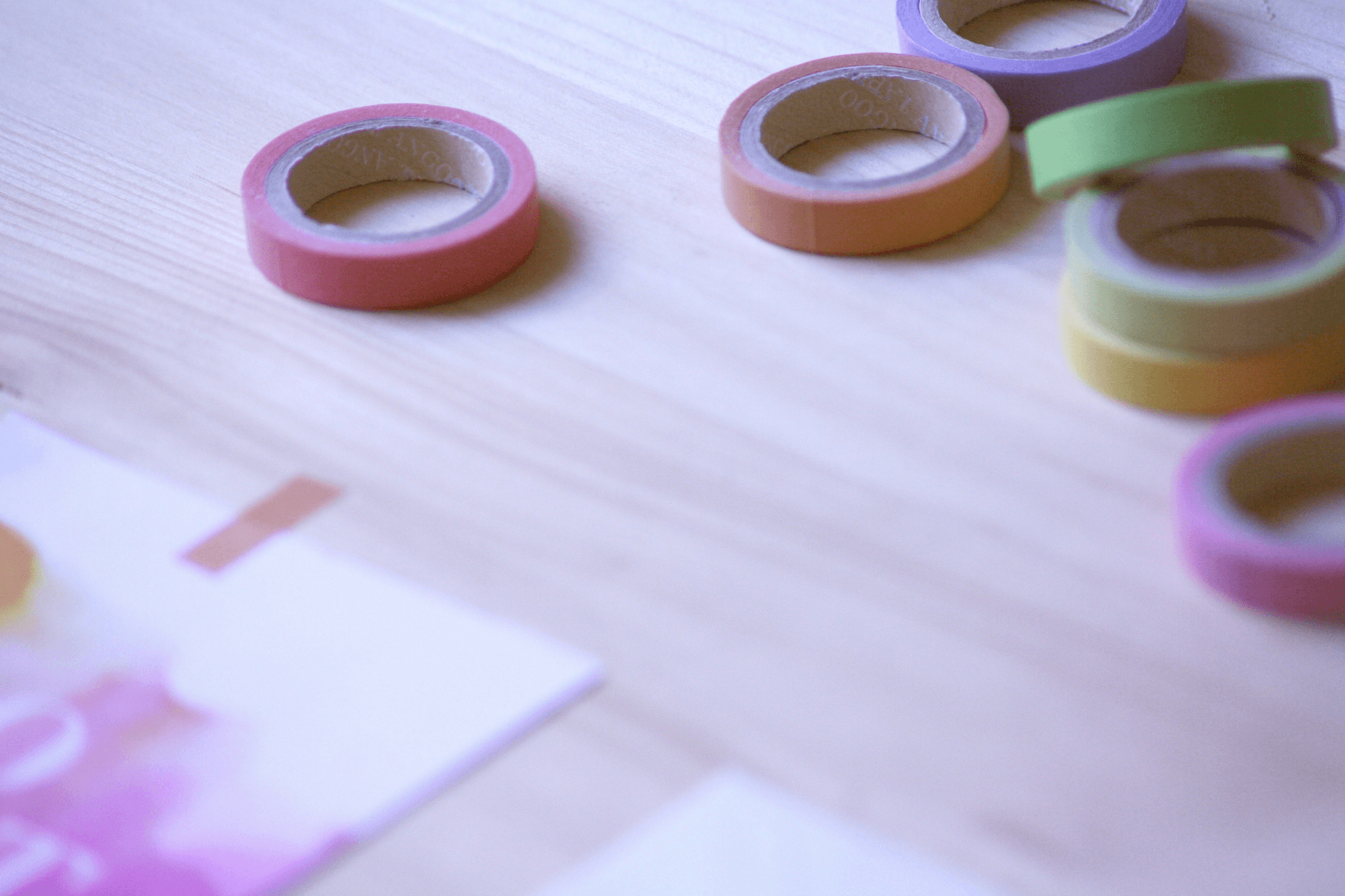
Pressure sensitive adhesives (PSAs) are the unsung heroes of the adhesive world, providing a convenient solution for a variety of bonding needs. Unlike hot glue or strong adhesives that require heat or chemical reactions to bond, PSAs stick on contact with just a little pressure. This makes them incredibly versatile, whether you’re crafting, packaging, or even working in industrial applications.
Everyday Uses of Pressure Sensitive Adhesives
You might not realize it, but pressure sensitive adhesive types are all around us in our daily lives. From sticky notes and tape to labels and medical bandages, these adhesives offer quick solutions without the mess of traditional glues like contact glue or hot melt adhesive. Their ease of use and instant bonding capabilities make them ideal for everything from home organization to professional settings.
In the crafting world, pressure sensitive adhesives shine brightly as they allow for repositioning before making a permanent bond—something that’s often not possible with stronger options like plastic adhesive or hot glue. They’re perfect for scrapbooking projects where precision is key and mistakes can happen! Additionally, industries such as automotive and electronics rely on PSAs for assembly tasks where traditional methods may fall short.
Benefits of Low-Tack Options
Low-tack pressure sensitive adhesives are especially popular because they provide a temporary bond that can be easily removed without leaving residue behind. This makes them an excellent choice for applications where flexibility is necessary—like mounting photos or creating displays—without the commitment of strong adhesive types that could damage surfaces upon removal.
These low-tack options also cater to those who might be apprehensive about using heavy-duty solutions such as strong adhesives or contact glue; they offer peace of mind knowing that any mistakes can be corrected easily without ruining their project. Plus, their ability to adhere lightly means they can be repositioned multiple times until achieving just the right fit!
Innovations in Pressure Sensitive Adhesive Technology
The landscape of pressure sensitive adhesive technology has evolved remarkably over recent years, leading to more advanced formulations that enhance performance while being eco-friendly too! New developments have led to PSAs with improved adhesion properties across various surfaces—including challenging materials like plastics—that previously required specialized plastic adhesives or stronger bonds.
Moreover, innovations have also focused on enhancing durability while maintaining easy peel-and-stick functionality; think about how far we’ve come from basic tape! Some new products even incorporate smart technology to indicate when an adhesive has reached its optimal bonding capacity—talk about cutting-edge! As manufacturers continue exploring these advancements in PSA technology, we can expect even greater versatility across all adhesive types.
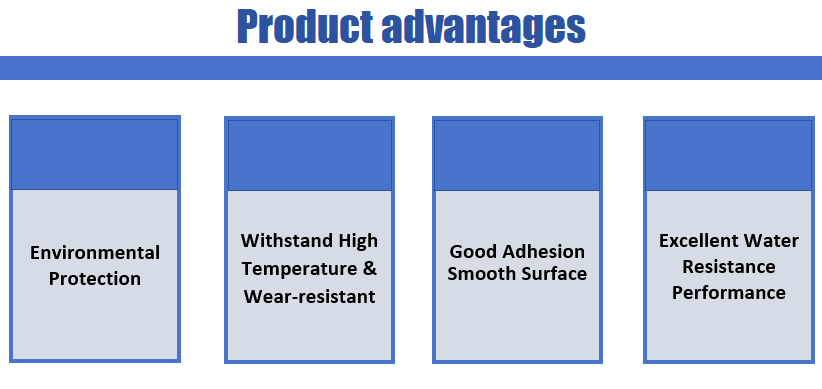
Chemix's Water-Based Resin Solution

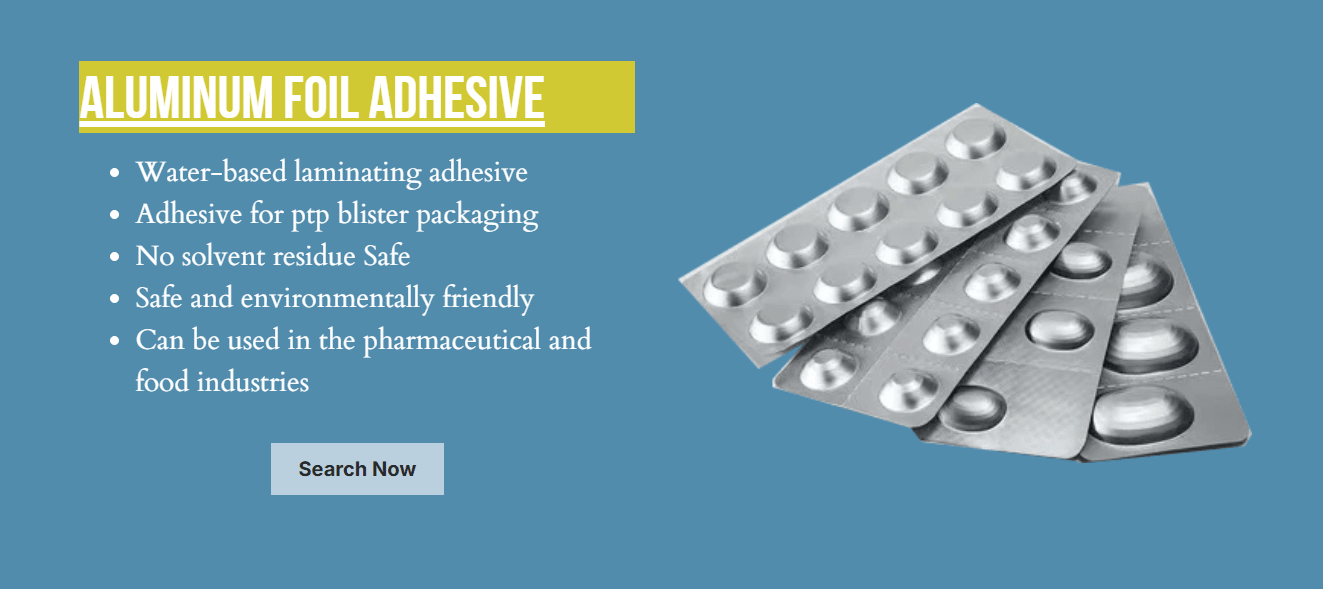
In the ever-evolving world of adhesives, Chemix’s water-based resin solution stands out as a champion of eco-friendliness and versatility. With an increasing demand for sustainable adhesive types, this innovative solution offers a compelling alternative to traditional solvents and harsh chemicals. As industries pivot towards greener practices, water-based resins are becoming the go-to choice for those who prioritize both performance and environmental responsibility.
Eco-Friendly Adhesive Options
Chemix’s water-based resin is crafted with sustainability in mind, reducing harmful emissions while maintaining strong adhesive properties. Unlike many hot glue or contact glue options that can release volatile organic compounds (VOCs), this eco-friendly adhesive minimizes environmental impact without sacrificing quality. By opting for a water-based solution, users can enjoy the benefits of effective bonding while contributing to a healthier planet.
This adhesive type is not only gentle on the environment but also safe for indoor applications, making it ideal for schools and homes where children may be present. Moreover, its formulation allows it to adhere effectively to various materials including wood, paper, and even certain plastics—bridging the gap between versatility and eco-consciousness. As consumers become more aware of their choices, Chemix's water-based resin aligns perfectly with modern values.
Applications Across Different Industries
The versatility of Chemix’s water-based resin makes it suitable for an array of industries including packaging, woodworking, and crafts—much like hot melt adhesives but with added ecological benefits. In packaging applications, this adhesive provides robust bonding capabilities essential for ensuring products remain secure during transit while being kind to the environment. For woodworking enthusiasts or professionals seeking strong adhesives that won’t compromise air quality indoors, this resin delivers reliability without harsh fumes.
In crafting scenarios where creativity meets functionality, chemists have found that water-based resins perform exceptionally well as plastic adhesives too! They bond effectively with various substrates while allowing crafters to work without worrying about toxic exposure from traditional glues or tapes. Additionally, as pressure-sensitive adhesives gain popularity in everyday uses like labels and stickers, incorporating a water-based option into these products enhances both usability and safety.
Performance of Water-Based Resin
The unique formulation ensures that bonds remain intact even when subjected to stress or varying temperatures; they’re designed to endure! Users will find that these resins cure quickly yet provide ample working time before setting—a perfect balance for those intricate projects requiring precision.
Furthermore, unlike some contact glue formulations which can be unforgiving if misapplied due to instant bonding properties; Chemix's option offers flexibility during application without compromising on strength once cured. This means less waste from failed attempts at adhesion—a win-win scenario! With innovations constantly emerging in adhesive technology—including advancements in pressure-sensitive options—the future looks bright for environmentally friendly solutions like Chemix’s water-based resin.
Conclusion
In the vast universe of adhesive types, choosing the right one can feel like finding a needle in a haystack. From hot glue to strong adhesives, each option serves specific purposes and offers unique benefits. Understanding the nuances of these adhesive types is essential for achieving optimal results in any project.
Choosing the Right Adhesive Type
Selecting the right adhesive type hinges on your project's requirements and materials involved. Hot glue is excellent for quick fixes and crafting, while strong adhesives are indispensable in heavy-duty applications where durability is key. Plastic adhesives excel in bonding various plastics, whereas contact glue provides instant bonding power; knowing which to use can save time and frustration.
Importance of Adhesive Pressure
Adhesive pressure plays a crucial role in ensuring a strong bond between surfaces. The amount of pressure applied can significantly affect how well different adhesive types perform; too little pressure may result in weak adhesion, while optimal pressure enhances bonding strength. Whether using hot melt adhesive or pressure sensitive adhesive, understanding how to apply the right amount of pressure is vital for success.
Innovations in Adhesives for the Future
The future of adhesives promises exciting innovations that will expand their applications even further. Advances in eco-friendly options, such as water-based resin solutions, are paving the way for more sustainable choices across industries. As technology evolves, we can expect to see enhancements in performance and versatility among various adhesive types, from hot glue to contact glue.