
Introduction
In the world of semiconductor manufacturing, die attach adhesives play a crucial role in ensuring the reliability and performance of electronic devices. These specialized adhesives bond semiconductor chips to substrates, making their selection vital for optimal functioning. With a variety of options available—including die attach film adhesive, epoxy adhesive, high temperature adhesive, and pressure adhesive—understanding the nuances of each type can significantly impact production outcomes.
Overview of Die Attach Adhesives
Die attach adhesives are engineered to meet the demanding requirements of modern electronics. They come in various forms such as die attach film adhesive and liquid epoxy adhesive, each tailored for specific applications and thermal conditions. The right choice can enhance thermal conductivity, mechanical strength, and overall device longevity.
Importance of Choosing the Right Adhesive
Selecting the appropriate adhesive is paramount; it not only affects the assembly process but also influences product reliability under varying conditions. For instance, high temperature adhesives are essential for applications exposed to extreme heat, while pressure adhesives offer unique benefits in terms of ease of handling and application efficiency. Making an informed decision ensures that your electronic components withstand operational stresses without compromising performance.
Key Factors in Adhesive Selection
When choosing an adhesive glue for die attachment, several key factors must be considered: thermal stability, adhesion strength under pressure, and compatibility with substrates are crucial elements that dictate performance outcomes. The specific application environment will often determine whether a die attach film adhesive or an epoxy adhesive is more suitable. Additionally, understanding how these materials perform under different temperature ranges can guide manufacturers in selecting the right high heat adhesive for their needs.
Understanding Die Attach Film Adhesive
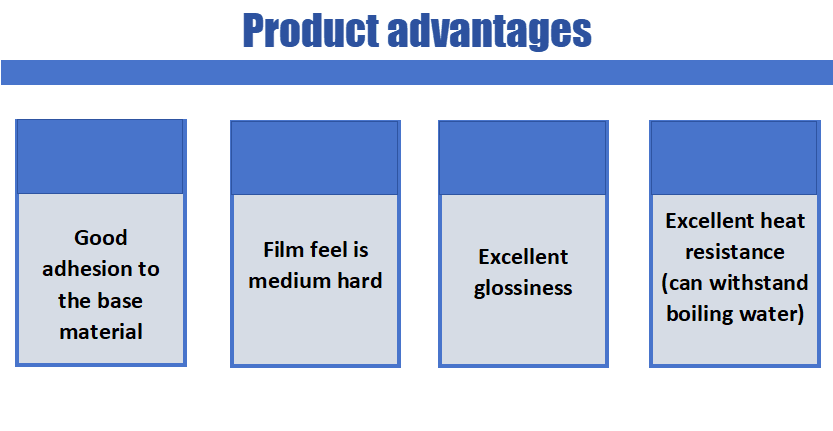
Die attach film adhesive is a specialized material used in the semiconductor industry to bond semiconductor chips to substrates. This adhesive comes in a film form, allowing for precise application and uniform thickness, which is crucial for achieving optimal thermal and electrical performance. With its unique properties, die attach film adhesive plays a significant role in enhancing the reliability of electronic devices.
Characteristics of Die Attach Film Adhesive
Die attach film adhesives are known for their exceptional thermal conductivity and mechanical strength, making them ideal for high-performance applications. These adhesives can withstand extreme temperatures, which is essential when considering high temperature adhesives that might be needed in certain environments. Additionally, die attach film adhesive exhibits low outgassing properties, ensuring that no harmful volatiles are released during the bonding process.
Another notable characteristic is their ease of use; they can be pre-cut into specific shapes or sizes to fit various semiconductor components perfectly. This precision reduces waste and simplifies the manufacturing process compared to traditional epoxy adhesives or pressure adhesives that may require more complex application techniques. Furthermore, die attach film adhesive provides excellent adhesion under varying conditions, ensuring long-lasting bonds even under stress.
Applications in Semiconductor Manufacturing
In semiconductor manufacturing, die attach film adhesive serves as a critical component in assembling integrated circuits (ICs) and other electronic devices. It is primarily used to securely bond silicon dies to substrates such as ceramic or organic materials while ensuring efficient heat dissipation during operation. The ability of die attach film adhesive to perform well under high heat conditions makes it particularly useful for applications like power electronics and automotive systems.
Moreover, this type of adhesive finds its way into the production of various consumer electronics such as smartphones and computers where reliability is key. As technology advances and devices become more compact with higher performance demands, the use of die attach film adhesive continues to grow in importance within the semiconductor landscape. Its versatility allows manufacturers to push boundaries while maintaining quality standards across diverse applications.
Advantages Over Other Adhesives
One major advantage of using die attach film adhesive over traditional options like epoxy adhesives lies in its superior processing capabilities. Unlike epoxy glue that may require curing times and specific application methods, die attach films can be applied quickly with minimal handling errors due to their consistent thickness and shape integrity. This not only speeds up production but also reduces costs associated with labor-intensive processes.
Additionally, when compared with high temperature adhesives or pressure adhesives that may struggle under certain operational conditions, die attach film adhesive excels at maintaining structural integrity even at elevated temperatures typical in many electronic applications. Its durability ensures long-lasting performance without compromising on bond strength or thermal management capabilities—qualities essential for modern electronics where efficiency matters most.
Lastly, environmentally conscious manufacturers appreciate that many types of die attach films are designed with sustainability in mind; some formulations utilize fewer volatile organic compounds (VOCs) than traditional counterparts like epoxy-based solutions or other types of adhesive glue available on the market today. By choosing die attach film adhesives over less eco-friendly options, companies can contribute positively toward greener manufacturing practices while still achieving outstanding results.
Exploring Epoxy Adhesives

Epoxy adhesives are a popular choice in the realm of die attach adhesives, known for their robust bonding capabilities and versatility. These adhesives consist of two components—a resin and a hardener—that, when mixed together, undergo a chemical reaction to form a strong bond. This unique mechanism allows epoxy adhesives to excel in various applications, including those requiring high temperature adhesive properties.
How Epoxy Adhesives Work
The magic of epoxy adhesive lies in its chemical structure. When the resin and hardener combine, they create a cross-linked network that enhances strength and durability, making it ideal for die attach film adhesive applications. This process not only provides excellent adhesion but also contributes to resistance against environmental factors such as moisture and temperature fluctuations.
In terms of performance, epoxy adhesives can withstand significant stress and strain due to their high heat adhesive properties. They are particularly effective in scenarios where traditional pressure adhesive options may fall short, especially under extreme conditions. Thus, understanding how these adhesives work is crucial for selecting the right one for your specific needs.
Benefits of Using Epoxy Adhesives
One of the standout benefits of epoxy adhesives is their exceptional bonding strength across various substrates—metals, plastics, ceramics—making them incredibly versatile. Unlike some pressure adhesives that may weaken over time or under stress, epoxy maintains its integrity even in challenging environments thanks to its high temperature adhesive capabilities. Additionally, these adhesives often exhibit superior resistance to chemicals and solvents compared to other types like die attach film adhesive.
Another advantage is their relatively easy application process; they can be dispensed with precision using standard equipment or manual methods without excessive effort or mess. This ease makes them appealing for both large-scale manufacturing settings and smaller projects alike. Furthermore, once cured, epoxy glue forms an impervious barrier that enhances longevity while minimizing maintenance needs.
Best Practices for Application
To achieve optimal results with epoxy adhesives, adhering to best practices during application is essential. First off, surface preparation cannot be overstated; clean surfaces free from dust or oil will significantly enhance adhesion quality—this applies whether you’re using it as an alternative to pressure adhesive or alongside die attach film adhesive solutions.
Another critical factor is mixing; ensure you follow manufacturer guidelines regarding ratios between resin and hardener for consistent curing results every time you use this high heat adhesive option. Finally, consider curing conditions; applying heat can accelerate curing times but should be done cautiously based on material compatibility.
High Temperature Adhesives: When Heat Matters

High temperature adhesives are essential components in various industries, especially where heat resistance is crucial. These adhesives are designed to maintain their bonding strength and integrity even under extreme temperatures, making them ideal for applications in automotive, aerospace, and electronics. Whether you're working with die attach film adhesive or epoxy adhesive, understanding high temperature options can significantly impact performance.
Definition and Uses of High Temperature Adhesives
High temperature adhesives are formulated to withstand elevated temperatures without losing their adhesion properties. They are commonly used in environments where thermal cycling occurs, such as semiconductor manufacturing and automotive assembly processes. In addition to die attach film adhesive applications, these adhesives can be found in electronic devices that require reliable bonding under high heat conditions.
The versatility of high temperature adhesives extends to various substrates including metals, ceramics, and plastics. Their ability to endure thermal stress makes them indispensable for ensuring the longevity and reliability of components in demanding settings. As technology advances, the demand for high heat adhesive solutions continues to rise across multiple sectors.
Popular High Temperature Adhesives
Several types of high temperature adhesives have gained popularity due to their unique properties and performance capabilities. Silicone-based adhesives are well-known for their flexibility and excellent thermal stability, often used in automotive sealants and electronic encapsulations. Additionally, epoxy adhesives have emerged as a go-to choice because of their strong bonding characteristics at elevated temperatures.
Another notable option includes polyimide-based adhesives which excel in extreme environments often encountered in aerospace applications. These high temperature adhesive formulations not only provide robust adhesion but also resist chemical degradation over time. The right choice among these options depends on specific application requirements such as the type of materials being bonded and the expected thermal exposure.
Testing High Heat Adhesive Performance
Testing is critical when it comes to evaluating the performance of high heat adhesives under real-world conditions. Various methods exist for assessing adhesive pressure strength at elevated temperatures; one common approach involves subjecting samples to thermal cycling tests that simulate operational environments. Such testing ensures that the chosen adhesive will maintain its integrity throughout its intended lifespan.
Additionally, shear strength tests can help determine how well a particular adhesive performs under stress when exposed to heat over time—this is particularly important for applications involving die attach film adhesive or epoxy adhesive where reliability is paramount. Manufacturers often publish data on these tests so users can make informed decisions about which high temperature adhesive best fits their needs.
In conclusion, selecting the right high temperature adhesive is vital for achieving optimal performance in challenging conditions while ensuring durability across various applications—from semiconductor devices utilizing die attach film adhesive to automotive parts bonded with epoxy glue.
Pressure Adhesives and Their Applications
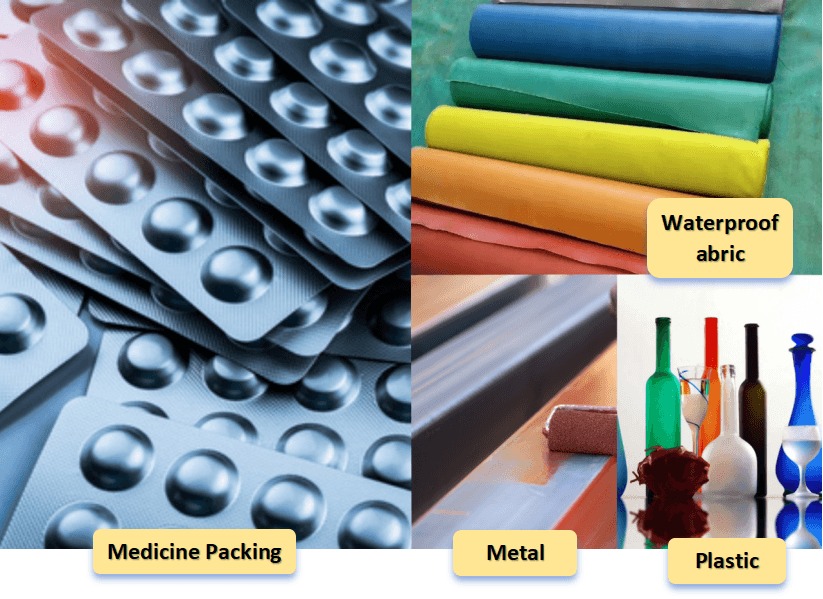
Pressure adhesives play a crucial role in the adhesive landscape, especially in the assembly processes of various industries. These adhesives bond materials together through the application of pressure rather than heat, making them versatile and efficient for many applications. When it comes to die attach film adhesive or epoxy adhesive solutions, understanding pressure adhesives can enhance manufacturing efficiency and product reliability.
What are Pressure Adhesives?
Pressure adhesives are a unique category of adhesives that rely on mechanical pressure to form a bond between surfaces. Unlike high temperature adhesives that require elevated heat for curing, pressure adhesives can set at room temperature, making them ideal for sensitive components that cannot withstand high heat conditions. This characteristic is particularly beneficial when working with delicate materials or in environments where quick assembly is essential.
Advantages in Assembly Processes
The advantages of using pressure adhesives in assembly processes are numerous and impactful. For starters, they offer rapid bonding capabilities, allowing manufacturers to streamline production timelines without compromising quality—perfect for high-volume applications where time is money. Additionally, the use of adhesive glue in this context minimizes thermal stress on components, which is especially important when dealing with die attach film adhesive or other sensitive materials.
Key Players in the Pressure Adhesive Market
In the ever-evolving world of pressure adhesives, several key players stand out due to their innovative products and market presence. Companies like 3M and Henkel have developed advanced formulations that cater to various industrial needs, including those requiring high heat adhesive properties for specific applications. As demand grows for efficient bonding solutions across sectors like electronics and automotive manufacturing, these companies continue to push boundaries with their cutting-edge pressure adhesive technologies.
Chemix's Water-Based Resin Solution
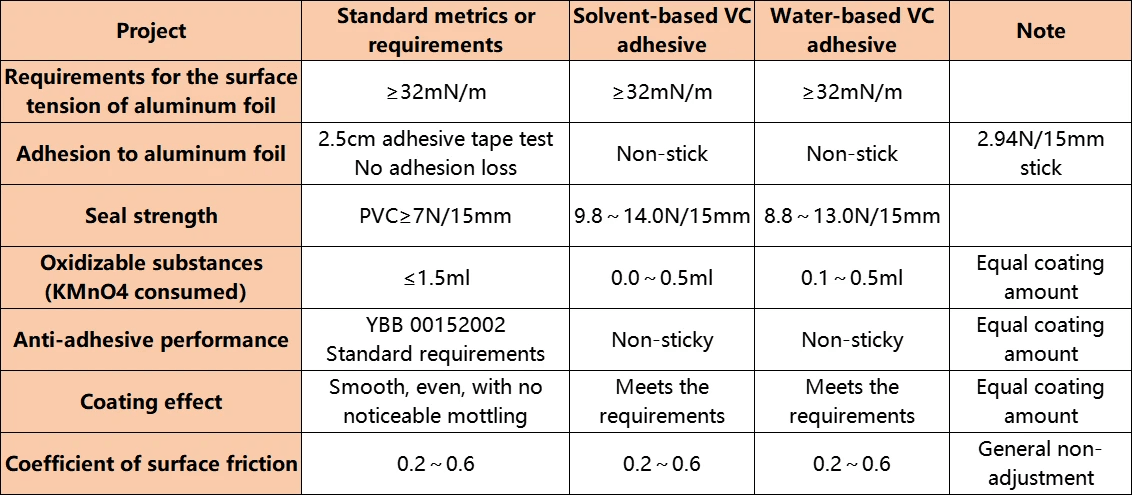
In the world of adhesives, Chemix’s water-based resin solution stands out for its innovative approach and versatility. This type of adhesive is designed to meet the demanding requirements of various applications, including those in semiconductor manufacturing where die attach film adhesive plays a crucial role. With properties that cater to both performance and environmental standards, Chemix's solution is a game changer in adhesive technology.
Features of Water-Based Resin
Chemix's water-based resin boasts several impressive features that make it an attractive option for manufacturers. One key characteristic is its exceptional adhesion strength, which rivals traditional epoxy adhesives but with added benefits. Additionally, this resin offers excellent flexibility and durability under varying conditions, making it suitable for high temperature adhesive applications where thermal stability is essential.
Another noteworthy feature is its quick curing time, allowing for efficient production processes without compromising on quality. Unlike some pressure adhesives that require specific environmental conditions to set properly, Chemix’s formulation can adapt to different settings while maintaining optimal performance. This adaptability makes it an ideal choice for industries requiring high heat adhesive solutions without the hassle of lengthy curing times.
Environmental Benefits of Using Water-Based Resin
One of the standout advantages of using Chemix's water-based resin is its eco-friendliness compared to solvent-based alternatives. By minimizing volatile organic compounds (VOCs), this adhesive contributes to a healthier work environment and reduces harmful emissions during production processes. This aligns perfectly with global efforts toward sustainability and responsible manufacturing practices.
Moreover, water-based resins are often easier to clean up than their solvent counterparts, reducing waste and simplifying maintenance in industrial settings. The lower toxicity levels associated with these adhesives also mean safer handling for workers involved in assembly processes—particularly when dealing with high temperature adhesives or die attach film adhesives that may otherwise pose health risks due to chemical exposure.
Applications in Adhesives and Beyond
Chemix's water-based resin finds applications across various sectors beyond traditional adhesive uses, showcasing its versatility as an innovative material solution. In electronics manufacturing, where precision is paramount, this resin can serve effectively as a die attach film adhesive due to its strong bonding capabilities at elevated temperatures. Furthermore, it's gaining traction in automotive assembly lines as a reliable pressure adhesive that can withstand rigorous operational demands.
Beyond these industries, this versatile resin opens doors for creative applications in art and design fields where non-toxic options are increasingly preferred over conventional glue products laden with harmful chemicals. As companies continue seeking sustainable materials without sacrificing performance—whether through high heat adhesives or other specialized formulations—Chemix’s water-based solution positions itself as a frontrunner in the evolution of modern adhesives.
Conclusion
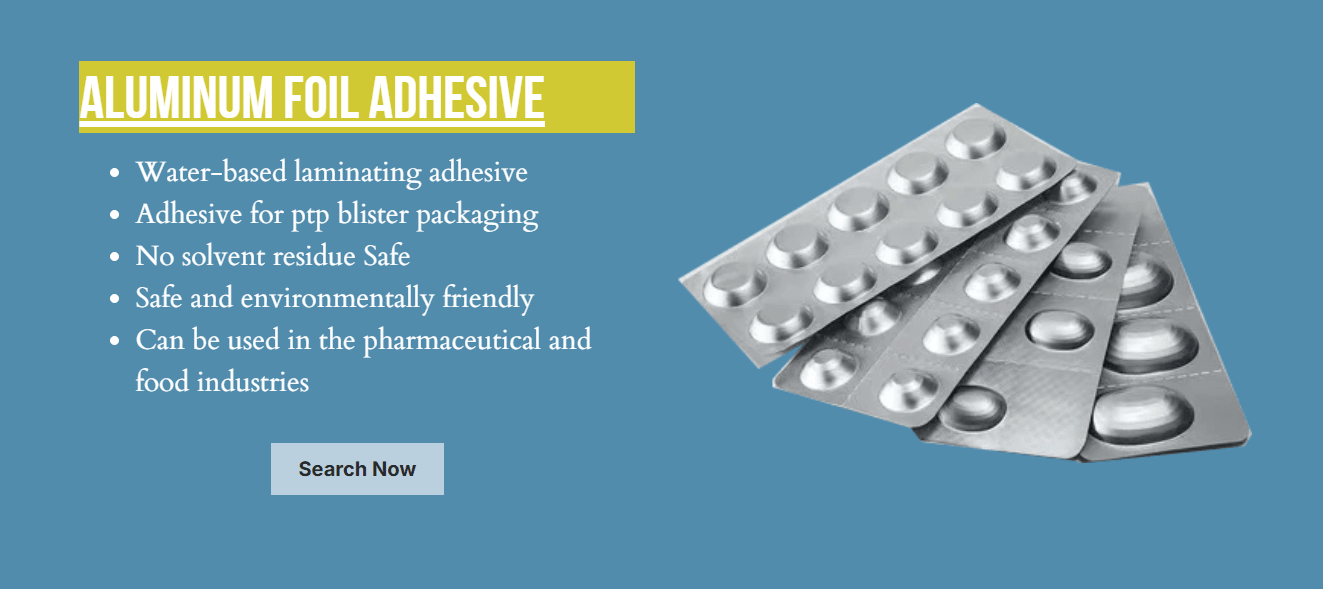
In the world of semiconductor manufacturing, selecting the right adhesive is paramount. From die attach film adhesive to epoxy adhesive, high temperature adhesive, and pressure adhesive, each option has unique properties tailored for specific applications. Understanding these choices can significantly affect the performance and reliability of electronic components.
Recap of Adhesive Options
We’ve explored a variety of adhesives that play crucial roles in the assembly process. The die attach film adhesive offers precision and reliability, making it ideal for delicate semiconductor applications. On the other hand, epoxy adhesives provide robust bonding capabilities suitable for diverse environments, while high temperature adhesives are essential when heat resistance is non-negotiable—think space missions or automotive applications! Pressure adhesives have their own charm too; they simplify assembly processes by applying adhesive pressure effectively without needing extensive curing times.
Importance of Adhesive Properties
Each type of adhesive comes with distinct properties that must align with specific project requirements. For instance, a die attach film adhesive might excel in thermal conductivity but may not be suitable where flexibility is needed; this highlights why understanding these properties is crucial before making a selection. Additionally, factors like curing time, environmental resistance, and mechanical strength should guide your choice—after all, you wouldn’t want your high heat adhesive to fail at critical moments!
Future Trends in Die Attach Adhesives
Looking ahead, advancements in materials science are poised to revolutionize die attach adhesives further. Innovations such as smart adhesives that can adapt based on environmental changes may soon become commonplace in semiconductor manufacturing processes. Moreover, as sustainability takes center stage, eco-friendly options like water-based resins could redefine standards for performance and environmental impact—making it an exciting time to be involved in this field!