
Introduction
In the ever-evolving world of manufacturing and repair, electrically conductive adhesives are transforming how we bond metal. These innovative materials offer a unique solution for creating strong, reliable connections between metal surfaces without the heat and complexity associated with traditional methods. With applications ranging from electronics to automotive industries, understanding the benefits of these metal adhesives is crucial for anyone looking to enhance their projects.
What Are Electrically Conductive Adhesives?
Electrically conductive adhesives are specialized bonding agents designed to create electrical connections while simultaneously adhering materials together. Often formulated with metals or conductive fillers, these adhesives allow for efficient electron flow between bonded surfaces, making them ideal for various applications in electronics and other fields requiring reliable conductivity. Unlike standard adhesives, electrical adhesive products provide both mechanical strength and electrical performance, ensuring that your metal bonds remain intact under demanding conditions.
Why Choose Electrical Adhesives for Metal Bonding?
Choosing electrical adhesives over traditional bonding methods like welding or soldering offers numerous advantages when working with metal. For starters, these modern metal bonders reduce the risk of thermal distortion that can occur during welding processes, preserving the integrity of delicate components. Additionally, sprayable adhesive formulations provide ease of application and versatility in reaching complex geometries that may be challenging with conventional techniques.
Key Applications of Metal Adhesive Glue
Metal adhesive glue finds its way into a multitude of industries due to its remarkable properties and adaptability. From automotive assembly lines where durability is paramount to consumer electronics where space is at a premium, these adhesives excel in various environments. Other key applications include industrial coatings that require robust adhesion in harsh conditions, proving that when it comes to bonding metal effectively, there’s no substitute for high-quality electrical adhesive solutions.
Understanding Electrical Adhesives

These specialized adhesives are designed not just to hold materials together but also to conduct electricity, making them ideal for applications that require both structural integrity and electrical connectivity. In this section, we will dive into the composition of these adhesives, explore the different types available, and highlight the benefits of using a metal bonder in your projects.
Composition of Electrical Adhesives
Electrical adhesives are typically formulated from a combination of polymers and conductive fillers that enable them to bond effectively while allowing for electrical conductivity. Common components include epoxy resins, polyurethane, or silicone bases mixed with conductive materials like silver or carbon black. This unique blend ensures that the adhesive not only provides robust bonding metal capabilities but also maintains high conductivity levels necessary for electronic applications.
The formulation can vary significantly depending on the intended use; for instance, some may prioritize flexibility while others focus on thermal resistance or environmental stability. Regardless of their specific makeup, all electrical adhesives share the common goal of providing a reliable bond while facilitating electrical connections between metal surfaces. Understanding this composition is crucial when selecting the most strong glue for your specific application needs.
Types of Electrical Adhesives
There are several types of electrical adhesives available on the market today, each tailored to meet various industrial requirements and preferences. One popular category is epoxy-based electrical adhesives known for their exceptional strength and durability; they are often used in high-stress environments where longevity is critical. On the other hand, sprayable adhesives offer ease of application and uniform coverage over large areas—making them ideal for industrial coatings where precision matters.
Additionally, there are silicone-based options that provide excellent flexibility and resistance to temperature fluctuations—perfect for applications requiring dynamic movement or exposure to harsh conditions. Conductive acrylics also exist as an alternative for quick-setting scenarios where immediate conductivity is necessary after application. With such diversity in types available, users can easily find an electrical adhesive that suits their specific needs when bonding metal parts.
Benefits of Using Metal Bonder
Utilizing a metal bonder comes with numerous advantages that make it an appealing choice over traditional methods like welding or soldering. For starters, these adhesives eliminate the need for heat application during bonding processes; this means reduced risk of warping or damaging sensitive components—a significant plus when working with delicate electronics or thin metals. Furthermore, using a metal adhesive glue allows for greater design flexibility since it can bond dissimilar materials without compromising performance.
Another key benefit is cost-effectiveness; electric adhesives often require less labor-intensive setup than welding equipment while providing strong bonds without additional materials like fluxes or filler metals commonly used in soldering processes. Additionally, many modern formulations possess excellent resistance properties against moisture and chemicals—ensuring long-lasting bonds even in challenging environments typical in industrial settings. Ultimately, choosing an effective metal bonder can lead to improved efficiency and reliability across various applications.
The Science Behind Bonding Metal

When it comes to bonding metal, the science behind how metal glue works is fascinating and critical for achieving strong, durable connections. Metal adhesives, especially electrical adhesives, rely on a combination of chemical and physical interactions to create lasting bonds. This process involves the adhesive penetrating the surface of the metals being joined, forming a robust interface that enhances conductivity and strength.
How Metal Glue Works
Metal glue operates through a unique mechanism that combines adhesion with conductivity. When applied, this electrical adhesive forms a thin layer between metal surfaces, allowing for molecular bonding at a microscopic level. As the adhesive cures—whether it's a sprayable adhesive or a traditional type—it creates an interlocking structure that not only holds the metals together but also facilitates electrical flow.
The effectiveness of metal glue can be attributed to its composition; many formulations include conductive fillers that enhance electrical properties while maintaining structural integrity. This dual functionality makes metal adhesive glue particularly valuable in applications requiring both strength and conductivity. Ultimately, understanding how these adhesives work helps in selecting the most strong glue for your specific project needs.
Factors Affecting Bond Strength
Several factors influence bond strength when using an electrical adhesive for bonding metal. Surface preparation is paramount; clean and properly prepared surfaces significantly improve adhesion by maximizing contact area between the adhesive and substrate. Contaminants like oil or dust can weaken bonds, so ensuring surfaces are free from debris is crucial.
Temperature and humidity during application also play vital roles in determining bond efficacy. Most strong glues have specific temperature ranges within which they perform optimally; deviations can lead to inadequate curing or compromised bond strength over time. Additionally, curing time should not be rushed; allowing sufficient time for the adhesive to set ensures maximum performance.
Finally, choosing the right type of metal bonder tailored to your materials is essential for achieving desired results. Different metals may require specialized formulations of metal glue designed specifically for their properties—this can make all the difference in long-lasting connections.
Common Mistakes in Metal Bonding
Even seasoned professionals can fall prey to common mistakes when bonding metals with adhesives like those discussed here. One frequent error is neglecting proper surface preparation; skipping this step often leads to weak bonds that fail under stress or environmental conditions. Remember: clean surfaces are happy surfaces!
Another mistake involves misjudging application thickness; applying too much or too little adhesive can compromise bond integrity as well as conductivity in electrical applications. It's crucial to follow manufacturer guidelines regarding application techniques and amounts—after all, you wouldn’t want your most strong glue turning into your weakest link!
Lastly, failing to consider environmental factors post-application can lead to premature failure of bonded joints. Factors such as moisture exposure or extreme temperatures should be accounted for when selecting your metal adhesive glue—this foresight will ensure longevity and reliability in industrial coatings or other demanding applications.
Comparing Electrical Adhesives and Traditional Methods

When it comes to bonding metal, electrical adhesives have carved out a niche that traditional methods like welding and soldering simply can't match. These modern metal bonders are not only efficient but also offer a range of advantages that make them the go-to choice for many applications. Let's dive into why electrical adhesives are often favored over their traditional counterparts.
Advantages Over Welding and Soldering
One of the primary advantages of using electrical adhesives over welding and soldering is the reduced heat input involved in the bonding process. This means there's less risk of warping or damaging sensitive components, making these metal adhesive glues ideal for delicate assemblies. Furthermore, electrical adhesives can bond dissimilar metals without compromising structural integrity, something that welding often struggles with due to differing thermal expansion rates.
Another significant benefit is the ease of application; while welding requires specialized equipment and skills, applying a sprayable adhesive is as simple as following the manufacturer's instructions. This accessibility allows even those with minimal experience to achieve strong bonds effectively. Additionally, electrical adhesives can cure at room temperature or with minimal heat, which streamlines production timelines compared to traditional methods that may require extensive post-processing.
Finally, when you consider workplace safety, electrical adhesives shine brightly. They produce fewer fumes and hazardous byproducts than welding or soldering processes, creating a healthier environment for workers. In industries where safety regulations are stringent, opting for an effective metal glue can be a game-changer.
Cost-Effectiveness of Electrical Adhesives
Cost-effectiveness is another compelling reason to choose electrical adhesives over traditional bonding methods like welding or soldering. The initial investment in equipment for welding can be substantial—think about all those machines and protective gear! In contrast, most strong glue options come at a fraction of the cost while still delivering exceptional performance in terms of bond strength and durability.
Moreover, consider the time savings associated with using an electrical adhesive; faster application times mean quicker project turnaround times and reduced labor costs overall. When you factor in these savings along with lower material costs for adhesive products compared to consumables required for welding (like rods or flux), it's clear that metal adhesive glue offers significant financial advantages.
Lastly, because electrical adhesives allow for more straightforward repairs—often requiring just reapplication rather than extensive rework—companies can save on long-term maintenance expenses as well. This cost efficiency makes them an attractive option across various industries looking to optimize budgets without sacrificing quality.
Versatility of Sprayable Adhesives
The versatility of sprayable adhesives cannot be overstated when comparing them to more rigid bonding techniques like welding or soldering. These innovative solutions adapt easily to different surfaces and geometries, allowing users to bond intricate designs without hassle—a feat that's often complicated by traditional methods requiring precise alignment under high heat conditions.
Sprayable electric adhesives also excel in applications beyond simple metal bonding; they can serve multiple purposes such as providing protective coatings against corrosion while maintaining conductive properties essential for electronic components within industrial coatings applications. This multifunctionality makes them indispensable tools in diverse settings—from automotive manufacturing to electronics assembly lines.
In addition to their broad applicability across various materials—including plastics and composites—sprayable adhesives simplify inventory management since one product can often replace several others used traditionally for different tasks or materials types. This streamlining not only improves operational efficiency but also reduces storage requirements—a win-win situation!
Exploring Chemix's Water-Based Resin Solution

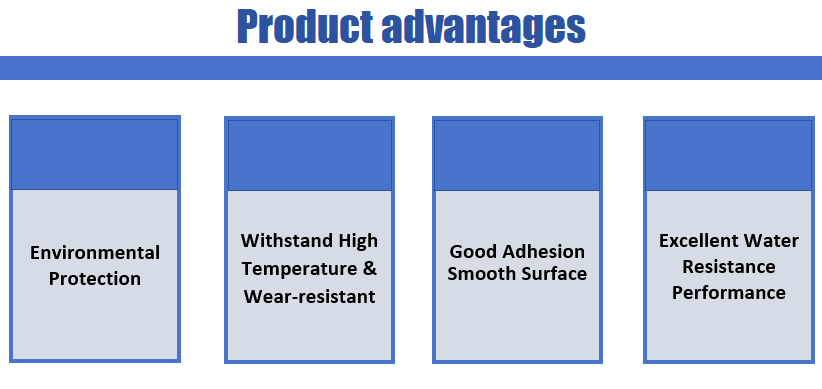
Chemix's water-based resin solution is revolutionizing the world of electrical adhesives, particularly in metal bonding applications. These resins offer a unique combination of eco-friendliness and high performance, making them an attractive choice for industries looking to reduce their environmental impact while maintaining strong bonds. With a focus on sustainability, Chemix is leading the charge in developing innovative metal adhesive glue solutions that meet the demands of modern manufacturing.
Eco-Friendly Benefits of Water-Based Resins
One of the standout features of water-based resins is their eco-friendly nature, which sets them apart from traditional solvent-based options. Unlike solvent-based adhesives that release harmful volatile organic compounds (VOCs) into the atmosphere, water-based electrical adhesives minimize environmental harm and improve workplace safety. By choosing a metal bonder like Chemix’s water-based solution, companies can significantly reduce their carbon footprint while ensuring reliable bonding metal applications.
Additionally, these resins are often easier to clean up and handle compared to their solvent counterparts. This user-friendly aspect not only enhances safety during application but also simplifies post-application cleanup processes. As industries increasingly prioritize sustainability, opting for eco-friendly water-based adhesives represents a smart move towards greener practices without compromising on performance.
Application in Industrial Coatings
The versatility of Chemix's water-based resin extends beyond just being an electrical adhesive; it finds extensive application in industrial coatings as well. These coatings provide excellent protection against corrosion and wear while delivering superior adhesion qualities essential for bonding metal surfaces effectively. Whether used in automotive manufacturing or electronic device assembly, this sprayable adhesive ensures that components remain securely bonded under various conditions.
Moreover, the adaptability of these resins allows them to be formulated for specific industrial needs—whether it’s enhancing durability or improving resistance to chemicals and extreme temperatures. In sectors where reliability is paramount, such as aerospace or heavy machinery production, using a strong metal glue that meets industry standards is crucial for operational success and longevity.
Performance Compared to Solvent-Based Options
When comparing Chemix's water-based resin solution with traditional solvent-based options, several performance metrics come into play that highlight its advantages as the most strong glue available today. Water-based electrical adhesives typically exhibit superior flexibility and toughness once cured—qualities essential for maintaining bond integrity under stress or movement during operation. Additionally, they often cure faster than solvent options due to their unique formulation designed for rapid drying times without sacrificing bond strength.
Furthermore, testing shows that these modern formulations outperform many older adhesives regarding adhesion strength when applied to various metals such as aluminum or steel—a critical factor when selecting a reliable metal adhesive glue for demanding applications. With ongoing advancements in technology and formulation science at Chemix, users can expect continuous improvements in both performance and environmental benefits from these innovative products.
Selecting the Most Strong Glue for Your Project
Whether you're working on intricate electronics or heavy machinery, the right electrical adhesive can provide unmatched durability and strength. With a plethora of options available—from traditional metal glue to modern sprayable adhesives—understanding your specific needs is crucial.
Evaluating Strength and Durability
Evaluating strength and durability in an electrical adhesive is paramount for ensuring long-lasting bonds. Factors such as tensile strength, shear strength, and environmental resistance play significant roles in determining how well a metal bonder will perform under stress. The most strong glue options often undergo rigorous testing to meet industry standards, so it's essential to review technical data sheets before making your selection.
Additionally, consider the application environment when choosing your metal adhesive glue; exposure to moisture, heat, or chemicals can impact bond integrity over time. Some adhesives excel in high-temperature applications while others may be designed specifically for wet environments. Always test a small sample if possible to ensure that the chosen product meets your project's unique demands.
Industry Standards for Adhesive Performance
Adhesives are not created equal—industry standards help differentiate top performers from the rest. Organizations like ASTM International set benchmarks that electrical adhesives must meet regarding performance metrics such as adhesion strength and thermal stability. Familiarizing yourself with these standards will empower you to make informed decisions about which metal bonder aligns with your project requirements.
Moreover, certifications like ISO or UL can indicate that an adhesive has undergone stringent testing for safety and reliability in various applications including industrial coatings. This kind of due diligence ensures that you’re not just picking any random metal glue off the shelf but are instead opting for products backed by proven performance metrics. By prioritizing adherence to these industry standards, you’ll enhance both safety and effectiveness in your bonding tasks.
Top Brands for Metal Adhesive Glue
In a crowded market of bonding solutions, some brands stand out as leaders in manufacturing high-quality electrical adhesives tailored for metal bonding projects. Names like 3M and Loctite have earned their reputation through consistent innovation and reliable performance across diverse applications—from automotive assembly lines to electronics manufacturing. Their offerings range from robust two-part epoxies to convenient sprayable adhesives that simplify application without sacrificing bond quality.
Another noteworthy mention is Permabond, which specializes in advanced adhesive technologies suitable for challenging environments where traditional methods may falter. Their extensive line of metal adhesive glues ensures that there’s something available regardless of whether you're looking for quick fixes or long-term solutions under harsh conditions. Ultimately, investing in reputable brands not only assures quality but also provides peace of mind knowing you've selected some of the most strong glue options available on the market today.
Conclusion
In the ever-evolving landscape of manufacturing and assembly, electrically conductive adhesives are carving out a significant niche. As industries seek innovative solutions for bonding metal, the demand for high-performance metal adhesive glue is on the rise. From automotive to electronics, the future of bonding metal looks bright with advancements in materials and application techniques.
Future Trends in Electrically Conductive Adhesives
The future of electrical adhesives is poised for exciting developments, particularly with the ongoing research into new formulations that enhance conductivity and performance. Innovations like sprayable adhesives are gaining traction due to their ease of application and versatility, making them ideal for various industrial coatings. Additionally, eco-friendly options are becoming more prevalent as manufacturers prioritize sustainability without sacrificing quality or strength.
Maintaining Metal Bonds for Longevity
To ensure that your metal bonds remain strong over time, proper maintenance and application techniques are crucial. Regular inspections can help identify any signs of wear or degradation in your chosen metal glue before they become problematic. Furthermore, selecting the most strong glue available and adhering to manufacturer guidelines will significantly extend the lifespan of your bonded metals.
Final Thoughts on Choosing the Right Adhesive
Choosing the right adhesive can make all the difference in achieving durable results in your projects involving bonding metal. With a plethora of options available—from traditional methods to advanced electrical adhesives—it's essential to evaluate factors such as strength, durability, and application method carefully. Ultimately, investing time into selecting high-quality metal adhesive glue tailored to your specific needs will pay off in performance and longevity.