
Introduction

In the world of bonding materials, electrically conductive adhesives stand out as versatile solutions that combine adhesion with electrical conductivity. These specialized adhesives are essential in various applications, from electronics to automotive repairs, where a reliable connection is not just about sticking things together but also ensuring a seamless flow of electricity.
Understanding Electrically Conductive Adhesives
Electrically conductive adhesives are unique formulations designed to create strong bonds while allowing electrical current to pass through them. Unlike standard glue, which may insulate or impede electrical flow, an adhesive that conducts electricity ensures that connections remain functional under various conditions. Types of conductive adhesives include metal glue and epoxy adhesive for metal applications, each serving different purposes depending on the materials being bonded and the required conductivity levels.
Applications of Conductive Adhesives
The versatility of conductive adhesives makes them indispensable in numerous industries. They are widely used in electronic devices for securing components while maintaining electrical connectivity; think circuit boards and sensors where precision is crucial. Additionally, metal adhesive glue finds its place in automotive and aerospace sectors for metal-to-metal connections that demand both strength and conductivity—making it a go-to choice when searching for the best adhesive for metal applications.
Choosing the Right Adhesive
Selecting the right adhesive can be daunting with so many options available on the market today. Factors such as material compatibility, required strength, curing time, and environmental conditions should guide your choice; whether you need an epoxy adhesive for metal or a more specialized formulation will depend on these criteria. By understanding your specific requirements and exploring products like Chemix's water-based resin solution or other leading options, you can confidently choose an adhesive that meets your needs without compromising performance.
What is Electrically Conductive Adhesive?
Electrically conductive adhesives are specialized bonding agents that allow the flow of electricity between two surfaces. Unlike traditional adhesives, which primarily serve to bond materials together, these adhesives combine both adhesive properties and electrical conductivity. This unique characteristic makes them essential in various applications, particularly in electronics and metal repairs.
Definition of Conductive Adhesive
A conductive adhesive is an adhesive that conducts electricity, making it suitable for applications where electrical connections are necessary without soldering. These adhesives can bond a variety of materials while ensuring that the electrical current can pass through the joint effectively. They are often used in situations where traditional methods may not be feasible or desirable, such as delicate electronic components or areas requiring flexibility.
Types of Conductive Adhesives
There are several types of conductive adhesives on the market, each tailored to specific applications and materials. The most common types include silver-filled epoxy adhesives, which offer excellent conductivity and strength; carbon-based adhesives, known for their flexibility; and thermoplastic conductive adhesives that provide ease of use and reworkability. Choosing the right type depends on factors like the materials being bonded—whether you need metal glue or an adhesive for metal to metal connections—and the required durability.
Advantages of Using Conductive Adhesives
Using electrically conductive adhesives comes with numerous advantages that make them a go-to choice for many professionals. Firstly, they eliminate the need for soldering in some applications, reducing heat exposure to sensitive components—a crucial aspect when dealing with electronics or delicate metals. Additionally, these products often provide strong bonding capabilities alongside their electrical properties; thus, finding the best adhesive for metal or even specifically an epoxy adhesive for metal becomes vital when ensuring long-lasting performance.
Key Properties of Conductive Adhesives

When it comes to choosing the right adhesive that conducts electricity, understanding its key properties is essential. Conductive adhesives are not just about sticking two surfaces together; they must also perform specific functions, especially in electronic applications. This section delves into the vital characteristics that make conductive adhesives suitable for various metal bonding tasks.
Electrical Conductivity Matters
The primary feature of any adhesive that conducts electricity is, unsurprisingly, its electrical conductivity. This property allows the adhesive to create a reliable electrical connection between components, making it indispensable in electronics and electrical engineering. Whether you're working with a metal glue or a specialized epoxy adhesive for metal applications, ensuring adequate conductivity is crucial for performance and reliability.
A high level of electrical conductivity means that the adhesive can facilitate current flow without significant resistance, which is particularly important in circuits and connections where efficiency matters. For applications requiring an adhesive for metal to metal bonding, selecting one with excellent conductivity will enhance overall functionality and durability. Ultimately, when looking for the best adhesive for metal connections, prioritize those with proven conductive properties.
Thermal Stability Explained
Thermal stability refers to how well an adhesive can withstand temperature fluctuations without losing its effectiveness or structural integrity. In many scenarios involving metals—especially in electronic devices—heat generation is inevitable due to operational demands or environmental factors. Thus, selecting an adhesive glue with high thermal stability ensures that your bond remains intact even under extreme conditions.
An epoxy adhesive for metal applications often provides superior thermal stability compared to standard adhesives due to its robust chemical composition. This characteristic allows it to maintain strong adhesion while preventing degradation over time from heat exposure. Therefore, when considering the best adhesive for metal to metal connections subjected to varying temperatures, thermal stability should be at the forefront of your decision-making process.
Adhesive Strength and Durability
Adhesive strength and durability are critical attributes that determine how well an adhesive performs over time under stress or load conditions. A strong bond ensures that materials remain securely attached even when exposed to vibrations or mechanical forces—common scenarios in both industrial and consumer products using a metal adhesive glue. If you’re after longevity in your projects involving metals, opting for a robust conductive adhesive is non-negotiable.
Durability goes hand-in-hand with resistance against environmental factors like moisture or chemicals; thus it's essential when selecting an effective solution like an epoxy adhesive for metal repairs or constructions. The best adhesives not only offer immediate bonding strength but also ensure long-term reliability throughout their intended lifespan. In summary, always look out for those top-performing options if you want your projects using conductive adhesives to stand the test of time.
Top Products in the Market
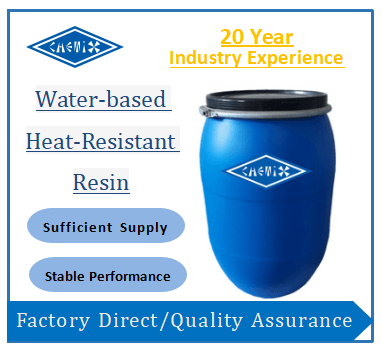
When it comes to electrically conductive adhesives, there are a plethora of options available that cater to various needs and applications. Among these, Chemix's Water-Based Resin Solution stands out for its unique properties and versatility. This product is particularly popular among professionals looking for an adhesive that conducts electricity while being user-friendly and environmentally friendly.
Chemix's Water-Based Resin Solution
Chemix's Water-Based Resin Solution is a game-changer in the world of metal adhesive glue. It offers an exceptional balance of conductivity and adhesion, making it one of the best adhesives for metal to metal connections. Not only does it provide strong bonding capabilities, but it also boasts impressive thermal stability, ensuring your projects remain intact even under varying temperature conditions.
This adhesive is specifically designed for applications where electrical conductivity is vital, making it an ideal choice when you need an adhesive that conducts electricity without compromising on strength or durability. Whether you're working on electronics or repairing metal components, this epoxy adhesive for metal will serve you well by providing reliable results every time. Its water-based formulation means easy cleanup and lower environmental impact—definitely a win-win!
For those who frequently engage in DIY projects or professional assembly work involving metals, Chemix’s solution can be considered the best adhesive for metal applications. Its ability to bond different types of metals while maintaining electrical conductivity sets it apart from traditional options like standard super glues or epoxies that may not offer the same level of performance. So if you're on the hunt for a dependable adhesive glue that excels at both bonding and conducting electricity, look no further than Chemix!
When to Use Different Types of Adhesives

Choosing the right adhesive can be a bit like finding the perfect match on a dating app—there’s a lot of options, and you need to consider compatibility! Whether you need an adhesive that conducts electricity or just something strong enough for metal-to-metal bonding, this section will guide you through your choices.
Choosing Metal Glue for Metal Repairs
Metal glue is your go-to solution when you're faced with repairing metal items that need both strength and conductivity. This type of adhesive is specifically formulated to bond metals effectively, offering excellent durability and resistance to environmental factors. If you’re looking for an adhesive that conducts electricity, many metal glues are designed with conductive properties, making them ideal for electrical applications as well.
When selecting the best adhesive for metal repairs, consider factors such as the materials involved and the conditions they'll face after application. For example, if you're fixing an outdoor item exposed to moisture or temperature changes, ensure your chosen metal adhesive glue can withstand those conditions. Remember to follow surface preparation guidelines closely; clean surfaces lead to stronger bonds!
Best Adhesive for Metal to Metal Connections
Epoxy adhesives are often hailed as one of the top choices due to their exceptional strength and versatility in various applications. They not only provide robust adhesion but also have excellent thermal stability—perfect for environments where heat could be an issue.
For those looking specifically for an adhesive that conducts electricity while making strong connections between metals, certain conductive epoxies excel in this area too! These specialized formulations ensure that not only do your components stay securely bonded together but also maintain electrical connectivity where needed. Always check product specifications; some adhesives may offer better performance based on specific metals or conditions.
Epoxy Adhesive for Metal Applications
They come in various formulations tailored specifically for different types of metals and applications—making them incredibly versatile as a metal adhesive glue option! Whether you're working on automotive repairs or crafting intricate electronic devices, epoxy provides a reliable bond that withstands stress over time.
When using epoxy adhesive for metal applications, remember that proper mixing techniques play a significant role in achieving optimal results. Most epoxies require precise ratios of resin and hardener; deviating from these can lead to weak bonds or prolonged curing times! After mixing thoroughly, applying it evenly across both surfaces ensures maximum adhesion strength once cured.
Tips for Application and Use
When it comes to using an adhesive that conducts electricity, proper application is crucial for achieving strong and reliable bonds. Whether you're working with metal glue or other types of metal adhesive glue, following a few key guidelines can ensure optimal results. Let’s dive into some essential tips that will help you make the most out of your adhesive for metal to metal projects.
Surface Preparation Guidelines
The foundation of any successful bonding process starts with surface preparation. For an effective bond using metal adhesive glue, surfaces must be clean, dry, and free from contaminants like oil, dust, or rust. Using solvents or abrasives can help achieve a smooth finish; this is especially important when selecting the best adhesive for metal to metal connections.
Once cleaned, consider roughening the surfaces slightly to increase adhesion; this is particularly beneficial when applying epoxy adhesive for metal applications. The more surface area the adhesive has to grip onto, the stronger the bond will be—making surface preparation a critical step in ensuring your conductive adhesive performs at its best. Remember, a little preparation goes a long way in achieving durable and lasting results!
Proper Mixing Techniques
Mixing techniques are vital when working with adhesives like epoxy adhesive for metal projects that require precision and strength. Always follow the manufacturer's instructions regarding mixing ratios; improper proportions can lead to ineffective bonding or even failure of the adhesive that conducts electricity altogether. To achieve an ideal mixture, use a clean container and stir thoroughly until you reach a uniform consistency.
For two-part adhesives, mix components slowly but thoroughly—this helps prevent air bubbles from forming within your mixture which could weaken your bond later on. Additionally, take note of pot life (the time you have before it starts setting) so you can apply your mixed adhesive promptly without any hiccups! Proper mixing ensures you're using the best adhesive for metal connections effectively.
Curing Time and Conditions
Curing time is another critical factor when utilizing conductive adhesives; it's not just about applying them correctly but also allowing them adequate time to set properly. Each type of adhesive has its own curing requirements—some may set quickly while others need several hours or even days to reach full strength depending on environmental conditions such as temperature and humidity levels.
To optimize curing times, ensure you're working within recommended conditions outlined by manufacturers; this often includes maintaining consistent temperatures away from drafts or moisture during curing periods. Keep in mind that rushing through this phase could compromise the effectiveness of your chosen metal glue or other types of adhesives used in conjunction with it! Patience truly pays off here as fully cured bonds provide reliability in electrical conductivity.
Conclusion
In the world of bonding materials, understanding your specific needs is crucial when selecting the right adhesive. Whether you require an adhesive that conducts electricity for electronic components or a robust metal glue for structural applications, knowing the properties and uses of each type can significantly impact your project's success. Considerations such as conductivity, strength, and compatibility with materials will guide you in choosing the best adhesive for metal to metal connections or other specific applications.
Evaluating Your Needs for Adhesives
Before diving into purchasing an adhesive glue, it's essential to evaluate what you need it to accomplish. Are you looking for a reliable epoxy adhesive for metal that can withstand high temperatures, or do you need a conductive option for electrical applications? By identifying your project requirements upfront, you can narrow down your choices to find the best adhesive for metal to metal tasks or other specialized uses.
Understanding the nuances between different types of adhesives is equally important. For example, if you're working on electronic devices, an adhesive that conducts electricity may be necessary to ensure proper functionality. On the other hand, if you're repairing machinery parts, a strong metal adhesive glue might be more suitable due to its durability and bonding strength.
The Future of Conductive Adhesive Technologies
The landscape of conductive adhesives is evolving rapidly with advancements in material science and technology. Researchers are continually exploring new formulations that enhance conductivity while maintaining excellent adhesion properties—think of developments like nanomaterials or innovative resin systems designed specifically for electronics. As these technologies progress, we can expect more versatile options that cater not just to traditional uses but also emerging fields such as wearable tech and smart devices.
Moreover, sustainability is becoming a significant focus in adhesive development; manufacturers are working on eco-friendly alternatives without compromising performance. This shift could lead to more environmentally responsible products that still serve as effective solutions in various applications—from automotive industries needing robust metal glues to electronics requiring precise conductive adhesives.
Final Thoughts on Adhesive Selection
In conclusion, selecting the right adhesive is akin to finding the perfect partner; compatibility matters immensely! Whether it’s choosing an epoxy adhesive for metal repairs or deciding on an effective adhesive that conducts electricity for your latest gadget project, understanding your options will lead you toward success. Remember always to consider factors like curing time and surface preparation techniques because even the best adhesive can falter without proper application.
Ultimately, whether you're tackling DIY projects at home or managing large-scale industrial operations, having a solid grasp on what each type of glue offers will empower you in making informed decisions tailored specifically to your needs—after all, no one wants their hard work undone by poor adhesion!