
Introduction
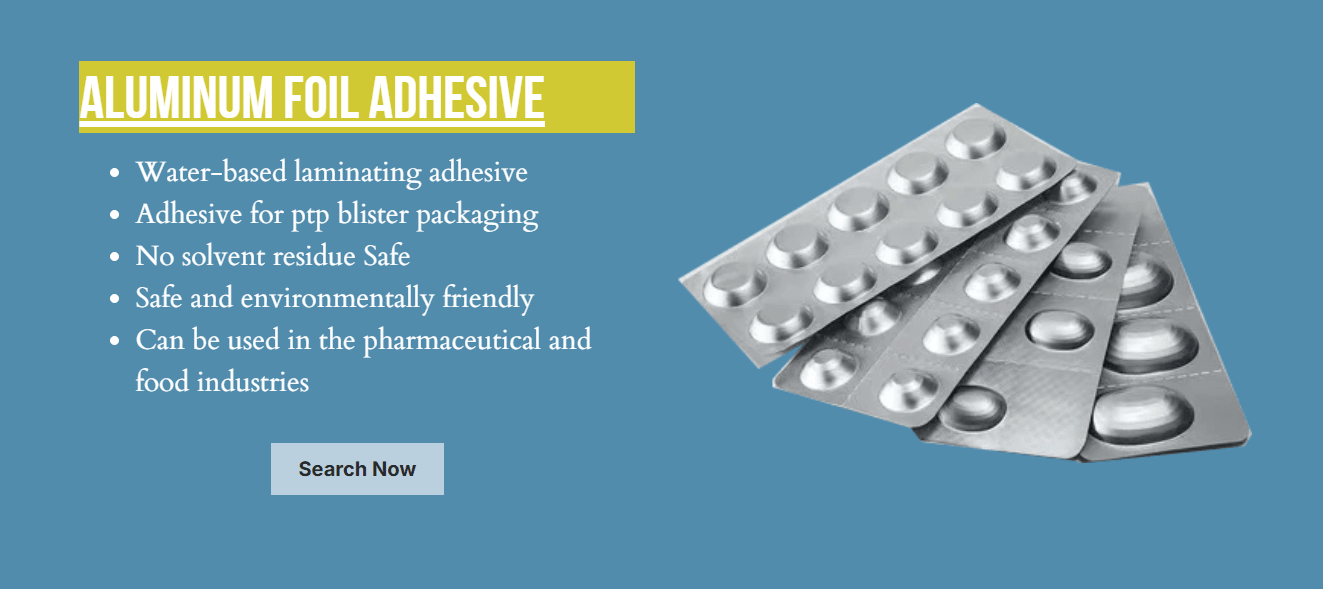
In a world where food safety is paramount, understanding food-safe adhesives becomes essential for manufacturers and consumers alike. These specialized adhesives are designed to meet strict safety standards, ensuring that they do not compromise the integrity or safety of food products. As we dive into the realm of food-safe adhesives, we'll explore what it means for an adhesive to be FDA-approved, and why this designation is crucial for anyone involved in the food industry.
Understanding Food-Safe Adhesives
Food-safe adhesives are specifically formulated to be used in applications that come into direct contact with food items. This means they must adhere to stringent regulations that govern their chemical composition and performance under various conditions. With a variety of options available, from water-based solutions to hot melts, it's important to recognize how these adhesives can affect both product quality and consumer safety.
What Does FDA-Approved Mean for Adhesives?
When we talk about FDA-approved adhesives, we're referring to products that have undergone rigorous testing and evaluation by the Food and Drug Administration (FDA). This approval signifies that the adhesive meets specific criteria regarding its safety when in contact with food substances. Understanding what “FDA-approved” means for adhesives helps manufacturers make informed choices about which products will best serve their needs while ensuring compliance with health regulations.
Importance of Choosing the Right Adhesive
Selecting the right food-safe adhesive is not just about meeting regulatory requirements; it’s also about ensuring product reliability and consumer trust. The right adhesive can enhance product performance, longevity, and even aesthetic appeal while safeguarding against contamination risks. As we look ahead to 2026, knowing how to choose the right food-safe adhesive becomes increasingly vital as new innovations emerge in this ever-evolving market.
Overview of FDA-Approved Food Contact Adhesives

These adhesives are specifically formulated to be safe for use in environments where they may come into contact with food. This means they meet strict guidelines set by the FDA, which evaluates their chemical composition and potential health impacts, making them a reliable choice for manufacturers.
Definition and Significance
FDA-approved food safe adhesives refer to bonding agents that have been evaluated and sanctioned by the U.S. Food and Drug Administration for use in food-related applications. The significance of these adhesives lies in their ability to prevent harmful substances from leaching into food products, thereby protecting consumer health. By choosing these approved options, businesses can assure customers that their products are safe and compliant with regulatory standards.
Categories of Food-Safe Adhesives
Food-safe adhesives can be categorized into several types based on their composition and intended application. Common categories include water-based adhesives, solvent-based adhesives, hot melt adhesives, and pressure-sensitive adhesives. Each category has unique properties that make them suitable for specific uses within the food industry, ensuring versatility while maintaining safety.
Common Applications and Uses
The applications of FDA-approved food contact adhesives are vast, spanning various sectors within the food industry. They are commonly used in packaging solutions such as flexible films, cartons, and labels designed for direct contact with edible products. Additionally, these adhesives play a crucial role in manufacturing equipment used in food processing plants as well as fixtures found in restaurants and other foodservice establishments, ensuring that safety is always a top priority.
Best FDA-Approved Food Contact Adhesives in 2026
In the ever-evolving landscape of food-safe adhesives, several standout options have emerged in 2026. These adhesives not only meet stringent FDA approval standards but also excel in performance and versatility across various applications. Let’s delve into some of the best FDA-approved food contact adhesives that are setting the standard for safety and efficacy.
Chemix's Water-Based Resin Solution
Chemix has made waves with its water-based resin solution, designed specifically for food contact applications. This adhesive boasts a unique formulation that is both environmentally friendly and highly effective, making it a top choice among food manufacturers looking for reliable food safe adhesives. The water-based nature of this product means it emits fewer volatile organic compounds (VOCs), aligning perfectly with modern sustainability practices while ensuring compliance with FDA regulations.
Moreover, Chemix's solution offers excellent adhesion properties across a variety of substrates, from flexible packaging materials to rigid containers. Its quick curing time allows for efficient production processes without compromising on safety or durability. For anyone wondering what does “FDA-approved” mean for adhesives, Chemix’s product embodies these principles by ensuring safety during food handling and storage.
3M's Adhesive Solutions
3M has long been synonymous with innovation, and their range of adhesive solutions is no exception when it comes to food-safe applications. Known for their exceptional bonding strength and versatility, 3M's FDA-approved adhesives cater to numerous industries within the food sector—from packaging to equipment assembly. Their portfolio includes products specifically engineered to withstand harsh processing conditions while maintaining compliance with safety standards.
One standout feature is 3M’s commitment to rigorous testing protocols that guarantee each adhesive meets or exceeds FDA requirements for direct contact with food items. Whether you're sealing packaging or assembling machinery used in food production, choosing 3M means opting for quality you can trust among the best FDA-approved food contact adhesives in 2026. As we explore how to choose the right food-safe adhesive (2026 Edition), it's clear that 3M provides options tailored to various needs without sacrificing safety or performance.
Loctite's Food-Grade Adhesives
Loctite has carved out a niche within the realm of food-grade adhesives by offering solutions that prioritize both effectiveness and regulatory compliance. Their range includes high-performance formulations suitable for diverse applications—from securing labels on packaging to bonding components in processing equipment—ensuring they are well-equipped as one of the best FDA-approved food contact adhesives available today.
What sets Loctite apart is their focus on developing products that not only meet stringent FDA guidelines but also deliver superior performance under challenging conditions, such as temperature fluctuations and humidity exposure typical in many kitchens and processing facilities. By understanding what does “FDA-approved” mean for adhesives through Loctite’s offerings, users can confidently select products knowing they adhere strictly to health standards while delivering long-lasting results.
How to Choose the Right Food-Safe Adhesive
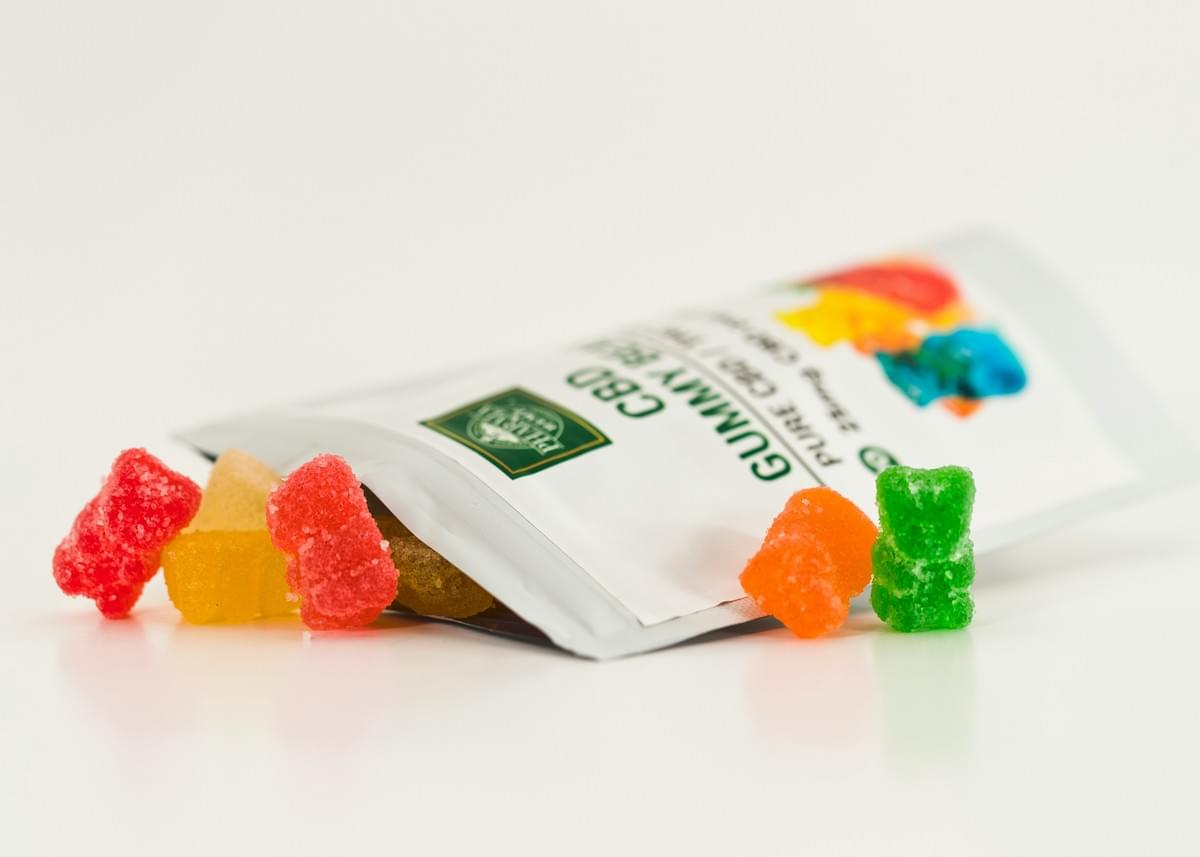
Choosing the right food-safe adhesive is crucial in ensuring compliance, performance, and sustainability in various applications within the food industry. With the increasing variety of options available, understanding how to assess these adhesives can make all the difference. In this section, we’ll break down key factors to consider when selecting your adhesive, ensuring you make informed choices that prioritize safety and effectiveness.
Assessing Compliance with FDA Standards
When it comes to food safe adhesives, compliance with FDA standards is non-negotiable. The FDA regulates materials that come into contact with food to ensure they are safe for use; thus, verifying whether an adhesive is labeled as “FDA-approved” is essential. This designation means that the adhesive has undergone rigorous testing and meets specific criteria for safety concerning food contact—providing peace of mind for manufacturers and consumers alike.
To assess compliance effectively, look for documentation or certifications from manufacturers confirming FDA approval status. Additionally, understanding what “FDA-approved” means for adhesives can help you navigate through various claims made by suppliers. Remember that just because an adhesive is marketed as safe doesn’t necessarily mean it meets all necessary standards; diligent research is key.
Evaluating Adhesive Performance and Durability
Performance and durability are critical factors when selecting your best FDA-approved food contact adhesives in 2026. An effective adhesive should not only bond securely but also withstand various environmental conditions such as temperature fluctuations or exposure to moisture—common challenges in food processing environments. Consider applications where strength and reliability are paramount; a weak bond could lead to product failure or contamination risks.
Testing performance metrics like shear strength, tensile strength, and adhesion properties will provide insight into how well a particular adhesive will hold up under real-world conditions. Also, consider the curing time: faster curing options may be beneficial for high-volume production settings but ensure they still maintain safety standards throughout their lifecycle. Ultimately, balancing performance with regulatory compliance ensures your chosen adhesive delivers both reliability and safety.
Considering Environmental Impact and Sustainability
In today’s eco-conscious world, considering the environmental impact of your chosen food-safe adhesives is becoming increasingly important—especially in light of growing consumer demand for sustainable practices within the food industry. Many manufacturers now offer eco-friendly options that not only comply with FDA regulations but also minimize harm to our planet during production and disposal processes. This consideration aligns well with global initiatives aimed at reducing waste while promoting healthier choices.
Look for adhesives made from renewable resources or those that boast low VOC (volatile organic compounds) emissions during application—these characteristics often indicate a more sustainable option without sacrificing performance or safety standards. Additionally, evaluating packaging materials used by manufacturers can provide insights into their overall commitment to sustainability practices across their product lines—including their range of food safe adhesives.
In summary, making informed choices about which food-safe adhesive to use involves assessing compliance with FDA standards while also evaluating performance metrics alongside environmental considerations—all crucial components in ensuring both safety and sustainability in your operations moving forward.
Applications in the Food Industry
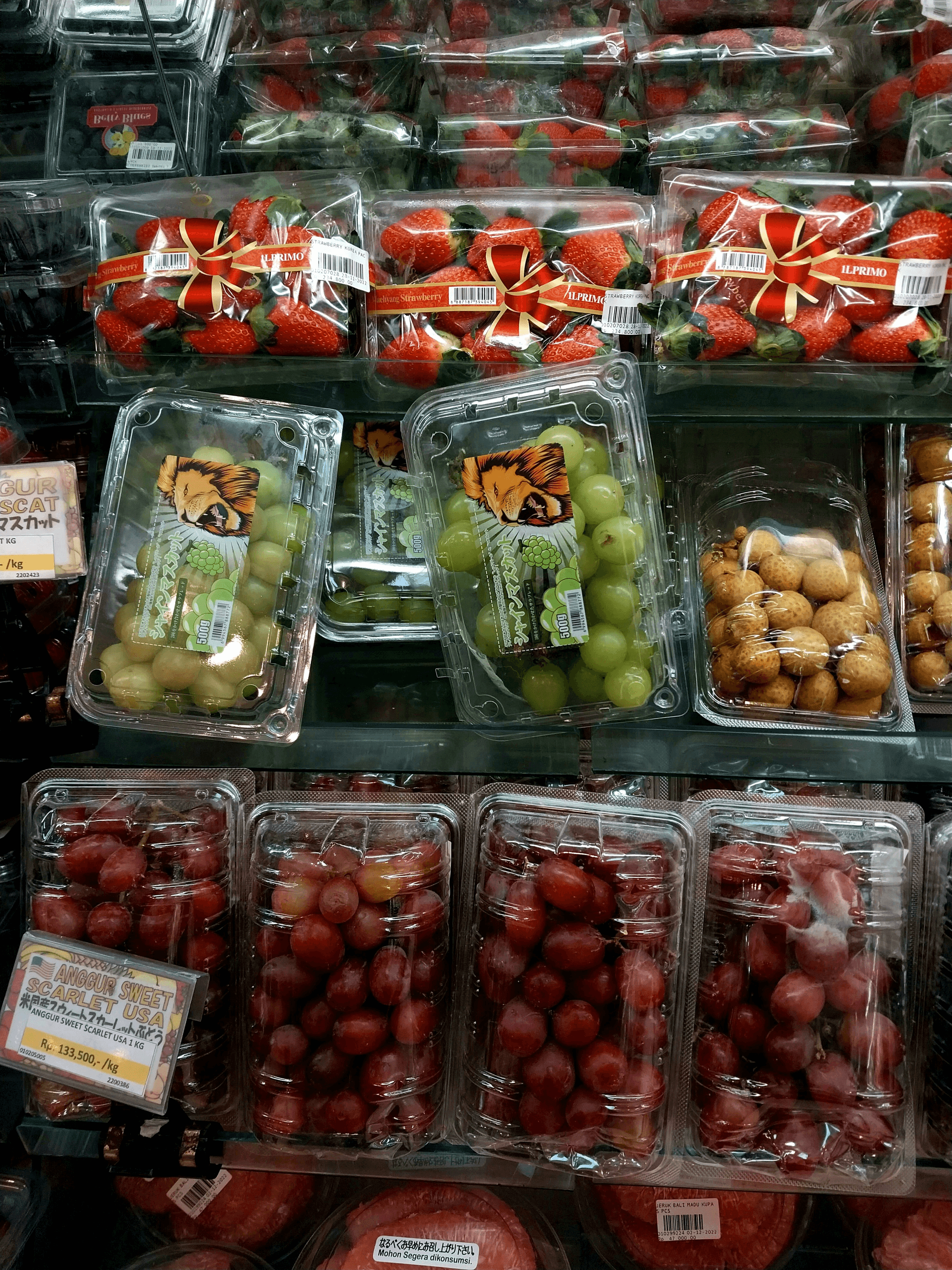
When it comes to food safety, the role of food safe adhesives is often overlooked, yet it's crucial for various sectors within the food industry. Understanding how these adhesives are applied can help businesses make informed decisions and ensure compliance with safety standards. From packaging to processing equipment and restaurant applications, FDA-approved adhesives play a vital role in maintaining food integrity.
Packaging Solutions
Food packaging is where the use of food safe adhesives shines brightly. These adhesives ensure that packaging materials securely bond without compromising the safety or quality of the food inside. With an array of options available from top brands, including some of the best FDA-approved food contact adhesives in 2026, manufacturers can choose products that not only meet regulatory standards but also enhance shelf life and product appeal.
Properly selected packaging solutions help prevent contamination and extend freshness, making them essential for both consumers and producers alike. The right adhesive must withstand various conditions such as temperature fluctuations and moisture exposure while remaining compliant with What Does “FDA-Approved” Mean for Adhesives? This ensures that no harmful substances leach into food products during storage or transportation.
In a world where sustainability is increasingly important, many companies are opting for eco-friendly options among their choices for food safe adhesives. By integrating environmentally responsible materials into their packaging processes, businesses not only comply with regulations but also cater to a growing demographic seeking greener alternatives.
Food Processing Equipment
In addition to packaging solutions, food safe adhesives are critical components in manufacturing and maintaining food processing equipment. These adhesives are used to secure parts together while ensuring they can withstand rigorous cleaning processes without degrading or contaminating products. Choosing the right adhesive here is vital; it must adhere strongly under varying temperature conditions while remaining compliant with How to Choose the Right Food-Safe Adhesive (2026 Edition).
Moreover, advancements in adhesive technology mean that today’s formulations are more durable than ever before, providing long-lasting solutions even under high-stress conditions typical in processing plants. This evolution allows businesses not only to comply with strict safety regulations but also enhances overall operational efficiency by minimizing downtime due to equipment failures.
Restaurant and Foodservice Applications
Restaurants and foodservice operations also benefit significantly from utilizing reliable food safe adhesives throughout their establishments. From securing kitchen tools and appliances to maintaining display cases and furniture fixtures, these adhesives ensure a seamless operation without compromising hygiene standards. In this environment, understanding What Does “FDA-Approved” Mean for Adhesives? becomes crucial as patrons expect nothing less than top-notch safety measures when dining out.
Many restaurants now prioritize using high-quality FDA-approved options that align with current trends toward health-conscious dining experiences—this includes everything from menu boards made with durable coatings to adhesive-backed materials used in serving areas designed for easy cleaning and maintenance. It's essential for restaurateurs looking at How to Choose the Right Food-Safe Adhesive (2026 Edition) not just consider bonding strength but also how easily these products can be cleaned without risking contamination.
Additionally, as sustainability continues gaining traction within consumer preferences, restaurants can leverage eco-friendly adhesive options that resonate well with patrons who value environmental responsibility alongside great service quality—making informed choices about which brands offer effective yet sustainable solutions all the more important.
Tips for Application and Usage
When working with food safe adhesives, proper application is crucial to ensure both safety and functionality. Understanding the nuances of surface preparation, curing times, and safety precautions can make all the difference in achieving optimal results. Here’s how to navigate these essential steps effectively.
Proper Surface Preparation
Before applying any food safe adhesive, it's imperative to prepare the surfaces thoroughly. This means cleaning them of any dust, grease, or contaminants that could interfere with adhesion.
Additionally, consider the material types involved; different surfaces may require specific cleaning methods or primers for optimal adhesion. For instance, porous materials might need a sealant before applying an adhesive to prevent absorption issues. Remember: a little prep work goes a long way in achieving durable results with your FDA-approved food contact adhesives.
Curing Times and Conditions
Once you've applied your chosen adhesive from the best FDA-approved food contact adhesives in 2026 list, it's time to focus on curing times and conditions—don’t rush this step! Each adhesive has its unique curing specifications that dictate how long it should remain undisturbed for maximum effectiveness. Factors like temperature and humidity can significantly impact curing; therefore, always refer back to the manufacturer's guidelines for optimal conditions.
In many cases, allowing extra time beyond the minimum recommended curing period can enhance bond strength further. If you're working in a high-humidity environment or lower temperatures than specified, consider extending those curing times accordingly. Patience pays off when using food safe adhesives; after all, good things come to those who wait!
Safety Precautions and Best Practices
Safety should always be at the forefront when dealing with any type of adhesive—especially those used around food products! Start by wearing appropriate personal protective equipment (PPE) such as gloves and goggles during application to avoid skin or eye irritation from chemicals present in some formulations of food-safe adhesives.
Moreover, ensure adequate ventilation while working with these products since fumes can be harmful if inhaled over extended periods—better safe than sorry! Lastly, familiarize yourself with emergency procedures related to spills or exposure; knowing what steps to take in case something goes awry will keep you prepared.
In summary, following these tips on proper surface preparation, understanding curing requirements specific to your selected product from How to Choose the Right Food-Safe Adhesive (2026 Edition), and adhering strictly to safety precautions will help you achieve success with your applications involving FDA-approved food contact adhesives.
Conclusion
In wrapping up our discussion on food safe adhesives, it's crucial to emphasize the significance of FDA approval. Understanding “What Does ‘FDA-Approved’ Mean for Adhesives?” goes beyond mere compliance; it ensures that the products we use in food applications meet stringent safety and health standards. This assurance is vital for manufacturers, consumers, and anyone involved in the food industry, as it directly impacts public health.
When evaluating the best FDA-approved food contact adhesives in 2026, several key features stand out. These top-tier adhesives not only comply with FDA regulations but also boast excellent performance characteristics such as durability, versatility, and ease of application. Whether it's Chemix's Water-Based Resin Solution or Loctite's Food-Grade Adhesives, each product is designed to withstand the rigors of food processing while ensuring safety.
Choosing the right adhesive can be daunting, but understanding how to choose the right food-safe adhesive makes it simpler. Start by assessing compliance with FDA standards to ensure safety and effectiveness in your applications. Additionally, consider factors like environmental impact and sustainability—after all, making informed choices for food safety today will lead us toward a healthier tomorrow.