
Introduction

In the world of modern materials, PET (polyethylene terephthalate) stands out due to its versatility and durability. From packaging to plastic bottles and even woven materials like sailcloth, PET is everywhere. Its widespread use in disposable medical devices, films, and wraps highlights the need for effective bonding techniques that ensure these products perform optimally.
Understanding PET and Its Uses
PET plastic is a lightweight yet robust material that offers excellent chemical resistance and clarity, making it ideal for various applications. Commonly found in packaging solutions, such as food containers and beverage bottles, it also plays a vital role in industries ranging from textiles to healthcare. Understanding how to bond PET effectively can enhance product integrity and longevity.
Importance of Effective PET Bonding
When it comes to using the best glue for PET plastic, proper bonding is crucial for maintaining structural integrity in products like packaging and medical devices. Strong bonds prevent leaks in plastic bottles or failures in critical disposable medical devices, ensuring safety and reliability. Ultimately, effective bonding not only improves performance but also contributes to sustainability by reducing waste caused by product failure.
Overview of Popular PET Bonding Techniques
There are several popular techniques for bonding PET plastics effectively, each with its own set of advantages depending on the application. From solvent-based adhesives to innovative water-based resin solutions like Chemix's offerings, choosing the right method can make all the difference in achieving a strong bond. Whether you’re working with films and wraps or durable woven materials such as sailcloth, understanding these techniques will help you select the best glue for pet plastic tailored to your needs.
What is PET and Why Bond It?

Polyethylene Terephthalate, commonly known as PET, is a versatile thermoplastic that has become a staple in various industries. Its lightweight nature, durability, and resistance to moisture make it an ideal choice for applications ranging from packaging to medical devices. Understanding the characteristics of PET is essential for anyone looking to bond this material effectively.
Characteristics of PET Plastic
PET plastic boasts remarkable clarity and strength, making it a favorite for products that require both visibility and durability. Its ability to withstand temperature changes without compromising structural integrity is another reason why it’s widely used in items like plastic bottles and films. Additionally, PET is recyclable, which aligns with today’s push for more sustainable materials in manufacturing processes.
Common Applications of PET
The versatility of PET means you’ll find it everywhere—from packaging for food and beverages to woven materials such as sailcloth used in outdoor gear. In the medical field, disposable medical devices often utilize PET due to its sterility and safety features. Films and wraps made from this material are also common in both industrial settings and everyday household use, showcasing its broad range of applications.
Benefits of Strong Bonding in PET
Achieving a strong bond with PET can significantly enhance product performance across various applications. The best glue for pet plastic not only ensures durability but also maintains the integrity of the product's design—be it a sleek bottle or intricate medical device components. Strong bonding reduces the likelihood of leaks or failures, ultimately leading to higher customer satisfaction and lower production costs.
Choosing the Best Glue for PET Plastic
When it comes to bonding PET plastic, selecting the right adhesive is crucial for achieving a strong and lasting connection. The best glue for PET plastic often depends on the specific application, whether it's for packaging, plastic bottles, or even woven materials such as sailcloth. Understanding the different types of adhesives available can help you make an informed decision that meets your project requirements.
Overview of Adhesive Types
There are several types of adhesives suitable for bonding PET plastic, each with its own unique properties and applications. Solvent-based adhesives offer strong bonds but may require careful handling due to their volatile components. On the other hand, hot melt adhesives provide quick setting times and are ideal for applications like packaging and disposable medical devices; however, they may not perform well in extreme temperatures.
Water-based adhesives are gaining popularity due to their eco-friendliness and ease of use. They work well on a variety of surfaces—including films and wraps—making them versatile choices for many projects involving PET plastics. Ultimately, knowing the best glue for PET plastic means understanding these options and how they align with your specific needs.
Chemix's Water-Based Resin Solution
Chemix has developed a water-based resin solution that stands out among other adhesive options when bonding PET plastics. This innovative formula is designed to provide exceptional adhesion while being environmentally friendly—perfect for those looking to reduce their ecological footprint while still achieving high-performance results. Whether you're working with packaging materials or intricate designs involving woven materials such as sailcloth, Chemix's solution offers reliability without compromising safety.
One of the standout features of this water-based resin is its low odor and non-toxic nature, making it an excellent choice for projects involving disposable medical devices where safety is paramount. Additionally, it provides flexibility in application methods—whether you prefer brush-on or spray techniques—ensuring that you can achieve optimal results regardless of your project scope. With Chemix's water-based resin solution in your toolkit, you'll find yourself equipped with one of the best glues for PET plastic available today.
Key Features of Effective PET Adhesives
When searching for effective adhesives specifically formulated for bonding PET plastics, several key features should be at the forefront of your decision-making process. First and foremost is adhesion strength; look for products that offer robust bonds capable of withstanding various stresses encountered in everyday use—from packaging scenarios to more demanding applications like disposable medical devices or films and wraps.
Next up is versatility; effective adhesives should work across multiple substrates beyond just PET plastics—think about how often you'll encounter different materials in projects involving woven materials such as sailcloth or other composites used in packaging solutions. Lastly, consider curing time; an adhesive that sets quickly can save valuable time during production without sacrificing bond quality—a win-win situation!
In summary, when selecting the best glue for pet plastic applications ranging from packaging to complex designs involving woven materials like sailcloth or disposable medical devices, focus on adhesion strength, versatility across substrates, and efficient curing times to ensure successful outcomes every time.
Surface Preparation for Optimal Bonding
When it comes to bonding PET plastic, surface preparation is the unsung hero of the process. A clean and well-prepped surface can significantly enhance the effectiveness of your adhesive, making it crucial for achieving a strong bond. Whether you're working with plastic bottles, woven materials such as sailcloth, or disposable medical devices, taking the time to prepare your PET surfaces properly will pay off in durability and performance.
Cleaning Techniques for PET
To start off on the right foot, cleaning your PET surfaces is essential. Use a mild detergent solution or isopropyl alcohol to remove any dust, grease, or contaminants that might interfere with adhesion. After cleaning, rinse thoroughly with water and let the surface dry completely—this step is particularly important when bonding films and wraps since any residue can compromise your bond.
For more stubborn residues like labels or adhesives from packaging materials, consider using a gentle scraper or adhesive remover specifically designed for plastics. Be cautious not to scratch or damage the PET surface during this process; a little finesse goes a long way! Once cleaned and dried, you’re ready to tackle surface roughness.
Importance of Surface Roughness
Surface roughness plays a pivotal role in how well adhesives bond with PET plastic. A slightly roughened surface increases the area available for adhesion and allows better mechanical interlocking between the glue and plastic substrate. This is especially relevant when using the best glue for PET plastic because many adhesives thrive on increased contact area.
You can achieve this roughness by lightly sanding the surface with fine-grit sandpaper or using abrasive pads designed specifically for plastics. Just remember: too much abrasion can lead to unwanted scratches that weaken your final bond! So aim for a balance where you enhance adhesion without compromising structural integrity.
Tips for Ensuring a Strong Bond
Now that you've cleaned and prepared your surfaces, it's time to ensure that everything aligns perfectly for bonding success! First off, always check compatibility between your chosen adhesive (like Chemix's water-based resin solution) and the specific type of PET you're working with—different formulations may react differently based on their chemical makeup.
Next up: apply an even layer of adhesive using an appropriate applicator tool; avoid over-saturating as this could lead to messy results! Finally, create optimal conditions during curing—maintain recommended temperature ranges and humidity levels while ensuring minimal movement until fully set; this step is vital whether you're bonding packaging materials or medical devices.
[Image description=cleaning tools including detergent bottle, cloths next to smooth PET surfaces ready for bonding; Image name=cleaning-PET-surfaces; Alt tag=best glue for pet plastic preparation techniques]
Step-by-Step PET Bonding Process

When it comes to bonding PET plastic, a well-structured approach can make all the difference. Whether you're working on packaging, plastic bottles, or even woven materials like sailcloth, following a precise bonding process ensures you achieve a strong and durable bond. Let’s dive into the nitty-gritty of applying adhesive correctly, curing times, and those all-important handling tips.
Applying the Adhesive Correctly
To start with, selecting the best glue for PET plastic is crucial. You want an adhesive that not only adheres well but is also suitable for your specific application—be it packaging or disposable medical devices. Once you have your adhesive ready, apply it evenly across the surfaces to be bonded; a thin layer is often sufficient to create a strong bond without excess ooze.
Using tools like brushes or applicators can help ensure that you cover every area adequately while avoiding air bubbles that could weaken the bond. For more complex applications like films and wraps, consider using a spray adhesive for an even coat that reaches every nook and cranny. Remember, patience pays off: take your time during this step to achieve optimal results!
Curing Times and Conditions
Curing time varies significantly depending on the type of adhesive used and environmental conditions such as temperature and humidity. Generally speaking, most adhesives will require anywhere from 30 minutes to several hours to set properly; however, some specialized products may need longer curing times for maximum strength. It’s important to consult the manufacturer’s guidelines for specific details regarding curing times when using the best glue for PET plastic.
Keep in mind that maintaining appropriate conditions during curing is vital; too much humidity or extreme temperatures can compromise bond integrity. If you're working with items like plastic bottles or packaging materials, allowing them to cure in a controlled environment will yield better results than leaving them out in unpredictable weather conditions.
Handling and Safety Tips
Safety first! When working with adhesives—especially those designed for bonding PET—it's essential to use proper protective gear such as gloves and goggles to prevent skin contact or eye irritation. Ensure your workspace is well-ventilated; inhaling fumes from certain adhesives can be harmful over time.
After applying your chosen adhesive (remembering it’s often touted as the best glue for PET plastic), handle bonded items with care until they have fully cured; this will prevent any accidental separation before achieving maximum strength. Lastly, always store leftover adhesive according to manufacturer guidelines—keeping it sealed tight can extend its shelf life considerably!
Troubleshooting Common Bonding Issues
Even the best glue for PET plastic can sometimes lead to less-than-ideal results. Understanding how to troubleshoot these issues is essential for achieving strong, durable bonds in applications ranging from packaging plastic bottles to woven materials like sailcloth. Whether you're working with disposable medical devices or films and wraps, knowing how to identify and solve problems will save you time and frustration.
Recognizing Weak Bonds
Weak bonds can manifest in various ways, such as visible gaps, peeling edges, or a lack of adhesion altogether. If you notice that your bonded surfaces are not holding up under stress or appear misaligned, it’s likely that the adhesive has failed. Inspecting the bond line closely can help determine if there are any signs of improper application or surface contamination that may have led to a weak bond.
In many cases, weak bonds result from insufficient surface preparation or using an inappropriate adhesive for the specific PET application at hand. For example, if you're trying to bond plastic bottles but used a glue not designed for PET plastics, you might encounter issues. Recognizing these signs early on allows you to take corrective action before they escalate into bigger problems.
Solutions for Common Problems
When faced with bonding challenges, there are several effective strategies you can employ. First and foremost, ensure that you've selected the best glue for PET plastic suited for your project—Chemix's water-based resin solution is often a top choice due to its excellent bonding capabilities across various applications like packaging and medical devices.
If you've identified contamination as a potential culprit of weak adhesion, thoroughly clean the surfaces again using appropriate cleaning techniques before reapplying adhesive. Additionally, consider adjusting your application technique; sometimes applying more adhesive or changing how it's applied can significantly improve bond strength.
For those who experience issues like bubbling or uneven curing times in their adhesives—common when working with films and wraps—be sure to follow manufacturer recommendations regarding curing conditions closely. Sometimes simply allowing more time for curing can resolve these issues effectively.
When to Seek Professional Help
While many bonding issues can be resolved through DIY troubleshooting techniques, there are instances where professional assistance may be necessary. If you've tried multiple solutions without success and continue encountering weak bonds in critical applications like disposable medical devices or structural components made from woven materials such as sailcloth, it might be time to consult an expert.
Professional help is particularly advisable when dealing with large-scale projects where failures could lead to significant financial loss or safety hazards. Experts possess specialized knowledge about advanced adhesives and bonding techniques tailored specifically for challenging materials like PET plastics.
Conclusion
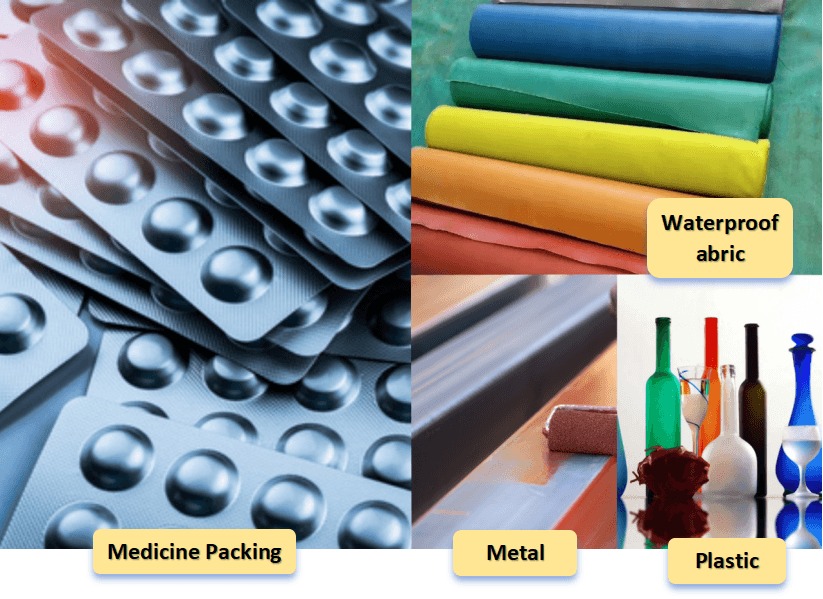
In wrapping up our exploration of PET bonding, it's clear that understanding the nuances of this versatile plastic is essential for achieving strong and durable connections. From its widespread use in packaging and plastic bottles to applications in woven materials such as sailcloth, PET's adaptability makes it a go-to choice across various industries. The right adhesive can elevate your project, ensuring that your bonds withstand the test of time and usage.
Key Takeaways on PET Bonding
PET's unique properties not only make it suitable for packaging and disposable medical devices but also challenge traditional bonding methods. Surface preparation plays a crucial role; clean and roughened surfaces lead to stronger adhesion, maximizing the effectiveness of adhesives designed specifically for PET.
Future Trends in PET Adhesives
Looking ahead, we can expect significant innovations in adhesives tailored for PET applications. As sustainability becomes more important, eco-friendly options like Chemix's water-based resin solution are gaining traction among manufacturers aiming to reduce their environmental footprint while maintaining high performance in bonding plastics. Additionally, advancements in adhesive technology will likely enhance compatibility with diverse products like films and wraps, making them even more effective across various sectors.
Final Thoughts on Sustainable Bonding Solutions
In conclusion, opting for sustainable bonding solutions not only benefits your projects but also contributes positively to our planet’s health. The search for the best glue for pet plastic should involve considering both performance and environmental impact—after all, every little bit helps! By embracing innovative adhesives designed with sustainability in mind, we can create strong bonds today while paving the way for a greener tomorrow.