
Introduction
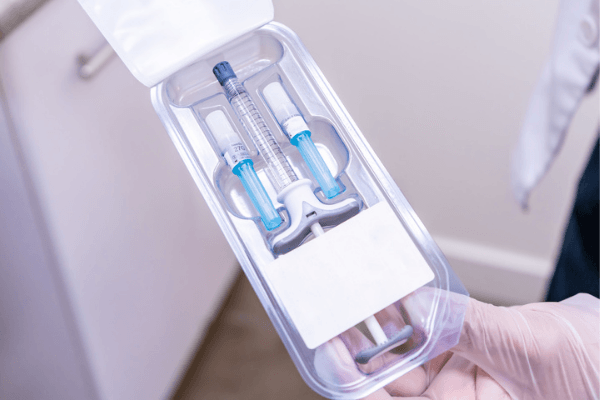
In the realm of healthcare, medical adhesives and sealants play a pivotal role in ensuring the efficacy and safety of various procedures. These adhesive medical solutions are designed to provide strong bonds, whether for wound closure or securing medical devices, making them indispensable in modern medicine. Understanding the nuances of these products is essential for healthcare professionals who rely on them daily.
Understanding Medical Adhesives and Sealants
Medical adhesives and sealants encompass a wide range of products used to bond tissues or secure devices within the human body. From surgical applications to everyday wound care, these materials must meet stringent safety standards to ensure patient well-being. The right adhesive glue can significantly impact healing times and overall treatment outcomes, underscoring their importance in clinical settings.
Importance of Adhesive Medical Solutions
The significance of adhesive medical solutions cannot be overstated; they enhance patient care by providing reliable methods for tissue bonding and device attachment. By using advanced technologies, manufacturers develop innovative sealant glue that adheres quickly while remaining biocompatible with human tissue. This combination not only promotes faster recovery but also reduces the risk of complications associated with traditional sutures or staples.
Overview of Key Types: Epoxies and Polyurethanes
Among the various types of medical adhesives and sealants, epoxies and polyurethanes stand out due to their unique properties and applications. Epoxy adhesives are known for their exceptional strength and durability, making them ideal for demanding environments in healthcare settings. On the other hand, polyurethane adhesives offer flexibility and versatility, catering to a wide array of medical devices and equipment needs.
What Are Epoxies?
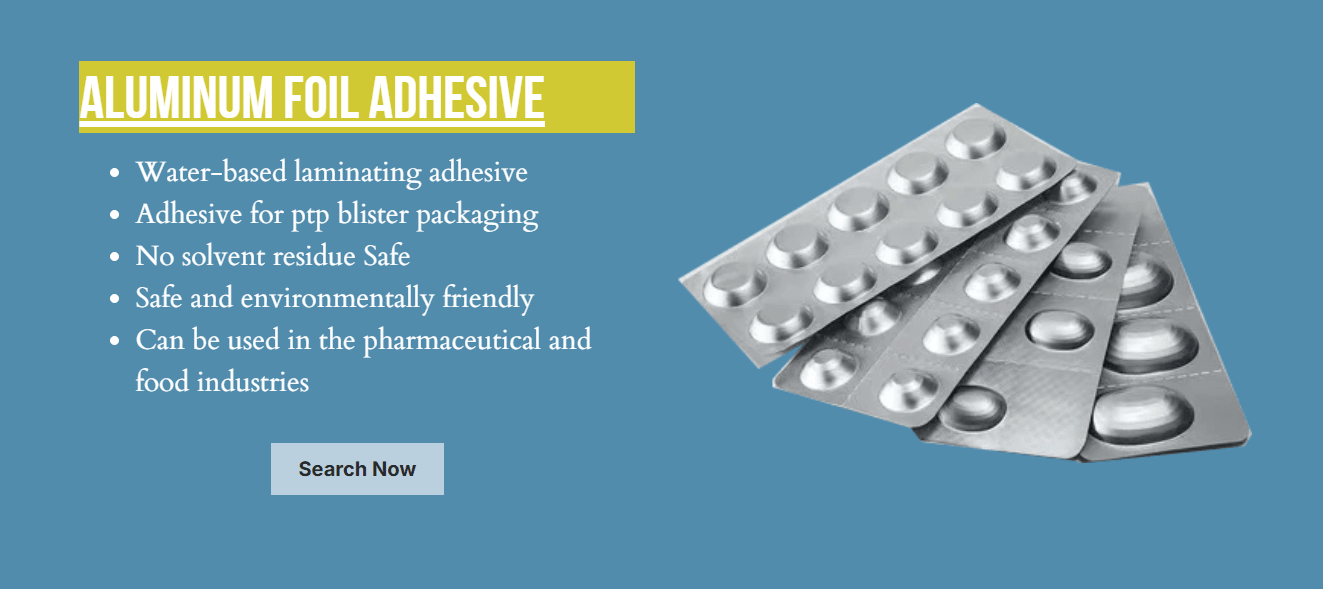
Epoxies are a class of medical adhesives and sealants that have gained significant traction in the healthcare sector due to their robust bonding capabilities and versatility. These adhesive glues consist of a resin and a hardener that, when mixed, create a durable bond that can withstand various environmental factors. The unique chemical properties of epoxies make them ideal for applications requiring strong adhesion, resistance to moisture, and stability under stress.
Characteristics of Epoxy Adhesives
Epoxy adhesives are known for their impressive strength and durability, making them a go-to choice in the realm of medical glue. They exhibit excellent resistance to chemicals, heat, and moisture, which is crucial in maintaining integrity in sterile environments. Additionally, epoxy bond glue can cure at room temperature or be accelerated with heat, allowing for flexibility in application processes.
One standout feature of epoxy adhesives is their low shrinkage during curing, which ensures that the bond remains intact without compromising the materials being joined together. This characteristic is particularly important when dealing with delicate medical devices where precision is key. Furthermore, epoxies can be formulated to achieve specific performance characteristics tailored to various medical applications.
Common Applications in Healthcare
In the healthcare industry, epoxy medical adhesives find use across numerous applications due to their reliability and effectiveness as sealant glue. They are commonly employed in assembling surgical instruments, bonding prosthetics, and even sealing components within diagnostic equipment. The strong adhesive properties ensure that these critical devices maintain structural integrity under operational conditions.
Moreover, epoxy adhesives play an essential role in creating waterproof seals for wound dressings and other medical supplies where hygiene is paramount. Their ability to form bonds with different materials—such as metals, plastics, and ceramics—makes them versatile choices for diverse healthcare settings. As innovations continue within adhesive medical solutions like epoxies, new applications are emerging regularly.
Leading Brands in Epoxy Medical Adhesives
Several brands have established themselves as leaders in providing high-quality epoxy medical adhesives tailored specifically for healthcare needs. Companies like 3M offer an extensive range of adhesive solutions that meet stringent FDA sealant regulations while ensuring safety and efficacy for end-users. Other notable brands include Loctite and Permabond; both provide specialized formulations designed for various applications within the medical field.
These leading brands invest heavily in research and development to enhance their product offerings continually while ensuring compliance with safety standards set by regulatory bodies like the FDA. As hospitals and clinics increasingly turn toward advanced adhesive technologies for improved patient outcomes, these brands remain at the forefront of innovation within the realm of medical adhesives and sealants.
Polyurethanes: A Versatile Option
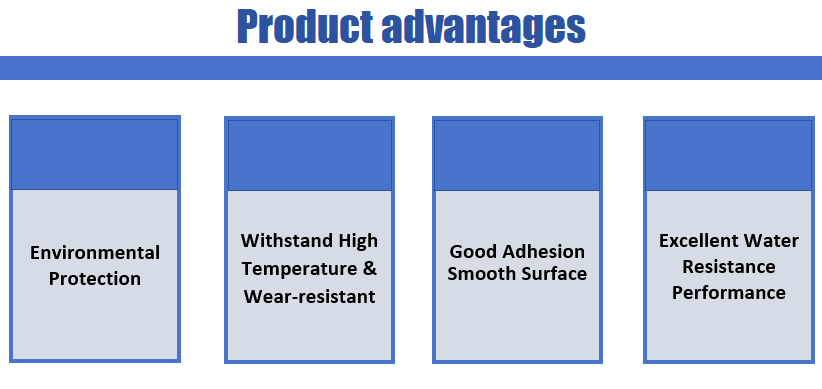
Polyurethane adhesives have emerged as a go-to choice in the realm of medical adhesives and sealants, thanks to their remarkable versatility and performance. These adhesive glues are known for their excellent flexibility, durability, and resistance to various environmental factors. As a result, they are widely used in numerous applications within the medical field, making them an essential component of modern healthcare solutions.
Benefits of Polyurethane Adhesives
One of the standout benefits of polyurethane adhesives is their exceptional bonding strength. This bond glue can adhere to a wide variety of substrates, including plastics and metals commonly found in medical devices. Additionally, polyurethane sealants exhibit outstanding resistance to moisture and chemicals, which is crucial for maintaining the integrity of medical applications over time.
Another significant advantage is their elasticity; polyurethane adhesives can stretch without breaking, allowing them to accommodate movements in dynamic environments like joints or skin during surgical procedures. This flexibility not only enhances patient comfort but also helps ensure that the adhesive medical solutions remain intact under stress. Furthermore, these adhesives often cure at room temperature without requiring additional heat or pressure, simplifying application processes across various medical settings.
Usage in Medical Devices and Equipment
Polyurethane adhesives play a vital role in manufacturing diverse medical devices and equipment due to their robust properties. From wound dressings to prosthetic limbs, these adhesive glues provide reliable bonding solutions that enhance product performance and longevity. Their use extends to areas such as catheters and surgical instruments where strong seals are necessary for safety and efficacy.
In addition to traditional applications, polyurethane sealant glue is increasingly utilized in advanced technologies like wearable health monitors or drug delivery systems. The adaptability of these materials allows manufacturers to innovate continually while ensuring compliance with stringent regulations set forth by organizations like the FDA regarding sealants used in healthcare products. As a result, polyurethane adhesives have become indispensable for creating reliable medical solutions that prioritize patient safety.
Popular Polyurethane Sealant Glue Products
Several leading brands offer high-quality polyurethane sealant glue products tailored specifically for the medical industry’s unique demands. Notable examples include 3M's line of adhesive medical solutions that combine superior adhesion with biocompatibility features essential for safe skin contact during prolonged use. Similarly, Loctite’s range offers versatile options designed explicitly for bonding dissimilar materials found in various medical devices.
Another popular choice among manufacturers is Dow's silicone-polyurethane hybrid adhesives that provide both flexibility and strength while meeting rigorous FDA standards for safety and effectiveness in healthcare applications. These innovative products demonstrate how advancements in bond glue technology continue to evolve within the sector while enhancing overall patient care outcomes through improved device reliability.
Comparing Epoxies and Polyurethanes
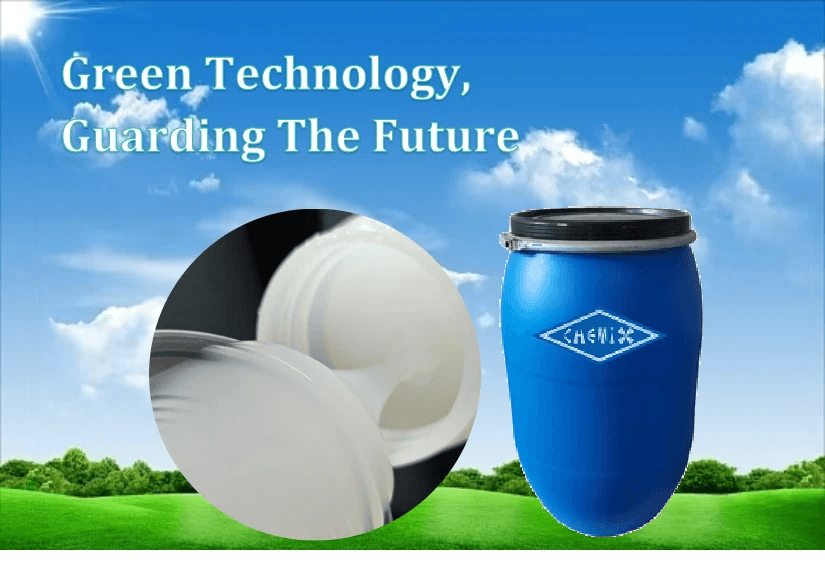
When it comes to medical adhesives and sealants, choosing between epoxies and polyurethanes can be a pivotal decision for healthcare professionals. Each offers unique advantages that cater to specific applications in medical settings. Understanding their differences is essential for selecting the most effective adhesive glue for various medical needs.
Key Differences in Performance
Epoxy adhesives are renowned for their exceptional strength and durability, making them ideal for applications requiring rigid bonds. They cure through a chemical reaction, resulting in a robust bond glue that withstands high temperatures and harsh environments. In contrast, polyurethane adhesives offer flexibility and elasticity, making them well-suited for applications where movement or stress is anticipated, such as in medical devices that experience regular wear.
Another key performance difference lies in their curing times; epoxies typically cure faster than polyurethanes but may require precise mixing ratios to achieve optimal results. Polyurethane adhesives, while slower to set, can adapt better to varying surfaces due to their ability to form strong bonds with different materials. Ultimately, the choice between these two types of adhesive medical solutions hinges on the specific requirements of the application at hand.
Cost-Effectiveness and Longevity
Cost-effectiveness is another crucial factor when comparing epoxy and polyurethane medical sealants. While epoxy adhesives may have a higher upfront cost due to their premium properties, they often result in longer-lasting bonds that reduce the need for frequent repairs or replacements over time. This longevity can translate into significant cost savings in high-volume healthcare settings where efficiency is paramount.
On the other hand, polyurethane sealant glue tends to be more affordable initially but may require more frequent maintenance or replacement due to its less rigid nature compared to epoxies. Therefore, while evaluating cost-effectiveness, it’s essential not only to consider initial pricing but also the total lifecycle costs associated with each adhesive type. This holistic view ensures that healthcare providers choose an option that provides both economic value and performance reliability.
Selection Criteria for Medical Applications
Selecting the right adhesive glue involves considering several criteria tailored specifically for medical applications. First and foremost is understanding the intended use: whether it’s bonding devices or sealing surgical wounds will significantly influence your choice between epoxies and polyurethanes. Additionally, factors such as biocompatibility are critical; any adhesive used must comply with FDA regulations ensuring safety for patient contact.
Another important aspect is environmental resistance—epoxy adhesives excel in conditions requiring heat or moisture resistance while polyurethanes shine when flexibility under stress is needed. The ease of application also plays a role; some adhesive medical products come pre-mixed while others require careful preparation which could impact workflow efficiency during procedures. By weighing these selection criteria carefully against specific application needs, healthcare professionals can make informed decisions regarding which type of bond glue will serve them best.
Specialty Medical Adhesives and Their Uses
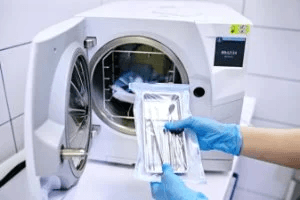
In the realm of healthcare, specialty medical adhesives and sealants play a crucial role in enhancing patient outcomes and improving procedural efficiency. These advanced formulations are tailored to meet specific needs, ensuring that medical glue provides optimal performance for diverse applications. Understanding the various types of adhesive glue available can help healthcare professionals make informed choices when selecting the right product for their needs.
Understanding Medical Glue Variants
Medical glue variants come in an array of formulations designed for specific applications, each with unique properties and benefits. For instance, cyanoacrylate-based adhesives are known for their rapid bonding capabilities, making them ideal for wound closure without sutures. Meanwhile, bioadhesives derived from natural sources offer biocompatibility and are often used in surgeries where tissue adhesion is critical.
The diversity in medical adhesives and sealants means that healthcare providers have options tailored to various procedures, from skin closure to internal organ repairs. Additionally, some adhesive medical solutions are designed to be resorbable or biodegradable, which can eliminate the need for removal after healing. Understanding these variants is essential as they directly impact patient safety and recovery times.
Role of Adhesive Glue in Surgical Procedures
Adhesive glue has revolutionized surgical procedures by providing alternatives to traditional methods such as sutures and staples. In many cases, using a medical sealant can reduce procedure time while minimizing trauma to surrounding tissues. This is particularly beneficial in minimally invasive surgeries where precision is paramount.
Furthermore, adhesive glues serve not only as closures but also as barriers against infection by sealing wounds effectively and preventing contaminants from entering the surgical site. The use of FDA sealant-approved products ensures that healthcare professionals utilize safe materials that comply with rigorous standards for patient care. Overall, adhesive glue enhances surgical outcomes by promoting faster healing while providing reliable adhesion.
Innovations in Bond Glue Technologies
The field of bond glue technologies is witnessing rapid innovations aimed at improving efficacy and safety in medical applications. Recent advancements include the development of smart adhesives that respond dynamically to environmental changes such as temperature or pH levels within the body. These cutting-edge technologies enhance performance by ensuring stronger bonds under varying conditions.
Additionally, researchers are exploring new polymer blends that increase flexibility while maintaining strength—ideal characteristics for adhesives used on moving parts like joints or skin areas subject to tension. Such innovations not only improve functionality but also contribute to better patient experiences by reducing discomfort during recovery phases associated with more rigid materials.
As manufacturers continue pushing boundaries with new formulations and technologies, specialty medical adhesives will likely evolve further—providing even more effective solutions tailored specifically for complex medical challenges faced today.
The Rise of Chemix's Water-Based Resin Solution
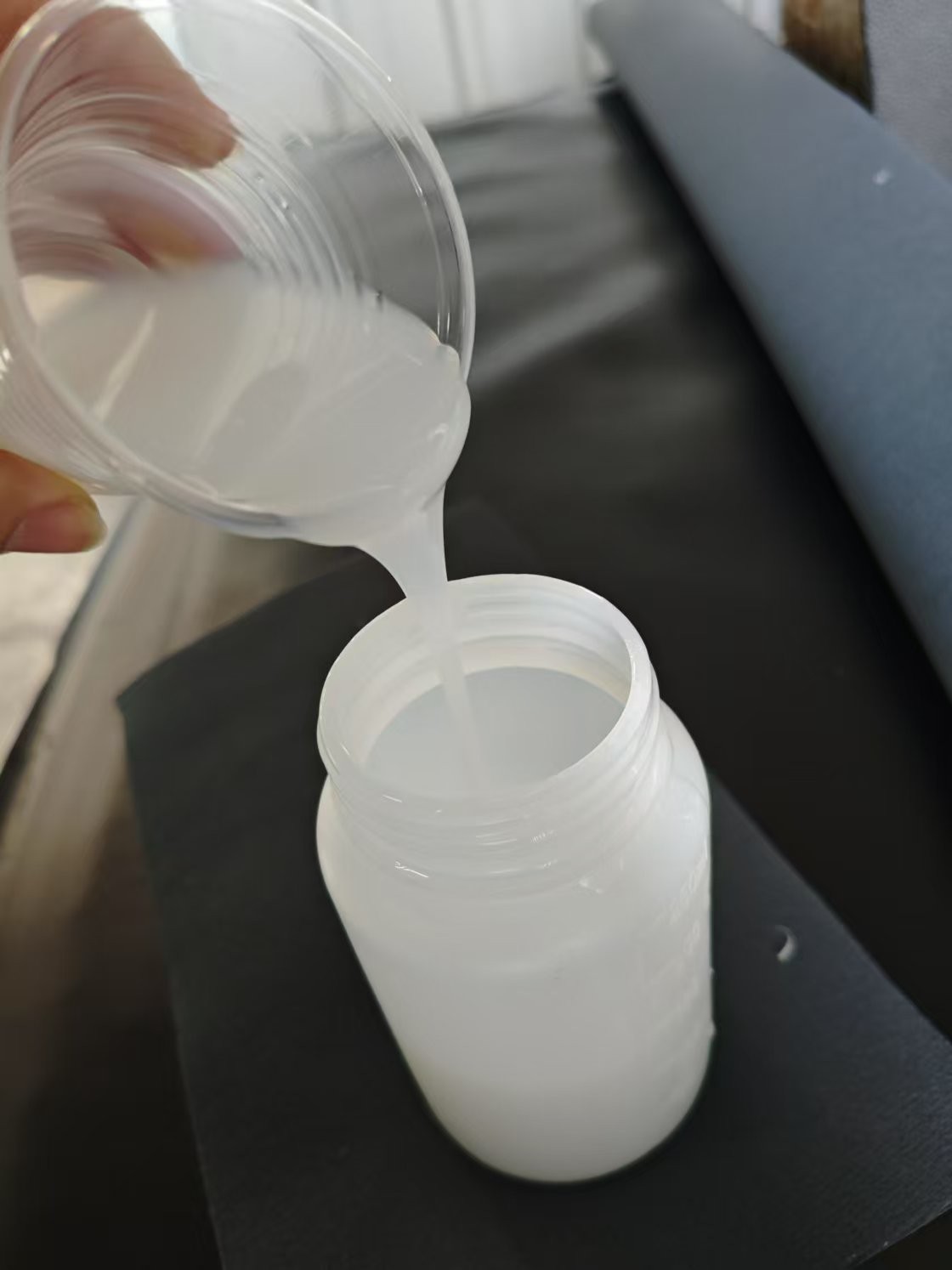
In the ever-evolving world of medical adhesives and sealants, Chemix's water-based resin solution is making waves for its innovative approach to bonding in healthcare settings. This cutting-edge adhesive glue not only meets stringent safety standards but also offers unique advantages that enhance its application in various medical scenarios. With a focus on sustainability and effectiveness, this water-based option is quickly becoming a preferred choice among healthcare professionals.
Advantages of Water-Based Resin in Medicine
One of the standout advantages of water-based resin solutions is their exceptional biocompatibility, which makes them ideal for use in medical applications where patient safety is paramount. Unlike traditional adhesive medical options that may contain harmful solvents, Chemix's formulation minimizes irritation and allergic reactions, providing peace of mind for both practitioners and patients. Furthermore, these adhesives offer strong bonding capabilities comparable to conventional bond glue while maintaining flexibility—crucial for applications involving movement or stress.
Additionally, water-based resins dry quickly and can be easily cleaned with just soap and water, streamlining the application process in busy healthcare environments. Their versatility allows them to be used across a wide range of medical devices—from surgical instruments to wound dressings—making them an invaluable asset in modern medicine. As hospitals increasingly prioritize patient comfort and safety, the adoption of such advanced adhesive solutions seems inevitable.
Environmental Benefits and Safety Features
Chemix’s water-based resin solution stands out not only for its performance but also for its environmental benefits—a crucial consideration in today’s eco-conscious society. By eliminating harsh chemicals typically found in traditional adhesives, this sealant glue reduces harmful emissions during production and application processes. Consequently, using these eco-friendly options aligns with global efforts to minimize waste and promote sustainability within the healthcare industry.
Moreover, the safety features inherent to water-based resins cannot be overlooked; they are less likely to cause respiratory issues or skin irritations than their solvent-based counterparts. This aspect significantly enhances workplace safety for healthcare providers who frequently handle these materials during procedures or device assembly. The FDA sealant approval further underscores the reliability of these products as safe choices that meet rigorous health standards.
Applications in Coatings, Adhesives, and Textiles
The versatility of Chemix's water-based resin extends beyond traditional medical glue applications; it finds utility across coatings, adhesives, and textiles as well—demonstrating its broad spectrum potential within various sectors of medicine. In coatings, this resin can provide protective layers on surgical instruments or equipment surfaces while ensuring ease of cleaning between uses—a critical factor for maintaining sterile environments.
In terms of textiles, these adhesives can be applied to create breathable yet secure bonds on medical garments or wound dressings that require flexibility without sacrificing strength—perfectly marrying comfort with functionality. As more manufacturers recognize the benefits offered by this innovative adhesive technology, we can expect an increase in its adoption across diverse applications within the realm of medical adhesives and sealants.
Conclusion
In the ever-evolving landscape of healthcare, medical adhesives and sealants are becoming indispensable tools for both practitioners and patients alike. As technology advances, the future of these adhesive medical solutions looks promising, with innovations paving the way for enhanced performance and safety. With a focus on biocompatibility and ease of use, we can expect to see a broader range of applications for bond glue in various medical settings.
The Future of Medical Adhesives and Sealants
The future of medical adhesives and sealants is bright, driven by ongoing research into new materials and formulations. Innovations like Chemix's water-based resin solution exemplify how environmentally friendly options are emerging alongside traditional adhesives. As healthcare providers continue to prioritize patient safety, we can anticipate an increase in demand for FDA sealant products that meet rigorous standards without compromising efficacy.
Choosing the Right Adhesive Medical Solutions
Selecting the right adhesive medical solutions involves understanding specific needs based on application type, material compatibility, and regulatory compliance. Factors such as cure time, flexibility, and strength should guide choices between epoxy or polyurethane options when considering medical glue or adhesive glue products. Ultimately, making informed decisions ensures that healthcare professionals can rely on effective bond glue that enhances patient outcomes while adhering to safety protocols.
Ensuring Safety and Compliance with FDA Sealants
Safety is paramount when it comes to using medical sealant products in clinical environments; thus ensuring compliance with FDA regulations is crucial. The use of approved sealant glue not only protects patients but also reinforces trust in healthcare systems as they adopt advanced adhesive technologies. By prioritizing quality through FDA-approved options, practitioners can confidently utilize medical adhesives and sealants that align with best practices in patient care.