
Introduction
In the world of electronics, the importance of PCB adhesives cannot be overstated. These specialized adhesive glues play a pivotal role in ensuring the integrity and performance of printed circuit boards (PCBs). With a variety of options available, understanding the nuances between metal glue, plastic adhesive glue, and other types is essential for achieving optimal results.
Understanding PCB Adhesives
PCB adhesives are designed to bond various components securely while withstanding environmental stresses such as heat and moisture. They come in different formulations, including epoxy and silicone, each catering to specific applications and materials. Knowing how these adhesives work can significantly impact the longevity and reliability of electronic devices.
Importance of Choosing the Right Adhesive
Selecting the right adhesive glue for your PCB is crucial; it can make or break your project’s success. The wrong choice might lead to weak bonds that fail under pressure or extreme conditions. Whether you need robust metal adhesive glue for heavy-duty applications or versatile plastic to plastic adhesive for lighter tasks, making an informed decision ensures durability and performance.
Overview of Applications and Best Practices
PCB adhesives have a wide range of applications across various industries—from consumer electronics to automotive manufacturing. Best practices include proper surface preparation and application techniques that enhance bonding strength while minimizing issues like bubbling or uneven adhesion. By following these guidelines, you can maximize the effectiveness of your chosen adhesive glue, ensuring a long-lasting bond for your PCBs.
Types of PCB Adhesives

Different applications require different adhesives, and knowing the characteristics of each type can help you make an informed choice. In this section, we will explore epoxy and silicone adhesives, metal glue for robust applications, and plastic adhesive glue for versatility.
Epoxy vs. Silicone Adhesives
Epoxy adhesives are renowned in the world of PCB assembly for their exceptional strength and durability. They cure to form a rigid bond that can withstand high temperatures and harsh environments, making them ideal for electronic components that demand reliability. On the other hand, silicone adhesives offer flexibility and resistance to moisture, which can be beneficial in applications where thermal expansion or vibration is a concern.
While epoxy is often favored for its superior bonding capabilities in demanding conditions, silicone adhesive glue shines when flexibility is needed without sacrificing adhesion quality. Both types have their unique advantages; choosing between them depends largely on your specific application requirements. Ultimately, understanding these differences will help you select the most appropriate pcb adhesive for your project.
Metal Glue for Robust Applications
This type of metal adhesive glue is specifically formulated to bond metals effectively while maintaining structural integrity under stress or extreme conditions. Whether you're working on automotive components or industrial machinery, using a suitable metal adhesive ensures durability and longevity.
The key benefit of using metal glue lies in its ability to create a permanent bond that resists heat and moisture—essential traits for any high-performance application involving metals. Additionally, many formulations come with added features such as corrosion resistance or enhanced conductivity, making them versatile choices across various industries. When you need uncompromising strength in your projects, opting for a reliable metal adhesive glue is undoubtedly wise.
Plastic Adhesive Glue for Versatility
Plastic adhesive glue offers remarkable versatility across numerous applications due to its ability to bond various plastic materials effectively—think of it as the jack-of-all-trades in the world of adhesives! This type of adhesive excels at creating strong connections between different types of plastics while remaining flexible enough to accommodate movement without cracking or breaking apart over time. For those working with plastic-to-plastic assemblies or repairs, this kind of pcb adhesive becomes indispensable.
One major advantage of using plastic adhesive glue is its compatibility with various substrates; whether you're dealing with polycarbonate or PVC, there’s likely an appropriate formulation available that fits your needs perfectly! Furthermore, modern advancements have led to eco-friendly options that do not compromise on performance while being kinder to our planet—a win-win situation! So if versatility and adaptability are what you're after in your projects involving plastics, look no further than high-quality plastic-to-plastic adhesive solutions.
Application Techniques for PCB Adhesives
Whether you’re working with metal glue or plastic adhesive glue, proper methods can make all the difference in ensuring a strong bond. Let's dive into the essential steps that will elevate your adhesive game and maximize performance.
Surface Preparation Essentials
Before applying any type of adhesive glue, surface preparation is non-negotiable. Cleanliness is key; dust, grease, and contaminants can sabotage even the best metal adhesive glue or plastic to plastic adhesive bonds. Use isopropyl alcohol or a specialized cleaner to ensure surfaces are spotless and ready for bonding.
Once cleaned, consider roughening the surfaces slightly with sandpaper or a file; this helps improve adhesion by increasing surface area for the PCB adhesive to grip onto. For metal surfaces, ensure they are free from oxidation as well—this can be a dealbreaker when using metal glue. Remember, a well-prepared surface sets the stage for success!
Precise Application Methods
Now that your surfaces are prepped like a pro, it’s time to focus on how you apply that precious PCB adhesive! Depending on your project’s requirements—be it intricate electronics or robust structures—choose an application method that suits best: dispensing syringes for precision or brushes for larger areas work wonders.
When dealing with metal adhesive glue, apply it evenly and avoid over-saturating; excess can lead to messy results and weak bonds. With plastic adhesive glue, aim for thin layers; multiple applications may be necessary but will yield better results than one thick layer. Precision in application not only enhances bonding but also reduces waste—every drop counts!
Ensuring Proper Bonding
After applying your chosen adhesive glue, ensuring proper bonding is paramount to achieving durability and longevity in your projects. For effective bonding with metal glues, allow adequate curing time as specified by the manufacturer; patience pays off here! In contrast, when using plastic to plastic adhesives, consider clamping parts together during curing if possible—this helps maintain pressure and alignment.
Monitoring environmental conditions such as temperature and humidity can also impact bonding strength; ideally aim for controlled settings where possible while curing occurs. After curing completes, perform a simple test by gently trying to separate bonded pieces—if they hold firm without much effort, congratulations—you’ve nailed it! Always remember: thorough preparation and careful application lead to reliable results when working with any type of PCB adhesives.
Comparing Metal and Plastic Adhesive Glues

When it comes to selecting the right adhesive for your PCB projects, understanding the differences between metal and plastic adhesive glues is crucial. Each type of adhesive offers unique benefits that cater to specific applications, and knowing these distinctions can help you make informed decisions. This section will delve into the advantages of metal adhesive glue, considerations for choosing plastic to plastic adhesive, and the performance differences between these two categories.
Benefits of Metal Adhesive Glue
Metal glue, or metal adhesive glue, stands out for its exceptional strength and durability in demanding environments. These adhesives are designed to withstand high temperatures and harsh conditions, making them ideal for heavy-duty applications where reliability is non-negotiable. Additionally, metal adhesives often provide superior bonding capabilities on various surfaces which can enhance the overall performance of your PCB assemblies.
Another advantage is their resistance to environmental factors such as moisture and chemicals, which can be detrimental to other types of adhesives. This makes metal glue an excellent choice for outdoor or industrial settings where exposure to such elements is a concern. In summary, if you're looking for a robust solution that guarantees longevity in challenging conditions, opting for a quality metal adhesive glue could be your best bet.
Choosing Plastic to Plastic Adhesive
When dealing with plastic components on PCBs, selecting the right plastic adhesive glue is essential for ensuring effective bonding without compromising material integrity. Plastic to plastic adhesive options are specifically formulated to create strong bonds between different types of plastics while maintaining flexibility where needed. This versatility makes them suitable not only for electronics but also for various other applications across industries.
It's important to consider compatibility when choosing a plastic-to-plastic adhesive; different plastics may require specific formulations for optimal results. Many modern plastic adhesives also offer fast curing times and ease of application—making them user-friendly choices even in complex assembly processes. Ultimately, investing time in selecting the correct plastic adhesive glue can lead to better product performance and longevity.
Performance Differences and Considerations
The performance differences between metal and plastic adhesive glues often come down to application requirements and environmental conditions they will face post-application. Metal adhesives generally outperform their plastic counterparts when it comes to structural integrity under stress; however, they may not be suitable for delicate electronic components due to their rigidity once cured. On the other hand, while plastic adhesives offer flexibility that can absorb shocks without cracking or breaking apart, they may not hold up as well under extreme temperatures or chemical exposure.
Moreover, drying times can vary significantly; metal glues might take longer due to their composition while some advanced plastic adhesives cure quickly—ideal when time is critical during production processes. Therefore, weighing these factors against your project needs will help determine whether you should go with a sturdy metal glue or an adaptable plastic-to-plastic solution.
Chemix's Water-Based Resin Solution

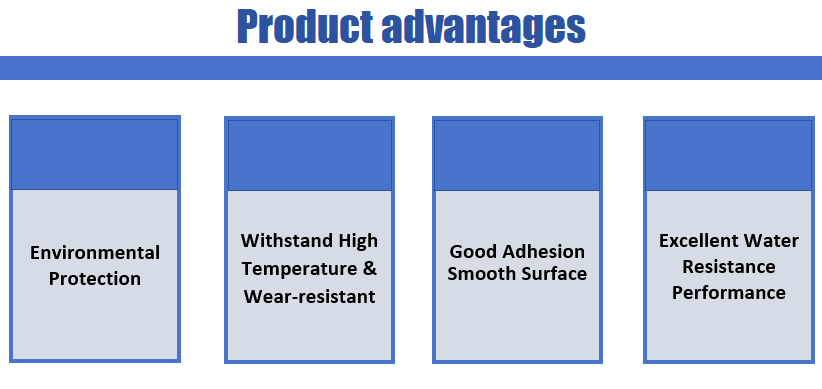
In the world of PCB manufacturing, finding an adhesive that balances performance with environmental responsibility is no small feat. Chemix’s water-based resin solution offers a refreshing alternative to traditional adhesives, making it a standout choice for those looking to minimize their ecological footprint while maintaining strong bonds. This innovative adhesive not only meets the demands of various applications but also aligns with modern sustainability goals.
Eco-Friendly Adhesive Alternatives
As industries increasingly prioritize sustainability, eco-friendly adhesive alternatives like Chemix's water-based resins are gaining traction in the market. Unlike traditional metal glue or plastic adhesive glue, which may contain harmful solvents, these water-based options are formulated to be less toxic and more environmentally friendly. Choosing such alternatives not only supports green initiatives but also ensures compliance with stringent regulations regarding hazardous materials in PCB production.
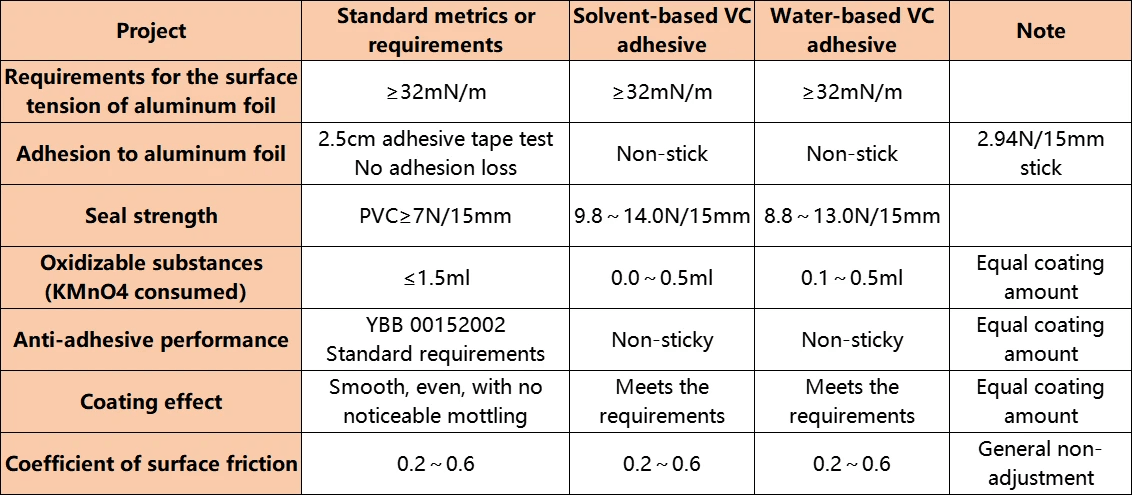
The shift towards eco-friendly solutions doesn't compromise performance; in fact, many users find that these adhesives provide exceptional bonding capabilities comparable to standard metal adhesive glue or plastic to plastic adhesive options. By selecting water-based resin adhesives, manufacturers can enhance their reputation as responsible producers while still achieving high-quality results in their PCB assemblies.
Properties of Water-Based Resins
Water-based resins are known for their impressive properties that make them suitable for a variety of applications within the PCB industry. One significant advantage is their low viscosity, allowing for precise application without sacrificing strength—ideal for intricate designs where precision is key. Additionally, these resins exhibit excellent adhesion qualities on both metal and plastic surfaces, making them versatile choices for projects requiring metal glue or plastic adhesive glue.
Moreover, Chemix's formulation includes features such as quick curing times and resistance to heat and moisture—essential characteristics when dealing with electronic components that generate heat or are exposed to varying environmental conditions. These properties ensure long-lasting bonds that stand up against wear and tear while providing peace of mind regarding durability and reliability.
Applications Across Industries
Chemix’s water-based resin solutions have found applications across various industries beyond just PCBs—proving its versatility as an effective adhesive glue option in diverse settings. From automotive manufacturing using robust metal adhesive glue to consumer electronics requiring reliable plastic to plastic adhesive bonds, this solution adapts seamlessly across different materials and contexts.
In addition to electronics and automotive sectors, industries such as construction and furniture manufacturing have also embraced water-based resins due to their strong bonding capabilities combined with eco-friendly profiles. This broad applicability highlights how versatile these adhesives can be while promoting sustainable practices across multiple fields—a win-win scenario for manufacturers looking to innovate responsibly.
Best Practices for Using PCB Adhesives
Proper handling and application of metal glue, plastic adhesive glue, or any adhesive glue are crucial for ensuring durability and performance. Below are some essential tips to help you navigate the world of PCB adhesives like a pro.
Storage and Shelf Life Management
Proper storage is key to maintaining the effectiveness of your PCB adhesive. Most adhesives, including metal adhesive glue and plastic to plastic adhesive options, have specific temperature ranges that should be adhered to in order to preserve their chemical integrity. Always check the manufacturer's guidelines; improper storage can lead to decreased performance or even render the adhesive unusable before its shelf life is over.
Additionally, keep your adhesives in tightly sealed containers to prevent exposure to moisture or contaminants that could compromise their bonding abilities. For those using water-based resins or other eco-friendly options, note that these often have shorter shelf lives than traditional solvents but can offer superior performance when stored correctly. Regularly inspect your inventory of adhesive glue for any signs of degradation; if it looks thickened or discolored, it's time for a replacement.
Safety Measures During Application
Safety should always be a top priority when working with PCB adhesives, especially with stronger formulations like metal glue which may contain harsh chemicals. Always wear appropriate personal protective equipment (PPE) such as gloves and goggles during application to avoid skin irritation or eye damage from splashes. Ensure adequate ventilation in your workspace; many adhesives emit fumes that can be harmful if inhaled over prolonged periods.
Understanding the specific safety data sheets (SDS) for each type of adhesive glue you use is also crucial—this will provide important information on handling spills or accidental exposure. If you're applying plastic adhesive glue or metal adhesive glue, take extra care with tools and surfaces: clean up any spills immediately to prevent slipping hazards or unwanted bonding on unintended surfaces.
Troubleshooting Common Adhesive Issues
Even seasoned professionals encounter challenges when using PCB adhesives; knowing how to troubleshoot common issues can save you time and resources down the line. One frequent problem is inadequate bonding strength—this might occur due to insufficient surface preparation before applying your metal or plastic adhesive glue. Ensuring that surfaces are clean, dry, and free from oils will significantly improve adhesion quality.
Another common issue arises from incorrect curing times; if an adhesive hasn't fully cured before stress is applied, it may fail prematurely—always refer back to manufacturer guidelines for optimal curing conditions specific to each type of adhesive used in your projects. Lastly, if you've experienced bubbling or uneven application with plastic-to-plastic adhesives, consider adjusting your application technique; sometimes switching from brush-on methods to precision applicators can yield better results.
Conclusion
In the world of electronics, understanding the nuances of PCB adhesive options is crucial for ensuring durability and performance. From metal glue to plastic adhesive glue, each type serves a unique purpose and can significantly impact the functionality of your circuit boards. Selecting the right adhesive glue not only enhances bond strength but also ensures that your applications withstand environmental stresses.
Key Takeaways on PCB Adhesive Options
Metal glue excels in robust environments where high strength is required, while plastic adhesive glue offers versatility for lighter applications. Ultimately, understanding these distinctions will help you make informed decisions that enhance your projects' longevity and reliability.
Future Trends in Adhesive Technologies
The landscape of adhesive technologies is constantly evolving, with innovations aimed at improving both performance and environmental sustainability. Water-based resins are gaining traction as eco-friendly alternatives to traditional adhesives like metal or plastic glues, appealing to industries focused on reducing their carbon footprint. As manufacturers explore new materials and formulations, we can expect advancements that will further optimize adhesion properties while minimizing health risks associated with chemical exposure.
Maximizing Performance with Best Practices
To ensure optimal performance from your chosen PCB adhesive, adhering to best practices is non-negotiable. This includes proper surface preparation and precise application methods tailored to either metal or plastic substrates—whether you're using metal adhesive glue or a versatile plastic to plastic adhesive solution. Additionally, managing storage conditions and being aware of safety measures during application can prevent common issues that might compromise bond integrity.