
Introduction
In the realm of electric motors, the choice of adhesive can significantly impact performance and longevity. Electric motor magnet adhesive plays a crucial role in ensuring that components remain securely bonded under varying conditions. Understanding the nuances of adhesives and sealants is essential for anyone involved in motor assembly or repair.
Understanding Electric Motor Magnet Adhesive
Electric motor magnet adhesive is specifically formulated to bond magnets within electric motors, providing stability and reliability during operation. These adhesives are designed to withstand high temperatures and resist mechanical stress, making them ideal for demanding applications. By using the right magnet adhesives, manufacturers can enhance efficiency and reduce maintenance needs.
Importance of Selecting the Right Adhesive
Choosing the appropriate adhesive is not merely a matter of convenience; it is vital for ensuring optimal performance and safety in electric motors. The wrong selection can lead to failures that may compromise functionality or even cause catastrophic breakdowns. Therefore, understanding different types such as high heat adhesives or contact adhesives becomes paramount in making informed decisions.
Overview of Adhesives and Sealants
Adhesives and sealants come in various forms, each tailored for specific applications within electric motor assemblies. From industrial adhesives capable of withstanding extreme conditions to versatile sealants that provide additional protection against moisture, knowing your options is key. This overview will set the stage for exploring how these materials contribute to effective bonding solutions in electric motors.
What is Electric Motor Magnet Adhesive
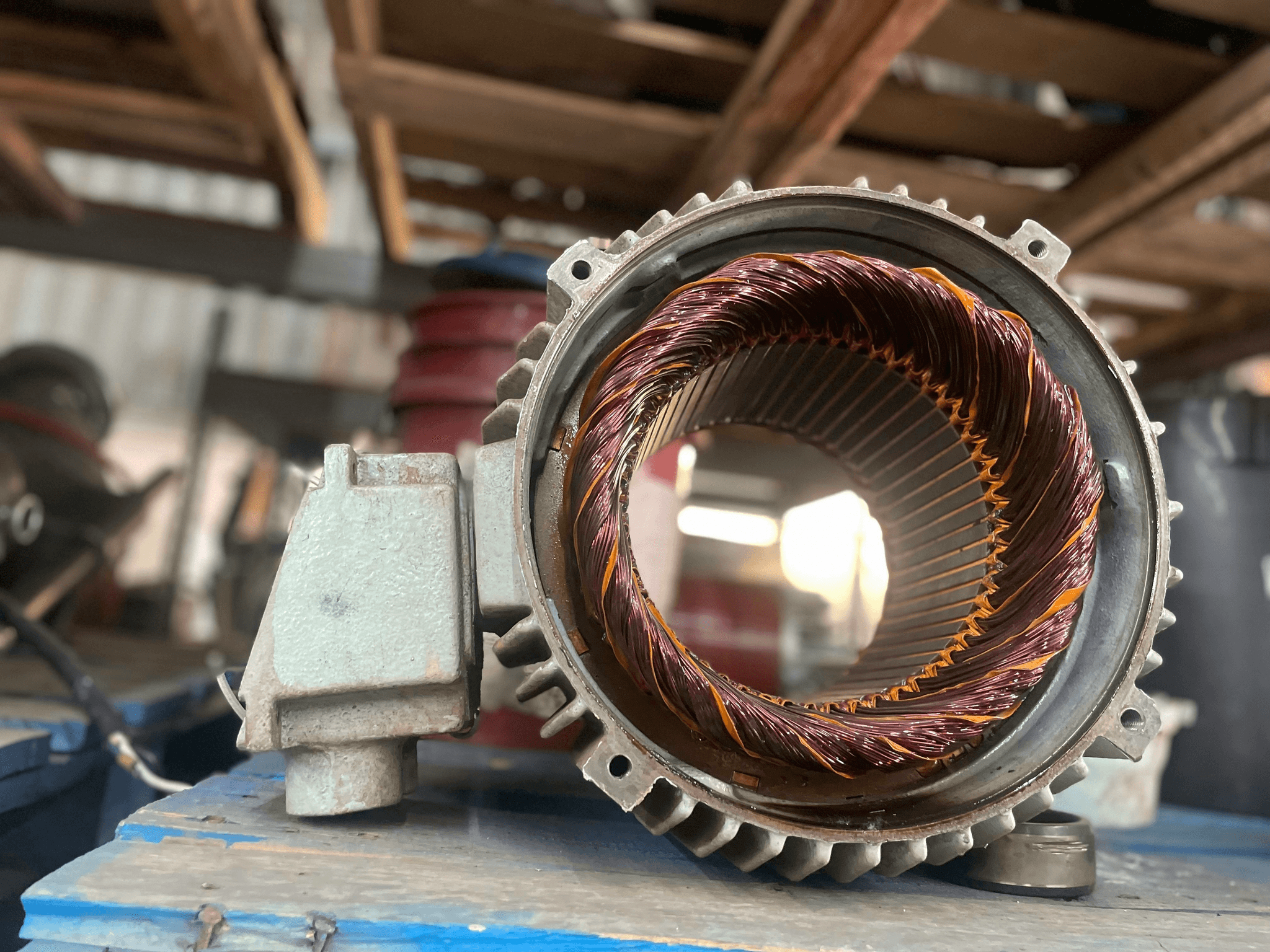
When it comes to assembling electric motors, the choice of adhesive can make or break the performance of the device. Enter electric motor magnet adhesive—specifically designed to bond magnets within electric motor assemblies securely. These adhesives and sealants are engineered to withstand the demanding conditions that motors face, ensuring longevity and reliability.
Definition and Key Features
Electric motor magnet adhesive is a specialized bonding agent formulated for attaching magnets in electric motors. Its key features include high resistance to heat and vibration, excellent adhesion to various substrates, and durability under extreme conditions. Unlike standard adhesives, these magnet adhesives are tailored for optimal performance in environments where traditional options may falter.
Common Applications in Electric Motors
You’ll find electric motor magnet adhesive at work in a multitude of applications within the realm of electric motors. From securing rotor magnets in brushless DC motors to bonding stator components, these adhesives play a crucial role in ensuring efficient operation. Additionally, they are commonly used in hybrid vehicles, power tools, and home appliances where reliable magnetic bonds are essential.
Advantages Over Other Adhesives
One of the standout advantages of using electric motor magnet adhesive over other types like industrial adhesives or contact adhesives is its superior heat resistance. This means that even when subjected to high temperatures generated by motor operation, these adhesives maintain their integrity without breaking down. Furthermore, they offer excellent shear strength compared to standard sealants & adhesives—making them ideal for high-performance applications where reliability is non-negotiable.
Types of Adhesives for Electric Motors
When it comes to assembling electric motors, the choice of adhesives and sealants can make or break the performance and longevity of the device. Various types of adhesives are available, each tailored for specific applications within electric motors. Understanding these options, including high heat adhesives and contact adhesives, is crucial for ensuring a reliable bond that withstands operational stresses.
High Heat Adhesives and Their Benefits
High heat adhesives are specially formulated to endure extreme temperatures often encountered in electric motor applications. These adhesives maintain their strength and adhesion properties even when exposed to consistent high heat, making them ideal for components like windings and stators. By utilizing high heat adhesives, manufacturers can ensure that their electric motor magnet adhesive remains intact under challenging conditions, contributing to enhanced durability and performance.
In addition to their thermal stability, high heat adhesives also offer exceptional resistance to chemicals and moisture. This versatility allows them to perform well in various environments where other adhesive options might falter. As a result, selecting a high heat adhesive not only provides reliability but also extends the lifespan of critical motor components.
Contact Adhesives: When to Use Them
Contact adhesives are another popular choice in the realm of electric motors due to their quick bonding capabilities and ease of application. These sealants & adhesives work by applying a thin layer on both surfaces; once they come into contact with each other, an immediate bond forms that provides strong adhesion almost instantly. This feature makes contact adhesives particularly useful in situations where time is of the essence or where large areas need bonding quickly.
However, it's essential to consider the specific requirements of your project when choosing contact adhesives as not all formulations are designed for high-temperature environments typical in electric motors. While they're great for many applications, ensuring compatibility with materials used in your electric motor assembly is key for optimal performance. In essence, if you need speed without sacrificing bond strength, contact adhesives may be your best bet.
Comparing Magnet Adhesives and Industrial Adhesives
When comparing magnet adhesives with industrial adhesive options, it's vital to understand their distinct functionalities tailored for electric motors' unique needs. Magnet adhesives specifically cater to bonding magnets securely within motor assemblies while providing resistance against thermal cycling—an essential feature given the operational demands faced by these components during use. On the other hand, industrial adhesive solutions may serve broader applications but might lack specialized properties required for effective magnet bonding.
Moreover, while industrial adhesiveness generally excels at providing robust connections across various materials—including metals and plastics—it may not always deliver the same level of precision or temperature resistance as dedicated magnet adhesive products do. Therefore, selecting between these two types hinges on understanding whether you prioritize specialized bonding capabilities or versatility across different materials in your projects involving electric motors. Ultimately, choosing wisely ensures optimal performance from your assembly while avoiding costly repairs down the line.
Choosing the Right Adhesive
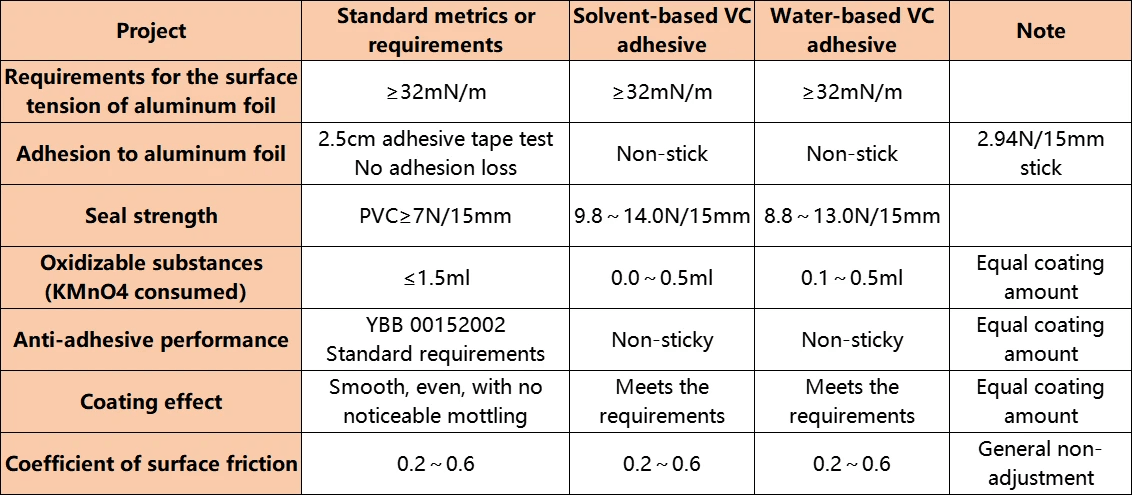
Selecting the right adhesive for electric motors is crucial for ensuring durability and performance. With a plethora of options available, such as high heat adhesives and contact adhesives, it’s essential to understand how each type can meet specific needs in electric motor applications. This section will guide you through key considerations to help you make an informed choice.
Factors to Consider for Durability
When choosing an electric motor magnet adhesive, durability is paramount. Look for adhesives that can withstand the operational stresses of electric motors, including temperature fluctuations and vibrations. High heat adhesives are particularly beneficial in environments where motors may experience elevated temperatures, ensuring that bonds remain intact over time.
Another factor to consider is the adhesive's resistance to chemicals and moisture, which can degrade weaker formulations. Industrial adhesives often provide superior protection against environmental factors compared to standard options. By prioritizing durability in your selection process, you can enhance the longevity of your electric motor assemblies.
Compatibility with Different Materials
Compatibility is another critical aspect when selecting sealants and adhesives for electric motors. Many components within a motor are made from diverse materials such as metals, plastics, or composites; thus, finding an adhesive that bonds effectively with all these materials is vital. Magnet adhesives specifically designed for electrical applications often exhibit excellent adhesion properties across various substrates.
Additionally, consider whether the adhesive will interact negatively with any materials involved in the assembly process. For instance, some contact adhesives may not bond well with certain plastic types or could even cause damage over time if not chosen carefully. Ensuring compatibility not only improves bond strength but also prevents costly repairs down the line.
Recommended Adhesives and Sealants for Motors
For optimal performance in electric motors, several recommended sealants & adhesives stand out in the market today. First on the list are high heat adhesives designed specifically for automotive and industrial applications; these provide robust bonding under extreme conditions while maintaining flexibility where needed.
Contact adhesives are another great option when quick bonding is required without extensive clamping times—perfect for assembly line efficiency! Finally, specialized magnet adhesives formulated to endure electrical loads ensure that components stay securely bonded throughout their lifespan.
In summary, choosing the right adhesive involves considering factors like durability and material compatibility while also exploring specific recommendations tailored to your needs—ensuring your electric motor operates smoothly without hiccups.
Chemix's Water-Based Resin Solution

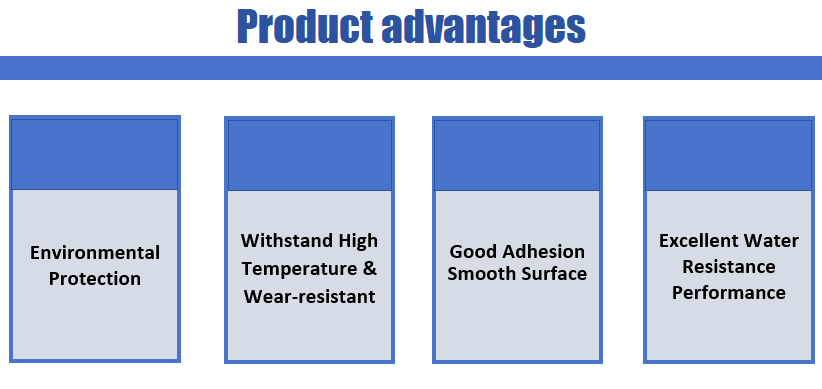
In the realm of electric motor magnet adhesive technology, Chemix’s water-based resin solution stands out as a game-changer. This innovative adhesive combines high performance with user-friendly features, making it a top choice for manufacturers and DIY enthusiasts alike. With its unique formulation, it addresses the specific bonding needs of electric motors while ensuring ease of application.
Overview of Water-Based Resin Benefits
Water-based resins offer numerous benefits that make them ideal for use in electric motor applications. Firstly, they provide excellent adhesion properties, particularly when bonding magnets to various substrates in electric motors. Additionally, these adhesives and sealants are often low in volatile organic compounds (VOCs), which means they can deliver strong bonds without compromising indoor air quality or safety.
Moreover, water-based resins exhibit impressive flexibility and resistance to thermal expansion, which is crucial for high heat adhesives used in demanding environments. Their versatility allows them to bond different materials effectively—be it metal or plastic—making them an invaluable tool in the assembly of electric motors. When compared to traditional industrial adhesives, water-based options from Chemix can also simplify cleanup processes due to their water-soluble nature.
Sustainability and Environmental Impact
One of the standout features of Chemix's water-based resin solution is its commitment to sustainability and minimizing environmental impact. Unlike many contact adhesives that contain harmful solvents, this eco-friendly option reduces harmful emissions during application and curing processes. This not only benefits the environment but also promotes a healthier workplace for those involved in manufacturing.
By choosing this type of adhesive over more conventional options, companies can significantly lower their carbon footprint while still achieving robust performance results with their electric motor assemblies. Additionally, the recyclable packaging used by Chemix further emphasizes their dedication to sustainable practices within the adhesive industry. As consumers become increasingly environmentally conscious, opting for sustainable sealants & adhesives like these could enhance brand reputation and customer loyalty.
Ideal Applications in Electric Motor Assemblies
Chemix's water-based resin solution is ideally suited for various applications within electric motor assemblies where reliability is paramount. From securing rotor magnets to stator components to ensuring seamless bonding between different materials used in motor construction, this adhesive excels across multiple scenarios. Its exceptional heat resistance makes it particularly effective for high heat adhesives needed in motors that operate under extreme conditions.
Furthermore, its compatibility with both metals and plastics makes it an excellent choice for diverse assembly requirements found in modern electric motors—from small appliances to large industrial machines. By utilizing this innovative magnet adhesive solution from Chemix, manufacturers can ensure enhanced durability and longevity of their products while maintaining optimal performance standards throughout their operational lifespan.
Application Tips for Electric Motor Adhesives

When it comes to ensuring a robust bond in electric motor applications, the right techniques can make all the difference. Proper surface preparation, curing methods, and avoiding common pitfalls are essential steps in maximizing the effectiveness of your electric motor magnet adhesive. Let’s dive into these critical aspects to help you achieve optimal results with your adhesives and sealants.
Preparing Surfaces for Strong Bonds
Surface preparation is vital when working with electric motor magnet adhesive. Cleanliness is key; any dirt, grease, or moisture can compromise adhesion and lead to premature failure. Use appropriate solvents or cleaners to ensure surfaces are free from contaminants before applying sealants & adhesives.
Additionally, roughening surfaces can enhance bonding by increasing the area for adhesion. For instance, lightly sanding metal parts or using abrasive pads on plastic components can significantly improve the performance of high heat adhesives. Remember that a well-prepared surface sets the stage for a long-lasting bond that withstands operational stresses.
Proper Curing Techniques
Curing is not just waiting around; it’s a crucial phase where your electric motor magnet adhesive transforms into a strong bond. Follow the manufacturer's recommended curing time and temperature closely for optimal results; this ensures that your contact adhesives or industrial adhesive reach their full strength. Factors like humidity and ambient temperature can also affect curing times, so be mindful of these conditions during application.
Using clamps or weights during curing can help maintain pressure on bonded surfaces, enhancing adhesion further. If you're using high heat adhesives, ensure they are cured at temperatures suitable for their formulation—this will prevent any mishaps down the line when your motors start running hot!
Common Mistakes to Avoid
Even seasoned pros can stumble over common mistakes when applying magnet adhesives in electric motors! One frequent blunder is rushing through surface preparation—skipping this step often leads to weak bonds that fail under stress. Another pitfall is misreading instructions; always double-check mixing ratios and application methods for your selected sealants & adhesives.
Moreover, don’t underestimate the importance of patience during curing! Prematurely handling parts before they have fully cured can lead to misalignment or complete bond failure—definitely not what you want in an electric motor setup! By avoiding these errors, you'll ensure that your projects run smoothly from start to finish.
Conclusion
In summary, understanding electric motor magnet adhesive is crucial for anyone involved in the assembly or repair of electric motors. The right adhesives and sealants can significantly enhance the performance and longevity of these components. By choosing the appropriate adhesive type—whether high heat adhesives, contact adhesives, or industrial adhesives—you can ensure optimal results tailored to your specific applications.
Key Takeaways on Electric Motor Adhesives
Electric motor magnet adhesive plays a vital role in ensuring that magnets are securely attached within motors, which directly impacts efficiency and durability. It's essential to recognize that not all adhesives are created equal; each type has its unique properties suited for different conditions. Whether you opt for high heat adhesives for extreme temperatures or contact adhesives for quick bonding, selecting the right product is paramount.
Recommendations for Effective Adhesive Use
To maximize the effectiveness of sealants & adhesives in electric motor applications, proper surface preparation is key; clean surfaces will facilitate stronger bonds. Additionally, following recommended curing techniques ensures that the adhesive reaches its full strength before stress is applied. Avoid common mistakes like applying too much adhesive or neglecting compatibility with materials—these missteps can lead to failures down the line.
Future Trends in Adhesive Technologies
Looking ahead, advancements in adhesive technologies promise exciting developments in the realm of electric motor applications. Innovations such as eco-friendly options and enhanced formulations that improve performance under extreme conditions are on the horizon. As industries continue to prioritize sustainability and efficiency, we can expect a growing emphasis on water-based solutions and other environmentally friendly alternatives in sealants & adhesives.