
Introduction

In the world of manufacturing, adhesive resins play a pivotal role in creating strong and durable bonds between various materials. Whether it’s in construction, automotive, or consumer goods, the right bond adhesive can make all the difference in product performance and longevity. Understanding the nuances of adhesive resins not only enhances manufacturing adhesives but also ensures that end products meet quality standards while remaining efficient.
Importance of Adhesive Resins in Bonding
Adhesive resins are essential for ensuring that materials stick together effectively and reliably. They provide a level of versatility that mechanical fasteners often cannot match, allowing for seamless designs and enhanced aesthetic appeal in finished products. The significance of these bonding agents is evident across industries where liquid adhesives are increasingly favored for their ease of application and strong adhesion properties.
Understanding Different Types of Adhesive Resins
There’s a wide variety of adhesive resins available on the market today, ranging from natural to synthetic options, each tailored for specific applications. Natural adhesive materials often derive from renewable sources like plants, while synthetic variants are engineered for enhanced performance under diverse conditions. By understanding these differences, manufacturers can select the ideal coating and adhesive combination to achieve optimal results.
Key Properties that Influence Performance
When it comes to choosing an adhesive resin, several key properties dictate its effectiveness—viscosity, cure time, and bond strength being among them. Viscosity directly affects how liquid adhesives flow during application; a higher viscosity may lead to difficulties in spreading evenly across surfaces. Additionally, factors like cure time determine how quickly an adhesive reaches its full strength—critical in fast-paced manufacturing environments where efficiency is paramount.
Composition of Adhesive Resins

Understanding the composition of adhesive resins is crucial for anyone involved in the bonding industry. The choice between natural and synthetic adhesive resins can significantly impact the performance and application of bond adhesives. Additionally, the intricate processes involved in polymerization and adhesive material interaction play vital roles in determining the effectiveness of these materials.
Natural vs. Synthetic Adhesive Resins
Natural adhesive resins, derived from plant or animal sources, have been used for centuries and are known for their eco-friendly properties. These adhesives often provide excellent adhesion and are biodegradable, making them a favorite among environmentally conscious manufacturers. On the other hand, synthetic adhesive resins are engineered to offer superior strength and durability, often outperforming their natural counterparts in demanding applications.
Synthetic adhesives can be tailored to meet specific requirements through various chemical formulations, allowing manufacturers to create high-performance liquid adhesives that excel in diverse environments. While natural adhesive resins may be limited in application due to their sensitivity to moisture and temperature changes, synthetic options provide a wider range of performance characteristics suitable for various coating and adhesive needs. Ultimately, the choice between natural and synthetic depends on factors such as environmental considerations, desired bond strength, and application specifics.
The Role of Polymerization
Polymerization is a critical process that transforms small molecules into large macromolecules known as polymers—essentially what gives us our beloved adhesive resins! This transformation affects not only the viscosity but also the overall performance of bond adhesives. By controlling polymerization conditions such as temperature and catalyst presence, manufacturers can tailor liquid adhesives to achieve specific properties like flexibility or hardness.
In manufacturing adhesives, understanding how different types of polymerization (addition vs. condensation) influence resin behavior is essential for creating effective bonding solutions. For instance, addition polymerization typically results in stronger bonds due to its ability to create long-chain polymers that enhance adhesion strength over time. As a result, mastering polymerization techniques allows manufacturers to produce customized coatings that meet varied industrial demands while ensuring optimal performance.
Adhesive Material Interaction
The interaction between different adhesive materials is an often-overlooked aspect that can make or break a bond! When two surfaces come together with an adhesive resin applied between them, several factors—including surface energy and texture—determine how well they will adhere over time. Understanding these interactions helps manufacturers optimize their formulations for specific applications by selecting compatible materials that enhance bond strength.
For example, when using liquid adhesives on porous surfaces versus non-porous surfaces like metals or plastics, it’s crucial to consider how each material interacts with the resin during curing processes. This knowledge enables producers to adjust their formulations accordingly—whether by altering viscosity for better flow or modifying cure times based on material composition—to ensure optimal bonding outcomes across diverse applications in both commercial and industrial settings. In conclusion, mastering adhesive material interaction is key for developing effective coating and adhesive solutions that stand up against real-world challenges.
Viscosity and Flow Characteristics
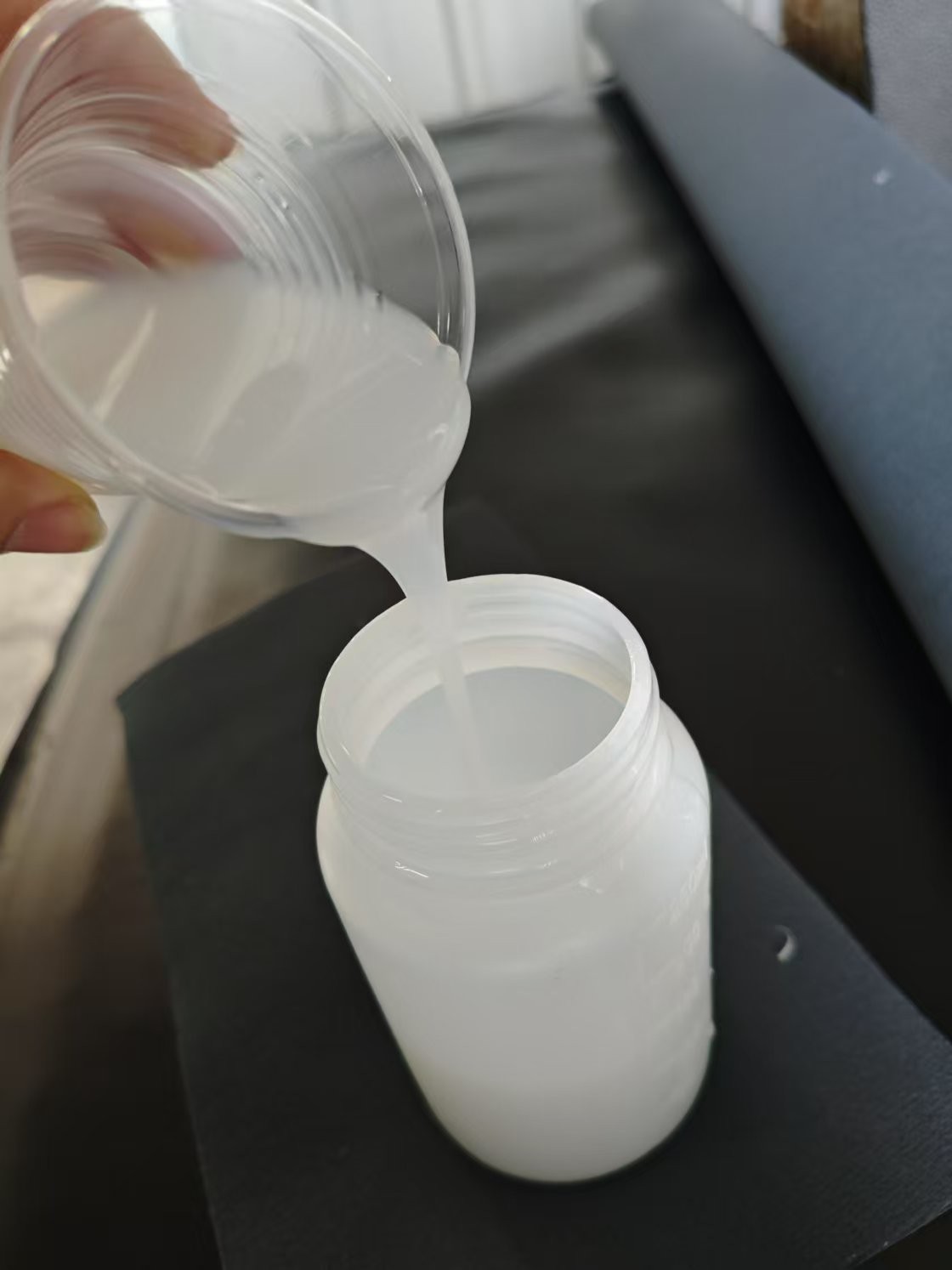
Viscosity and flow characteristics are crucial when discussing adhesive resins, especially liquid adhesives. The ability of an adhesive to flow and fill gaps between surfaces can significantly influence the effectiveness of the bond adhesive. Understanding these properties helps manufacturers tailor their products for specific applications, ensuring optimal performance.
Significance of Liquid Adhesives
Liquid adhesives play a vital role in various industries due to their versatility and ease of application. Unlike solid adhesives, liquid formulations can penetrate intricate surfaces and create a more uniform bond adhesive across different materials. This characteristic is particularly important in manufacturing adhesives where precision is key; it allows for better adhesion even in challenging environments.
How Viscosity Affects Bonding
Viscosity directly impacts how an adhesive material behaves during application and curing processes. High-viscosity adhesives may not flow adequately into tight spaces, leading to poor bonding outcomes, while low-viscosity options might spread too thinly, compromising strength. Finding the right balance is essential; understanding viscosity helps manufacturers design adhesive resins that meet specific bonding requirements without sacrificing performance.
Adjusting Flow for Different Applications
Adjusting the flow characteristics of adhesive resins is critical for achieving desired results in various applications, from woodworking to automotive assembly. Manufacturers often modify viscosity by altering formulation components or using additives to enhance performance based on specific needs; this customization ensures that both coating and adhesive properties align with intended uses. Ultimately, having control over these flow characteristics allows for innovative solutions tailored to diverse bonding challenges.
Cure Time and Bond Strength

Cure time is a critical factor in the performance of adhesive resins, influencing both the manufacturing process and the final bond strength. Understanding how long it takes for adhesives to fully cure can help manufacturers optimize production schedules while ensuring that their products meet quality standards. This balance between efficiency and effectiveness is vital for achieving reliable results in various applications involving liquid adhesives.
Importance of Cure Time in Manufacturing Adhesives
In the realm of manufacturing adhesives, cure time refers to the period required for an adhesive material to reach its optimal bonding strength after application. This time can vary significantly depending on the type of adhesive resin used, environmental conditions, and application methods. Properly managing cure time not only enhances bond adhesive performance but also minimizes production delays, ultimately contributing to a more streamlined manufacturing process.
When working with liquid adhesives, manufacturers must account for factors such as temperature and humidity that can impact cure rates. For instance, higher temperatures may accelerate curing but could also lead to premature hardening if not carefully controlled. Thus, understanding the nuances of each adhesive resin's cure characteristics allows manufacturers to tailor their processes for maximum efficiency without compromising bond integrity.
Measuring Bond Adhesive Strength
Measuring bond adhesive strength is essential for assessing how well an adhesive material performs under various conditions. This evaluation typically involves standardized tests that quantify the force required to break a bond between two substrates bonded with an adhesive resin. By conducting these tests regularly during production, manufacturers can ensure that their liquid adhesives maintain consistent quality and reliability over time.
Several factors influence bond strength, including surface preparation, application technique, and curing conditions—all critical aspects when working with coating and adhesive systems. Additionally, different types of adhesive resins exhibit varying strengths based on their chemical composition and intended use; thus, it's crucial to select the right product for specific applications. Regular testing helps identify potential weaknesses early in development or manufacturing processes.
Long-Term Performance Considerations
Long-term performance considerations are paramount when evaluating adhesive resins for durability and reliability over extended periods. Factors such as environmental exposure—UV light, moisture levels—and mechanical stress can affect how well a bond holds up over time. Therefore, it's essential to choose liquid adhesives designed specifically for longevity in challenging conditions.
Moreover, understanding how different types of bonding techniques interact with various substrates helps predict long-term performance outcomes better than relying solely on initial bond strength measurements. Manufacturers must also consider whether their chosen coating and adhesive systems will withstand aging effects or degradation due to chemicals or physical wear over time. Ultimately, investing in high-quality materials today will pay dividends by reducing repair costs and product failures tomorrow.
Environmental Impact and Sustainability
In a world increasingly focused on sustainability, the adhesive industry is stepping up to the plate with innovative solutions that minimize environmental impact. Among these advancements, Chemix's water-based resin solution stands out as a prime example of how adhesive resins can be both effective and eco-friendly. By embracing such sustainable practices, manufacturers can not only enhance their bond adhesive performance but also contribute positively to the planet.
Overview of Chemix's Water-Based Resin Solution
Chemix's water-based resin solution is revolutionizing the way we think about manufacturing adhesives. Unlike traditional solvent-based adhesives that often release harmful VOCs (volatile organic compounds), this innovative formula utilizes water as its primary solvent, making it significantly safer for both users and the environment. The result is a liquid adhesive that maintains excellent bonding capabilities while reducing harmful emissions during application.
Benefits of Eco-Friendly Adhesive Resins
Eco-friendly adhesive resins offer numerous advantages that go beyond just being better for the environment; they also provide high-performance bonding solutions for various applications. These adhesives are typically non-toxic and have lower odor levels, making them more pleasant to work with in enclosed spaces or homes. Additionally, using sustainable materials in coating and adhesive formulations can lead to improved health outcomes for workers and consumers alike.
Reducing Pollution with Sustainable Adhesives
Sustainable adhesives play a crucial role in reducing pollution associated with traditional manufacturing processes. By opting for eco-friendly options like water-based adhesives, companies can significantly lower their carbon footprint while still achieving strong bond adhesion characteristics necessary for diverse applications. Moreover, as industries continue to prioritize sustainability, the demand for these innovative adhesive resins will likely grow, paving the way for even more environmentally responsible practices in manufacturing.
Application Methods and Versatility

When it comes to adhesive resins, the application methods can be as diverse as the materials themselves. From industrial manufacturing adhesives to DIY home projects, understanding how to effectively apply these bonding agents is crucial for achieving optimal results. Whether you're working with liquid adhesives or more solid forms, knowing the right technique can make all the difference in ensuring a strong bond adhesive.
Common Techniques for Applying Adhesives
There are several common techniques for applying adhesive materials that cater to different needs and scenarios. Brush application is often favored for precision work, allowing users to control the amount of adhesive resin applied. On the other hand, spray application is ideal for larger surfaces where a uniform coating is essential; this method ensures that liquid adhesives reach every nook and cranny without creating excess mess.
Another popular technique involves using rollers or squeegees, particularly in manufacturing settings where efficiency is key. These tools help spread adhesive evenly across surfaces, reducing waste and ensuring consistent coverage. Regardless of the method chosen, mastering these techniques will enhance your ability to create durable bonds that stand the test of time.
Customization Options in Coating and Adhesive
Customization plays a significant role in both coating and adhesive applications, allowing users to tailor their solutions according to specific project requirements. One way this customization manifests is through varying viscosity levels; adjusting this property can optimize flow characteristics for different applications—thicker formulations may be better suited for vertical surfaces while thinner options might work well on horizontal ones.
Moreover, manufacturers often offer specialized formulations of adhesive resins designed for particular environments or materials—think waterproof adhesives for outdoor use or heat-resistant options for high-temperature applications. This versatility not only enhances performance but also broadens the range of projects you can tackle with confidence.
Troubleshooting Common Bonding Issues
Even with careful planning and execution, issues can arise when using adhesive materials—knowing how to troubleshoot these problems can save time and frustration down the line. For instance, if you notice poor bond strength after curing, it might be worth examining your surface preparation; contaminants like dust or oil can severely compromise adhesion quality.
Another common issue relates to cure time; if an adhesive resin takes longer than expected to set, environmental factors such as temperature and humidity could be at play. Understanding these variables allows you to adjust your approach accordingly—perhaps by utilizing faster-curing manufacturing adhesives or modifying your workspace conditions.
Lastly, if you're experiencing inconsistent adhesion across a surface coated with liquid adhesives, consider re-evaluating your application technique or checking whether you've selected an appropriate product for your specific material combination. By staying vigilant about these potential pitfalls and being willing to adapt your methods as needed, you’ll ensure successful bonding outcomes every time.
Conclusion

In the world of bonding, the choice of adhesive resins can make or break your project. Selecting the right adhesive resin is crucial for achieving optimal bond strength and ensuring that the adhesive material performs as expected under various conditions. With so many options available—from synthetic to natural resins—understanding their unique properties is essential for any manufacturer looking to enhance their product's durability and effectiveness.
Selecting the Right Adhesive Resin
When it comes to selecting an adhesive resin, one must consider factors such as viscosity, cure time, and application methods. Liquid adhesives offer versatility but require careful handling to ensure proper bonding without compromising performance. Manufacturers must also evaluate how different coatings and adhesives interact with their materials to guarantee a strong bond adhesive that stands the test of time.
Innovations in Adhesive Technology
The landscape of manufacturing adhesives is rapidly evolving thanks to technological advancements that enhance performance characteristics and environmental sustainability. Innovations such as smart adhesives that respond to environmental changes are setting new standards in various industries. These breakthroughs not only improve bond strength but also contribute to more eco-friendly practices by reducing harmful emissions associated with traditional adhesive materials.
Future Trends in Bonding Solutions
Looking ahead, future trends in bonding solutions will likely focus on sustainability and efficiency without sacrificing performance. The rise of bio-based adhesive resins reflects a growing commitment to reducing pollution while maintaining high-quality manufacturing standards. As industries continue to embrace these advancements, we can expect a shift towards more innovative liquid adhesives that cater not just to functionality but also environmental responsibility.