
Introduction

In the world of manufacturing and assembly, industrial hot melt glue has emerged as a powerhouse adhesive solution, offering quick bonding and versatility across various applications. This type of adhesive is particularly favored for its ability to bond materials rapidly without the need for complex curing processes. Understanding the nuances of hot melt adhesive glue can significantly enhance production efficiency and product quality.
Understanding Industrial Hot Melt Glue
Industrial hot melt glue is a thermoplastic adhesive that is applied in a molten state and solidifies upon cooling, creating strong bonds between a wide range of materials. With different formulations available, such as EVA (ethylene-vinyl acetate) and APAO (amorphous polyalphaolefin), users can select the best industrial hot melt glue to meet their specific needs. The choice of formulation can impact everything from adhesion strength to temperature resistance, making it essential for manufacturers to grasp these differences.
Key Applications of Hot Melt Adhesives
Hot melt adhesives are used in numerous industries, including packaging, woodworking, textiles, and even automotive applications. For instance, bulk hot melt adhesive is frequently employed in high-volume production environments where speed and efficiency are paramount. Additionally, industrial hot melt glue for metal bonding has gained traction due to its ability to provide strong adhesion without compromising the integrity of the materials involved.
Importance of Choosing the Right Adhesive
Selecting the right hot melt adhesive manufacturer can make all the difference in achieving optimal results for your projects. Factors such as adhesion strength, flexibility under stress, and environmental resistance should guide your decision-making process when choosing an adhesive solution. By investing time in understanding your options—whether it's bulk orders or specialty formulations—you'll ensure that you have the best industrial hot melt glue tailored perfectly for your application.
Types of Industrial Hot Melt Glue
Differences Between EVA and APAO
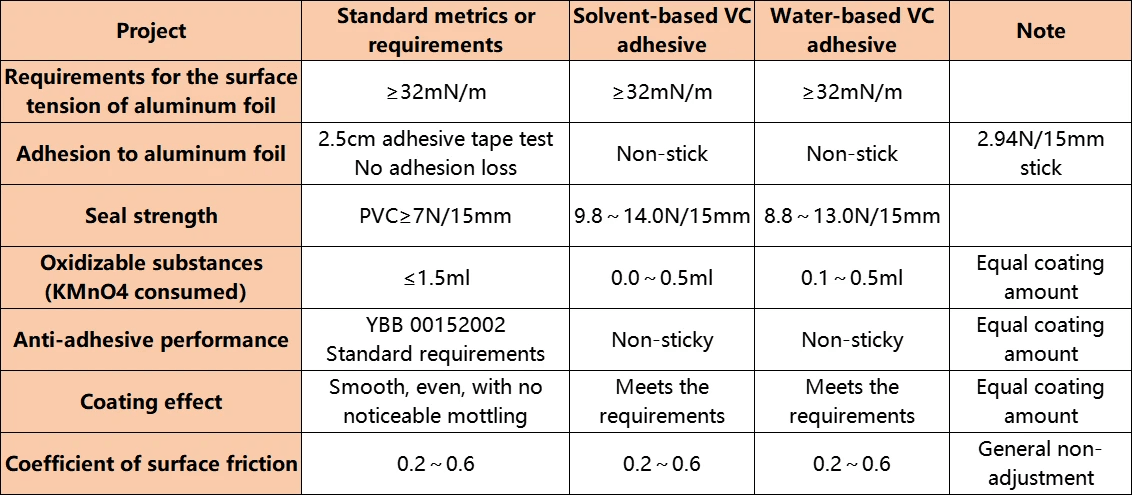
Ethylene Vinyl Acetate (EVA) and Amorphous Poly Alpha Olefin (APAO) are two prominent types of industrial hot melt glue, each with its unique characteristics. EVA is known for its excellent adhesion to a variety of substrates, making it a popular choice in packaging and woodworking industries. In contrast, APAO offers superior heat resistance and flexibility, making it ideal for applications requiring durability under challenging conditions.
The choice between EVA and APAO often hinges on the specific requirements of your project. If you're looking for the best industrial hot melt glue for general bonding tasks, EVA might be your go-to option. However, if you're working with materials that will endure high temperatures or need flexibility—such as in automotive applications—APAO may be more suitable.
Selecting Between Polyamide and Polyolefin
When selecting between polyamide and polyolefin hot melt adhesives, consider the materials you’re bonding and the conditions they’ll face. Polyamide adhesives excel in high-temperature applications due to their robust thermal stability; they bond well with challenging substrates like metals—a key factor when using industrial hot melt glue for metal projects. On the other hand, polyolefins are often favored for their cost-effectiveness and versatility across various surfaces.
Choosing the right adhesive type can make or break an application’s success; thus understanding these differences is crucial for anyone involved in adhesive selection processes. For bulk hot melt adhesive needs where performance is paramount, polyamide could offer a competitive edge over other options due to its strength under stress. Ultimately, aligning your choice with application demands ensures you harness the full potential of these adhesives.
Specialty Formulations for Unique Needs
Specialty formulations of industrial hot melt glue address specific challenges faced by different industries—from food packaging to electronics assembly—and provide tailored solutions that standard adhesives may not achieve. For instance, there are low-temperature formulations designed specifically for delicate materials that require gentle handling during assembly processes without compromising bond strength.
Additionally, certain specialty glues feature enhanced moisture resistance or UV stability—ideal attributes when dealing with outdoor applications or environments exposed to varying temperatures and humidity levels. By considering these specialized options from reputable hot melt adhesive manufacturers, you can ensure that you have the best industrial hot melt glue suited precisely to your unique needs.
Evaluating Performance Characteristics

When selecting the best industrial hot melt glue for your application, evaluating performance characteristics is crucial. Adhesion strength and durability, temperature resistance and flexibility, as well as cure times and application methods all play significant roles in determining the effectiveness of hot melt adhesive glue. Understanding these factors can help you choose the right product tailored to your specific needs.
Adhesion Strength and Durability
The best industrial hot melt glue should provide a strong bond that withstands various stresses over time. Durability is equally important, particularly in applications involving metal bonding or environments with fluctuating temperatures and humidity levels.
Different formulations of hot melt adhesives cater to various adhesion requirements; for instance, some are designed specifically for metal applications. When considering bulk hot melt adhesive options, be sure to assess how well they perform under stress and their longevity in real-world scenarios. Ultimately, a reliable adhesive will not only save you time during application but also minimize costly repairs down the line.
Temperature Resistance and Flexibility
Temperature resistance is another critical factor when evaluating industrial hot melt glue products. Depending on where your application will be used—whether it's in high-heat environments or cooler settings—you'll need an adhesive that can maintain its integrity without losing performance. Flexibility also plays a vital role; an adhesive that remains pliable can better accommodate movement between bonded surfaces without cracking or breaking.
For instance, if you're working with bulk hot melt adhesives intended for outdoor use or automotive applications, ensure they have been tested under extreme conditions. The best industrial hot melt glue will offer both high temperature resistance and flexibility to adapt to changing conditions without compromising adhesion quality. This ensures a long-lasting bond even when subjected to thermal expansion or contraction.
Cure Times and Application Methods
Cure times can vary widely among different types of hot melt adhesives; understanding these timelines is essential for efficient production processes. Some formulations may set quickly while others require more time before reaching full strength—knowing this helps in planning your workflow effectively. Additionally, choosing the right application method can significantly influence the performance of your chosen industrial hot melt glue.
Consider whether you’ll be using manual or automated dispensing systems when applying your adhesive; different methods may yield varying results based on viscosity and flow characteristics of the glue itself. For those looking at bulk hot melt adhesives for large-scale projects, ensuring compatibility with existing equipment will streamline operations considerably. Ultimately, understanding cure times along with appropriate application techniques ensures optimal bonding results every time.
Choosing the Right Hot Melt Adhesive Manufacturer
With a multitude of options available, it’s essential to identify manufacturers that prioritize quality and innovation in their products. The best industrial hot melt glue not only meets your specific needs but also enhances performance across various applications.
Top Hot Melt Adhesive Manufacturers in the Market
The market for hot melt adhesive manufacturers is bustling with competition, making it crucial to know who stands out. Some of the top players include Henkel, 3M, and Bostik, known for their extensive product lines and commitment to quality. Each of these manufacturers offers a range of industrial hot melt glue solutions tailored for different industries and applications, including specialized formulations for metal bonding.
In addition to these giants, there are also niche players that focus on specific sectors or unique adhesive requirements. Companies like Chemix are gaining traction with innovative products like water-based resins that complement traditional hot melt adhesives. When searching for bulk hot melt adhesive options or specific formulations like industrial hot melt glue for metal applications, exploring both established brands and emerging companies can yield valuable insights.
Assessing Quality and Certification Standards
Quality assurance is paramount when choosing a hot melt adhesive manufacturer; after all, you want reliability in your projects! Look for certifications such as ISO 9001 or ASTM standards that indicate adherence to quality management systems and product specifications. A manufacturer with robust certification standards will likely provide the best industrial hot melt glue that meets stringent industry requirements.
Additionally, consider conducting a thorough review of customer feedback and case studies related to each manufacturer's products. This information can help you gauge real-world performance and durability across various applications—critical factors when selecting bulk hot melt adhesives or adhesives specifically designed for metal bonding tasks. Remember that high-quality products often come from manufacturers who invest in research and development to stay ahead of trends.
Customer Support and Technical Assistance
A reliable manufacturer should offer exceptional customer support alongside their product offerings; this is especially true when dealing with complex applications involving industrial hot melt glue. Look for companies that provide technical assistance during the selection process as well as ongoing support after purchase—this can be invaluable when troubleshooting issues or optimizing application methods.
Many leading manufacturers have dedicated teams ready to assist customers with everything from product selection based on specific needs to guidance on best practices for using their adhesives effectively. This level of support ensures you’re not just buying a product but partnering with an expert who understands your unique challenges involving bulk hot melt adhesives or specialized formulations like those suitable for metal bonding.
In conclusion, choosing the right hot melt adhesive manufacturer involves careful consideration of their reputation in the industry, commitment to quality standards, and level of customer support offered throughout your purchasing journey.
Bulk Hot Melt Adhesives: When and Why

When it comes to industrial hot melt glue, purchasing in bulk can be a game-changer for many businesses. Bulk Hot Melt Adhesive not only offers significant cost savings but also ensures that you have an ample supply on hand for ongoing projects. This approach is especially beneficial for companies that rely heavily on hot melt adhesive glue for their manufacturing processes, allowing them to streamline operations and reduce downtime.
Cost-Effectiveness of Bulk Orders
Buying bulk hot melt adhesive can dramatically lower the overall cost per unit compared to purchasing smaller quantities. For industries that frequently use industrial hot melt glue, this means substantial savings over time, making it a financially savvy choice. In addition to reduced costs, bulk orders often come with fewer shipping fees and less frequent reordering, which further enhances efficiency in procurement.
Handling and Storage Considerations
While bulk purchases of industrial hot melt glue are economical, they do require careful handling and storage considerations. Proper storage conditions are essential to maintain the integrity of the adhesive; they should be kept in a cool, dry place away from direct sunlight and extreme temperatures. Additionally, when dealing with large quantities of hot melt adhesive manufacturers recommend implementing an organized system for inventory management to avoid waste due to expiration or contamination.
Applications that Benefit from Bulk Adhesive
Many applications benefit from the use of bulk hot melt adhesives, particularly those requiring high-volume production runs such as packaging and woodworking industries. For instance, when using industrial hot melt glue for metal bonding or other demanding applications, having a reliable supply ensures consistent performance without interruption. Industries that prioritize efficiency and cost-effectiveness will find that opting for bulk orders of the best industrial hot melt glue is not just practical but also essential for maintaining competitive advantage.
Using Industrial Hot Melt Glue for Metal
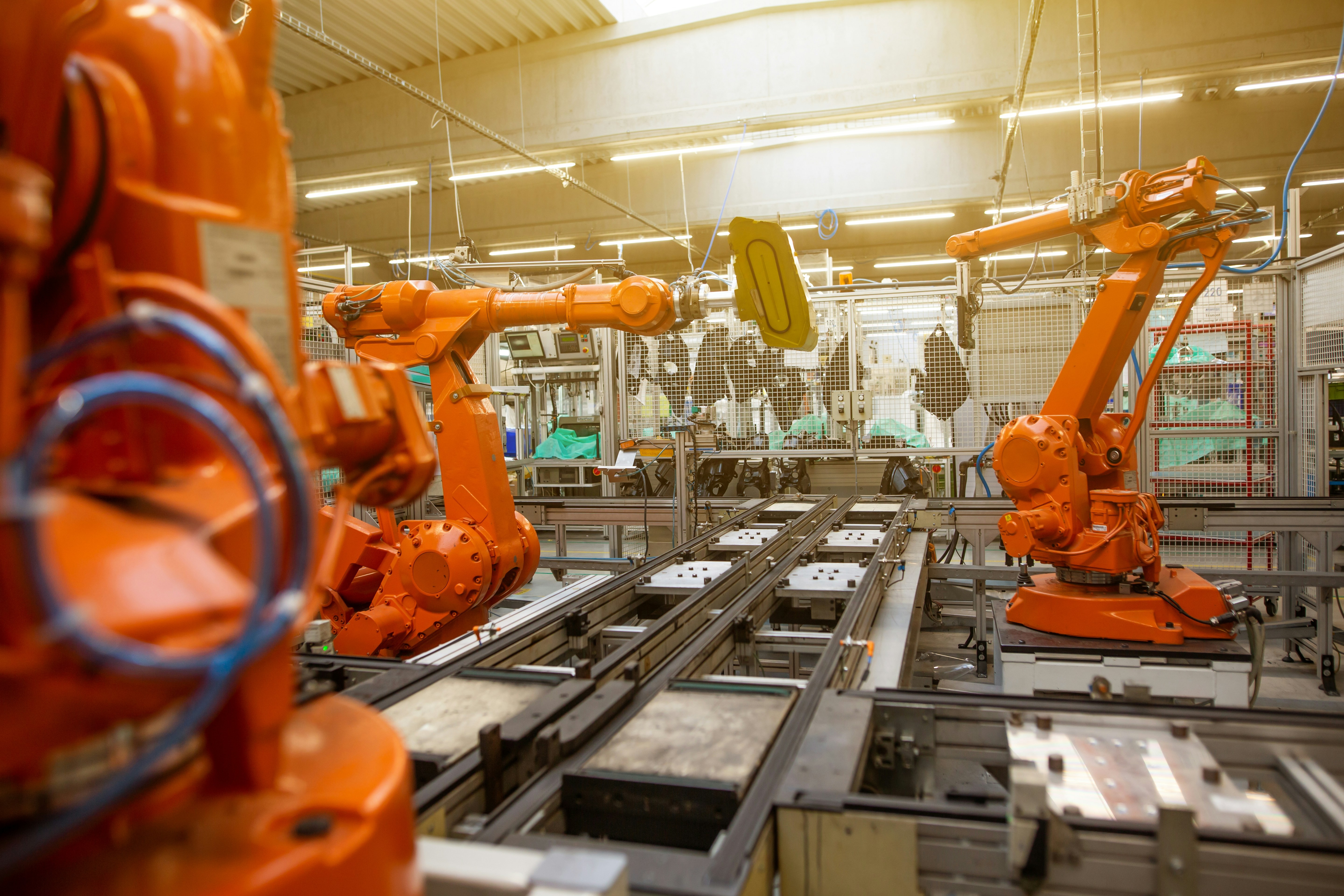
When it comes to bonding metal surfaces, industrial hot melt glue has carved a niche due to its unique properties. This type of adhesive offers rapid setting times, strong adhesion, and versatility across various metal types. However, achieving optimal results requires understanding the best practices specific to metal adhesion.
Best Practices for Metal Adhesion
To maximize the effectiveness of industrial hot melt glue for metal applications, surface preparation is key. Begin by thoroughly cleaning the metal surfaces to remove any oils, dust, or contaminants that could hinder adhesion; a clean surface ensures that the best industrial hot melt glue can form a solid bond. Additionally, consider using a primer designed for metals; this can enhance adhesion and improve long-term durability.
Temperature control during application is also crucial—hot melt adhesives work best when both the glue and the substrate are at optimal temperatures. Applying heat can increase flow and penetration into surface textures, ensuring a robust bond. Finally, allow adequate cure time before subjecting bonded pieces to stress or load; this will ensure that the hot melt adhesive achieves its full strength.
Case Studies of Successful Metal Bonding
Several industries have successfully harnessed industrial hot melt glue for metal bonding applications with impressive results. For instance, in automotive manufacturing, companies have utilized bulk hot melt adhesive to bond interior components like panels and trims effectively; this not only speeds up assembly but also reduces weight compared to traditional fastening methods.
Another notable example is in HVAC systems where ductwork is joined using industrial hot melt adhesives rather than mechanical fasteners—this approach minimizes leaks and enhances energy efficiency while maintaining structural integrity over time. These case studies highlight how choosing the right adhesive can lead to significant improvements in production efficiency and product performance.
Comparing with Other Adhesive Types
When comparing industrial hot melt glue with other adhesive types such as epoxy or polyurethane adhesives for metal bonding, there are distinct advantages worth noting. Hot melt adhesives typically offer faster cure times than epoxies which require longer setting periods; this speed can be critical in high-production environments where time is money.
Moreover, while polyurethanes provide excellent flexibility after curing, they often come with longer application processes; on the other hand, hot melt adhesive manufacturers emphasize quick application capabilities without compromising on strength—making them ideal for assembly lines needing rapid turnaround.
In summary, while each adhesive type has its merits depending on specific project requirements or environmental conditions, industrial hot melt glue remains a top contender due to its ease of use and effective performance across various metallic substrates.
Exploring Chemix’s Water-Based Resin Solution
In the realm of adhesives, Chemix's water-based resin solution stands out as a robust alternative to traditional industrial hot melt glue. This innovative approach offers numerous benefits that cater specifically to various industries, ensuring that businesses can achieve strong bonds without compromising on safety or environmental standards. By leveraging water as a primary solvent, these resins provide an effective solution for many applications while minimizing the risks associated with volatile organic compounds (VOCs).
Benefits of Water-Based Resins for Industry
Water-based resins present several advantages over conventional hot melt adhesive glue options. First and foremost, they offer excellent adhesion properties, making them suitable for use in diverse applications, including packaging and woodworking. Additionally, these resins are known for their ease of application and clean-up, which enhances productivity and reduces downtime—key factors when considering bulk hot melt adhesive purchases.
Moreover, water-based formulations tend to have lower odor levels compared to their solvent-based counterparts, creating a more pleasant working environment for employees. This is particularly beneficial in industries where prolonged exposure to adhesives is common. The versatility of these resins means they can effectively bond various substrates while maintaining flexibility and durability—qualities essential for any best industrial hot melt glue.
Environmental Impact and Safety Considerations
One of the most compelling reasons to consider Chemix’s water-based resin solutions is their reduced environmental impact compared to traditional industrial hot melt glue products. These formulations are designed with sustainability in mind, featuring fewer harmful chemicals that contribute to air pollution or pose risks during production and application processes. As industries increasingly prioritize eco-friendly practices, adopting water-based resins aligns seamlessly with corporate social responsibility goals.
Safety is another critical aspect where water-based resins shine brightly; they typically contain fewer hazardous materials than conventional adhesives. This translates into safer handling procedures for workers and lower health risks associated with adhesive exposure over time. For companies looking to enhance workplace safety while still relying on effective bonding solutions like industrial hot melt glue for metal applications or other materials, transitioning to water-based options could be a game-changer.
Versatility in Applications: Coatings and Adhesives
The versatility of Chemix’s water-based resin solution extends beyond mere bonding capabilities; they're also applicable in coatings—making them ideal across various sectors such as construction and automotive manufacturing. Whether you're looking at protective coatings or high-performance adhesives that can withstand extreme conditions, these resins rise to meet the challenge effortlessly.
In addition to being suitable for different substrates—including porous surfaces—water-based formulations maintain excellent adhesion strength even under varying temperature conditions—a critical factor when comparing with other types of adhesives like bulk hot melt adhesive options or specific industrial hot melt glue types designed strictly for metal bonding scenarios.
As industries continue seeking reliable yet eco-friendly solutions without sacrificing performance quality—the future appears bright for companies willing to explore Chemix's innovative offerings within this space.
Conclusion

In the world of industrial applications, choosing the right adhesive can make or break a project. Understanding the nuances of industrial hot melt glue is essential, whether you're selecting the best industrial hot melt glue for a specific application or considering bulk hot melt adhesive options for cost efficiency. With various types and formulations available, including those designed specifically for metal bonding, making informed decisions is crucial for achieving optimal results.
Key Takeaways in Choosing Adhesives
When it comes to selecting hot melt adhesive glue, it's important to consider factors such as adhesion strength, temperature resistance, and flexibility. Different applications may require unique formulations; therefore, understanding the distinctions between EVA and APAO or polyamide and polyolefin can help you choose wisely. Additionally, opting for reputable hot melt adhesive manufacturers ensures that you receive quality products backed by reliable customer support.
Future Trends in Hot Melt Adhesives
The landscape of industrial hot melt glue is continually evolving with advancements in technology and sustainability practices. Expect to see an increase in eco-friendly options like water-based resins gaining traction due to their lower environmental impact and safety benefits. Furthermore, innovations aimed at enhancing performance characteristics—such as faster cure times and improved adhesion to challenging substrates like metal—will likely dominate future market trends.
Making Informed Decisions for Your Projects
To ensure success in your projects involving industrial hot melt glue, thorough research is key; evaluate your specific needs against available products on the market. Whether you're considering bulk orders of hot melt adhesives or looking into specialty formulations for unique applications, understanding your options will lead to better outcomes. Ultimately, making informed choices about adhesives will not only enhance product performance but also contribute to long-term sustainability in your operations.