
Introduction

In a world where adhesives play a crucial role in various industries, hot melt bonding has emerged as a popular choice for many applications. Hot melt adhesive, known for its versatility and quick setting time, is widely used in packaging, woodworking, and even automotive sectors. However, the environmental impact of these adhesives raises questions about their long-term sustainability.
Understanding Hot Melt Glue
Hot melt glue is a thermoplastic adhesive that is applied in a molten state and solidifies upon cooling to create strong bonds between materials. This hot adhesive forms an instant bond that can be incredibly effective for both temporary and permanent applications. Its ease of use and rapid curing time make it a favorite among manufacturers and DIY enthusiasts alike.
The Environmental Impact of Adhesives
While hot melt adhesives offer numerous practical benefits, their production and disposal can have significant environmental repercussions. Many traditional hot melt adhesives contain petrochemical components that contribute to pollution during manufacturing processes and can create challenges when it comes to waste disposal. As consumers become more environmentally conscious, understanding the ecological footprint of such products becomes essential.
Eco-Friendly Alternatives to Consider
Fortunately, there are eco-friendly alternatives to traditional hot melt adhesives that are gaining traction in the market. Innovations in adhesive technology have led to the development of water-based resins and other sustainable bonding solutions that reduce environmental harm while maintaining performance standards. By exploring these options, businesses can make informed choices that support sustainability without compromising on quality.
What is Hot Melt Adhesive?
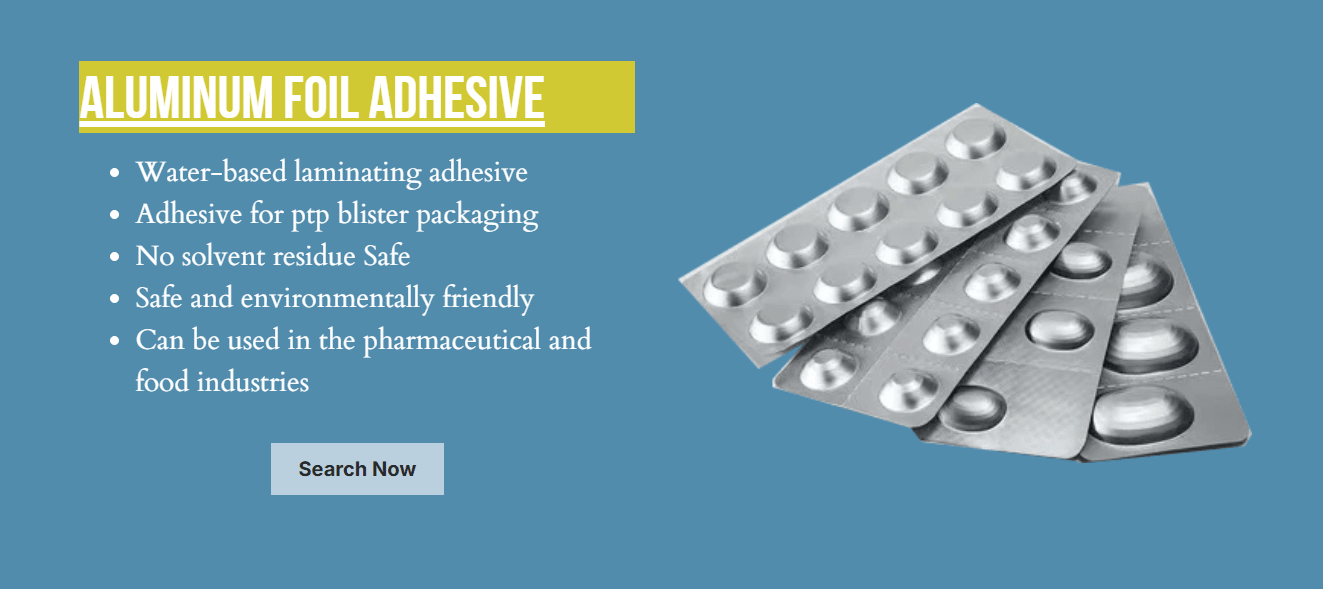
Hot melt adhesive, often referred to as hot melt glue, is a thermoplastic adhesive that is applied in a molten state and solidifies upon cooling. This type of adhesive offers a quick bonding solution, making it popular in various industries. The unique properties of hot melt bonding allow for strong adhesion across diverse materials, making it an essential tool for manufacturers and DIY enthusiasts alike.
Definition of Hot Melt Bonding
Hot melt bonding involves the use of hot melt adhesives that are heated to a liquid state before application. Once applied to the surfaces needing adhesion, the hot adhesive cools down and solidifies, forming a robust bond. This method not only provides immediate hold but also allows for flexibility in application techniques.
Common Applications of Hot Melt Adhesives
Hot melt adhesives find their way into numerous applications across different sectors. They are widely used in packaging, woodworking, automotive assembly, and even in crafting projects at home. The versatility of hot adhesives makes them suitable for bonding paper, cardboard, plastics, metals, and textiles—essentially anything that requires a dependable bond.
Pros and Cons of Using Hot Melt
Using hot melt adhesives comes with its own set of advantages and disadvantages. On the plus side, they offer fast setting times and excellent bonding strength while being relatively easy to use with standard equipment. However, there are downsides too; for instance, some hot melt formulations can be sensitive to temperature changes or may not perform well under extreme conditions.
The Environmental Footprint of Hot Melt Glue

Hot melt adhesives have become a popular choice in various industries due to their quick bonding capabilities and versatility. However, the environmental footprint of hot melt bonding processes raises significant concerns. Understanding these impacts is crucial for making informed decisions about adhesive and bonding options.
Production Process and Its Effects
The production process of hot melt adhesives typically involves heating thermoplastic polymers until they reach a molten state, allowing for easy application. This method, while efficient, consumes substantial energy resources and contributes to carbon emissions during manufacturing. Additionally, the raw materials used in creating these hot melt adhesives often derive from petroleum-based sources, further exacerbating their environmental impact.
Waste Generation and Disposal Issues
When it comes to waste generation, hot melt adhesives present unique challenges that can lead to significant environmental repercussions. Excess adhesive material often ends up as industrial waste, contributing to landfill overflow when not properly managed or recycled. Moreover, the disposal of non-biodegradable hot melt products poses risks as they persist in the environment for extended periods without breaking down.
Emissions and Toxicity Concerns
Emissions resulting from the production and application of hot melt adhesives can pose serious health risks not only for workers but also for end-users exposed to volatile organic compounds (VOCs). These compounds are released during the melting process and can contribute to air pollution when not adequately controlled. Additionally, certain formulations of hot adhesive may contain toxic substances that raise concerns about long-term exposure effects on human health and ecosystems alike.
Comparing Hot Melt to Other Adhesives
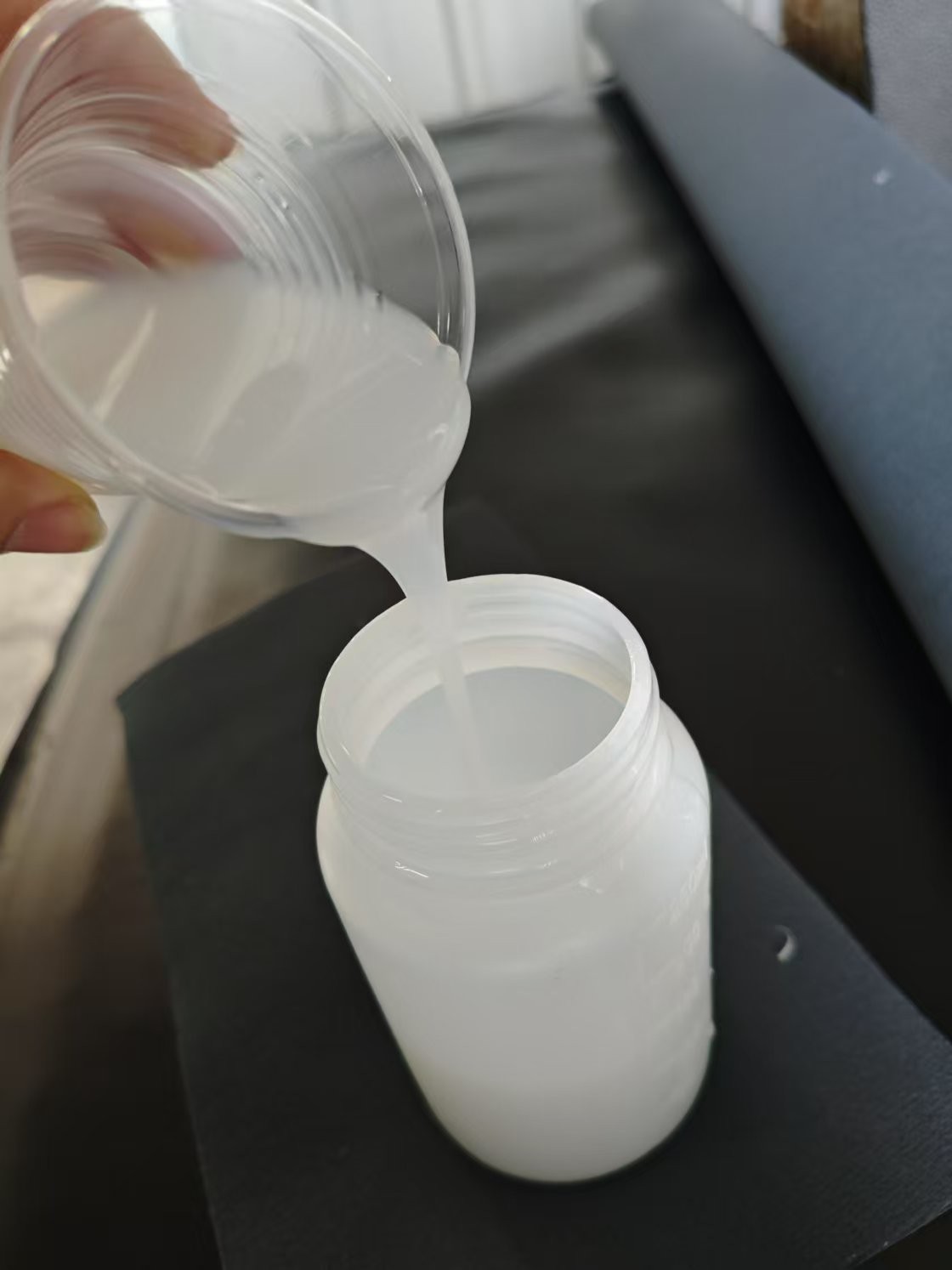
When it comes to adhesive and bonding solutions, hot melt adhesives have long been a go-to choice for many industries. However, alternatives like water-based resins are gaining traction due to their eco-friendliness and versatility. In this section, we’ll dive into the world of water-based resin solutions, explore their benefits, and examine the limitations of traditional hot melt bonding.
Water-Based Resin Solution Overview
Water-based resin solutions are adhesives that use water as a primary solvent instead of organic solvents or oils. This makes them less hazardous and more environmentally friendly compared to traditional hot melt adhesives. Commonly used in woodworking, packaging, and textiles, these resins offer strong bonding capabilities while minimizing volatile organic compounds (VOCs) in the process.
Benefits of Water-Based Resins
One of the standout benefits of water-based resins is their lower environmental impact compared to hot melt adhesives. These eco-friendly alternatives emit fewer harmful chemicals during application and curing, making them safer for both users and the environment. Additionally, they provide excellent adhesion properties on various substrates while being easier to clean up with just soap and water—no need for harsh solvents!
Moreover, water-based resins often come with better flexibility after curing than traditional hot adhesive options. This can be particularly advantageous in applications where movement or temperature fluctuations are common since it allows for a more durable bond under stress conditions.
Limitations of Traditional Hot Melt
While hot melt bonding offers quick setting times and strong initial tack—making it ideal for high-speed production environments—it does come with its own set of limitations. One notable drawback is its sensitivity to temperature; extreme heat can weaken bonds formed by hot melt adhesives which can lead to failures in certain applications. Additionally, once cured, some formulations may not perform well in moist or humid environments compared to their water-based counterparts.
Another concern is that traditional hot melts often contain synthetic materials that may not be biodegradable or recyclable after use. As industries continue moving towards sustainability goals, this limitation makes it crucial for manufacturers to consider alternative adhesive options that align better with eco-friendly practices.
Innovations in Eco-Friendly Adhesive Technology
The world of adhesive and bonding technology is evolving, with a growing emphasis on eco-friendliness. Innovations in the field are not just about improving performance; they also focus on reducing environmental impact. As consumers become more conscious of sustainability, the demand for hot melt adhesives that are both effective and environmentally responsible is increasing.
Sustainable Hot Adhesive Developments
Sustainable hot adhesive developments are paving the way for a greener future in adhesive applications. Manufacturers are now creating hot melt bonding solutions using bio-based materials that reduce reliance on petroleum products, making them less harmful to the planet. These advancements not only maintain the strong bonding capabilities associated with traditional hot melt adhesives but also enhance their appeal to eco-conscious consumers.
In addition to using renewable resources, these sustainable hot adhesives often have improved thermal stability and lower emissions during application. Enhanced formulations can lead to reduced waste and better performance across various industries, from packaging to construction. As these innovations continue to emerge, they promise a future where hot bond adhesive options align with sustainability goals without compromising quality.
Recycled Materials in Adhesive Manufacturing
The integration of recycled materials into adhesive manufacturing is another exciting trend reshaping the industry landscape. By incorporating post-consumer waste into hot melt formulations, manufacturers can significantly reduce their carbon footprint while producing high-quality adhesives. This practice not only conserves resources but also addresses waste management challenges associated with traditional adhesive production.
Using recycled content in hot melt adhesives helps close the loop in product life cycles, promoting circular economy principles within the industry. Moreover, these eco-friendly alternatives often perform comparably to conventional options, ensuring that users do not sacrifice quality for sustainability. As more companies adopt this approach, we may see an increase in available products that leverage recycled materials for effective bonding solutions.
Future Trends in Green Bonding Solutions
Looking ahead, several trends indicate a promising shift toward green bonding solutions within the adhesive market. The rise of smart materials—adhesives that can respond dynamically to environmental conditions—opens new doors for innovation in applications like automotive or aerospace manufacturing where efficiency is paramount.
Furthermore, advancements in nanotechnology may lead to even more robust and sustainable formulations of hot melt adhesives that utilize less material while enhancing performance characteristics like adhesion strength and durability. With ongoing research focused on developing biodegradable options alongside traditional hot bond adhesives, we can expect an exciting future filled with choices that cater both to high-performance needs and environmental stewardship.
How to Choose Eco-Friendly Adhesives
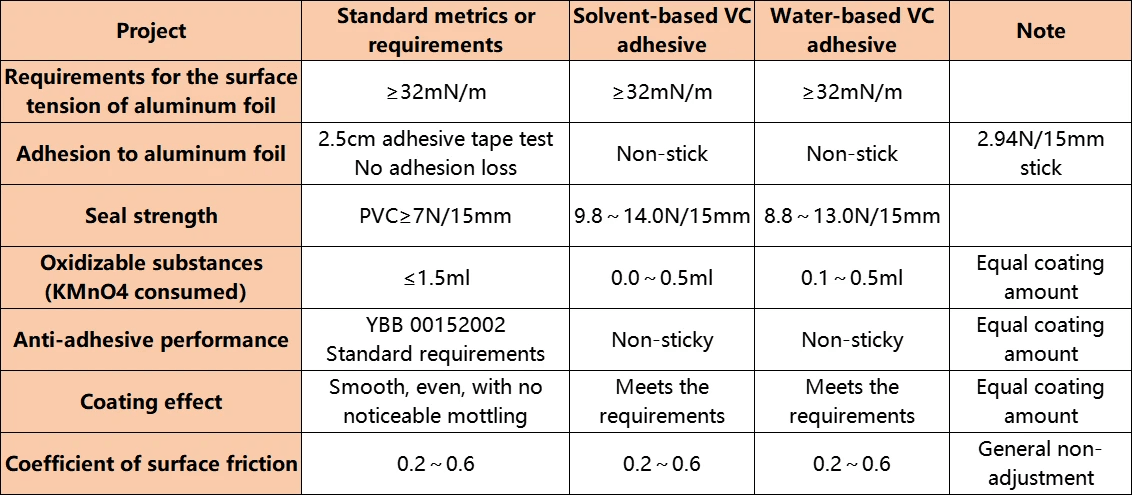
Navigating the world of adhesives can feel like a sticky situation, especially when trying to balance performance with sustainability. When considering options such as hot melt bonding, it’s crucial to evaluate various adhesive and bonding solutions available on the market. By understanding the different types of adhesives, including traditional hot melt adhesive and eco-friendly alternatives, you can make informed decisions that align with your sustainability goals.
Assessing Adhesive and Bonding Options
When assessing adhesive and bonding options, it’s essential to consider the specific requirements of your project. Hot melt adhesives are known for their quick setting times and strong bonds but may not always be the most environmentally friendly choice. Exploring alternatives like water-based resins or bio-based adhesives can provide effective solutions while reducing your environmental footprint.
In addition to performance characteristics, take note of application methods and curing times associated with each adhesive type. For instance, while hot melt bonding offers rapid adhesion in many applications, some eco-friendly options may require longer curing periods but compensate with lower emissions and less waste generation. Always weigh the pros and cons of each option based on your project needs while keeping sustainability at the forefront.
Key Factors for Sustainability
When choosing an eco-friendly adhesive, several key factors should guide your decision-making process. First, consider the raw materials used in production; opting for adhesives made from renewable resources or recycled content can significantly reduce environmental impact. Additionally, look into the lifecycle assessment of each product—how it’s manufactured, used, and disposed of will affect its overall sustainability.
Another vital factor is emissions during application; some hot melt adhesives release volatile organic compounds (VOCs) that contribute to air pollution. In contrast, many eco-friendly alternatives offer low or zero VOC emissions without sacrificing performance quality in bonding applications. Ultimately, selecting a sustainable adhesive involves balancing effectiveness with environmental responsibility.
Certification Labels to Look For
Certification labels play an important role in identifying truly eco-friendly products amidst a sea of marketing claims about “green” products. Look for certifications such as Green Seal or EcoLabel which indicate adherence to strict environmental standards in manufacturing processes for hot melt adhesives or other types of glue you might consider using. These certifications provide assurance that you’re making responsible choices when selecting an adhesive solution.
Additionally, check for labels indicating low VOC content or biodegradable properties; these are significant indicators that align with sustainability goals while ensuring effective bonding results in various applications like packaging or woodworking projects involving hot bond adhesive techniques. Remember that not all products labeled as “eco-friendly” meet rigorous standards—doing your homework is crucial!
Conclusion
In the ever-evolving world of adhesives, hot melt bonding remains a popular choice due to its versatility and efficiency. Despite some environmental concerns, the effectiveness of hot melt adhesive in various applications cannot be overlooked. As industries continue to seek reliable adhesive and bonding solutions, understanding both the benefits and drawbacks of hot melt is crucial for informed decision-making.
The Viability of Hot Melt Adhesives
Hot melt adhesives have firmly established their place in manufacturing and crafting due to their quick-setting properties and strong bonds. They are particularly favored in packaging, woodworking, and automotive industries where speed is essential. However, while they offer excellent performance, it’s important to weigh their viability against potential environmental impacts associated with production and disposal.
Eco-Friendly Solutions on the Rise
Fortunately, eco-friendly alternatives are emerging as viable options for those concerned about sustainability without sacrificing performance. Innovations in adhesive technology are paving the way for greener hot adhesives that utilize recycled materials or bio-based components. As awareness grows about the environmental footprint of traditional hot melt products, manufacturers are increasingly investing in research to create sustainable solutions that meet consumer demand.
Making Informed Choices for Sustainability
When selecting an adhesive for your projects, consider factors such as material compatibility, application methods, and environmental impact. Look for certification labels that indicate a product’s eco-friendliness; these can guide you toward more sustainable choices in hot bond adhesive options. Ultimately, making informed choices not only benefits your project but also contributes positively to our planet's health.