
Introduction

In the world of aviation, aerospace structural adhesives play a pivotal role in ensuring the integrity and performance of aircraft. These advanced bonding solutions are essential for connecting various materials, enabling manufacturers to achieve lightweight yet robust designs. From epoxy adhesives to innovative tapes and adhesives, the landscape of aerospace bonding is both fascinating and critical for modern aviation.
Understanding Aerospace Structural Adhesives
Aerospace structural adhesives are specialized formulations designed to bond different substrates, including metals, composites, and glass. Among these, epoxy resin adhesive stands out due to its exceptional strength and versatility in metal bonding applications. Understanding these adhesives involves delving into their chemical composition, curing mechanisms, and how they contribute to overall aircraft performance.
The Importance of Adhesives in Aviation
Adhesives have revolutionized aircraft manufacturing by allowing for lighter structures without compromising strength or safety. Epoxy glue and other metal glue options provide seamless connections that traditional mechanical fasteners often can't match. In an industry where every ounce counts, the ability to utilize tapes and adhesives effectively can lead to significant improvements in fuel efficiency and overall performance.
Key Properties of Adhesive Solutions
The effectiveness of aerospace structural adhesive hinges on several key properties: adhesion strength, flexibility, temperature resistance, and environmental durability. For instance, epoxy resin adhesive excels in high-stress environments while maintaining its bond integrity over time. Additionally, advancements in adhesive technology have led to formulations that are not only strong but also environmentally friendly—essential for sustainable aviation practices.
Overview of Aerospace Structural Adhesives
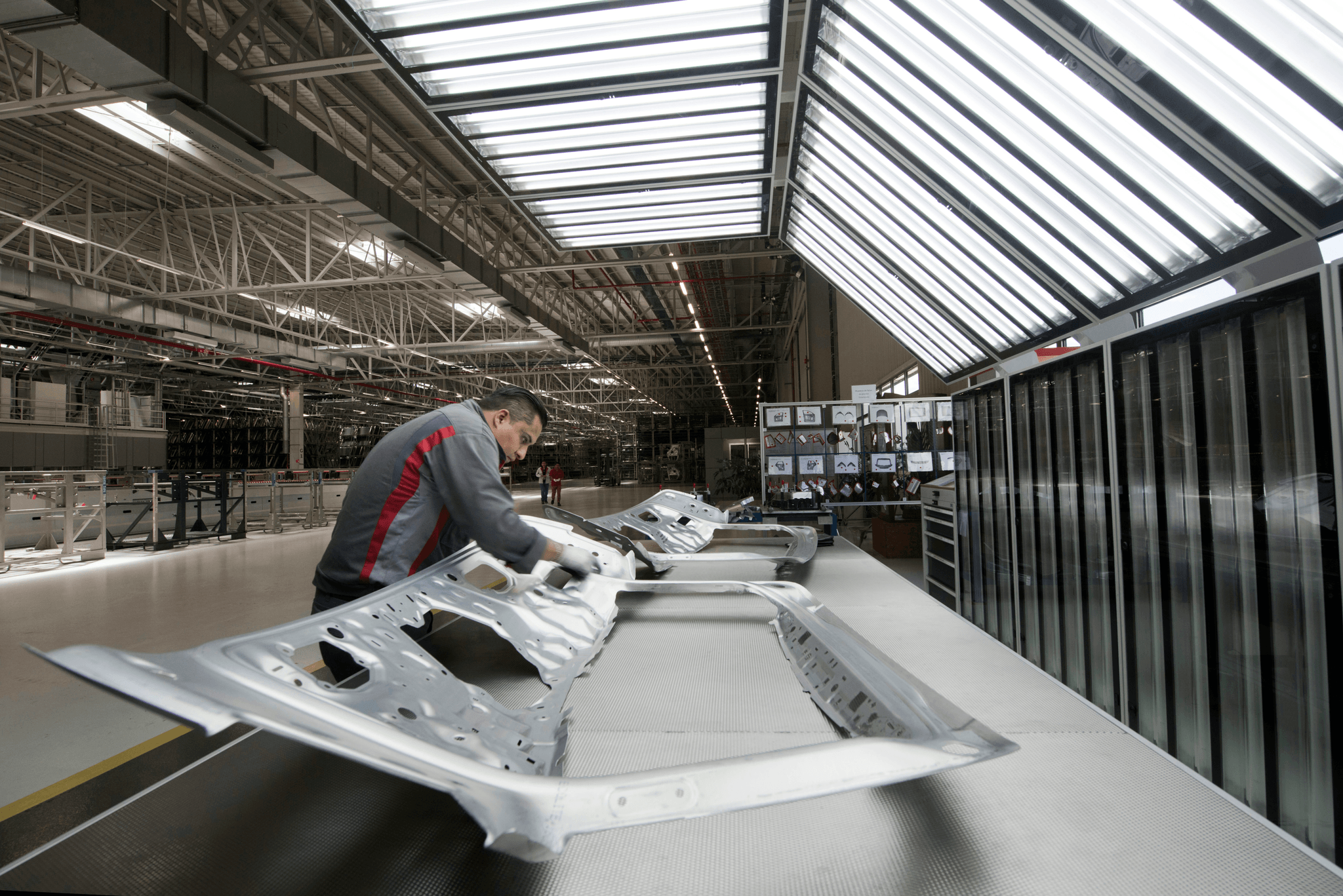
Aerospace structural adhesives play a pivotal role in modern aviation, ensuring that various components bond effectively and withstand the rigors of flight. These adhesives are specifically designed to meet the demanding requirements of aerospace applications, providing strength while minimizing weight. From fuselage assembly to critical load-bearing joints, aerospace structural adhesives are indispensable for enhancing aircraft performance.
Definition and Applications in Aerospace
Aerospace structural adhesive refers to specialized bonding agents used in the construction and repair of aircraft. These adhesives are engineered to provide superior adhesion between different materials, such as metals, composites, and plastics, making them essential for various applications in aviation. Whether it's securing panels or reinforcing structures, aerospace adhesives ensure durability and reliability under extreme conditions.
Types of Aerospace Adhesives
There’s a smorgasbord of aerospace adhesives available today, each tailored for specific tasks within the industry. Among the most popular types is epoxy adhesive, known for its exceptional bonding capabilities with metals and composites alike. Other options include polyurethane adhesives for flexibility and tapes and adhesives that offer quick fixes without compromising strength—perfect for those last-minute repairs on the tarmac!
Role in Aircraft Manufacturing
In aircraft manufacturing, aerospace structural adhesives serve as key players in achieving lightweight designs without sacrificing strength or safety. They facilitate metal bonding processes by allowing manufacturers to join components seamlessly while reducing overall weight—a crucial factor in fuel efficiency and performance. Additionally, these adhesives contribute to noise reduction and vibration dampening within the aircraft structure, enhancing passenger comfort during flights.
Epoxy Adhesive: The Heart of Bonding
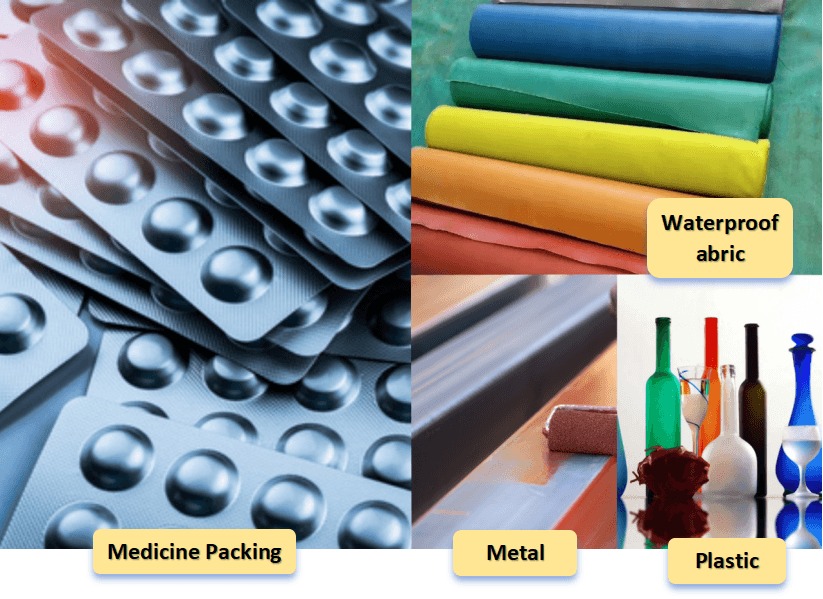
When it comes to aerospace structural adhesives, epoxy adhesive stands out as a true champion in the realm of bonding technologies. This versatile adhesive is renowned for its exceptional strength and durability, making it the go-to choice for various applications in aviation. Whether it's securing metal components or providing robust support for complex structures, epoxy resin adhesive has earned its place at the heart of modern aerospace engineering.
Characteristics of Epoxy Resin Adhesive
Epoxy resin adhesive boasts a unique chemical composition that gives it remarkable properties ideal for demanding aerospace environments. Its excellent adhesion to a variety of substrates, including metals and composites, ensures reliable performance even under extreme conditions. Additionally, epoxy glue exhibits outstanding resistance to heat, moisture, and chemicals, making it an indispensable choice for aircraft manufacturing.
The curing process of epoxy adhesives can be tailored to meet specific requirements, allowing engineers to optimize their performance based on application needs. This adaptability extends to different formulations that enhance flexibility or increase rigidity as required by the design specifications of an aircraft. Overall, the characteristics of epoxy resin adhesive make it a cornerstone material in the construction and maintenance of aerospace structures.
Advantages for Metal Bonding
One of the primary advantages of using epoxy adhesive in metal bonding applications is its exceptional shear strength and tensile strength. These properties enable strong joints that can withstand significant loads and stresses encountered during flight operations. In addition to strength, epoxy adhesives provide excellent gap-filling capabilities which are crucial when dealing with imperfect surfaces commonly found in metal components.
Furthermore, the versatility of epoxy glue allows it to bond dissimilar metals effectively without compromising integrity or performance over time. Unlike traditional mechanical fastening methods such as rivets or bolts that can introduce stress concentrations and potential points of failure, metal glue creates a seamless bond that distributes loads evenly across surfaces. This not only enhances structural integrity but also reduces overall weight – a critical factor in aerospace design.
Moreover, using epoxy adhesives simplifies assembly processes by minimizing the need for extensive surface preparation compared to other types of adhesives or fastening techniques. This efficiency translates into reduced labor costs and quicker turnaround times during manufacturing while maintaining high safety standards essential in aviation.
Comparison with Other Adhesives
When comparing epoxy resin adhesive with other types like polyurethane or cyanoacrylate (super glue), it's clear why epoxies are favored in aerospace applications—especially for metal bonding tasks. While polyurethane offers flexibility and good adhesion on various substrates, its lower temperature resistance may not meet stringent aviation standards where thermal stability is paramount.
On the other hand, cyanoacrylate may excel at quick fixes but lacks long-term durability when exposed to environmental factors typical in aviation settings such as humidity or temperature fluctuations; thus making them less suitable as an aerospace structural adhesive solution compared to epoxies which endure these challenges gracefully over extended periods.
Ultimately, while each type has its place within specific contexts—epoxy adhesives shine brightly due their superior performance characteristics tailored specifically towards meeting rigorous demands faced within aircraft manufacturing processes where reliability cannot be compromised.
Metal Bonding Techniques
When it comes to aerospace structural adhesive applications, metal bonding techniques are crucial for ensuring the integrity and performance of aircraft structures. The right combination of adhesives, including epoxy adhesive and metal glue, can significantly enhance the durability and strength of bonded components. In this section, we’ll explore popular metal glue options, evaluate performance factors, and highlight innovative applications in the aerospace sector.
Popular Metal Glue Options
In the realm of metal bonding for aerospace applications, several adhesive options stand out. Epoxy resin adhesive is a favorite due to its exceptional strength and resistance to environmental challenges; it's often used to bond aluminum and titanium components in aircraft construction. Other popular choices include specialized metal glues that offer unique properties tailored for specific materials or conditions, such as glass glue that bonds composite materials effectively.
Tapes and adhesives also play an important role in metal bonding techniques. They provide immediate holding power while structural adhesives cure, allowing manufacturers to streamline assembly processes without compromising on quality or safety. Understanding each type's strengths ensures engineers select the most suitable adhesive for their specific needs.
Performance and Durability Factors
When evaluating performance factors in aerospace structural adhesives, several key criteria come into play: shear strength, tensile strength, temperature resistance, and environmental stability. Epoxy glue typically excels in these areas; its robust formulation allows it to withstand extreme conditions often encountered during flight operations. However, it's essential to consider the entire system—how well the epoxy resin adhesive interacts with different metals can greatly influence overall performance.
Durability is paramount in aerospace applications where failure is not an option; thus testing under various conditions becomes crucial during product development phases. Factors like humidity exposure or thermal cycling can affect adhesion quality over time; hence rigorous testing protocols are implemented before any adhesive is approved for use in aviation contexts.
Innovative Applications in Aerospace
Innovative applications of metal bonding techniques are continually evolving within the aerospace industry as technology advances. For instance, engineers are now leveraging advanced epoxy adhesives not only for traditional bonding but also for repairing damaged structures without needing replacement parts—a practice that saves time and resources while maintaining safety standards.
Additionally, research into new formulations of water-based resin solutions shows promise for reducing environmental impact without sacrificing performance characteristics often associated with traditional epoxy adhesives or metal glues. Such innovations reflect a growing trend towards sustainability while ensuring that aircraft meet stringent regulatory requirements.
The integration of tapes alongside these advanced adhesives further enhances manufacturing efficiency by providing temporary support during curing processes—making them invaluable tools throughout aircraft construction phases.
Water-Based Resin Solutions
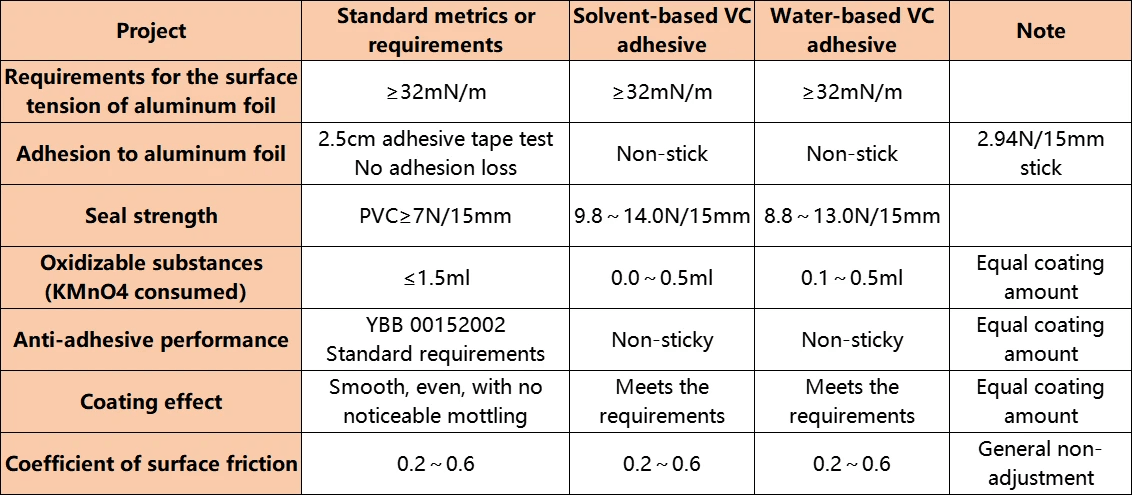
In the ever-evolving world of aerospace engineering, water-based resin solutions are making significant strides, particularly in applications where environmental considerations are paramount. Chemix's innovative approach to water-based adhesives offers a versatile alternative to traditional epoxy adhesives, providing effective bonding solutions without compromising performance. These aerospace structural adhesives are designed to meet the rigorous demands of the aviation industry while promoting sustainability.
Overview of Chemix's Water-Based Resin
Chemix's water-based resin is engineered for optimal performance in various aerospace applications, including metal bonding and composite materials. This adhesive combines the benefits of traditional epoxy glue with a lower environmental impact, making it an attractive option for manufacturers focused on reducing their carbon footprint. The formulation ensures excellent adhesion properties while maintaining flexibility and durability, essential attributes for any aerospace structural adhesive.
Environmental Benefits of Water-Based Adhesives
One of the standout features of water-based adhesives is their reduced volatile organic compound (VOC) emissions compared to solvent-based options. This not only aligns with stringent environmental regulations but also contributes to healthier working conditions for employees in manufacturing facilities. By choosing water-based solutions like those from Chemix, companies can enhance their commitment to sustainability while still achieving high-performance metal bonding results.
Performance of Water-Based Adhesives in Aerospace
When it comes to performance, water-based resin solutions have proven their mettle in various tests and real-world applications within the aerospace sector. They exhibit strong adhesion across different substrates—be it metal glue or glass glue—ensuring that critical components remain securely bonded under extreme conditions. As advancements continue in this field, it's clear that these tapes and adhesives will play a vital role in shaping the future landscape of aircraft construction.
Tapes and Adhesives in Aircraft Construction

In the realm of aircraft construction, the synergy between tapes and adhesives plays a pivotal role in ensuring structural integrity and performance. Aerospace structural adhesives, including epoxy adhesive options, are complemented by various types of tapes that enhance bonding capabilities. Together, they form a comprehensive bonding solution that meets the demanding requirements of aviation.
Types of Aerospace Tapes and Their Uses
Aerospace tapes come in various forms, each designed for specific applications within aircraft manufacturing. From high-temperature resistant tapes used in thermal insulation to pressure-sensitive adhesive (PSA) tapes that ensure secure attachments without additional hardware, these materials serve critical functions. Additionally, glass glue and metal glue variants are often employed for specialized tasks where traditional bonding methods might fall short.
These tapes not only provide immediate adhesion but also support long-term durability under the stressors experienced during flight. For instance, polyimide tape is commonly used for electrical insulation due to its heat resistance, while double-sided foam tape can be found securing components where traditional fasteners aren't feasible. The versatility of aerospace tapes makes them indispensable alongside epoxy resin adhesive solutions.
Integration with Structural Adhesives
The integration of aerospace structural adhesives with specialized tapes creates a robust bonding system that enhances overall performance. When used together, these materials can address different aspects of aircraft construction—from sealing joints to reinforcing connections—ensuring a more reliable assembly process. Epoxy glue serves as an excellent base layer for bonding metals or composite materials while tape provides additional support against shear forces.
Moreover, this combination allows manufacturers to streamline production processes by reducing the need for mechanical fasteners in certain applications. By strategically placing aerospace adhesives alongside functional tapes, manufacturers can achieve stronger bonds with reduced weight—a crucial factor in aviation design where every ounce counts. This integrated approach not only boosts efficiency but also contributes to improved safety standards across the industry.
Benefits of Using Tapes in Metal Bonding
Utilizing tapes in metal bonding applications offers several advantages that enhance both performance and efficiency during aircraft assembly. One significant benefit is the ability to create clean lines without the mess often associated with liquid adhesives like epoxy resin adhesive; this precision reduces waste and improves aesthetic outcomes on visible surfaces. Additionally, metal glue combined with industrial-grade tape can deliver superior bond strength while minimizing the risk of damage during installation.
Tapes also provide an element of flexibility; they accommodate slight movements or thermal expansions without compromising integrity over time—an essential feature given the dynamic environment airplanes endure at altitude. Furthermore, using aerospace structural adhesive products along with appropriate tape solutions can lead to reduced curing times compared to traditional methods alone; this accelerates production schedules without sacrificing quality or safety standards.
In conclusion, integrating various types of aerospace adhesives with innovative tape solutions creates a powerful toolkit for modern aircraft construction—one that prioritizes both performance and environmental responsibility as we look toward future advancements in aviation technology.
Conclusion
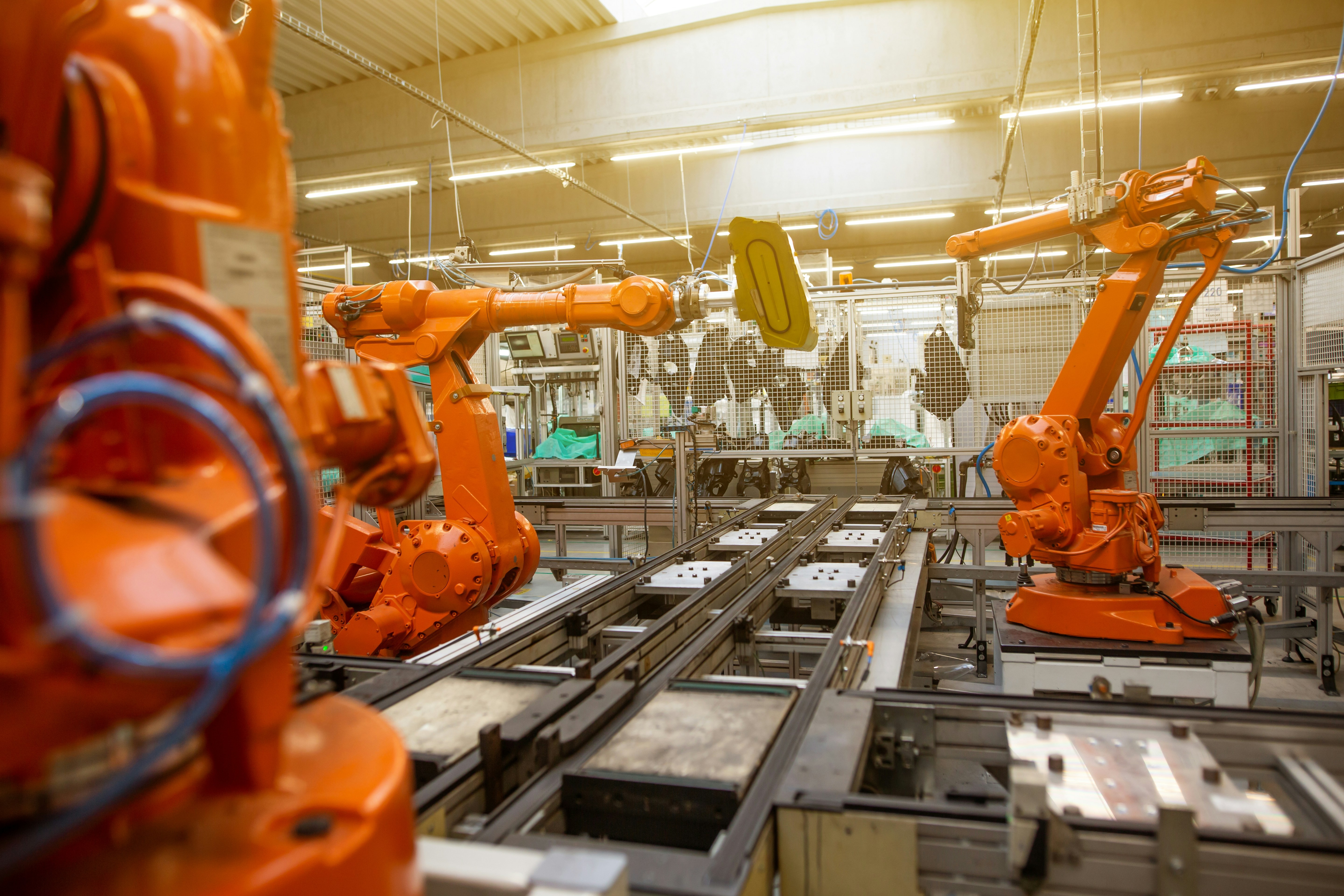
In the ever-evolving world of aerospace manufacturing, the significance of aerospace structural adhesives cannot be overstated. These adhesives are not merely supplementary materials; they are pivotal in enhancing aircraft performance, durability, and safety. As we look to the future, advancements in adhesive technologies promise to redefine how we approach metal bonding and assembly in aviation.
The Future of Aerospace Adhesive Technologies
The future of aerospace adhesive technologies is bright and innovative, with ongoing research focused on developing more efficient epoxy adhesives and other bonding solutions. New formulations aim to improve the strength-to-weight ratio of aircraft components while ensuring resistance to extreme conditions encountered during flight. Additionally, advancements in smart adhesives that can respond to environmental changes could revolutionize metal glue applications in aerospace.
Enhancing Performance with Advanced Adhesives
Advanced adhesives like epoxy resin adhesive are at the forefront of enhancing performance for aircraft structures. Their superior bonding capabilities ensure that metals and composites remain securely attached under stress, contributing significantly to overall structural integrity. Moreover, integrating tapes and adhesives into construction processes can streamline assembly while providing added flexibility and strength where needed.
Environmental Responsibility in Aerospace Manufacturing
As environmental concerns grow, the aerospace industry is increasingly turning towards eco-friendly solutions such as water-based resins and sustainable epoxy glues. These innovations not only reduce harmful emissions but also align with global efforts toward greener manufacturing practices. By prioritizing environmental responsibility alongside performance enhancements, manufacturers can ensure that their use of aerospace structural adhesive contributes positively to both technology and our planet.