
Introduction
In the world of manufacturing and technology, thermal adhesives have emerged as unsung heroes, providing essential solutions for heat management. These specialized adhesive products are designed to conduct heat efficiently, making them invaluable in various applications. With their unique properties, thermal adhesives, particularly epoxy adhesives and conductive adhesives, are revolutionizing how we bond materials in high-temperature environments.
Understanding the Role of Thermal Adhesives
Thermal adhesives serve a critical function by facilitating heat transfer between components while also providing strong bonding capabilities. Unlike traditional adhesive glue that may falter under heat stress, thermal adhesives maintain integrity even at elevated temperatures. This makes them ideal for industries where both adhesion and thermal conductivity are paramount.
Key Benefits of Using Conductive Adhesives
The use of conductive adhesives offers several key advantages that set them apart from standard adhesive products. First and foremost, they provide excellent thermal management which is crucial for preventing overheating in electronic devices and other applications. Additionally, these adhesive solutions can simplify assembly processes by eliminating the need for mechanical fasteners while ensuring reliable performance.
Applications of Heat Adhesives in Industry
Heat adhesives find a wide range of applications across multiple industries including automotive, electronics, and aerospace sectors. In electronics manufacturing, for example, they are used to bond components like heat sinks to circuit boards effectively managing temperature levels during operation. As technology advances and devices become more compact and powerful, the demand for efficient thermal management solutions like conductive adhesive products will only continue to grow.
What is a Thermal Adhesive?

Thermal adhesives are specialized adhesive products designed to conduct heat while bonding materials together. Unlike standard adhesive glue, these heat adhesives play a crucial role in applications requiring efficient thermal management, such as in electronics and automotive industries. Understanding what makes a thermal adhesive unique is essential for selecting the right product for your needs.
Defining Thermal Adhesives in Simple Terms
In simple terms, a thermal adhesive is an adhesive that not only bonds materials but also conducts heat effectively between them. This dual function makes it particularly useful in scenarios where excess heat needs to be dissipated, like in electronic devices or high-performance machinery. Essentially, while traditional adhesives hold things together, thermal adhesives ensure that they can handle temperature fluctuations without compromising performance.
How Thermal Conductivity is Measured
Thermal conductivity, the measure of a material's ability to conduct heat, is typically quantified using units like Watts per meter-Kelvin (W/m·K). In the world of thermal adhesives, this measurement helps determine how effectively an adhesive product can transfer heat from one surface to another. Higher values indicate better performance; thus, when selecting a conductive adhesive for your project, it's important to consider this metric alongside other properties.
Comparing Thermal Adhesives to Other Adhesives
When comparing thermal adhesives to standard epoxy adhesives or other forms of adhesive glue, the key difference lies in their ability to manage heat transfer. While epoxy adhesives may excel at bonding strength and durability under normal conditions, they often fall short when it comes to conducting heat efficiently. Therefore, if your application involves high temperatures or requires effective heat dissipation, opting for a dedicated thermal adhesive will yield better results than conventional options.
Types of Thermal Adhesives
When it comes to thermal adhesives, the variety available can be overwhelming. Each type of adhesive product has its unique properties and applications, making it crucial to understand their differences. In this section, we’ll explore epoxy adhesives for heat management, the distinctions between conductive adhesives made from metals versus non-metals, and the vital role that heat adhesives play in electronics.
Exploring Epoxy Adhesives for Heat Management
Epoxy adhesives are a popular choice in the realm of thermal adhesives due to their impressive bonding strength and thermal stability. These adhesive glues are particularly effective in applications that require efficient heat dissipation, making them ideal for both industrial and consumer products. With their ability to withstand high temperatures without losing adhesion properties, epoxy adhesives are often employed in automotive parts, aerospace components, and even household appliances.
One key advantage of using epoxy adhesive is its versatility; it can bond various materials including metals, plastics, and ceramics effectively. This makes it a go-to adhesive product for projects where multiple substrates need to be joined together securely while managing heat transfer efficiently. Additionally, some specialized epoxy formulations come with enhanced thermal conductivity features that further boost their performance in temperature-sensitive applications.
In summary, epoxy adhesives stand out as a leading choice among thermal adhesives thanks to their robust properties tailored for effective heat management. Whether you're assembling electronic devices or repairing high-heat equipment, these adhesive glues can provide reliable solutions that last.
Conductive Adhesives: Metals vs Non-metals
Conductive adhesives represent another exciting category within thermal adhesives that cater specifically to electronic applications where electrical conductivity is essential. These adhesive products can be formulated using either metal particles or non-metal materials like carbon-based compounds to achieve conductivity. The choice between metal versus non-metal conductive adhesives typically depends on factors such as cost efficiency and specific application requirements.
Metal-based conductive adhesives usually offer superior electrical conductivity but may come with trade-offs regarding flexibility or weight—important considerations depending on your project needs. On the other hand, non-metal conductive options tend to provide better flexibility and lower weight while still delivering satisfactory performance in many scenarios involving thermal management and electrical connections. This means you can select an adhesive glue based on whether you prioritize conductivity or other physical attributes.
Ultimately, understanding the differences between metal and non-metal conductive adhesives will help you make informed decisions when selecting a suitable thermal adhesive for your project needs. With advancements in material science continually evolving this field, there’s always something new on the horizon!
The Role of Heat Adhesives in Electronics
Heat adhesives play an indispensable role in modern electronics by ensuring components stay securely bonded while effectively managing temperature fluctuations during operation. The integration of these specialized adhesive products allows manufacturers to create compact designs without compromising performance or reliability—a critical factor as devices become smaller yet more powerful over time.
From smartphones to computer processors, using a reliable thermal adhesive ensures efficient heat dissipation away from sensitive components like CPUs or GPUs which generate significant amounts of heat during use. Moreover, many modern electronic assemblies utilize surface mount technology (SMT), where precise application techniques are required; here again is where quality heat adhesive shines by providing excellent adhesion even under challenging conditions such as vibration or temperature cycling.
In conclusion, incorporating effective heat adhesives into electronic manufacturing processes not only enhances product longevity but also optimizes overall performance—making them essential tools for engineers striving toward innovation within this dynamic industry.
Choosing the Right Adhesive Product

Selecting the right adhesive product is crucial for ensuring the success of your project. With a variety of options available, including thermal adhesives and epoxy adhesives, it's essential to understand the specific requirements of your application. Factors such as bonding strength, durability, and temperature resistance will guide you in making an informed choice.
Factors to Consider for Your Project
When choosing a thermal adhesive, consider the materials you are bonding together. Different surfaces may require specific types of adhesive glue to achieve optimal adhesion and performance. Additionally, assess the environmental conditions in which your heat adhesive will be used; factors like humidity and exposure to chemicals can influence your choice significantly.
Another critical factor is the intended use of your project. For instance, if you're working on electronics that generate heat, a conductive adhesive may be necessary to ensure efficient heat dissipation. Understanding these nuances will help you select an adhesive product that meets both performance and safety standards.
Evaluating Strength and Durability
The strength of an adhesive is paramount in determining its effectiveness in any application. Epoxy adhesives are renowned for their exceptional bonding capabilities and durability under stress; they can withstand heavy loads without compromising integrity. When evaluating a thermal adhesive, consider its tensile strength ratings and how it performs under various conditions.
Durability goes hand-in-hand with strength; you'll want an adhesive that not only holds up well initially but also maintains its properties over time. Look for data on fatigue resistance and long-term stability when selecting your heat adhesive product. Remember that a strong bond today means fewer headaches tomorrow!
Temperature Resistance Requirements
Temperature resistance is another vital aspect when selecting a conductive or thermal adhesive for your projects. Different applications may expose adhesives to extreme temperatures, so it’s essential to choose one that can endure those conditions without failing or degrading over time. Always check the manufacturer's specifications regarding temperature limits to ensure compatibility with your project's needs.
For instance, if you're dealing with high-performance electronics or automotive components subjected to fluctuating temperatures, opting for an epoxy adhesive with high-temperature resistance could be beneficial. This not only enhances reliability but also prolongs the lifespan of bonded assemblies in challenging environments.
In summary, carefully considering factors such as material compatibility, strength and durability requirements, along with temperature resistance will lead you toward selecting the ideal thermal adhesive or conductive adhesive for your specific needs.
Chemix's Anionic Resin: A Game Changer
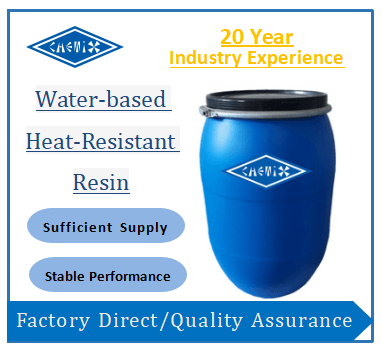
Chemix's Anionic Resin is revolutionizing the world of thermal adhesives, providing a unique solution for various industrial needs. This innovative adhesive product boasts exceptional thermal conductivity and bonding strength, making it an ideal choice for applications where heat management is critical. With its advanced formulation, this epoxy adhesive surpasses traditional options, delivering reliable performance across diverse sectors.
Overview of Chemix's Anionic Resin
At its core, Chemix's Anionic Resin is designed to offer superior adhesion while maintaining high thermal conductivity. Unlike conventional adhesive glues, this resin incorporates cutting-edge technology that enhances its performance in heat-sensitive environments. Whether you're working on electronics or automotive applications, this conductive adhesive is engineered to meet demanding specifications.
Benefits in Various Industrial Applications
The benefits of Chemix’s Anionic Resin are vast and varied across multiple industries. In electronics manufacturing, for instance, its exceptional thermal properties ensure efficient heat dissipation from components, which can enhance device longevity and reliability. Additionally, in sectors like aerospace and automotive engineering, this heat adhesive provides robust bonding that withstands extreme temperatures and environmental conditions.
Compatibility with Different Materials
One of the standout features of Chemix's Anionic Resin is its versatility when it comes to material compatibility. This thermal adhesive can bond effectively with metals, plastics, ceramics, and even composites without compromising performance quality. As a result, users can confidently employ this adhesive product across a wide range of projects without worrying about material limitations.
Application Techniques for Thermal Adhesives
When it comes to utilizing thermal adhesives effectively, the right application techniques can make all the difference. Whether you’re working with an epoxy adhesive or a conductive adhesive, understanding how to apply these adhesive products will enhance performance and longevity. Here are some tips that will help you master the art of using adhesive glue.
Tips for Effective Use of Adhesive Glue
To achieve optimal results with your thermal adhesive, start by ensuring that both surfaces are clean and free from contaminants such as dust, grease, or moisture. A well-prepared surface allows the adhesive glue to bond more effectively, maximizing thermal conductivity and overall strength. Additionally, applying an even layer of adhesive product is crucial; too much can lead to excess curing time and inadequate bonding.
Consider using a mixing tool if your epoxy adhesive requires it; this ensures a consistent blend that enhances performance. For conductive adhesives, pay special attention to the mixing ratio as specified by the manufacturer—getting this wrong can compromise heat adhesion properties. Lastly, always follow the manufacturer's instructions regarding application techniques and environments for best results.
Common Mistakes to Avoid
One common pitfall when working with heat adhesives is not allowing sufficient curing time before subjecting them to stress or temperature changes. This impatience can lead to weak bonds that fail under pressure or heat exposure—definitely not what you want! Another mistake is overlooking compatibility; using an inappropriate thermal adhesive on certain materials can result in poor performance or even damage.
Also, don’t underestimate environmental factors like humidity and temperature during application; they can significantly affect how well your adhesive product performs. Using too little adhesive glue might also seem like a cost-saving measure but often results in insufficient coverage and bonding failure down the line. Remember: when in doubt, consult product guidelines!
Ensuring Proper Curing for Maximum Performance
Curing is where all your hard work pays off—if done correctly! For thermal adhesives like epoxy adhesives or conductive adhesives, proper curing ensures that they reach their full strength and functionality after application. Make sure you follow recommended temperatures and times provided by manufacturers for each specific type of heat adhesive.
Consider factors such as ambient temperature; if it’s too cold or hot during curing, it could hinder the performance of your thermal adhesives significantly. Additionally, avoid disturbing bonded surfaces until fully cured; movement during this critical phase can weaken bonds dramatically!
In summary, mastering application techniques for thermal adhesives involves preparation, patience, and adherence to guidelines—making sure every project turns out just right!
Conclusion
In conclusion, selecting the right adhesive product is crucial for achieving optimal performance in various applications. Understanding the differences between thermal adhesives, epoxy adhesives, and conductive adhesives can make a significant difference in your project's success. With the right heat adhesive, you can ensure durability and efficiency in your bonding needs.
Key Takeaways on Selecting Adhesives
When choosing an adhesive glue for your project, consider factors such as thermal conductivity, strength, and temperature resistance. Thermal adhesives excel in heat management, while epoxy adhesives provide robust bonding capabilities for various materials. Remember to evaluate the specific requirements of your application to select the most suitable adhesive product.
Final Thoughts on Thermal Adhesive Applications
The versatility of thermal adhesives makes them indispensable across numerous industries, particularly in electronics and automotive sectors. These heat adhesives not only enhance performance but also ensure longevity by effectively managing heat dissipation. As technology continues to evolve, the demand for high-performance conductive adhesives will only increase.
The Future of Conductive Adhesives in Technology
Looking ahead, conductive adhesives are poised to play a pivotal role in next-generation technologies such as electric vehicles and advanced electronics. With innovations like Chemix's anionic resin paving the way for better compatibility and performance, we can expect exciting advancements in this field. The future of thermal adhesive solutions is bright as industries increasingly rely on these specialized products to meet their evolving needs.