
Introduction
In the world of construction and manufacturing, the choice of a structural adhesive for metal can make or break a project. Selecting the right adhesive glue is crucial not only for ensuring strong bonds but also for enhancing the overall durability and longevity of materials. With a plethora of options available, understanding metal adhesive options becomes essential for achieving optimal results.
Why Choose the Right Structural Adhesive
Choosing the right structural adhesive is like picking the perfect partner; it needs to complement your materials and withstand various challenges. A well-selected bonding adhesive offers superior strength, flexibility, and resistance to environmental factors, making it indispensable in industrial applications. By investing time in understanding your options, you can ensure that your projects stand up to wear and tear.
Understanding Metal Adhesive Options
Metal adhesive glue comes in various formulations tailored to different applications—from quick-setting industrial adhesives to more flexible bonding glues designed for challenging environments. Each type has its unique properties, which can significantly impact performance based on temperature fluctuations or exposure to moisture. Knowing these differences will help you select the most suitable option for your specific needs.
Benefits of Effective Bonding Solutions
Effective bonding solutions not only enhance structural integrity but also streamline production processes by reducing assembly times and labor costs. The use of high-quality adhesives minimizes the risk of failure while maximizing performance across diverse applications—from automotive manufacturing to crafting intricate designs with plastic adhesives. Ultimately, choosing an appropriate bonding adhesive leads to more reliable products that meet both consumer expectations and industry standards.
Key Properties of Structural Adhesives

When it comes to choosing a structural adhesive for metal, understanding the key properties that define their performance is crucial. These properties not only determine how well the adhesive will bond different materials but also affect its longevity and reliability in various applications. In this section, we’ll explore strength and durability, flexibility and temperature resistance, as well as environmental factors that can impact adhesive performance.
Understanding Strength and Durability
Strength and durability are paramount when selecting a metal adhesive glue. A robust structural adhesive must withstand mechanical stresses, including tension, compression, and shear forces without failing. Whether you’re working on an industrial project or a simple craft application, ensuring that your bonding glue maintains its integrity over time is essential for safety and functionality.
Durability also extends to resistance against wear and tear from environmental exposure. For instance, some adhesives may degrade under UV light or in humid conditions; therefore, it's vital to choose an industrial adhesive specifically designed for the environment in which it will be used. This ensures that your chosen bonding adhesive provides long-lasting results without compromising strength.
Flexibility and Temperature Resistance
Flexibility is another important property of structural adhesives that often gets overlooked. While rigidity might seem appealing at first glance, many applications require some degree of flexibility to absorb shocks or accommodate thermal expansion between bonded materials like metal and plastic adhesives. A flexible bonding glue can help prevent cracks or failures under dynamic loads.
Temperature resistance is equally critical when evaluating an adhesive's performance capabilities. Different projects may expose the bond to extreme heat or cold; thus, selecting a structural adhesive with appropriate temperature tolerance can make all the difference in maintaining bond integrity over time. The right industrial adhesive will ensure that your projects remain intact regardless of fluctuating conditions.
Environmental Factors and Adhesive Performance
Environmental factors play a significant role in how well a bonding adhesive performs over time. Factors such as humidity, exposure to chemicals, or even UV radiation can affect the longevity of your chosen metal adhesive glue significantly. It’s important to consider these elements during selection because they can lead to premature failure if not appropriately accounted for.
Additionally, some adhesives are formulated with special additives designed to enhance their resistance against harsh environmental conditions—these are often referred to as advanced bonding adhesives. By choosing an appropriate structural adhesive for metal based on environmental compatibility, you can ensure optimal performance throughout its intended lifespan while minimizing maintenance needs down the line.
In summary, understanding strength and durability along with flexibility and temperature resistance will guide you toward making informed decisions about your choice of structural adhesives—be it for metal bonds or other materials like plastic adhesives.
Comparing Types of Adhesives for Metal
When it comes to bonding metal, selecting the right adhesive is crucial for ensuring a strong and durable connection. The market offers various options, each with unique properties that cater to different needs and applications. Understanding these options can help you make an informed decision, whether you're working on a craft project or in an industrial setting.
Exploring Metal Adhesive Glue Options
Metal adhesive glue comes in several varieties, including epoxies, cyanoacrylates, and polyurethane adhesives. Each type of metal adhesive glue has its strengths; for instance, epoxy is known for its exceptional strength and durability, making it ideal for heavy-duty applications. On the other hand, cyanoacrylates offer quick bonding times but may lack the flexibility needed for certain projects involving metal.
When choosing a structural adhesive for metal, consider the specific requirements of your project—like load-bearing capacity or environmental exposure. For instance, if you need an adhesive that can withstand extreme temperatures or moisture conditions, look into specialized industrial adhesives designed with those factors in mind. Ultimately, understanding your options will ensure you select the best bonding glue for your needs.
Benefits of Using Industrial Adhesives
Industrial adhesives are engineered to provide superior performance under demanding conditions compared to standard adhesives. These structural adhesives often offer enhanced resistance to chemicals and temperature fluctuations while maintaining strong bonds between metals and other materials like plastics. This makes them particularly valuable in manufacturing settings where precision and reliability are paramount.
Another advantage of using industrial adhesives lies in their ability to bond dissimilar materials effectively—such as metal-to-plastic applications—without compromising strength or integrity. Whether you’re assembling machinery parts or creating intricate designs that require both metal and plastic adhesive solutions, these products deliver consistent results across various uses. By opting for high-quality industrial bonding adhesives, you can save time and costs associated with frequent repairs due to weak bonds.
When to Choose Bonding Adhesive Over Others
Choosing a bonding adhesive over traditional methods like welding or mechanical fasteners depends on several factors related to your project’s requirements. If you're working with thin metals that may warp under heat from welding processes or require a smooth finish without visible fasteners, then a structural adhesive is often the better choice. Additionally, bonding adhesives can distribute stress more evenly across surfaces than mechanical fasteners might allow.
In situations where weight reduction is essential—such as aerospace applications—a lightweight bonding solution could be more advantageous than heavier mechanical attachments. Furthermore, many modern bonding glues offer quick curing times that enable faster assembly without sacrificing bond quality; this can significantly speed up production timelines in both craft projects and industrial manufacturing environments. Ultimately, knowing when to use a bonding adhesive versus other methods will enhance your project's efficiency while achieving optimal results.
Selecting the Right Adhesive for Your Project

Choosing the right adhesive for your project is crucial to ensure a strong and lasting bond, especially when working with metal and plastic materials. The selection process involves understanding material compatibility, application techniques, and cure times. By taking these factors into account, you can confidently select the most effective structural adhesive for metal or other materials.
Assessing Material Compatibility
When selecting an adhesive, assessing material compatibility is paramount. Not all adhesives are created equal; some are specifically formulated as metal adhesive glue, while others work better on plastics or composites. It’s essential to choose a bonding glue that not only adheres well to your chosen substrates but also withstands any environmental conditions they may face.
For instance, if you're bonding metal to plastic, a specialized plastic adhesive may be required alongside your structural adhesive for metal to ensure optimal performance. Misjudging compatibility can lead to weak bonds and premature failure of your project. Therefore, always verify that the selected industrial adhesive is suitable for both materials involved.
Considerations for Application Techniques
Application techniques play a vital role in achieving a successful bond with your chosen structural adhesive. Different adhesives have unique application methods; some may require mixing components before use while others come ready-to-apply as convenient bonding adhesives. Understanding how best to apply your metal adhesive glue will significantly affect the bond strength and overall effectiveness of the product.
Moreover, consider whether you’ll be using manual application tools or automated systems based on the scale of your project. For larger industrial applications, precision in application technique can save time and reduce waste of expensive bonding glue products. Always follow manufacturer guidelines to ensure optimal results when applying any type of adhesive glue.
Evaluating Cure Times and Working Time
Cure times and working time are critical factors that should not be overlooked during the selection process of adhesives like structural adhesives or bonding adhesives. Each type has its own set curing characteristics—some may set quickly while others require longer periods before achieving full strength. Knowing these timelines helps in planning workflow efficiently without unnecessary delays.
Additionally, consider how long you have before needing to manipulate or stress the bonded joint; this will help determine whether an instant-setting industrial adhesive or one with extended working time is more appropriate for your needs. Balancing cure times with working time ensures that you won’t find yourself rushed during critical phases of assembly or installation processes—nobody likes sticky situations!
In-Depth Look at Chemix's Anionic Resin
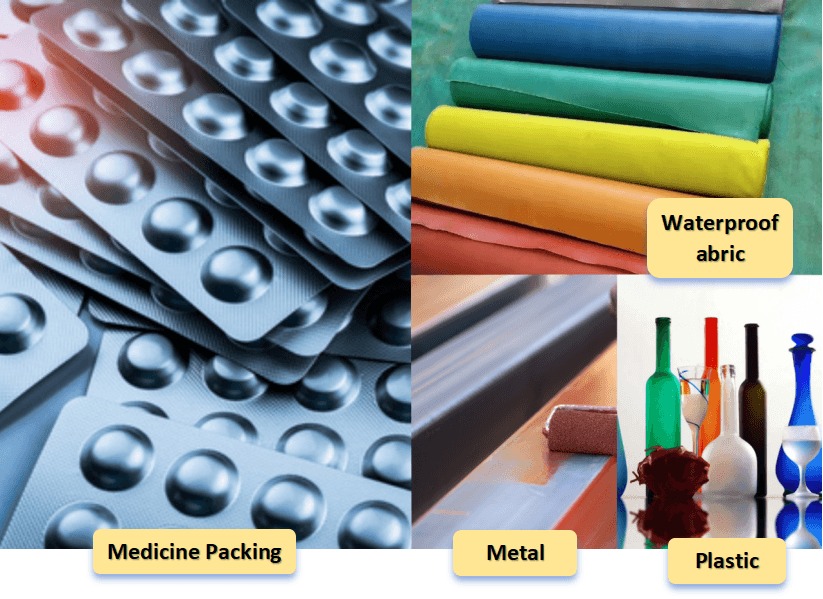
When it comes to selecting the right structural adhesive for metal, Chemix's anionic resin stands out for its unique formulation and versatility. This innovative bonding glue not only excels in metal applications but also offers impressive performance with plastics, making it a go-to choice for various projects. Its adaptability ensures that whether you’re working on crafts or industrial applications, this adhesive glue can meet your needs efficiently.
Unique Features of Anionic Resin
Chemix’s anionic resin boasts several unique features that make it a top contender among industrial adhesives. For starters, its fast curing time allows users to complete projects more quickly without compromising on bond strength or durability. Additionally, this bonding adhesive is designed to resist harsh environmental conditions, ensuring that your bonds remain intact even under stress from temperature fluctuations and moisture exposure.
Another standout feature is its ease of use; the application process is straightforward, making it accessible for both seasoned professionals and DIY enthusiasts alike. The resin also exhibits excellent flexibility after curing, which is crucial when bonding dissimilar materials like metal and plastic—allowing them to expand and contract without breaking apart. With these unique qualities, Chemix's anionic resin establishes itself as a reliable choice in the realm of structural adhesives.
Applications in Metal and Plastic Bonding
The versatility of Chemix’s anionic resin shines through in its wide range of applications involving both metal adhesive glue and plastic adhesive needs. For metal bonding projects, this structural adhesive provides robust connections that can withstand heavy loads and dynamic forces—making it ideal for automotive repairs or machinery assembly where strength is paramount. When used with plastics, the bonding glue effectively creates durable joints that maintain integrity over time, essential for products exposed to varying environmental conditions.
Moreover, this versatile adhesive finds utility across multiple industries including construction, automotive manufacturing, and even arts and crafts—where creative minds demand reliable adhesion between different substrates. Whether you're fabricating parts or repairing household items made from mixed materials, Chemix's anionic resin rises to the occasion by ensuring strong bonds that last. Its ability to work seamlessly with both metals and plastics makes it a valuable asset in any toolkit.
Advantages for Craft and Industrial Use
For both craft enthusiasts and industrial professionals alike, Chemix’s anionic resin presents numerous advantages over traditional bonding adhesives available on the market today. One significant benefit is its exceptional bond strength; users can trust that their creations will hold up under pressure without fear of separation or failure at critical junctions—making it particularly useful in high-stakes environments like manufacturing lines or intricate art installations.
Additionally, the ease of application means less time spent on preparation while achieving superior results—a win-win scenario! Craftspeople appreciate how quickly they can move from one project phase to another due to reduced wait times during curing processes compared to other types of structural adhesives available today.
Lastly, safety remains a priority with Chemix’s formulation; low VOC emissions ensure safer working conditions whether you’re crafting at home or operating within industrial settings where air quality may be a concern. With these advantages combined into one product offering effective solutions for various applications ranging from everyday repairs to complex assemblies—the choice becomes clear: choose Chemix's anionic resin as your go-to bonding solution!
Common Mistakes in Adhesive Selection

Choosing the right adhesive is crucial for achieving strong and lasting bonds, especially when working with metal and plastic. Unfortunately, many people make common mistakes that can lead to subpar results. Understanding these pitfalls can save time, money, and frustration.
Avoiding Wrong Material Pairings
One of the most frequent errors in adhesive selection is mismatching materials. For instance, using a metal adhesive glue on incompatible surfaces can result in weak bonds or complete failures. Always check compatibility between your structural adhesive for metal and the materials involved; this is essential for ensuring optimal performance.
Misunderstanding Application Requirements
Another common mistake is misjudging application requirements, which can vary significantly depending on the type of adhesive used. Each industrial adhesive has its own set of instructions regarding surface preparation, application methods, and curing times that must be followed closely for effective bonding glue performance. Ignoring these guidelines often leads to poor adhesion or even complete failure of the bond.
Moreover, some people overlook environmental conditions during application—factors like temperature and humidity can greatly affect how well an adhesive performs. For example, a structural adhesive might require specific temperatures to cure properly; applying it outside those parameters could compromise its strength. Always read product labels carefully and consider environmental factors when selecting your bonding adhesive.
Overlooking Safety Precautions
Safety should never be an afterthought when working with adhesives; neglecting safety precautions can have dire consequences. Many industrial adhesives contain chemicals that require proper handling techniques—failure to use gloves or masks can expose you to harmful substances found in some metal adhesive glues or plastic adhesives. Always prioritize safety by following recommended guidelines for personal protective equipment (PPE).
Furthermore, improper storage of adhesives can lead to degradation over time or even accidents if not handled appropriately. Make sure you store your bonding glue according to manufacturer recommendations—this includes keeping it away from extreme temperatures or direct sunlight which could affect its effectiveness later on. By being vigilant about safety precautions, you’ll ensure not only a successful project but also a safe working environment.
Conclusion
In the world of bonding, choosing the right adhesive can make all the difference between a project that stands the test of time and one that falls apart at the seams. Whether you’re working with metal, plastic, or a combination of materials, understanding the nuances of structural adhesives is crucial. With so many options available—from industrial adhesives to specialized bonding glue—knowing how to select the right product ensures your work meets both performance and safety standards.
Best Practices for Choosing Adhesives
First, always assess material compatibility; not all metal adhesive glue will work effectively on every surface. Additionally, consider application techniques—are you using a spray, brush, or syringe? Each method may require different types of bonding adhesive for optimal results.
Another best practice is to evaluate cure times and working time; some adhesives set quickly while others allow for adjustments before curing. It’s also essential to read product specifications carefully and consult manufacturer guidelines to ensure you're using an appropriate plastic adhesive when needed. By following these tips, you’ll be well-equipped to choose an effective bonding glue that meets your project's specific requirements.
Importance of Testing Adhesive Bonds
Testing adhesive bonds should never be an afterthought; it’s a critical step in ensuring long-term durability and functionality in any project involving structural adhesives. Before committing to full-scale application, conducting small-scale tests can reveal potential issues with adhesion strength or environmental resistance that might not be evident initially. This is especially true when using industrial adhesives where slight variations in mix ratios or application methods can lead to drastically different outcomes.
Furthermore, testing allows you to identify any unforeseen interactions between different materials—like how a particular metal adhesive glue reacts with coatings or finishes applied on surfaces prior to bonding. By taking this precautionary measure seriously, you can save yourself from costly repairs down the line due to bond failures or unexpected performance issues in real-world conditions.
Future Trends in Adhesive Technology
The landscape of adhesive technology is constantly evolving as new materials and applications emerge across various industries. One significant trend is the development of eco-friendly adhesives that minimize environmental impact without sacrificing performance—a vital consideration for modern manufacturers seeking sustainable practices in their operations. Advances in smart adhesives are also on the horizon; these innovative products could offer self-healing properties or enhanced monitoring capabilities through embedded sensors.
Moreover, as industries continue pushing boundaries with lightweight composites and advanced alloys, there will be increasing demand for specialized structural adhesives designed specifically for these materials. Keeping an eye on these trends will help professionals stay ahead of the curve and ensure they are equipped with cutting-edge solutions like high-performance metal adhesive glues tailored for modern challenges.