
Introduction

In the world of product branding and packaging, the importance of choosing the right labeling adhesive cannot be overstated. A well-chosen adhesive not only ensures that your labels stick where they should but also enhances the overall aesthetic appeal of your products. From craft brews to gourmet foods, the right labeling glue can make all the difference in how consumers perceive your brand.
Why Choosing the Right Labeling Adhesive Matters
Selecting an appropriate labeling adhesive is crucial for ensuring that labels remain intact throughout a product's lifecycle. Whether it’s a refreshing beer bottle or a gourmet food jar, consumers expect labels to be clear and legible without peeling or fading away. The right adhesive can also convey quality and reliability, reinforcing brand loyalty and consumer trust.
The Importance of Bonding Durability
Bonding durability is at the heart of effective labeling solutions; it determines how well a label adheres in various conditions, including temperature fluctuations and moisture exposure. For instance, an ice-proof bond is essential for products stored in cold environments, ensuring that labels stay intact even when subjected to condensation or freezing temperatures. Without strong bonding durability, even the most beautifully designed labels can become liabilities for brands.
Different Types of Labeling Adhesives
Labeling adhesives come in various types, each with unique properties tailored to specific applications. Water-based adhesives are popular for their eco-friendliness and ease of use, while pressure-sensitive adhesives offer versatility across different surfaces without needing additional tools or heat for application. Understanding these options—including specialized adhesives like those used as labeling glue for beer bottles—allows businesses to make informed choices that align with their product needs and environmental goals.
Understanding Labeling Adhesives

What Constitutes a Good Labeling Adhesive
A quality labeling adhesive must exhibit excellent bonding properties, ensuring that labels adhere firmly without curling or peeling over time. For instance, when considering labeling glue for beer bottles, it's essential that the adhesive withstands moisture and temperature fluctuations without compromising its integrity. Additionally, a good adhesive should be easy to apply and dry quickly, allowing for efficient production processes.
Key Properties to Look For
When selecting labeling adhesives, there are several key properties to keep in mind. First and foremost is adhesion strength; you want an adhesive that provides a robust bond suitable for the specific application—like an ice-proof bond for cold products or beverages. Other important factors include resistance to environmental conditions such as humidity and temperature variations, as well as compatibility with the label material itself.
How Adhesive Technology Has Evolved
Adhesive technology has come a long way from simple glue formulas of yesteryear; modern innovations have introduced specialized formulations tailored for diverse applications. For example, advancements have led to the development of water-based adhesives that offer excellent performance while being environmentally friendly—ideal for brands keen on sustainability in their labeling practices. Furthermore, today's adhesives can now cater specifically to niche markets like craft breweries with unique needs—ensuring their labeling glue for beer bottles meets both aesthetic and functional requirements.
Types of Labeling Adhesives
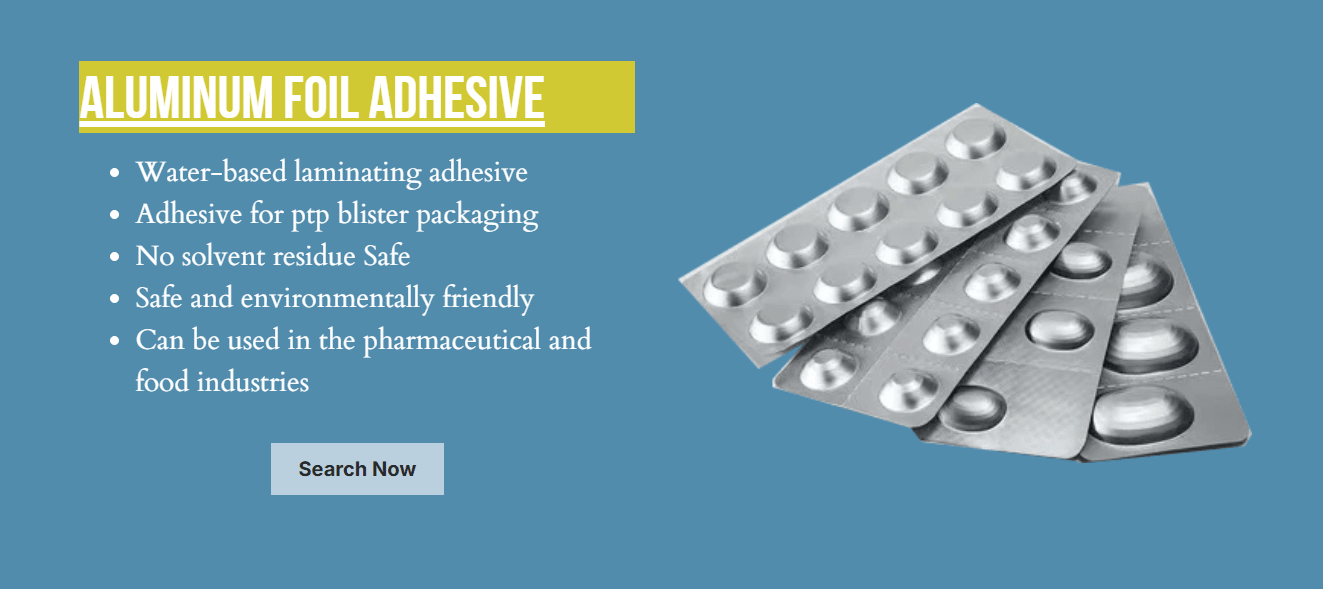
When it comes to choosing the right labeling adhesive, understanding the various types available is crucial for achieving optimal results. Each adhesive type has its unique properties and applications, making it essential to select one that meets your specific needs. In this section, we will delve into three popular types of labeling adhesives: water-based adhesives, pressure-sensitive adhesives, and ice-proof bonds.
Water-Based Adhesives and Their Benefits
Water-based adhesives have become increasingly popular due to their eco-friendly nature and versatility. These labeling adhesives are composed primarily of water, which makes them less harmful to the environment compared to solvent-based options. Additionally, they offer excellent bonding strength for various surfaces while being easy to clean up with just soap and water—ideal for those looking for convenience in their labeling glue for beer bottles or other products.
One of the standout benefits of water-based adhesives is their low volatile organic compound (VOC) content, making them a safer choice for both users and consumers alike. They also dry clear, ensuring that your labels maintain a professional appearance without unsightly residue. Whether you need a durable bond or a quick-drying solution, water-based labeling adhesives can often meet your needs effectively.
Moreover, these adhesives perform well across different temperatures and humidity levels, allowing you to label products in various environments confidently. As manufacturers continue to innovate in this space, expect even more advancements in water-based adhesive technology that further enhance their performance characteristics.
Pressure-Sensitive Adhesives Explained
Pressure-sensitive adhesives (PSAs) are another popular choice when it comes to labeling solutions due to their ease of use and versatility. These adhesives bond when pressure is applied without needing heat or solvents—simply peel off the backing paper and stick! This feature makes PSAs particularly appealing for quick applications like labeling glue for beer bottles where speed is essential during production.
One key advantage of pressure-sensitive adhesives is their ability to adhere well to a variety of surfaces—including glass, plastic, metal—without requiring any additional curing time. This means you can apply labels on-the-go without worrying about waiting around for an adhesive bond to set fully. Moreover, PSAs can be formulated with different tack levels depending on your specific requirements; whether you need a temporary label or something more permanent, there's likely a PSA tailored just for that purpose.
However, it's worth noting that while pressure-sensitive adhesives are incredibly versatile, they may not always be suitable for extreme conditions such as freezing temperatures or exposure to moisture over time. Therefore, if you're dealing with products intended for cold storage or outdoor use where durability matters most—read on!
Ice-Proof Bond: Ideal for Cold Products
For those seeking an adhesive solution specifically designed for cold environments or icy conditions—the ice-proof bond is worth considering! This specialized type of labeling adhesive excels at maintaining strong adhesion even in sub-zero temperatures—a must-have feature if you're packaging items like frozen foods or beverages stored at low temperatures like beer bottles kept in ice buckets during summer parties.
Ice-proof bonds are engineered with unique formulations that allow them not only to stick firmly but also resist moisture buildup from condensation—which could otherwise compromise label integrity over time! This ensures that your product remains visually appealing while adhering securely throughout its lifecycle—from production through transportation all the way until it reaches consumers' hands.
Additionally, these ice-proof bonding agents can withstand temperature fluctuations without losing effectiveness; so whether your product goes from freezer storage straight into hot kitchens or outdoor picnics—you can rest assured knowing these labels will hold strong! When choosing an appropriate labeling adhesive tailored specifically towards cold environments—it’s essential not just focus solely on adhesion strength but also consider factors such as moisture resistance alongside overall durability against harsh conditions encountered during transport & storage phases alike!
Applications for Labeling Adhesives

Labeling adhesives play a crucial role across various industries, ensuring that products are not only identifiable but also comply with regulatory requirements. From beer bottles to gourmet food packaging, the right labeling adhesive can make a significant difference in both functionality and aesthetics. Let’s dive into some specific applications where these adhesives shine.
Labeling Glue for Beer Bottles
When it comes to beer bottles, the choice of labeling glue is paramount for both brand recognition and practical use. A strong labeling adhesive ensures that labels stay intact even when exposed to moisture or condensation—common occurrences in the beverage industry. Notably, many breweries opt for pressure-sensitive adhesives that provide an ice-proof bond, allowing labels to withstand freezing temperatures without peeling away.
Moreover, the aesthetic appeal of a well-attached label cannot be overstated; it enhances shelf presence and attracts consumers. Breweries often experiment with unique designs and finishes that require specialized labeling adhesives tailored specifically for glass surfaces. In this competitive market, using the right labeling glue not only improves performance but also elevates brand image.
Food and Beverage Industry Needs
In the food and beverage sector, compliance with health regulations is as critical as product appeal; hence, choosing the right labeling adhesive is essential. Labels must adhere securely while being resistant to oils, moisture, and temperature fluctuations—qualities best found in high-quality adhesives designed for food packaging. Water-based adhesives are increasingly popular due to their non-toxic properties and ability to create strong bonds without compromising safety.
Furthermore, brands are now focusing on sustainability by opting for eco-friendly labeling solutions that do not sacrifice durability or performance. The demand for clear information on ingredients has led manufacturers to seek out innovative labeling adhesives that can accommodate variable data printing without smudging or fading over time. Ultimately, selecting an appropriate adhesive contributes significantly to consumer trust and satisfaction in food products.
Specialty Labels for Unique Products
Specialty labels require specialized solutions tailored to unique surfaces or environmental conditions; this is where innovative labeling adhesives come into play. Products such as cosmetics or industrial goods often need labels that can endure extreme temperatures or abrasive conditions while still looking sharp on shelves. An ice-proof bond becomes essential here when dealing with items stored in cold environments or requiring refrigeration.
Additionally, customizing your adhesive choice based on surface compatibility ensures optimal adhesion without damaging product integrity upon removal—crucial for items like electronics or luxury goods where presentation matters greatly. As markets evolve toward more personalized experiences, companies are increasingly investing in bespoke labeling solutions powered by advanced adhesive technologies that cater specifically to their product needs.
Environmental Considerations

In today’s eco-conscious world, the choice of labeling adhesive can significantly impact sustainability efforts. As consumers increasingly demand greener products, manufacturers are seeking out environmentally friendly options that do not compromise performance. This section delves into innovative solutions like Chemix's water-based resin and highlights the importance of non-toxic choices in labeling adhesives.
The Appeal of Chemix's Water-Based Resin Solution
Chemix's water-based resin solution stands out as a game-changer in the realm of labeling adhesives. Unlike traditional solvents that can emit harmful VOCs, this innovative adhesive provides a strong bond while being kinder to the environment. Moreover, it offers excellent adhesion properties for various applications, including labeling glue for beer bottles, ensuring that labels stay intact even under challenging conditions.
The versatility of Chemix's water-based resin makes it suitable for a wide range of products, from food and beverages to specialty items. Its formulation allows for easy cleanup and lower environmental impact during production and application processes. As businesses strive for sustainability, adopting such eco-friendly alternatives becomes not just a trend but a necessity.
Sustainability in Labeling Adhesives
Sustainability is no longer just an option; it's an expectation from consumers who are more aware than ever about their choices' ecological impact. Labeling adhesives play a crucial role in this narrative as they can be designed to minimize waste and promote recyclability. Manufacturers are increasingly focusing on creating products that align with sustainable practices while maintaining the durability needed for applications like ice-proof bond labels on cold products.
By opting for sustainable labeling adhesives, companies contribute to reducing their carbon footprint and enhancing their brand reputation among environmentally conscious consumers. Innovations in biodegradable materials and recyclable components are making it easier than ever to create effective yet responsible labeling solutions. This shift towards sustainability is not only beneficial for the planet but also fosters customer loyalty among those who prioritize eco-friendly practices.
Non-Toxic Options for Safe Use
In an era where safety is paramount, non-toxic options in labeling adhesives have gained significant traction. These adhesives ensure that products remain safe throughout their lifecycle—from production to consumption—making them especially important in industries like food and beverage where direct contact with packaging is common. For instance, using non-toxic labeling glue for beer bottles ensures that consumers can enjoy their favorite brews without worrying about harmful chemicals leaching into their drinks.
Moreover, these safe alternatives contribute positively to workplace environments by reducing exposure to hazardous substances during application processes. Companies committed to health-conscious practices will find non-toxic labeling adhesives align perfectly with their values while providing reliable performance across various surfaces and conditions. With ongoing advancements in adhesive technology, the future looks bright for those seeking both efficacy and safety in their product labels.
Customizing Your Labeling Adhesive

Customizing your labeling adhesive can make all the difference between a label that sticks and one that peels off at the worst possible moment. To get it just right, you need to consider various factors such as the materials involved, environmental conditions, and specific application requirements. A well-chosen labeling adhesive not only enhances product presentation but also ensures durability and functionality.
Factors That Influence Adhesive Selection
When selecting a labeling adhesive, several factors come into play that can significantly impact performance. First and foremost is the surface to which the label will adhere; different materials like glass, plastic, or metal require specific adhesives for optimal bonding. Additionally, environmental conditions such as temperature fluctuations or exposure to moisture can affect adhesion; for instance, an ice-proof bond is essential for products stored in cold environments.
Another critical factor is the end-use of the product; for example, if you're looking for labeling glue for beer bottles, you’ll want an adhesive that withstands refrigeration without compromising its integrity. The presence of any contaminants on surfaces—like oils or dust—can also influence your choice of adhesive; ensuring a clean surface is key to achieving a robust bond. Ultimately, understanding these factors will guide you toward selecting an effective labeling adhesive tailored to your unique needs.
Choosing the Right Viscosity and Cure Time
Viscosity plays a crucial role in how effectively your labeling adhesive performs during application and curing processes. A thicker adhesive may offer better initial tack but could be challenging to apply uniformly on intricate labels or small surfaces like those found on beer bottles. Conversely, a thinner viscosity might spread easily but could lack sufficient bonding strength if not allowed enough cure time.
Cure time is equally important; it dictates how quickly your labels will be ready for handling or distribution after application. For high-speed production lines where efficiency is paramount, opting for fast-curing adhesives can significantly enhance productivity without sacrificing quality. Therefore, striking the right balance between viscosity and cure time ensures that your labeling glue provides both immediate usability and long-lasting performance.
Tailoring Adhesives for Specific Surfaces
Tailoring adhesives specifically designed for different surfaces can dramatically improve adhesion quality and overall effectiveness of your labels. For example, when applying labels to cold products like beverages stored in ice-filled coolers, an ice-proof bond becomes crucial to prevent peeling under low temperatures. On smooth glass surfaces—such as those used in beer bottles—a specialized formula that enhances grip while resisting moisture would be ideal.
Moreover, consider whether you'll need removable or permanent adhesion based on how often you plan to change labels or rebrand products over time. Custom formulations can also address challenges posed by varying surface textures; rougher surfaces may require more aggressive adhesives to ensure longevity while maintaining aesthetic appeal. By customizing your labeling adhesive according to these parameters, you'll achieve superior results tailored precisely to your product's needs.
Conclusion
In the world of labeling, choosing the right labeling adhesive is crucial for ensuring that your products not only look good but also maintain their integrity over time. Whether you're working with beer bottles or specialty items, understanding the nuances of different adhesives can make all the difference in your branding and customer satisfaction. As we've discussed, factors like bonding durability and environmental considerations are key to making informed decisions.
Making Informed Decisions on Adhesives
When selecting a labeling adhesive, it’s essential to consider your specific application needs, such as whether you require an ice-proof bond for cold storage or a strong hold for beer bottles that may be subjected to condensation. This nuanced approach helps ensure that labels remain intact and legible throughout their lifecycle. Additionally, evaluating properties like viscosity and cure time can help tailor your choice to match the surfaces you’ll be working with.
The Future of Labeling Adhesive Technology
As technology advances, we can expect innovations in labeling adhesives that prioritize both performance and sustainability. Manufacturers are increasingly developing non-toxic options that meet safety standards while providing excellent adhesion qualities—perfect for food and beverage applications like labeling glue for beer bottles. The future will likely see more eco-friendly solutions emerging, allowing businesses to align with consumer demand for sustainable practices without compromising on quality.
Your Guide to Quality Labeling Solutions
Navigating the world of labeling adhesives doesn’t have to be daunting; with a bit of knowledge and insight into your specific needs, you can find quality solutions tailored just for you. From ice-proof bonds ideal for cold products to specialized glues designed specifically for beer bottles, there’s an adhesive out there waiting to elevate your product's presentation. With this guide in hand, you’re well-equipped to make smart choices that enhance both functionality and aesthetics.