
Introduction

In a world increasingly focused on sustainability, the adhesive industry is stepping up to the plate with innovative solutions that minimize environmental impact. Sustainable adhesives, including eco-friendly glue options, are gaining traction as industries seek to balance performance with ecological responsibility. This introduction sets the stage for exploring various adhesive technologies, particularly hot melt adhesives and their applications.
Understanding Sustainable Adhesives
Sustainable adhesives are designed to reduce harmful effects on the environment while maintaining strong bonding capabilities. These products often utilize renewable resources and aim to minimize waste during production and application. By understanding sustainable adhesives, we can appreciate how they contribute to eco-friendly practices across multiple sectors.
The Rise of Hot Melt Adhesives
Hot melt adhesives have surged in popularity due to their versatility and efficacy in various applications. These thermoplastic materials bond quickly upon cooling, making them ideal for fast-paced manufacturing environments where time is of the essence. As industries look for efficient yet sustainable solutions, hot melt adhesive applications are leading the charge in modern bonding techniques.
Comparing Eco-Friendly Glue Options
When it comes to eco-friendly glue options, there’s a growing array of choices that cater to different needs and preferences. From plant-based formulations to innovative synthetic alternatives, these glues prioritize both performance and sustainability. By comparing these options against traditional adhesives like hot melts, we can better understand which solutions will not only serve our projects but also protect our planet for future generations.
What is Plastic-Free Glue?
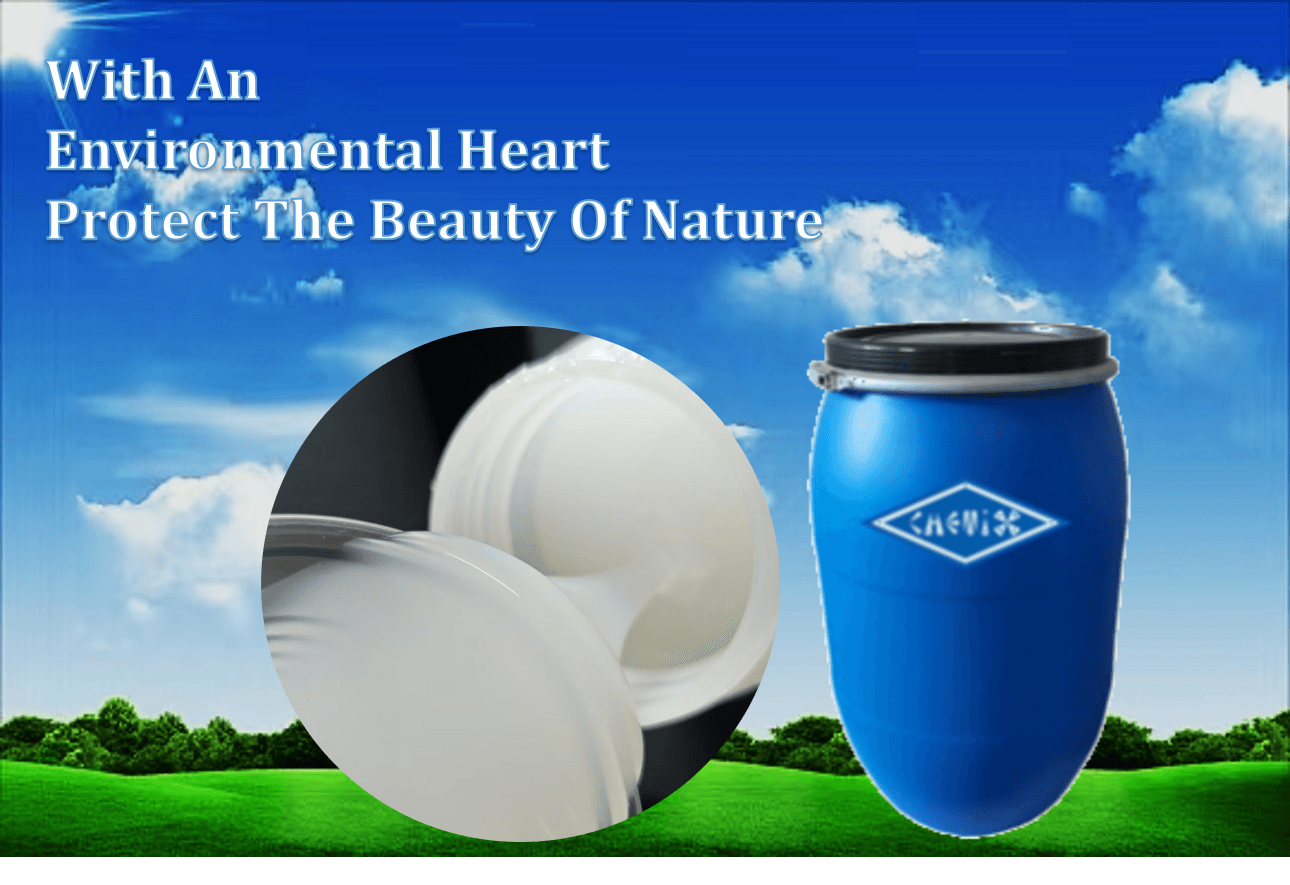
In a world increasingly aware of environmental issues, plastic-free glue emerges as a beacon of hope for sustainable bonding solutions. This innovative adhesive option is crafted without the use of synthetic plastics, making it an attractive choice for eco-conscious consumers and industries alike. By understanding its definition and composition, we can appreciate why this form of eco-friendly glue is gaining traction.
Definition and Composition
Plastic-free glue refers to adhesives that are formulated without any petroleum-based plastics, relying instead on natural or biodegradable materials. Common ingredients might include plant-based resins, starches, or cellulose derivatives that provide strong bonding capabilities while remaining environmentally friendly. As more manufacturers pivot towards these alternatives, the diversity in formulations continues to expand, offering various options tailored to specific applications.
Benefits for the Environment
The environmental benefits of using plastic-free glue are substantial and multifaceted. Firstly, these adhesives significantly reduce plastic waste since they break down more easily in natural environments compared to traditional glues that can linger for centuries. Additionally, many eco-friendly glues are derived from renewable resources, which helps lower carbon footprints and supports sustainable practices in manufacturing.
Ideal Uses in Various Industries
Plastic-free glue finds its niche across multiple sectors due to its versatile nature and strong performance characteristics. In packaging and labeling industries, it serves as an effective bonding agent while promoting sustainability—an essential factor for companies looking to enhance their green credentials. Furthermore, applications in woodworking and crafting benefit from the strong adhesion properties of eco-friendly glue without compromising on durability or safety standards.
Exploring Hot Melt Adhesives
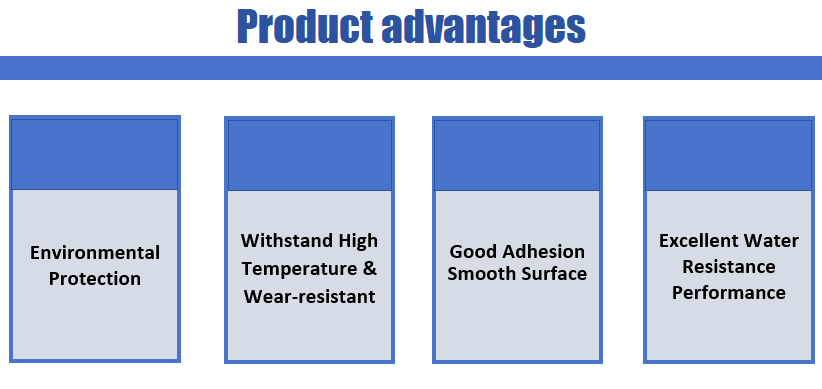
Hot melt adhesives have become a popular choice in various industries due to their versatility and efficiency. Unlike traditional adhesives, which often require solvents or curing agents, hot melts are applied in a molten state and solidify upon cooling. This unique property not only speeds up the bonding process but also opens the door to a multitude of hot melt adhesive applications across different sectors.
Overview of Hot Melt Technology
Hot melt technology relies on thermoplastic polymers that, when heated, transform into a liquid adhesive. This allows for easy application using specialized equipment like glue guns or automated dispensing systems. Once cooled, the adhesive forms a strong bond that is resistant to moisture and temperature fluctuations, making it ideal for both indoor and outdoor use.
The composition of hot melt adhesives varies widely, with options ranging from polyolefins to ethylene-vinyl acetate (EVA). These materials provide flexibility in formulation, allowing manufacturers to tailor properties such as tackiness and hardness based on specific needs. As industries increasingly seek eco-friendly glue alternatives, advancements in hot melt technology are paving the way for sustainable formulations that minimize environmental impact.
Hot Melt Adhesive Applications
The versatility of hot melt adhesives makes them suitable for numerous applications across diverse industries. In packaging, they are commonly used for sealing boxes and cartons due to their quick setting times and strong bonds. Similarly, in the woodworking sector, hot melts are employed for assembling furniture components where precision and speed are crucial.
Moreover, these adhesives find their place in automotive manufacturing by bonding interior components securely while maintaining lightweight structures. The textile industry also benefits from hot melt technologies; they’re used in fabric lamination and garment assembly where flexibility is key. With such broad-ranging hot melt adhesive applications, it’s no wonder they have become a go-to choice for manufacturers looking to enhance productivity without sacrificing quality.
Advantages Over Traditional Adhesives
When comparing hot melt adhesives with traditional options like solvent-based or water-based glues, several advantages stand out prominently. Firstly, the rapid cure time associated with hot melts means projects can move forward faster—no more waiting around for glue to dry! This efficiency translates into increased productivity and reduced labor costs.
Another significant benefit is their environmental profile; many modern formulations are designed as eco-friendly glue alternatives that emit fewer volatile organic compounds (VOCs) compared to traditional adhesives. This not only contributes positively to air quality but also aligns with growing sustainability goals across various industries. Additionally, the strong bond strength offered by hot melts ensures durability under various conditions—making them an excellent choice for long-lasting applications.
Chemix's Water-Based Resin Solution

In the realm of sustainable adhesives, Chemix's water-based resin solution stands out as a remarkable option, offering both versatility and eco-friendliness. This innovative adhesive formulation is designed to meet the growing demand for environmentally responsible products without compromising performance. With its unique characteristics, it is becoming increasingly popular in various industries seeking effective alternatives to traditional adhesives.
Characteristics of Water-Based Resin
Water-based resins are crafted from natural or synthetic polymers that dissolve in water rather than organic solvents, making them a safer choice for both users and the environment. One of their standout features is low volatile organic compound (VOC) emissions, which significantly reduces air pollution and health risks associated with solvent-based products. Additionally, these resins exhibit excellent adhesion properties, making them suitable for a wide range of hot melt adhesive applications while ensuring minimal environmental impact.
Applications in Adhesives and Coatings
The versatility of Chemix's water-based resin allows it to be utilized across various sectors, including packaging, woodworking, and textiles. In packaging applications, this eco-friendly glue provides strong bonding capabilities that meet industry standards without relying on harmful chemicals. Furthermore, its use extends to coatings where it offers protective finishes while maintaining an environmentally friendly profile—an ideal solution for businesses looking to align with sustainability goals.
Environmental Impact Compared to Other Glues
When comparing Chemix's water-based resin to traditional glue options like solvent-based adhesives or even hot melt adhesives, the environmental advantages become clear. The low VOC content not only contributes to cleaner air but also supports healthier working conditions for employees in manufacturing environments. By choosing this eco-friendly glue over more conventional options, industries can significantly reduce their carbon footprint while still achieving high-performance results.
Performance Comparison: Plastic-Free Glue vs. Hot Melt

When it comes to choosing between plastic-free glue and hot melt adhesives, performance is key. Each option has its strengths and weaknesses that can significantly impact the outcome of your projects. By examining strength, cure times, and cost-effectiveness, you can make an informed decision tailored to your specific needs.
Strength and Durability
Strength and durability are crucial factors in adhesive performance, especially for industries relying on robust bonding solutions. Hot melt adhesive applications often showcase impressive tensile strength, making them ideal for heavy-duty tasks like packaging or woodworking. On the other hand, while plastic-free glue may not always match hot melt in sheer strength, many formulations offer excellent adhesion for lighter applications without compromising environmental integrity.
In sectors like construction or automotive manufacturing, the choice of adhesive can affect structural integrity and longevity. For instance, hot melt adhesives excel in scenarios where immediate bonding is essential due to their quick setting properties. However, eco-friendly glues are gaining traction as they provide satisfactory durability while minimizing ecological footprints.
Ultimately, the right choice will depend on the specific requirements of your project—whether you prioritize sheer strength or a more sustainable approach without sacrificing too much on durability.
Cure Times and Application Methods
Cure times play a significant role in project timelines; thus understanding how quickly each adhesive sets is vital for efficient workflow management. Hot melt adhesives typically cure almost instantly upon cooling after application, making them perfect for high-speed production environments where time is money. This rapid curing ability allows manufacturers to streamline processes without long wait times between steps.
Conversely, plastic-free glue often requires longer drying times that can vary based on environmental conditions such as humidity and temperature. While this might slow down certain operations initially, some formulations allow for easier adjustments during application due to their working time flexibility—an advantage when precision is paramount in delicate projects.
When considering application methods, hot melt adhesives shine with various dispensing options available—from simple glue guns to sophisticated automated systems—making them versatile across industries ranging from textiles to electronics. Eco-friendly glues also offer diverse application methods but may require different equipment or techniques depending on their viscosity and formulation characteristics.
Cost-Effectiveness Analysis
Cost-effectiveness remains a top priority for businesses aiming to optimize budgets while achieving quality results with their adhesive choices. In general terms, hot melt adhesives tend to have lower upfront costs due to their efficient application processes; however, this must be weighed against potential long-term expenses related to maintenance or replacements if they fail under stress conditions.
Plastic-free glue options might come with higher initial costs but can provide savings over time through reduced waste generation and compliance with environmental regulations that prevent costly fines or penalties associated with using harmful substances. Additionally, opting for eco-friendly glues could enhance brand reputation among consumers increasingly favoring sustainable practices.
Ultimately determining which adhesive offers better value will depend on individual project needs—factoring in both short-term costs versus long-term benefits as well as aligning choices with broader sustainability goals within your industry.
Making the Choice: Which is Right for You?

Choosing the right adhesive can feel like a daunting task, especially with an array of options available on the market today. Factors such as project requirements, environmental impact, and material compatibility play crucial roles in making this decision. Whether you're leaning towards hot melt adhesive applications or eco-friendly glue alternatives, understanding your specific needs will ultimately guide you to the best choice.
Factors to Consider for Your Projects
When selecting an adhesive, start by assessing the materials you'll be bonding together. Some adhesives perform better with certain substrates; for instance, hot melt adhesives excel in bonding porous materials like cardboard and wood. Additionally, consider environmental conditions such as temperature and humidity—these factors can significantly influence adhesive performance and longevity.
Next, think about application methods and cure times. Hot melt adhesive applications are often favored in high-speed production environments due to their rapid setting time, while eco-friendly glue options may require longer drying periods but offer sustainable benefits. Finally, budget considerations cannot be overlooked; while some eco-friendly glues may come with a higher upfront cost, their long-term benefits often justify the investment.
Industry-Specific Recommendations
Different industries have unique requirements that can dictate which type of adhesive is more suitable. For packaging industries where speed and efficiency are paramount, hot melt adhesives reign supreme due to their quick application and strong bond strength under varying conditions. Conversely, sectors focused on sustainability—such as furniture manufacturing or crafts—may find eco-friendly glue options more appealing because they align with environmentally conscious practices.
In construction and woodworking projects where durability is key, both hot melt adhesives and plastic-free glues have their merits; however, careful consideration of specific product formulations will ensure optimal results based on project demands. The automotive industry also benefits from hot melt adhesive applications for assembly processes where speed is essential without compromising bond integrity.
Future Trends in Adhesive Technologies
The landscape of adhesive technologies is rapidly evolving to meet growing demands for sustainability without sacrificing performance. Innovations in bio-based adhesives are gaining traction as manufacturers explore alternatives that reduce reliance on petroleum-based products while maintaining effectiveness comparable to traditional options like hot melt adhesives. As consumer awareness around environmental issues grows, we can expect increased investment in research aimed at developing new eco-friendly glue formulations that cater to diverse industrial needs.
Moreover, advancements in smart adhesives that respond dynamically to environmental changes could revolutionize how we approach adhesion challenges across various sectors—from construction to electronics manufacturing—making it easier than ever to choose between traditional options or emerging sustainable solutions like eco-friendly glues or innovative hot melts tailored for specific applications.
Conclusion
In the ever-evolving world of adhesives, making informed choices can significantly impact both our projects and the environment. As we’ve explored, understanding the nuances of eco-friendly glue options and hot melt adhesive applications is crucial for selecting the right product for your needs. Whether you lean towards plastic-free solutions or innovative hot melt technologies, each decision contributes to a larger narrative of sustainability.
The Environmental Impact of Your Choices
Each adhesive choice carries its own environmental footprint that can either contribute to or mitigate pollution and waste. Eco-friendly glue options are designed to reduce harmful emissions and promote safer disposal practices, making them an increasingly popular choice among conscientious consumers and businesses alike. In contrast, while hot melt adhesive applications offer performance benefits, it’s vital to consider their long-term effects on our planet, including recyclability and biodegradability.
Balancing Performance and Sustainability
Finding the sweet spot between performance and sustainability is no small feat; however, it is essential in today’s market landscape. Hot melt adhesives shine in various applications due to their quick bonding capabilities and versatility, but they must also compete with eco-friendly glue alternatives that prioritize environmental health without sacrificing effectiveness. Ultimately, the best choice will depend on specific project requirements—whether you need rapid application or a more sustainable solution.
Embracing Innovations in Adhesive Solutions
Innovation is at the heart of progress in adhesive technologies; exciting developments continue to emerge that redefine what we thought was possible. From advanced formulations of eco-friendly glue that enhance durability without compromising safety to cutting-edge hot melt adhesive applications that streamline manufacturing processes—there's much to be optimistic about! By embracing these innovations, industries can not only improve their operational efficiency but also contribute positively to our planet’s future.