
Introduction
In the ever-evolving world of packaging, the role of composite adhesives for PET plastic packages cannot be overstated. These specialized adhesives are crucial in ensuring that PET (polyethylene terephthalate) materials bond effectively, providing durability and reliability in various applications. Understanding what glue is best for PET plastic is essential for manufacturers looking to optimize their packaging solutions.
Understanding Composite Adhesives in Packaging
Composite adhesives are multi-component systems designed to bond different substrates together, making them ideal for diverse applications, including packaging. They offer enhanced adhesion properties and flexibility, which are vital when dealing with materials like PET composite material that require strong yet adaptable bonding solutions. The versatility of these adhesives allows them to perform well under various conditions, ensuring that packaged products remain secure throughout their lifecycle.
The Importance of Bonding PET Plastic
Bonding PET plastic is critical in today's packaging landscape due to its widespread use and the demand for sustainable solutions. Effective adhesion ensures that containers maintain their integrity and functionality while minimizing waste and promoting recyclability—a key consideration in modern manufacturing practices. By selecting the right adhesive, businesses can enhance product performance while also addressing environmental concerns associated with traditional packaging methods.
Overview of Adhesives for PET Applications
From hot melts to water-based resins, each type offers unique advantages depending on the specific requirements of the package being produced. This overview will delve deeper into these options, helping manufacturers make informed decisions about which adhesive best suits their needs while considering factors like efficiency and sustainability.
What is PET Composite Material?
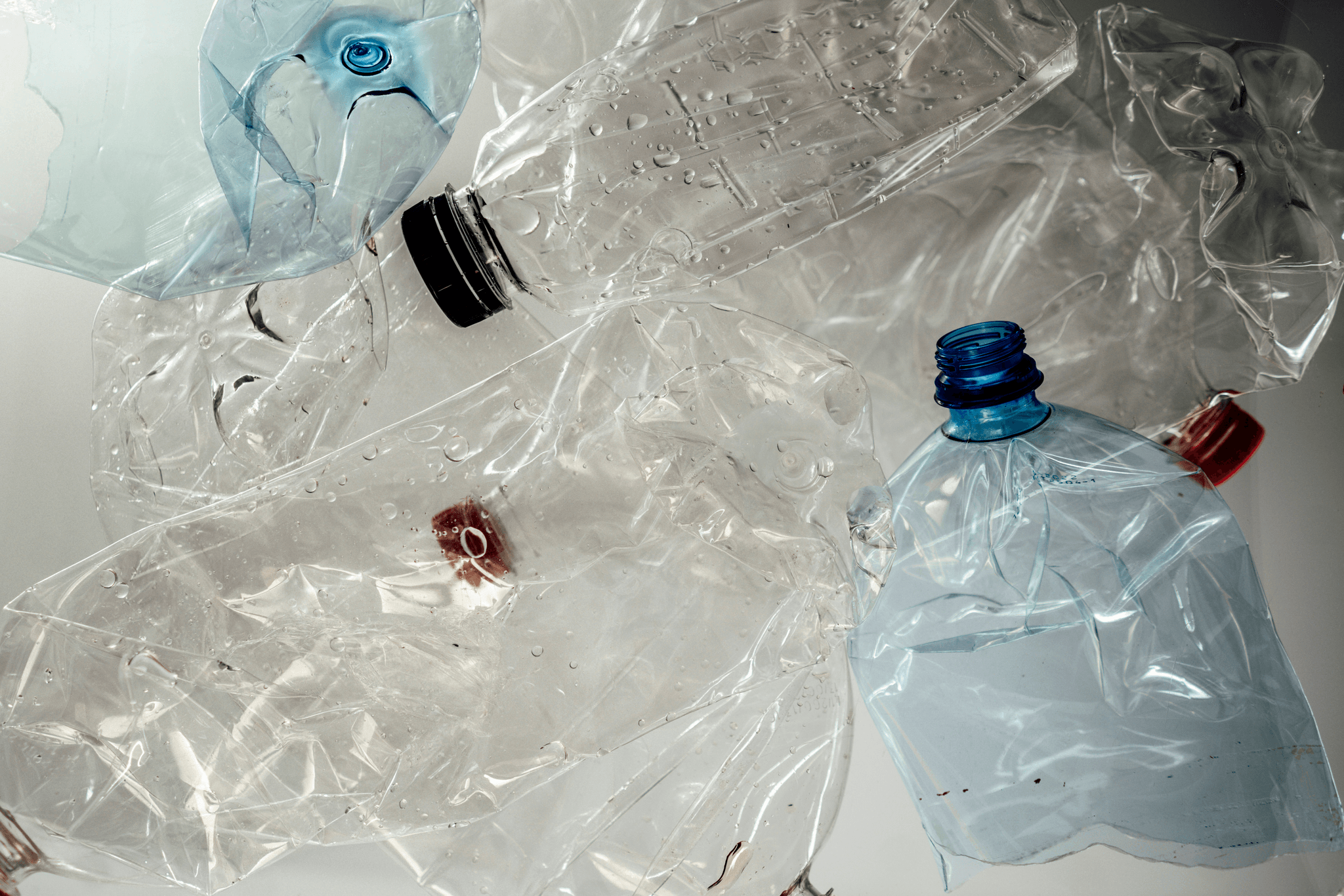
When diving into the world of packaging, one material that often steals the spotlight is PET, or polyethylene terephthalate. This versatile polymer is a type of composite material that combines strength and flexibility, making it an ideal choice for various applications. Understanding what PET composite material is can help in selecting the right adhesive solutions, particularly when asking, “What glue is best for PET plastic?”
Definition and Characteristics
PET composite material consists of a combination of polymers that enhance its properties beyond those of standard plastics. It boasts excellent clarity, chemical resistance, and barrier properties against moisture and gases—making it perfect for food packaging and beverage containers. Additionally, its lightweight nature makes it a favorite among manufacturers looking to reduce shipping costs while maintaining product integrity.
Common Uses in Various Industries
You’ll find PET composite materials in an array of industries—from food and beverage to automotive parts and electronics. In the packaging sector specifically, it's commonly used for bottles, trays, and films due to its durability and recyclability. The question often arises: what adhesive is used in packaging? Well, many rely on composite adhesives for PET plastic packages to ensure strong bonds that withstand various conditions.
The Role of PET in Modern Packaging
In modern packaging solutions, PET plays a pivotal role due to its eco-friendly attributes; it's not only recyclable but also lightweight compared to glass or metal alternatives. Its ability to maintain product freshness while being visually appealing has made it a go-to choice for brands aiming to attract consumers’ attention on crowded shelves. As companies increasingly prioritize sustainability, understanding what is PET composite material becomes essential when considering how best to bond these materials using effective adhesives.
Exploring Composite Adhesives for PET Plastic Package
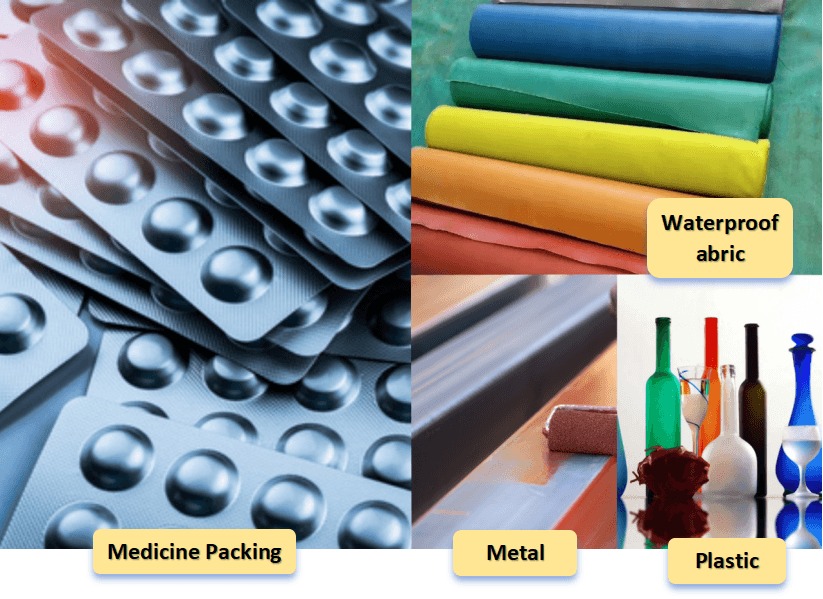
These adhesives are specially formulated to provide strong bonds between various substrates, including PET, which is a popular choice in the packaging industry due to its durability and lightweight properties. Understanding what glue is best for PET plastic can enhance product integrity and performance.
What is a Composite Adhesive?
A composite adhesive is a type of bonding agent that combines multiple components to achieve superior adhesion characteristics. This means they can bond dissimilar materials effectively while providing resistance to environmental factors like moisture and temperature fluctuations. In the context of PET composite material, these adhesives are tailored specifically to meet the unique challenges posed by this popular plastic.
The formulation of composite adhesives often includes polymers, resins, and additives that enhance their properties, making them ideal for applications where traditional glues may fall short. For instance, these adhesives can offer improved flexibility and strength compared to single-component options. This adaptability makes them particularly valuable in industries where durability is paramount.
Key Benefits for PET Applications
Composite adhesives bring several key benefits when applied to PET plastic packages. First off, they provide exceptional adhesion strength that ensures the structural integrity of the package throughout its lifecycle—from production through transportation to end-use. This reliability is crucial when considering what adhesive is used in packaging today.
Moreover, these adhesives exhibit excellent resistance to chemicals and environmental stressors that could compromise package performance over time. They also allow manufacturers greater flexibility in design since they can bond various materials together without sacrificing quality or durability. The ability of composite adhesives for PET plastic packages to perform under various conditions makes them indispensable in modern packaging solutions.
Industry Examples of Composite Adhesives
Numerous industries are leveraging composite adhesives specifically designed for PET applications with great success. For example, food packaging companies often utilize these advanced bonding agents because they ensure airtight seals while maintaining compliance with safety regulations—essentially answering the question: what glue is best for PET plastic? Brands like 3M and Henkel have developed proprietary formulations that cater directly to the needs of food-grade packaging.
In electronics packaging, where protection against moisture and dust is critical, composite adhesives help create robust enclosures that safeguard sensitive components from damage during shipping or handling. Additionally, automotive manufacturers use these adhesives in assembling lightweight parts made from PET composites—showing how versatile this adhesive technology truly is across different sectors.
What Glue is Best for PET Plastic?
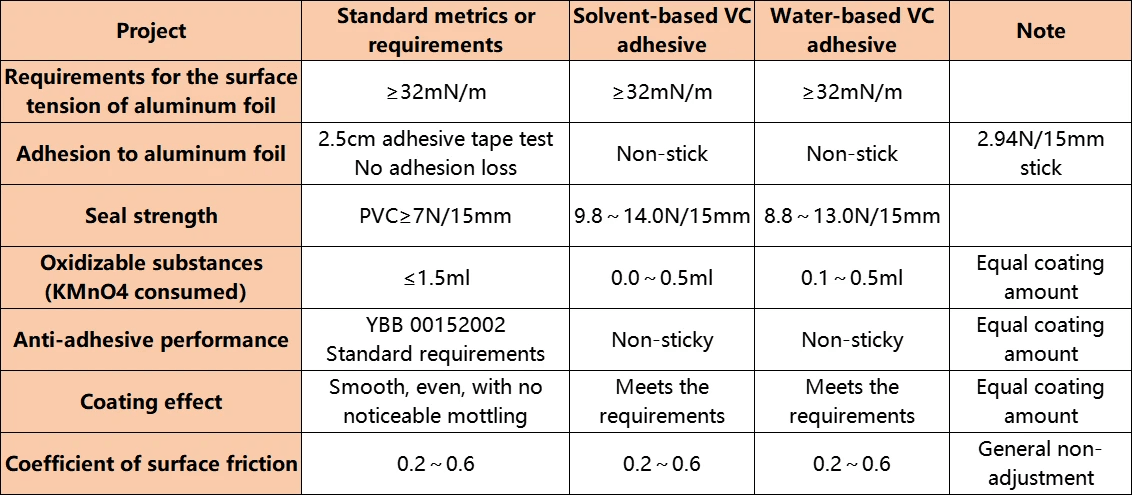
When it comes to bonding PET plastic, selecting the right adhesive can make all the difference. The question of What glue is best for PET plastic? often arises among manufacturers and DIY enthusiasts alike. With a variety of options available, understanding the types of adhesives suitable for PET is essential for achieving optimal results.
Types of Adhesives Suitable for PET
There are several types of adhesives that work particularly well with PET composite material. Solvent-based adhesives are popular due to their strong bonding capabilities and quick curing times; however, they may not be environmentally friendly. Water-based adhesives, including composite adhesives for PET plastic package applications, offer a safer alternative while still providing excellent adhesion properties.
Another option includes cyanoacrylate (super glue), which bonds quickly and effectively but may not withstand extreme temperature variations. Epoxy adhesives also shine in this arena; they provide robust strength and resistance to chemicals and environmental factors, making them ideal for long-lasting bonds in various applications. Ultimately, the choice of adhesive will depend on specific requirements such as flexibility, durability, and environmental impact.
Performance Comparison of Leading Brands
When evaluating the performance of leading brands in the realm of adhesives suitable for PET plastic, several factors come into play: bond strength, curing time, and resistance to environmental conditions. Brands like Loctite offer cyanoacrylate solutions that excel in quick bonding but may lack long-term durability compared to epoxy alternatives from brands like 3M or Gorilla Glue.
In terms of water-based composite adhesives for PET plastic packages, Titebond has made a name by combining eco-friendliness with impressive adhesion capabilities—perfectly aligning with modern sustainability trends. While each brand has its strengths and weaknesses, understanding what adhesive is used in packaging can guide users toward making informed choices based on their specific needs.
Expert Recommendations
Experts frequently recommend considering both application methods and end-use conditions when selecting an adhesive for bonding PET materials. For high-performance applications requiring flexibility alongside strength, water-based composite adhesives are often suggested due to their versatility and lower toxicity levels—making them an excellent choice when asking What glue is best for PET plastic?
Additionally, if immediate bond strength is crucial—for example when working on time-sensitive projects—cyanoacrylate solutions might be favored despite their limitations in extreme environments. Ultimately, consulting product data sheets or seeking guidance from professionals familiar with what is a composite adhesive can further refine your selection process.
Chemix's Water-Based Resin Solution
In the realm of composite adhesives for PET plastic packages, Chemix's water-based resin solution stands out as a remarkable option. This innovative adhesive not only excels in performance but also aligns with modern sustainability goals, making it an attractive choice for manufacturers. By utilizing water as a primary solvent, these resins offer a range of benefits that traditional solvent-based adhesives simply cannot match.
Benefits of Using Water-Based Resins
One of the most significant advantages of using water-based resins is their low environmental impact. Unlike solvent-based adhesives, which can release volatile organic compounds (VOCs) into the atmosphere, water-based options minimize harmful emissions during application and curing processes. Additionally, these composite adhesives for PET plastic packages provide excellent bonding strength while maintaining flexibility and resilience under various conditions.
Another key benefit lies in their ease of use; water-based resins typically require less complicated handling and cleanup compared to their solvent counterparts. This convenience can lead to increased productivity on manufacturing lines where efficiency is paramount. Furthermore, manufacturers often find that these adhesives offer superior adhesion properties when bonding PET composite materials, ensuring that products maintain integrity throughout their lifecycle.
Applications in PET Plastic Bonding
Chemix's water-based resin solution is particularly well-suited for a variety of applications involving PET plastic bonding. From packaging films to rigid containers, this adhesive performs exceptionally well across different substrates within the packaging industry. As businesses increasingly seek answers to What glue is best for PET plastic?, many are discovering that Chemix’s solution provides both versatility and reliability.
Moreover, these water-based resins are ideal for creating multi-layered packaging solutions that require strong bonds between different materials while still adhering to sustainability practices. In sectors such as food and beverage packaging or consumer goods, where safety and performance are critical, Chemix’s adhesive ensures compliance with industry standards without compromising on quality or effectiveness. The ability to bond effectively with PET composite material makes it a go-to choice among manufacturers looking for dependable solutions.
Environmental Impact and Sustainability
The environmental impact of using Chemix's water-based resin solution cannot be overstated—these adhesives represent a significant step towards sustainable bonding solutions in the packaging sector. By reducing VOC emissions during production and application processes, they contribute positively to air quality and overall environmental health. As companies strive to answer What adhesive is used in packaging? with eco-friendly options, Chemix leads the way by offering formulations that align with green initiatives.
Furthermore, adopting these sustainable practices not only benefits the environment but also enhances brand reputation among increasingly eco-conscious consumers who prefer products made with minimal environmental footprints. As more industries explore innovations in sustainable packaging solutions, chemists at Chemix continue developing advanced formulations tailored specifically for challenging applications like those found in PET plastic bonding scenarios.
In conclusion, choosing Chemix's water-based resin solution means opting for high-performance composite adhesives designed specifically for PET plastic packages while prioritizing sustainability—a win-win situation!
What Adhesive is Used in Packaging?
When it comes to packaging, the choice of adhesive can make or break the integrity of a product. Various types of adhesives are utilized across the industry, each chosen for its specific properties and suitability for different materials. Understanding what glue is best for PET plastic and other materials is crucial for manufacturers aiming to ensure quality and sustainability.
Common Adhesives in the Packaging Industry
In the packaging industry, common adhesives include hot melt adhesives, water-based adhesives, and solvent-based adhesives. Hot melt adhesives are particularly favored due to their quick setting times and strong bonds, making them ideal for high-speed production lines. Water-based adhesives are gaining traction as they offer excellent bonding capabilities while being more environmentally friendly compared to their solvent-based counterparts.
For PET applications specifically, composite adhesives for PET plastic packages have become increasingly popular because they provide superior adhesion and flexibility. These composite adhesives often contain a blend of polymers that enhance performance while maintaining a lightweight profile—perfect for modern packaging demands. With the rise in e-commerce and demand for durable packaging solutions, understanding what adhesive is used in packaging has never been more critical.
Innovations in Packaging Adhesives
The world of packaging adhesives is constantly evolving with innovative solutions designed to meet new challenges. Recent advancements include bio-based adhesives derived from renewable resources that not only bond effectively but also reduce environmental impact. Furthermore, smart adhesive technologies are emerging that can respond to environmental changes or even provide tamper-evident features.
These innovations reflect a growing awareness among manufacturers about the importance of sustainability without sacrificing performance—essentially answering the question: what glue is best for PET plastic? The integration of these advanced adhesive technologies into composite systems allows producers to create stronger bonds while minimizing waste and energy consumption during production processes. As we look ahead, it's clear that innovation will continue shaping how we approach adhesive applications in packaging.
Trends in Sustainable Packaging Solutions
Sustainability has become a buzzword across industries, particularly within packaging where consumer expectations are shifting toward eco-friendly practices. This trend is driving an increased demand for sustainable materials and bonding methods—including composite adhesives designed specifically for PET plastic packages that minimize environmental impact without compromising quality or performance.
The implementation of biodegradable or recyclable materials combined with effective adhesive solutions illustrates how manufacturers can meet both consumer needs and regulatory standards regarding sustainability efforts. In this context, understanding what is PET composite material becomes essential as it encompasses various environmentally friendly options tailored to modern demands—ensuring products remain viable long after they've served their purpose.
As businesses embrace these trends towards greener practices, they will also need to consider how their choices affect not just their bottom line but also our planet's health moving forward.
Conclusion
In the realm of packaging, particularly when it comes to PET plastic, the choice of adhesive can make all the difference. Understanding what is a composite adhesive and how it interacts with PET composite material is crucial for ensuring durability and functionality in packaging solutions. As we wrap up this exploration, let’s delve into how to choose the right adhesive for PET plastic, what the future holds for composite adhesives, and why sustainable bonding solutions are more important than ever.
Choosing the Right Adhesive for PET Plastic
When considering what glue is best for PET plastic?, it's essential to evaluate both performance and application needs. Composite adhesives designed specifically for PET plastic packages offer unique benefits such as enhanced bond strength and flexibility, making them ideal for various packaging scenarios. By understanding what is a composite adhesive, manufacturers can select products that not only meet their immediate bonding needs but also align with their long-term sustainability goals.
Selecting an appropriate adhesive involves assessing factors like curing time, temperature resistance, and environmental impact. For instance, some brands excel in quick bonding while others may offer superior durability under stress or exposure to chemicals. Ultimately, choosing the right adhesive ensures that your PET packages not only look good but also perform reliably throughout their lifecycle.
The Future of Composite Adhesives
The future of composite adhesives is bright as innovations continue to emerge in response to evolving industry demands. With increasing focus on sustainability, new formulations are being developed that minimize environmental impact while maximizing performance—especially in applications involving PET composite material. As industries push towards greener practices, we can expect advancements that enhance the efficacy of these adhesives without compromising on quality.
Moreover, research into bio-based composites suggests exciting possibilities where natural materials could replace traditional synthetic components in adhesive formulations. This shift could lead to stronger bonds while reducing reliance on petrochemical sources—a win-win scenario! The landscape of what adhesive is used in packaging will likely transform as these innovations gain traction across various sectors.
Final Thoughts on Sustainable Bonding Solutions
As we conclude our discussion on composite adhesives for PET plastic packages, it’s clear that sustainability should be at the forefront of any bonding solution strategy. The drive towards eco-friendly options isn't just a trend; it's becoming a necessity in today’s environmentally conscious market landscape. Embracing sustainable practices not only benefits businesses but also contributes positively to our planet's health.
In summary, whether you’re exploring what glue is best for PET plastic or seeking insights into innovative packaging solutions, understanding your options will empower you to make informed decisions that benefit both your product and our environment. The journey toward effective and sustainable bonding solutions has just begun—let's embrace it with open arms!