
Introduction
The world of electric vehicles (EVs) is rapidly evolving, and at the heart of this innovation lies a critical component: the ev battery adhesive. These adhesives are not just glue; they play a vital role in ensuring the safety, performance, and longevity of battery packs. With the increasing demand for electric vehicles, understanding the best ev battery adhesive options available is essential for manufacturers and consumers alike.
Understanding the Importance of EV Battery Adhesives
EV battery adhesives are pivotal in securing battery cells within their casings, providing structural integrity while also protecting against environmental factors. Without high-quality automotive adhesives, batteries could face issues like thermal runaway or mechanical failure, posing risks to both performance and safety. Therefore, selecting the right ev battery adhesive is crucial for any automotive manufacturer aiming to deliver reliable electric vehicles.
Types of EV Battery Adhesives Available
The market offers a variety of ev battery adhesives tailored to meet specific needs in automotive applications. From epoxy-based solutions known for their strength to silicone adhesives that offer flexibility under stress, each type has unique advantages. Moreover, innovations such as UV glue have emerged as popular choices due to their quick curing times and robust bonding capabilities.
The Role of UV Glue in Battery Safety
UV glue stands out among other automotive adhesives for its ability to cure rapidly when exposed to ultraviolet light, making it an efficient option for manufacturers looking to streamline production processes. This type of adhesive not only provides strong bonds but also enhances safety by minimizing potential leakage or damage during operation. As electric vehicle technology continues to advance, integrating UV glue into battery assembly could be key in achieving higher safety standards.
Key Features of EV Battery Adhesives

In the fast-evolving world of electric vehicles (EVs), the choice of adhesives plays a pivotal role in ensuring battery efficiency and safety. EV battery adhesives must meet specific criteria to withstand the rigors of automotive applications, making their key features critical for performance and longevity. Here’s a closer look at what makes an adhesive suitable for EV batteries.
Strength and Durability for Long Life
When it comes to selecting the best EV battery adhesive, strength and durability are paramount. These adhesives need to form robust bonds that can endure vibrations, impacts, and other mechanical stresses encountered during vehicle operation. A strong adhesive not only ensures that battery cells stay securely in place but also extends the life of the entire system by preventing premature failures.
Durability is equally important; an adhesive that degrades over time can compromise safety and performance. This is why many manufacturers focus on developing high-performance automotive adhesives that can maintain their integrity under various conditions. Choosing an adhesive with proven strength and durability will ultimately lead to a more reliable electric vehicle.
Chemical Resistance in Harsh Environments
The environment in which an EV operates can be quite harsh, exposing components to various chemicals such as oils, solvents, and even road salts. Therefore, chemical resistance is a crucial feature when evaluating any ev battery adhesive. A good automotive adhesive should resist degradation from these substances to maintain its bonding capabilities throughout its lifespan.
For instance, UV glue often offers impressive chemical resistance while providing excellent bonding strength—making it a popular choice among manufacturers looking for reliable solutions. The right chemical resistance ensures that the adhesive does not break down or lose effectiveness even after prolonged exposure to challenging conditions. As such, selecting an ev battery adhesive with superior chemical resilience is essential for long-term performance.
Temperature Tolerance for Optimal Performance
Temperature fluctuations are another significant factor influencing the performance of EV batteries; they can range from frigid cold winters to scorching hot summers. This variability necessitates that ev battery adhesives possess excellent temperature tolerance capabilities to ensure optimal functionality across all operating conditions. An ideal automotive adhesive should remain stable and effective whether it's sweltering outside or freezing cold.
Adhesives designed specifically for electric vehicles often incorporate materials engineered for high-temperature applications while maintaining flexibility at lower temperatures as well. This adaptability helps prevent issues like thermal expansion or contraction from affecting bond integrity over time—ensuring safety and reliability in every drive you take in your electric vehicle! Therefore, investing in quality adhesives with robust temperature tolerance is vital when aiming for peak performance under various environmental conditions.
Highlighting Chemix's Water-Based Resin Solution
In the ever-evolving landscape of automotive adhesives, Chemix's water-based resin solution stands out as a beacon of innovation. This eco-friendly adhesive is not only effective but also aligns with sustainable practices that are crucial for the environment. By choosing this type of EV battery adhesive, manufacturers can significantly reduce their carbon footprint while ensuring robust performance in electric vehicles.
Eco-Friendly Benefits for Sustainable Practices
The eco-friendly benefits of Chemix's water-based resin solution are hard to overlook. Unlike traditional adhesives that often contain harmful solvents, this water-based formula minimizes volatile organic compounds (VOCs), making it a safer choice for both the environment and workers in manufacturing settings. By opting for the best EV battery adhesive available, companies can contribute to a greener planet while still achieving high-performance bonding.
Moreover, using an eco-friendly EV battery adhesive helps automotive manufacturers comply with increasingly stringent environmental regulations. As consumers become more conscious about sustainability, products like Chemix’s resin not only meet market demand but also enhance brand reputation. This creates a win-win scenario where businesses thrive while actively participating in sustainable practices.
Non-Toxic Formulation for Safe Usage
Safety is paramount when it comes to automotive adhesives, especially those used in EV batteries. Chemix’s non-toxic formulation ensures that workers handling the adhesive are protected from harmful chemicals often found in traditional products. This makes it an ideal choice for automotive manufacturers looking to foster a safe working environment without compromising on quality.
Additionally, this non-toxic EV battery adhesive offers peace of mind to consumers who are increasingly concerned about health implications associated with chemical exposure. With its low odor and minimal irritants, users can apply it without worrying about adverse effects typically linked to other types of adhesives or UV glue options available on the market today. The result? A safe and efficient application process that doesn't sacrifice performance or durability.
Versatile Applications in Automotive Adhesives
Chemix's water-based resin solution isn't just great for one application; it's versatile enough to be used across various automotive adhesives beyond just EV batteries. Whether it's bonding components within electric vehicles or providing structural integrity in other automotive applications, this product proves its adaptability time and again. The versatility makes it one of the best choices when considering different bonding needs within the industry.
Furthermore, as technology advances and new materials emerge in vehicle manufacturing, having a reliable and adaptable adhesive becomes crucial for maintaining performance standards across various applications. This adaptability ensures that manufacturers can trust Chemix’s solutions regardless of specific requirements or challenges they face during production processes involving electric vehicles or conventional cars alike. In essence, choosing this water-based resin means investing in an innovative future where flexibility meets reliability.
Innovations in Automotive Adhesives
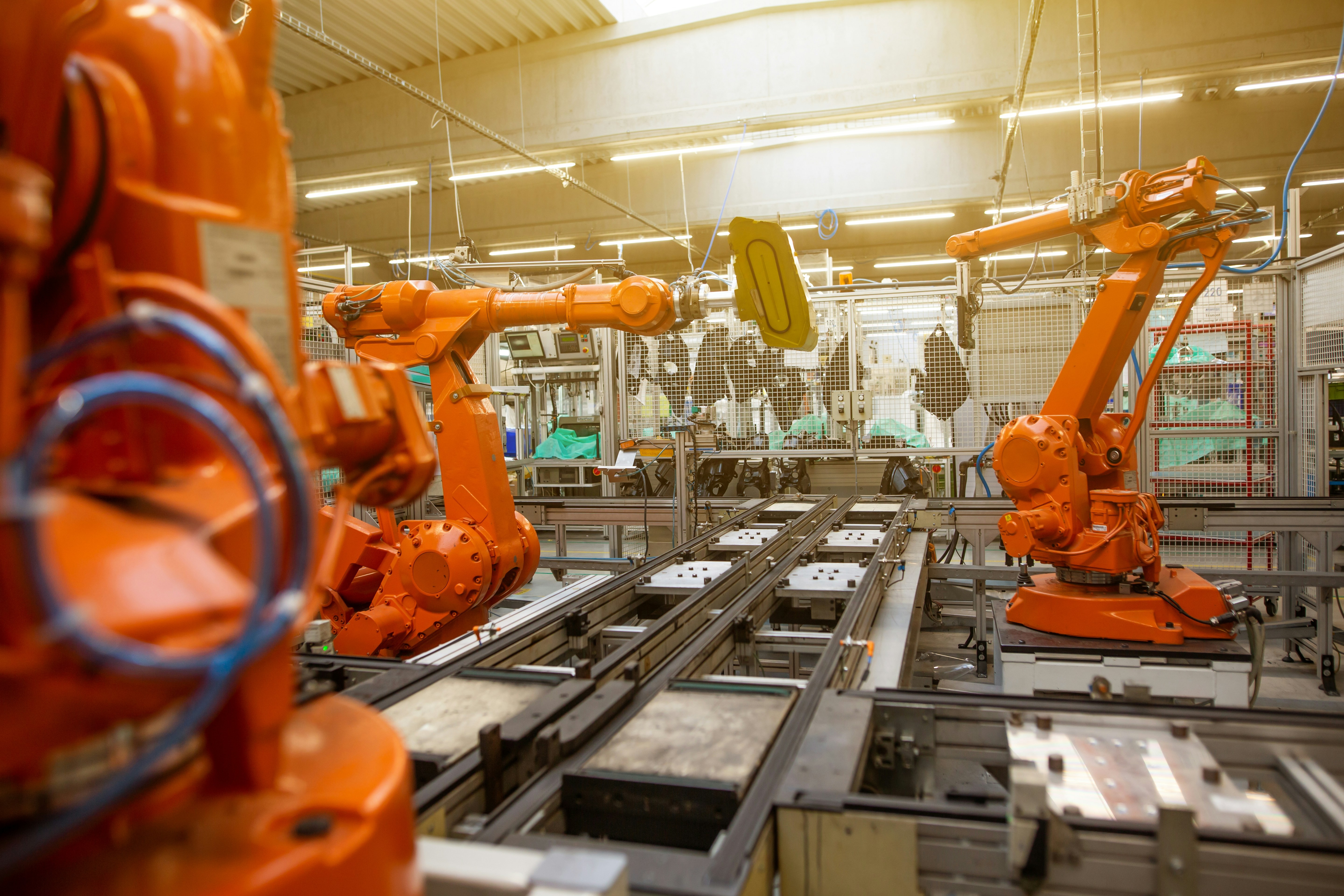
The landscape of automotive adhesives is rapidly evolving, driven by the need for enhanced performance and sustainability in electric vehicles (EVs). As manufacturers seek the best EV battery adhesive solutions, they are increasingly focusing on innovations that improve safety, efficiency, and environmental impact. This section explores the latest trends shaping adhesive technologies, including smart adhesives and customizable solutions.
Trends Shaping the Future of Adhesive Technologies
One of the most significant trends in automotive adhesives is the shift towards eco-friendly formulations that reduce environmental impact without compromising performance. Manufacturers are now prioritizing sustainable materials in their quest for the best EV battery adhesive options. Additionally, advancements in technology have led to improved bonding capabilities, ensuring that these adhesives can withstand the demanding conditions found within EV batteries.
Moreover, increased automation in manufacturing processes has paved the way for precision application techniques that enhance adhesive performance. This trend not only boosts production efficiency but also minimizes waste—an essential factor when considering eco-sustainability. As we move forward, these trends will undoubtedly redefine what we expect from automotive adhesives.
The Rise of Smart Adhesives in EV Batteries
Smart adhesives represent a groundbreaking innovation within the realm of automotive adhesives, particularly for EV batteries. These advanced materials can respond to changes in their environment—such as temperature fluctuations or mechanical stress—allowing them to maintain optimal bonding strength over time. The integration of sensors within these smart adhesives enables real-time monitoring and assessment of battery health, enhancing overall safety.
Furthermore, smart adhesives can significantly reduce maintenance costs by providing early warnings about potential failures or degradation in battery components. This proactive approach not only improves vehicle reliability but also extends battery lifespan—a crucial factor for consumers concerned about longevity and sustainability. With this rise of smart technology integrated into ev battery adhesive solutions, manufacturers are setting new standards for safety and efficiency.
Advantages of Customizable Adhesive Solutions
Customizable adhesive solutions offer a myriad of benefits tailored specifically to meet diverse requirements across various applications within electric vehicles. By allowing manufacturers to adjust properties such as viscosity, curing time, and chemical resistance, these bespoke formulations ensure optimal performance under specific conditions—making them ideal candidates for use as an ev battery adhesive. This level of customization empowers manufacturers to create products that align perfectly with their unique operational needs.
Additionally, customizable automotive adhesives can lead to cost savings by minimizing excess material usage while maximizing bond strength where it matters most. This adaptability is particularly valuable as vehicle designs evolve and new technologies emerge within the industry. Ultimately, embracing customizable solutions allows companies to stay ahead of competitors while meeting stringent regulatory requirements efficiently.
Evaluating the Best EV Battery Adhesive Options
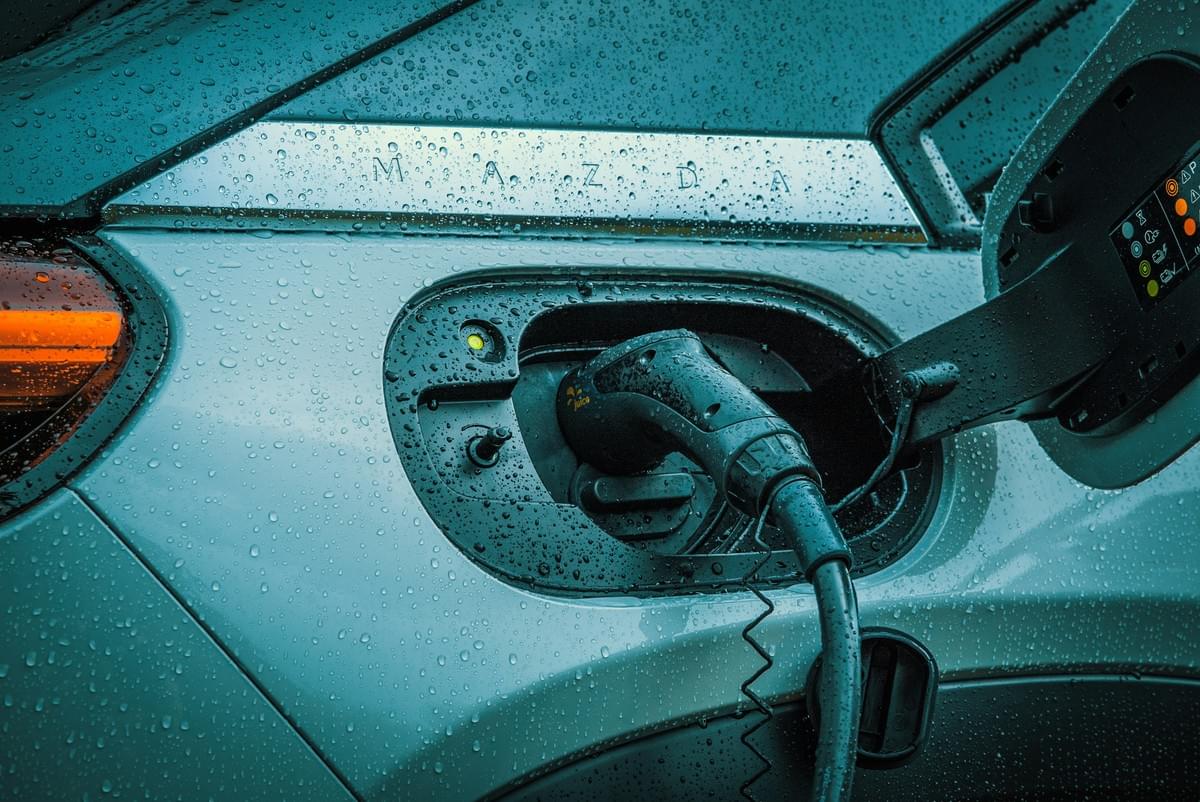
When it comes to selecting the best EV battery adhesive, a multitude of options are available on the market, each with its unique features and benefits. Understanding these offerings is crucial for manufacturers aiming to enhance performance and safety in electric vehicles. This section will delve into popular brands and their standout products while also considering what makes an adhesive truly effective for EV applications.
Comparing Popular Brands and Their Offerings
Several brands have carved out a niche in the realm of automotive adhesives, particularly in the EV sector. Companies like 3M, Henkel, and Loctite offer a range of solutions tailored specifically for battery assembly, including UV glue options that provide quick curing times and robust bonding capabilities. Each brand boasts its own strengths; for instance, 3M is known for its innovative technologies while Henkel focuses on eco-friendly formulations that align with sustainable practices.
When comparing these brands, it’s essential to look at specific product offerings designed for high-performance applications. For example, some adhesives are engineered to withstand extreme temperatures or harsh environmental conditions—critical factors when considering an EV battery adhesive's longevity and reliability. Additionally, examining customer reviews can provide insights into real-world performance and help identify which products stand out as the best EV battery adhesive choices.
Factors to Consider When Choosing Adhesives
Choosing the right automotive adhesives isn't merely about brand names; several factors play a pivotal role in making an informed decision. First off is strength—an ideal ev battery adhesive must exhibit excellent tensile strength to ensure secure bonding under various conditions without compromising safety or performance over time. Chemical resistance is another critical consideration; after all, batteries can leak or release gases that may interact negatively with certain adhesives.
Temperature tolerance cannot be overlooked either; an effective adhesive should maintain its integrity across a wide temperature range to accommodate fluctuating environments during vehicle operation. Moreover, it’s vital to consider application methods as well—some adhesives require specific curing techniques (like UV light exposure), which can impact manufacturing efficiency if not properly accounted for during production planning.
Application Techniques for Optimal Bonding
Once you've identified your preferred ev battery adhesive based on brand reputation and key characteristics, mastering application techniques becomes essential for achieving optimal results. Proper surface preparation is critical—cleaning surfaces thoroughly ensures maximum adhesion by removing contaminants that could hinder bonding effectiveness. Additionally, applying consistent pressure during curing can significantly enhance bond strength; this may involve using clamps or jigs designed specifically for automotive applications.
Moreover, understanding the curing process of your chosen adhesive is vital—whether it's UV glue requiring exposure to light or other types needing ambient conditions to set properly can dictate how you approach assembly processes in manufacturing settings. Finally, training staff on proper application techniques can minimize errors and ensure that every bond meets stringent quality standards required in automotive applications.
Safety and Compliance Standards in EV Batteries
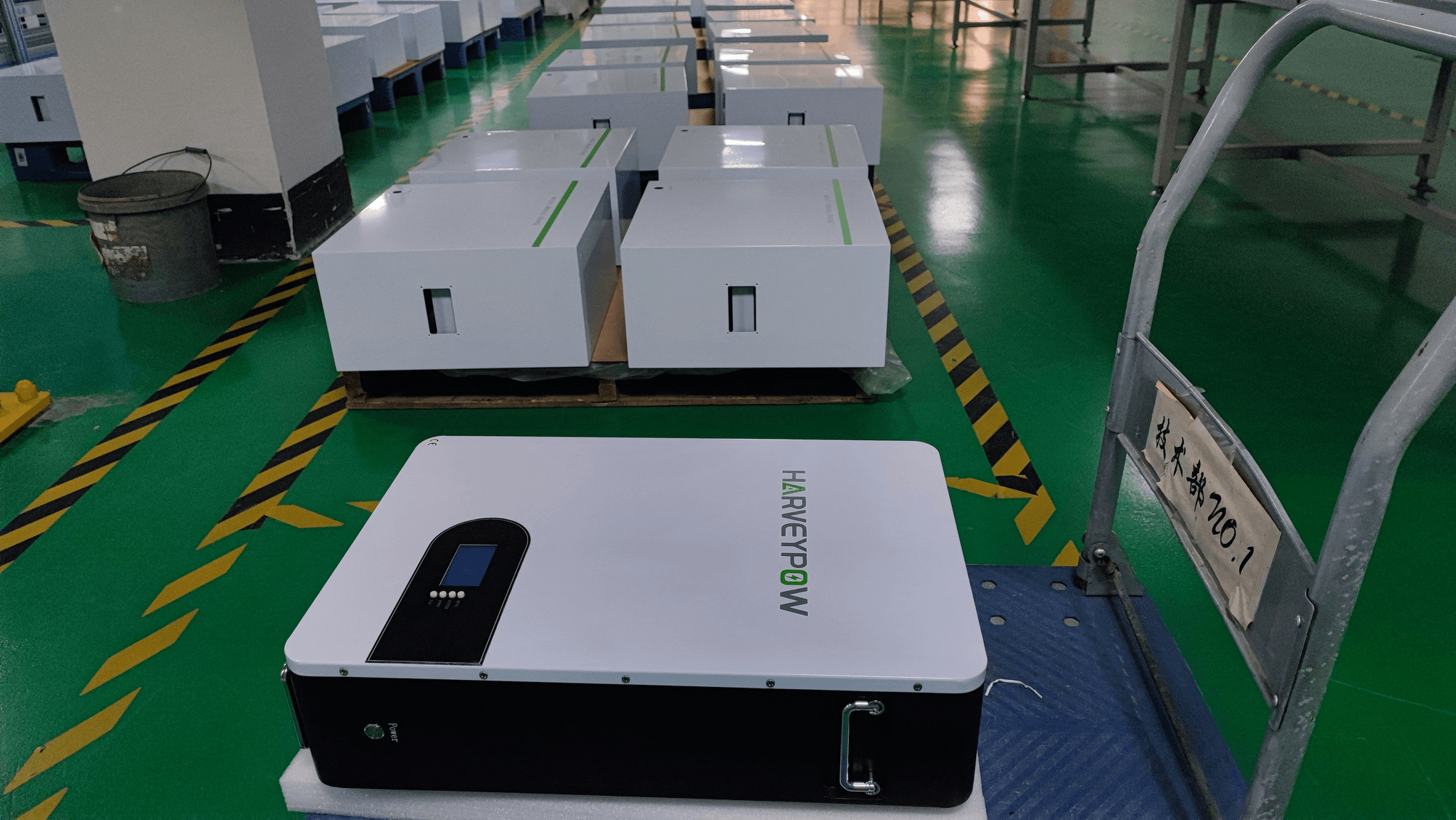
The safety and compliance standards for EV batteries are paramount in ensuring the reliability and longevity of electric vehicles. A crucial aspect of this is the use of high-quality adhesives, particularly ev battery adhesive, which must meet stringent regulatory requirements. Understanding these regulations helps manufacturers choose the best ev battery adhesive that guarantees both performance and safety.
Regulatory Requirements for Adhesive Usage
Regulatory bodies have established specific guidelines governing the use of adhesives in automotive applications, particularly for EV batteries. These requirements ensure that the chosen ev battery adhesive can withstand various environmental challenges, including temperature fluctuations and chemical exposure. Compliance with these regulations not only enhances product safety but also boosts consumer confidence in automotive adhesives used in electric vehicles.
In many regions, manufacturers must adhere to standards set by organizations such as ISO and ASTM, which provide frameworks for testing adhesive performance under extreme conditions. These guidelines help ensure that the best ev battery adhesive is selected for each application, thus minimizing risks associated with battery failures or malfunctions. Ultimately, adhering to these regulatory requirements is essential for maintaining industry standards and protecting end-users.
Testing Methods for Ensuring Adhesive Quality
Testing methods play a critical role in validating the quality of adhesives used in EV batteries. Rigorous assessments are conducted to evaluate factors like bond strength, chemical resistance, and thermal stability of various automotive adhesives. By employing standardized testing protocols such as peel tests or shear tests, manufacturers can determine whether their chosen ev battery adhesive meets necessary performance criteria.
Additionally, accelerated aging tests simulate long-term exposure to harsh environments to predict how well an adhesive will perform over time. This thorough evaluation process ensures that only top-tier products make it into production lines—essentially filtering out any subpar options before they reach consumers. As a result, manufacturers can confidently promote their products as reliable solutions within the competitive market of electric vehicle components.
Importance of Certification in Automotive Adhesives
Certification serves as a badge of honor for automotive adhesives used in EV batteries; it signifies adherence to industry standards and assures customers about product reliability. When selecting an ev battery adhesive, looking for certifications from recognized entities can be invaluable since they indicate rigorous testing has been performed on those products. This not only enhances brand reputation but also builds trust among consumers who prioritize safety.
Furthermore, certified adhesives often come with documented evidence demonstrating their effectiveness under various operational conditions—making them more attractive choices during procurement processes by automakers seeking reliable materials for their vehicles’ construction. The importance placed on certification cannot be understated; it’s a vital step toward ensuring that every component contributes positively to overall vehicle performance while minimizing potential hazards associated with poor-quality materials.
Conclusion
In the ever-evolving landscape of electric vehicles (EVs), selecting the right adhesive for EV batteries is paramount to ensuring safety, performance, and longevity. The best EV battery adhesive not only provides a strong bond but also withstands the rigors of temperature fluctuations and chemical exposure. As manufacturers increasingly prioritize reliability, understanding the unique properties of automotive adhesives becomes essential.
Selecting the Right Adhesive for EV Batteries
The best EV battery adhesive will offer superior bonding capabilities while also being resistant to harsh environmental conditions that batteries may encounter over their lifecycle. Additionally, UV glue has emerged as a popular choice due to its quick curing time and ability to enhance safety by providing a robust seal against moisture and contaminants.
The Future of Adhesive Solutions in EV Technology
The future of adhesive solutions in EV technology looks promising as innovations continue to emerge at a rapid pace. Smart adhesives are gaining traction, allowing for real-time monitoring of battery conditions and enhancing overall safety measures within electric vehicles. As manufacturers explore customizable adhesive solutions tailored for specific applications, we can expect significant advancements that will redefine how automotive adhesives are utilized in the industry.
Environmental Impact of EV Battery Adhesives
As sustainability becomes increasingly crucial in manufacturing processes, the environmental impact of ev battery adhesives cannot be overlooked. Eco-friendly options like water-based resins are paving the way for greener practices without compromising performance or safety standards. By choosing non-toxic formulations that minimize harmful emissions, both consumers and manufacturers can contribute positively toward reducing their carbon footprint while still benefiting from high-quality automotive adhesives.