
Introduction
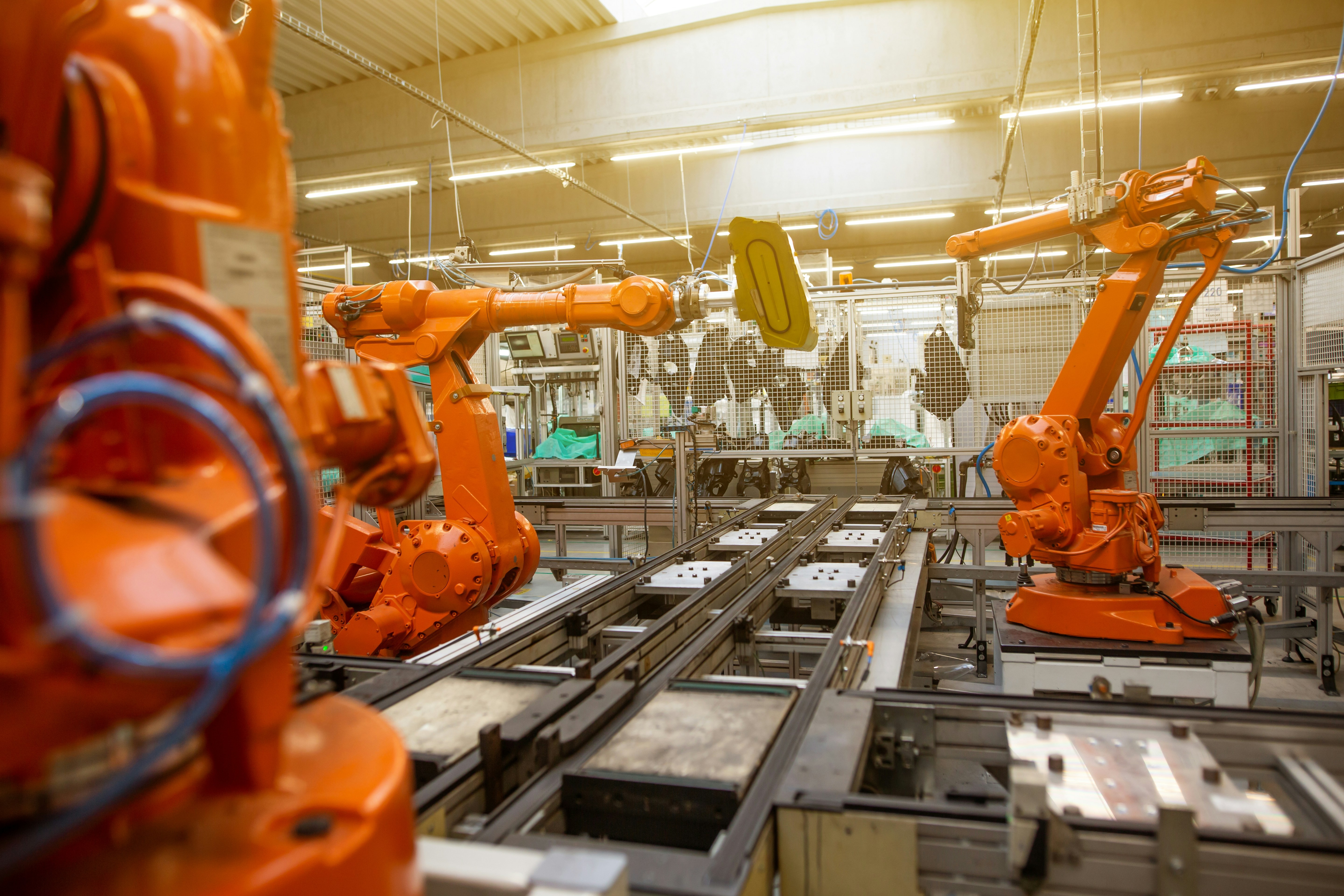
The automotive industry is undergoing a remarkable transformation, with structural adhesives playing a pivotal role in this evolution. Understanding automotive structural adhesives is essential for professionals looking to stay ahead in the field, especially as electric vehicles (EVs) become more prevalent. These adhesives are not just simple bonding agents; they represent a fundamental shift in how vehicles are designed and manufactured.
Understanding Automotive Structural Adhesives
Automotive structural adhesives are specialized materials used to bond various components of a vehicle, providing strength and durability while reducing weight. Unlike traditional welding or mechanical fastening methods, these adhesives create continuous bonds that enhance the overall integrity of the structure. As a result, they enable manufacturers to explore innovative designs and materials that were previously impractical.
Why Adhesives are Game Changers for EVs
Adhesives are game changers for EVs due to their ability to contribute significantly to weight reduction and fuel efficiency—key factors in electric vehicle performance. By utilizing automotive structural adhesive solutions, manufacturers can create lighter vehicles without compromising safety or durability. This not only improves battery range but also enhances overall driving dynamics, making EVs more appealing to consumers.
Key Techniques Every Pro Should Know
To effectively harness the potential of automotive structural adhesives, professionals must be well-versed in key techniques related to their application and optimization. This includes understanding surface preparation essentials that ensure strong bonds as well as optimal curing conditions that maximize adhesive performance. Mastering these techniques empowers automotive professionals to leverage the full benefits of using adhesives for EVs while ensuring high-quality results every time.
The Science Behind Structural Adhesives
Understanding the science behind automotive structural adhesives is crucial for anyone in the automotive industry, especially when it comes to electric vehicles (EVs). These adhesives are not just sticky substances; they are engineered materials that provide strong, durable bonds. By delving into the chemistry of bonding and the types of adhesives available, we can make informed choices that enhance vehicle performance and safety.
The Chemistry of Bonding
At its core, the chemistry of bonding involves molecular interactions that create a strong connection between surfaces. Automotive structural adhesives utilize various chemical mechanisms, such as van der Waals forces, hydrogen bonding, and covalent bonds to achieve their strength. Understanding these processes helps manufacturers select the right adhesive for specific applications in EVs, ensuring optimal performance and durability.
The bond's strength is often influenced by factors like surface energy and cleanliness. For instance, a rough surface may enhance mechanical interlocking but requires careful preparation to avoid contaminants that could weaken the bond. By mastering these chemical principles, automotive professionals can leverage adhesive technology effectively to meet modern engineering challenges.
Types of Adhesives Used in Automotive
When it comes to automotive structural adhesives, there’s no one-size-fits-all solution; various types serve different purposes within vehicle assembly. Common categories include epoxies, polyurethanes, acrylics, and cyanoacrylates—each with unique properties suited for specific applications. For instance, epoxies provide exceptional strength and temperature resistance while polyurethanes offer flexibility and durability against environmental stressors.
In electric vehicles specifically, choosing the right adhesive can significantly impact weight reduction—a key factor in enhancing fuel efficiency and overall performance. Structural adhesive solutions for EVs often prioritize lightweight formulations without sacrificing bond integrity or crashworthiness. As manufacturers continue to innovate with new materials and technologies, understanding these types will be essential for any professional looking to stay ahead in the automotive landscape.
Choosing the Right Adhesive for the Job
Selecting the appropriate automotive structural adhesive requires a thorough assessment of several factors including substrate materials, environmental conditions, and desired performance characteristics. It’s essential to consider whether you need an adhesive that cures quickly or one that offers long-term durability under extreme conditions—especially relevant for electric vehicles exposed to varying temperatures during operation.
Additionally, compatibility with existing manufacturing processes plays a vital role in this decision-making process. For example, if you're working on an assembly line where speed is critical but also need high-strength bonds for safety features like battery enclosures or chassis components in EVs—this balance becomes paramount. Ultimately, making informed decisions about structural adhesive solutions can lead to significant benefits for using adhesives for EVs by enhancing overall vehicle performance while ensuring safety standards are met.
Benefits for Using Adhesives for EVs

In the rapidly evolving landscape of electric vehicles (EVs), automotive structural adhesives are proving to be indispensable. These adhesives not only enhance performance but also contribute to sustainability, making them a game changer in the automotive industry. Let's explore the myriad benefits that these structural adhesive solutions bring to the table.
Weight Reduction and Fuel Efficiency
One of the most compelling advantages of using automotive structural adhesives is their ability to significantly reduce weight. By replacing traditional mechanical fasteners with adhesives, manufacturers can create lighter vehicle structures without compromising strength or integrity. This weight reduction translates directly into improved fuel efficiency, allowing EVs to maximize their range and minimize energy consumption.
Moreover, lightweight vehicles require less power from their electric motors, leading to longer battery life and reduced charging times. This synergy between weight reduction and performance makes automotive structural adhesive a key player in enhancing overall efficiency in EV design. As manufacturers continue to innovate, we can expect even more advanced adhesive solutions that push the boundaries of lightweight construction.
Improved Crashworthiness and Durability
When it comes to safety, automotive structural adhesives shine brightly by improving crashworthiness and overall durability of electric vehicles. These adhesives provide a strong bond that helps maintain vehicle integrity during collisions, distributing impact forces more evenly across structures compared to traditional methods like welding or riveting. As a result, EVs equipped with high-quality structural adhesive solutions can better protect occupants while minimizing damage.
Durability is another hallmark benefit; these adhesives are designed to withstand harsh environmental conditions such as temperature fluctuations and moisture exposure without degrading over time. The long-lasting bonds formed by automotive structural adhesives contribute to an extended lifespan for EV components, reducing maintenance needs and ensuring reliability on the road. With safety being paramount in vehicle design, integrating advanced adhesive technologies is a smart move for manufacturers aiming for excellence.
Corrosion Resistance in Electric Vehicles
Corrosion resistance is crucial for any vehicle's longevity, especially for electric vehicles that may face unique challenges due to battery placement and moisture exposure. Automotive structural adhesives offer exceptional protection against corrosion by sealing joints and preventing moisture ingress that could lead to rust formation over time. This protective layer not only enhances durability but also reduces maintenance costs associated with corrosion-related repairs.
Additionally, many modern adhesive formulations include additives specifically designed to resist corrosive elements found in various environments—such as road salt or industrial pollutants—making them ideal for diverse applications within EV manufacturing. By choosing appropriate structural adhesive solutions for EVs, manufacturers can ensure their vehicles remain robust against environmental wear while maintaining aesthetic appeal over time. Embracing these innovative bonding technologies ultimately leads toward more sustainable practices within the automotive industry.
Innovative Adhesive Solutions
In the rapidly evolving landscape of electric vehicles (EVs), innovative adhesive solutions are becoming essential for manufacturers aiming to enhance performance and sustainability. Automotive structural adhesives play a crucial role in the assembly and longevity of EVs, providing benefits that go beyond traditional fastening methods. This section will explore some cutting-edge adhesive technologies that are making waves in the industry.
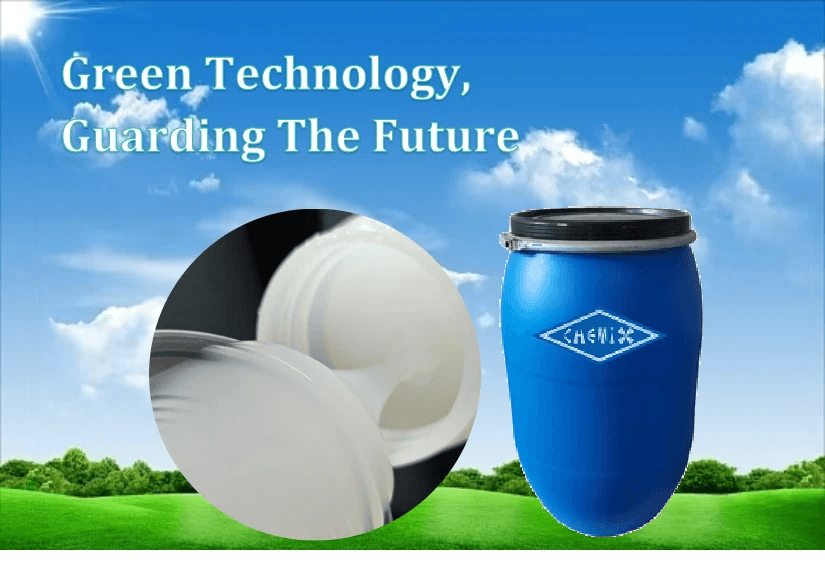
Chemix’s Water-Based Resin Solution
Chemix has developed a water-based resin solution that stands out in the realm of automotive structural adhesives. This eco-friendly option not only minimizes environmental impact but also offers excellent bonding strength, making it ideal for various applications in EV manufacturing. The versatility of this water-based resin allows for seamless integration into existing production lines, showcasing how sustainable practices can align with high-performance standards.
The benefits for using adhesives for EVs extend to their ability to bond dissimilar materials, which is critical given the diverse components used in electric vehicles. Chemix’s solution ensures that different substrates adhere securely without compromising structural integrity or performance over time. With an emphasis on reducing volatile organic compounds (VOCs), this innovative adhesive aligns perfectly with the growing demand for greener automotive solutions.
High-Performance Epoxies and Polyurethanes
High-performance epoxies and polyurethanes have become staples in the world of automotive structural adhesives, particularly for EV applications where durability is paramount. These adhesives offer remarkable resistance to heat, moisture, and chemicals, ensuring that they can withstand even the most demanding conditions encountered by electric vehicles on the road. Their exceptional bonding capabilities make them suitable for critical load-bearing joints and assemblies.
When considering structural adhesive solutions for EVs, high-performance epoxies provide unmatched tensile strength while maintaining flexibility—qualities that are essential during crash events or thermal cycling. Polyurethanes complement this by offering excellent elongation properties, allowing them to absorb impact energy effectively without failing under stress. Together, these materials promise enhanced crashworthiness and longevity—a win-win scenario for both manufacturers and consumers alike.
Advanced Adhesive Technologies in the Market
The market is brimming with advanced adhesive technologies designed specifically for automotive applications, particularly within electric vehicle manufacturing processes. Innovations such as light-activated adhesives and hybrid formulations are revolutionizing how manufacturers approach bonding challenges faced by modern vehicles today. These advanced solutions not only improve efficiency but also ensure superior performance characteristics tailored to meet stringent automotive standards.
A notable trend is the integration of smart technology into adhesive formulations—these products can change properties based on environmental conditions or stress levels experienced during operation. Such adaptability enhances both safety and reliability while further emphasizing the importance of using quality automotive structural adhesives in production lines across industries focused on sustainability and innovation alike. As these technologies continue to evolve, they pave new paths toward achieving enhanced EV performance through effective bonding strategies.
Best Practices for Application
When it comes to working with automotive structural adhesives, the application process can make or break the bond. Proper techniques not only enhance performance but also ensure that you reap the full benefits of using adhesives for EVs. So, let’s dive into some best practices that every professional should keep in their toolkit.
Surface Preparation Essentials
Surface preparation is the unsung hero in the world of automotive structural adhesive applications. Before you even think about applying that adhesive, it’s crucial to clean and prepare surfaces to ensure optimal bonding. This means removing any dirt, oil, or contaminants and roughening surfaces if necessary; a clean surface allows for better adhesion and maximizes the effectiveness of structural adhesive solutions for EVs.
Additionally, using appropriate cleaning agents is key—solvents like isopropyl alcohol can work wonders on metal surfaces while specialized cleaners are available for plastics. Don’t forget to dry thoroughly; moisture can significantly weaken your bond! By taking these preparatory steps seriously, you set yourself up for success and unlock all those fantastic benefits of using adhesives for EVs.
Optimal Curing Conditions
Once your surfaces are prepped and ready to go, it's time to consider curing conditions—this step is where the magic happens! Each automotive structural adhesive has its own ideal temperature and humidity range for curing; sticking within these parameters ensures a strong bond that stands the test of time. For instance, many adhesives cure best at temperatures between 20°C to 25°C (68°F to 77°F), so if you're working in a chilly garage, consider warming things up a bit!
Moreover, patience is key during this stage; rushing through curing can lead to premature failure down the line. Always refer back to manufacturer guidelines regarding curing times—some may require hours while others may be ready in just minutes! By adhering strictly to optimal curing conditions, you’ll maximize durability and performance in your EV applications.
Tools and Techniques for Perfect Bonding
Now that you've nailed surface preparation and curing conditions, let’s talk tools and techniques—because who doesn’t love some nifty gadgets? Using proper dispensing tools not only ensures accuracy but also minimizes waste when applying automotive structural adhesive. Whether it's a simple caulking gun or more advanced pneumatic dispensers designed specifically for high-viscosity materials, having the right tool makes all the difference.
In addition to tools, mastering application techniques like bead patterns or spot bonding can enhance strength without adding unnecessary weight—a critical consideration when working on electric vehicles where every ounce counts! Remember also that clamping methods are essential during curing; they help maintain pressure on bonded areas which leads to superior adhesion over time. Nail these techniques down and you'll be well on your way toward creating robust joints with those innovative structural adhesive solutions for EVs!
Troubleshooting Common Issues

Even the best automotive structural adhesives can run into hiccups during application or over time. Understanding common bond failures and their causes is essential for ensuring the integrity of your projects, especially in the evolving landscape of electric vehicles (EVs). Here, we’ll explore how to identify issues, find solutions, and maintain the performance of your adhesive solutions.
Identifying Bond Failure Reasons
Bond failures can be a real headache, but recognizing the signs early can save you from costly repairs down the line. One common reason for failure is inadequate surface preparation; if surfaces are dirty, oily, or improperly primed, even the best automotive structural adhesive won’t stick. Other culprits include incorrect adhesive selection for specific materials or environmental conditions that exceed the adhesive's capabilities—think extreme temperatures or moisture levels that weren't considered.
Sometimes it’s not just about what went wrong during application but also about how those adhesives age over time. Environmental factors like UV exposure and chemical exposure can degrade bonds gradually. By keeping an eye out for signs such as peeling or cracking joints, you can catch potential issues before they escalate into full-blown failures.
Solutions to Adhesive Application Problems
So you've identified a problem—now what? First off, revisit your surface preparation techniques; ensure that surfaces are clean and free from contaminants to create a strong bond with your automotive structural adhesive. If you suspect that you’ve chosen an inappropriate adhesive type for your materials, don’t hesitate to switch gears—there’s a whole world of structural adhesive solutions for EVs designed specifically for various applications.
In cases where curing conditions were not optimal—like temperature fluctuations or humidity issues—you may need to adjust your environment before reapplying adhesives. For instance, using heat lamps in cooler climates can help achieve proper curing times and improve bond strength significantly. Remember: patience pays off when it comes to allowing adhesives to cure fully according to manufacturer guidelines.
Maintaining Adhesive Integrity Over Time
Once you've successfully applied your automotive structural adhesive solution, it’s crucial to keep an eye on its long-term performance as well. Regular inspections will help catch any early signs of wear or degradation due to environmental stressors like moisture or temperature changes that could affect adhesion integrity over time.
Implementing routine maintenance checks allows you to assess any visible damage and take corrective actions promptly—this is especially important in electric vehicles where weight reduction and durability are paramount benefits of using adhesives for EVs. Additionally, consider applying protective coatings where feasible; these can shield exposed areas from harsh elements while prolonging the life of your bonding solutions.
In summary, troubleshooting common issues with automotive structural adhesives involves identifying bond failure reasons accurately while implementing effective solutions during application stages and maintaining integrity over time through regular inspections and protective measures.
Conclusion
In the rapidly evolving landscape of the automotive industry, the role of adhesives, particularly automotive structural adhesives, is becoming increasingly pivotal. As we look to the future, these innovative bonding solutions are not just enhancing vehicle performance; they are reshaping how manufacturers approach design and safety. With advancements in technology and materials science, the potential for automotive structural adhesives seems limitless.
The Future of Adhesives in Automotive
The future of automotive structural adhesives is bright and promising, especially as electric vehicles (EVs) become more prevalent on our roads. Manufacturers are continuously exploring new formulations and applications that can further enhance vehicle integrity while reducing weight—a critical factor for EV efficiency. As research progresses, we can expect to see even more specialized adhesive solutions tailored specifically for the unique challenges posed by modern automotive designs.
Enhancing EV Performance with Adhesives
Utilizing structural adhesive solutions for EVs brings a myriad of benefits that go beyond mere adhesion. These advanced bonding agents contribute significantly to weight reduction and fuel efficiency—two crucial factors for any electric vehicle aiming to maximize range and performance. Additionally, improved crashworthiness achieved through effective use of automotive structural adhesives ensures that safety is never compromised while pushing boundaries in design flexibility.
Embracing Sustainable Solutions in Automotive
As sustainability becomes a core focus within the automotive sector, embracing eco-friendly adhesive options will be essential for manufacturers looking to stay competitive. Water-based resins and other sustainable formulations are not only beneficial for reducing environmental impact but also align with consumer demand for greener products. By integrating these sustainable solutions into their manufacturing processes, companies can leverage the full spectrum of benefits offered by automotive structural adhesives while contributing positively to our planet’s future.