
Introduction

In the ever-evolving world of automotive manufacturing, structural adhesive automotive techniques have emerged as game-changers, redefining how vehicles are assembled and designed. These adhesives not only enhance the structural integrity of vehicles but also contribute to weight reduction and improved fuel efficiency. As the automotive industry embraces innovation, understanding these techniques becomes crucial for manufacturers and consumers alike.
Importance of Structural Adhesive Automotive Techniques
Structural adhesive automotive methods are vital for creating durable, lightweight vehicles that meet modern performance standards. By utilizing these adhesives, manufacturers can achieve a stronger bond than traditional welding or mechanical fasteners alone, leading to enhanced safety and longevity in vehicle construction. Moreover, the ability to bond different materials together—like metals and composites—opens up new avenues for design flexibility.
The Role of Adhesives in Modern Vehicles
Adhesives play a pivotal role in modern vehicles by providing solutions that cater to both performance and environmental concerns. From bonding metal components to securing glass elements, structural adhesive for metal is essential in achieving seamless designs that withstand the rigors of everyday use. Additionally, with growing emphasis on sustainability, many structural adhesive automotive manufacturers are innovating products that minimize environmental impact while maximizing efficiency.
Overview of Key Techniques and Products
When it comes to applying automotive body adhesive effectively, several key techniques stand out among industry leaders like 3M and Henkel. These companies offer a variety of products tailored for specific applications—from high-strength adhesives designed for crashworthiness to flexible options that accommodate thermal expansion differences between materials. Innovations from players like Structural Adhesive Automotive Tesla further highlight the potential of these technologies in pushing boundaries within vehicle design.
Understanding Structural Adhesives

When it comes to the automotive industry, structural adhesives are game changers. These specialized adhesives provide critical bonding solutions that enhance vehicle integrity, safety, and performance. By understanding their definition, types, and benefits, we can appreciate how they revolutionize modern automotive manufacturing.
Definition of Structural Adhesive Automotive
Structural adhesive automotive refers to a category of adhesives specifically designed to bond components in vehicles with high strength and durability. Unlike traditional adhesives that may serve only temporary purposes, structural adhesives create permanent bonds capable of withstanding extreme conditions such as temperature fluctuations and mechanical stress. This makes them essential in areas where metal-to-metal or metal-to-plastic connections occur.
Types of Structural Adhesives in Automotive
There are several types of structural adhesives utilized by leading structural adhesive automotive manufacturers. Epoxy-based adhesives are renowned for their exceptional bonding strength and resistance to environmental factors; they are often used in high-stress applications like chassis assembly. Polyurethane adhesives offer flexibility and excellent adhesion properties for various substrates, making them ideal for automotive body adhesive applications where movement is expected.
Another noteworthy type is acrylic-based adhesive, known for its quick curing time and strong bond formation on metals and plastics alike—perfect for fast-paced production lines like those seen at companies such as Tesla. Each type serves distinct purposes based on the materials involved and the specific requirements of the application.
Benefits of Using Structural Adhesives
The advantages of using structural adhesives extend far beyond mere bonding capabilities; they significantly enhance overall vehicle performance and longevity. One major benefit is weight reduction—by using structural adhesive for metal bonding instead of traditional welding methods, manufacturers can achieve lighter designs without sacrificing strength or safety features. Additionally, these adhesives help reduce manufacturing costs by streamlining assembly processes while improving design flexibility.
Moreover, utilizing automotive body adhesive minimizes the risk of corrosion at joints since there’s no need for heat generation during application—a common issue with welding techniques that can compromise protective coatings on metals. In summary, adopting structural adhesives not only leads to enhanced vehicle efficiency but also aligns with sustainability goals by reducing material waste during production.
Leading Structural Adhesive Automotive Manufacturers
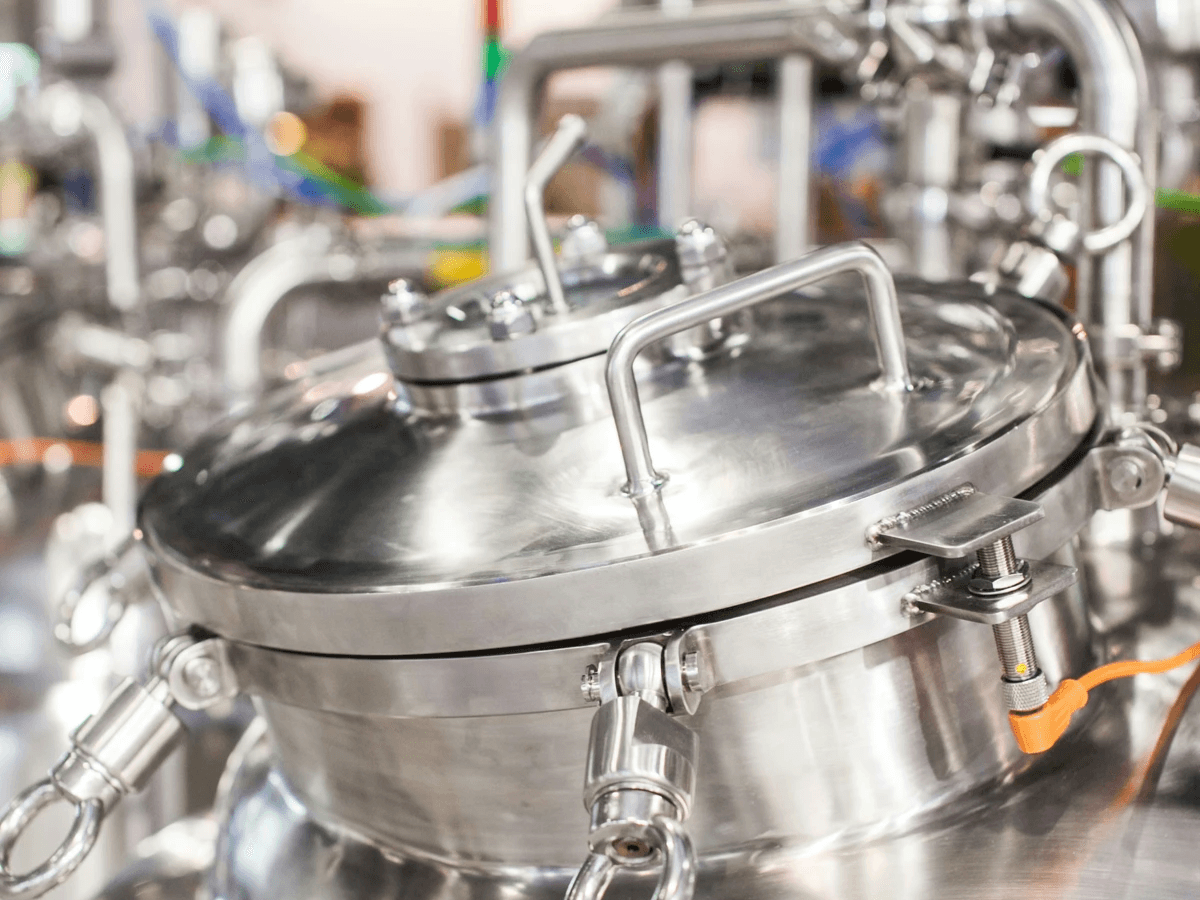
The landscape of structural adhesive automotive manufacturing is vibrant and dynamic, with several key players leading the charge. These manufacturers are not only pushing the boundaries of adhesive technology but also setting industry standards for quality and performance. Their innovations in structural adhesives enhance vehicle safety, durability, and efficiency, making them indispensable in modern automotive design.
Overview of Top Manufacturers in the Industry
When it comes to structural adhesive automotive solutions, a handful of manufacturers consistently stand out. Companies like 3M, Henkel, and Loctite have established themselves as leaders by continuously developing high-performance products tailored for automotive applications. These structural adhesive automotive manufacturers focus on creating adhesives that bond various materials—including metals, plastics, and composites—ensuring optimal strength and longevity.
In addition to these giants, newer entrants like Chemix are gaining traction by emphasizing sustainability and eco-friendliness in their formulations. The competition among these manufacturers fosters innovation that benefits the entire automotive industry. As they strive to meet evolving regulatory standards and customer demands, we can expect even more advancements in structural adhesive technologies.
Features of Products from Manufacturers like 3M and Henkel
3M has long been recognized for its cutting-edge structural adhesive automotive products that offer exceptional bonding capabilities across diverse substrates. Their adhesives are engineered for quick curing times while maintaining flexibility—ideal for applications where vibration is a concern. Henkel's offerings also shine in this arena; their LOCTITE brand features specialized formulations designed specifically for metal bonding that ensure robust adhesion under challenging conditions.
Both companies prioritize ease of application in their product designs; many adhesives come ready-to-use or require minimal mixing effort. This user-friendly approach makes it easier for technicians to apply automotive body adhesive effectively without compromising on quality or performance. Furthermore, both 3M and Henkel invest heavily in research and development to create innovative solutions that push the envelope of what’s possible with structural adhesives.
Innovations by Structural Adhesive Automotive Tesla
Tesla has emerged as a game-changer not only in electric vehicles but also in how they utilize structural adhesive automotive technologies within their manufacturing processes. The company has pioneered techniques that integrate advanced adhesives into vehicle assembly lines to enhance both performance and safety features significantly. By leveraging unique formulations designed specifically for metal bonding, Tesla ensures that its vehicles maintain integrity while being lightweight—a crucial factor for electric vehicle efficiency.
In addition to improving vehicle construction methods through innovative uses of automotive body adhesive, Tesla is also focused on sustainability efforts by exploring eco-friendly materials within their supply chain processes. This commitment positions them as a forward-thinking leader among structural adhesive automotive manufacturers who prioritize environmental responsibility alongside performance metrics. As they continue refining their approaches to using adhesives at scale, other manufacturers will likely follow suit.
Best Practices for Applying Automotive Body Adhesive
Applying automotive body adhesive successfully is an art and a science. Mastering the best practices ensures that your structural adhesive automotive applications are reliable, durable, and up to industry standards. Let’s dive into the nitty-gritty of surface preparation, mixing procedures, and curing times to get you on the right track.
Surface Preparation Techniques for Adhesive Application
Surface preparation is the first step in ensuring a strong bond with any automotive body adhesive. The surfaces to be bonded must be clean, dry, and free from contaminants such as oil, dust, or rust; this ensures optimal adhesion. Techniques like sanding or using solvents can enhance surface roughness and promote better mechanical interlocking for structural adhesives in automotive applications.
When working with structural adhesive for metal surfaces, it’s crucial to consider the type of metal involved; some metals may require specific treatments or primers to improve bonding performance. Additionally, proper cleaning methods—such as using isopropyl alcohol—can help remove residues that might interfere with adhesion. Skipping this step can lead to weak bonds that compromise vehicle integrity over time.
Lastly, always ensure that the prepared surfaces fit together snugly before applying your adhesive; gaps can lead to uneven stress distribution and potential failure points in your bond line. Remember: a little prep work goes a long way toward achieving a long-lasting bond!
Proper Mixing and Application Procedures
Once your surfaces are prepped to perfection, it’s time for mixing! Different structural adhesive automotive products have varying mixing requirements; always refer to manufacturer guidelines for precise ratios of components if applicable—especially when dealing with two-part adhesives. Inconsistent mixing can lead to poor performance or even complete bond failure.
When applying your adhesive, use appropriate tools such as brushes or applicator guns designed specifically for automotive body adhesives; they help control application thickness effectively. Make sure you apply enough adhesive but avoid excessive amounts that could ooze out during bonding—nobody wants an unsightly mess!
Timing is also critical during application; aim for consistent pressure across the bonded area while adhering closely to any specified open time from manufacturers like Structural Adhesive Automotive Tesla products. This will help achieve optimal results without compromising strength or longevity.
Curing and Bonding Time Considerations
Curing time is where patience truly pays off in the world of structural adhesives! Each type of automotive body adhesive has its own recommended curing period before it reaches full strength; ignoring these guidelines can lead to subpar results down the line. Always consult product specifications regarding temperature conditions too—as extreme heat or cold may affect curing times significantly.
During this phase, it’s essential not only to allow adequate time but also to maintain proper environmental conditions around the bonded area—humidity levels play a role here too! If possible, keep vehicles indoors during curing periods when weather conditions are less than ideal since moisture can weaken bonds formed by many common adhesives used in modern vehicles.
In conclusion, understanding these best practices allows you not only to utilize structural adhesives effectively but also ensures durability within your projects involving automotive body repairs or manufacturing processes alike!
Structural Adhesive for Metal: Why It Matters

In the automotive industry, metal bonding using structural adhesives has become a game-changer. These adhesives offer a robust solution that enhances the structural integrity of vehicles while reducing weight, which is crucial for fuel efficiency and performance. With advancements in adhesive technology, manufacturers can now create lighter, stronger vehicles that meet modern standards for safety and sustainability.
Advantages of Metal Bonding with Adhesives
Metal bonding with structural adhesive automotive products presents numerous advantages over traditional welding methods. First, it allows for the joining of dissimilar materials without compromising their individual properties, enabling innovative design choices in vehicle manufacturing. Additionally, these adhesives distribute stress over a larger area, reducing the risk of fatigue failure and enhancing overall durability.
Moreover, using automotive body adhesive minimizes thermal distortion often associated with welding processes. This is particularly valuable in high-precision applications where maintaining exact tolerances is critical. Finally, structural adhesives can significantly cut down on production time and costs by streamlining assembly processes—an attractive proposition for many structural adhesive automotive manufacturers.
How to Choose the Right Structural Adhesive for Metal
Selecting the appropriate structural adhesive for metal applications involves several key considerations to ensure optimal performance and longevity. Initially, one must evaluate the specific metals being bonded; different metals may require unique formulations to achieve a strong bond. Factors such as environmental conditions—temperature fluctuations or exposure to moisture—also play a vital role in determining which adhesive will perform best.
Additionally, it's essential to consider curing times and application methods when choosing an automotive body adhesive. Some adhesives may require special surface preparation or specific mixing ratios to achieve maximum strength. Understanding these parameters will help streamline the manufacturing process while ensuring that the end product meets safety standards set by leading companies like Tesla.
Real-World Applications in Automotive Design
The use of structural adhesive for metal has transformed various aspects of automotive design and manufacturing practices across the industry. For instance, many electric vehicles utilize these adhesives extensively to bond battery enclosures securely without adding excessive weight or bulk—a critical factor given their reliance on energy efficiency. Moreover, manufacturers are increasingly employing advanced bonding techniques in crash-resistant designs where strength is paramount.
Another exciting application involves creating lightweight frames that enhance vehicle performance while adhering to stringent safety regulations set forth by governing bodies worldwide. Companies like 3M have pioneered innovative solutions tailored specifically for these demands within modern vehicles—demonstrating how far structural adhesive technology has come since its inception in automotive applications. As we look ahead, it's clear that understanding how to leverage these advancements will be crucial in shaping future car designs.
Chemix's Water-Based Resin Solution

In the world of structural adhesive automotive applications, Chemix’s water-based resin solution is making waves for all the right reasons. This innovative adhesive not only meets the rigorous demands of modern vehicle manufacturing but also aligns with sustainability goals that are increasingly important in today’s market. By leveraging water as a primary solvent, Chemix offers a product that enhances performance while reducing environmental impact.
Benefits of Water-Based Resin in Automotive Adhesives
Water-based resins present several advantages when used as automotive body adhesives. For starters, they provide excellent bonding strength, which is crucial for structural integrity in vehicles, especially when bonding metal components together. Additionally, these adhesives exhibit superior flexibility and resistance to temperature fluctuations, ensuring that the bonds remain strong even under challenging conditions.
Another significant benefit of using water-based resins is their rapid curing time compared to traditional options. This means faster assembly line processes and increased productivity for manufacturers—a win-win situation! Moreover, these adhesives are less prone to shrinkage during curing, which helps maintain precise tolerances in structural adhesive automotive applications.
Comparison with Traditional Solvent-Based Adhesives
When comparing water-based resins to traditional solvent-based adhesives, several key differences emerge that highlight the advantages of the former. For one, solvent-based adhesives often contain volatile organic compounds (VOCs), which can pose health risks to workers and contribute to environmental pollution—something that water-based options effectively avoid. This makes Chemix's solution not only safer for users but also more environmentally friendly.
Furthermore, traditional solvents can lead to longer drying times due to their chemical composition; this can slow down production rates in automotive manufacturing settings where efficiency is paramount. In contrast, the quick-drying nature of water-based resins allows manufacturers like Tesla and others to streamline their processes without compromising quality or safety standards.
Lastly, adhesion performance under various environmental conditions tends to favor water-based solutions as well; they maintain their effectiveness even when exposed to moisture or varying temperatures—critical factors in automotive applications where durability is non-negotiable.
Environmental Impact and Sustainability Advantages
The shift towards using water-based resin solutions reflects a broader trend among structural adhesive automotive manufacturers focusing on sustainability and environmental responsibility. By minimizing harmful emissions associated with traditional adhesives, Chemix contributes positively toward reducing the carbon footprint of vehicle production processes. The adoption of such eco-friendly products not only meets regulatory requirements but also appeals to consumers who prioritize green practices.
Moreover, using sustainable materials like those found in Chemix's offerings promotes a circular economy within the automotive industry by encouraging recycling and responsible sourcing practices among manufacturers. With increasing scrutiny regarding environmental impacts across all sectors—including automotive—the move towards sustainable adhesive solutions signals a promising future for both manufacturers and consumers alike.
In summary, Chemix’s water-based resin solution stands out as an exemplary choice within the realm of structural adhesive automotive technologies due to its numerous benefits over traditional methods—making it an essential component for modern vehicle manufacturing focused on sustainability without sacrificing performance.
Conclusion
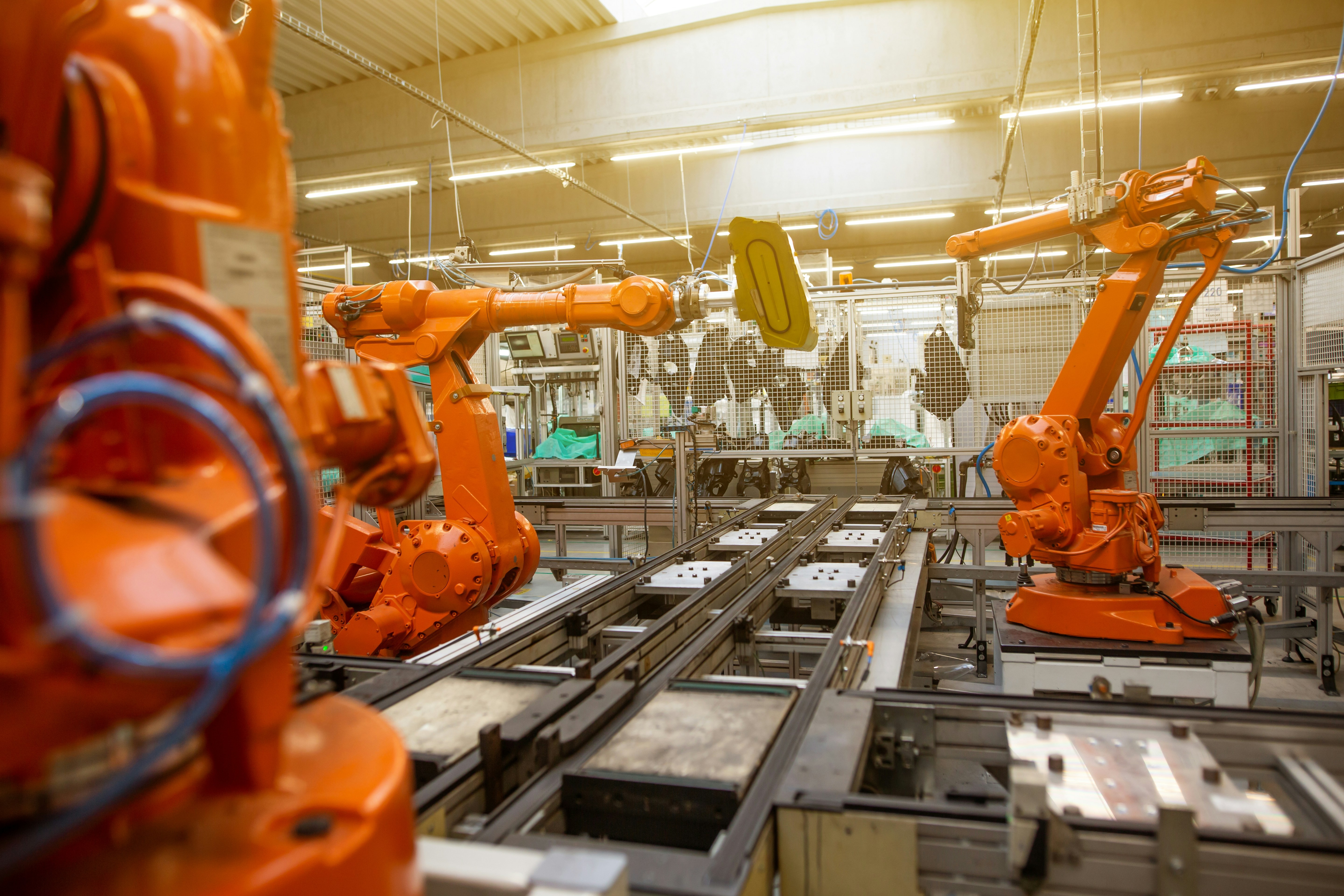
In wrapping up our exploration of structural adhesive automotive techniques, it’s clear that these innovations are not just a trend but a fundamental shift in how vehicles are designed and manufactured. The integration of structural adhesives in automotive applications enhances performance, safety, and sustainability, making them indispensable in modern vehicle construction. As manufacturers like Tesla push the envelope with their cutting-edge uses of structural adhesives, the industry is witnessing a transformation that promises to redefine standards.
Key Takeaways on Structural Adhesive Techniques
Structural adhesive automotive solutions have proven their worth by offering superior bonding capabilities compared to traditional methods such as welding and riveting. They provide flexibility in design and improve the overall integrity of vehicle structures while reducing weight—an essential factor for fuel efficiency. Moreover, understanding the nuances of applying automotive body adhesive can significantly impact the longevity and durability of vehicle components.
The Future of Adhesives in Automotive Manufacturing
Looking ahead, the future of adhesives in automotive manufacturing is bright and filled with potential advancements. With ongoing innovations from leading structural adhesive automotive manufacturers like 3M and Henkel, we can expect even more efficient products that cater to evolving industry needs. Additionally, as electric vehicles gain traction, companies like Tesla will likely continue to explore novel applications for structural adhesives that enhance performance while aligning with sustainability goals.
Resources for Further Learning on Adhesive Innovations
For those eager to dive deeper into the world of structural adhesive automotive techniques, numerous resources are available that cover everything from basic principles to advanced applications. Industry publications often highlight case studies showcasing successful implementations of structural adhesives for metal bonding in various automotive designs. Additionally, attending workshops or webinars hosted by leading manufacturers can provide valuable insights into best practices and emerging trends within this dynamic field.