
Introduction
In the dynamic landscape of modern manufacturing, film adhesive has emerged as a pivotal innovation that reshapes how materials are bonded. As industries evolve, the significance of metal bonding becomes increasingly apparent, especially in applications where strength and durability are paramount. To navigate this realm effectively, it’s essential to grasp the basics of adhesive glue and its transformative potential in various sectors.
The Evolution of Film Adhesive in Manufacturing
Film adhesive has come a long way from its humble beginnings, evolving into a sophisticated solution that caters to diverse manufacturing needs. Initially used for simple applications, today’s film adhesives are engineered for high performance and versatility, making them indispensable in production lines worldwide. This evolution reflects not only advancements in chemistry but also an increasing demand for efficient bonding solutions across various industries.
Why Metal Bonding Matters Today
Metal bonding has taken center stage in contemporary manufacturing practices due to its critical role in ensuring structural integrity and reliability. Whether it's automotive components or aerospace structures, the ability to bond metals effectively can mean the difference between success and failure. In an age where precision engineering is paramount, understanding how metal glue can enhance product performance is essential for manufacturers aiming to stay competitive.
Understanding the Basics of Adhesive Glue
At its core, adhesive glue serves as the unsung hero of material assembly, providing strength and cohesion where mechanical fasteners might fall short. The science behind adhesive for metal to metal applications involves understanding various formulations that cater specifically to different substrates and environmental conditions. By delving into these basics, manufacturers can make informed choices about which types of adhesives will best meet their specific bonding requirements.
Film Adhesive: The Backbone of Modern Manufacturing

In the fast-paced world of modern manufacturing, film adhesive has emerged as a crucial player, providing reliable solutions for a variety of bonding needs. This innovative material not only enhances production efficiency but also ensures the durability and strength of assembled products. As industries evolve, the role of film adhesive in metal bonding and bonding composites continues to expand, making it an indispensable component in today's manufacturing landscape.
Importance of Film Adhesive in Production
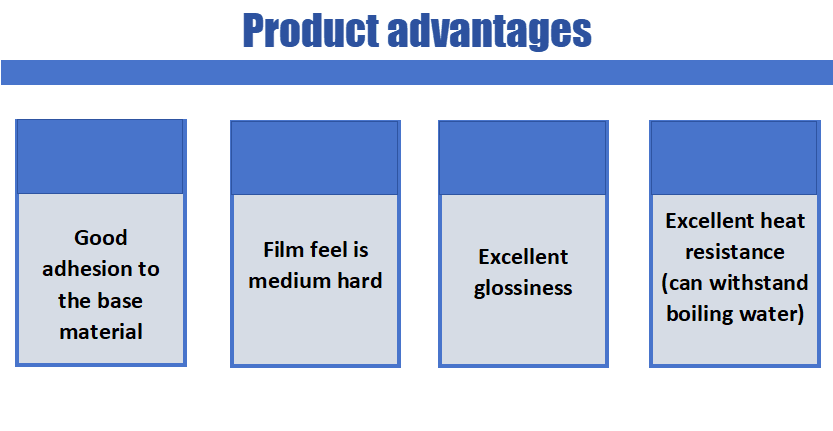
Film adhesive plays a vital role in production by streamlining processes and improving product quality. Its unique properties allow for precise application, reducing waste and ensuring consistent results when used as an adhesive for metal to metal applications. Moreover, film adhesives offer excellent resistance to environmental factors such as heat and moisture, making them ideal for demanding manufacturing environments where metal glue is required.
The versatility of film adhesive makes it suitable for various applications beyond just metal bonding; it can also be used effectively in composite materials. This adaptability means that manufacturers can rely on a single type of adhesive glue across multiple projects without compromising on performance or quality. Ultimately, the importance of film adhesive lies in its ability to enhance productivity while maintaining high standards in finished products.
Major Industries Utilizing Film Adhesive
The automotive sector stands out as one of the largest consumers of these adhesives; they are essential for assembling lightweight yet strong components that contribute to fuel efficiency and safety features. Similarly, aerospace manufacturers rely on film adhesives for their lightweight properties and ability to withstand extreme conditions during flight.
Electronics is another industry where film adhesive has made significant strides; it is employed extensively in assembling circuit boards and securing sensitive components without adding unnecessary weight or bulk. Additionally, construction companies utilize these adhesives for their strong bonding capabilities between metals and composites used in structural applications. The diverse range of industries utilizing film adhesive underscores its versatility and effectiveness as a solution across various manufacturing sectors.
Metal to Metal Adhesive Applications
The world of metal bonding has undergone a significant transformation, thanks in large part to advancements in film adhesive technology. These adhesives have become indispensable in various applications, offering unparalleled versatility and strength when it comes to metal-to-metal bonding. From automotive manufacturing to aerospace engineering, the ability to use adhesive glue for metal bonding is revolutionizing how industries approach assembly and fabrication.
Versatility in Metal Bonding
Metal-to-metal adhesive applications showcase remarkable versatility, allowing manufacturers to bond different types of metals with ease. This flexibility is crucial in environments where traditional welding methods may not be feasible due to heat sensitivity or structural concerns. Whether it's bonding aluminum, steel, or even titanium components, the right adhesive for metal-to-metal connections can create strong joints that withstand harsh conditions while maintaining the integrity of the materials involved.
Moreover, film adhesive solutions are designed for various thicknesses and surface conditions, making them suitable for intricate designs and complex geometries. This adaptability not only enhances production efficiency but also reduces the need for additional mechanical fasteners like rivets or screws. Ultimately, this versatility helps companies streamline operations while achieving reliable results that meet stringent quality standards.
Best Practices for Metal to Metal Adhesive Use
To harness the full potential of metal glue applications, adhering to best practices is essential. First and foremost, surface preparation plays a critical role; cleaning surfaces thoroughly ensures optimal adhesion by removing contaminants such as oils or dust that could compromise bond strength. Additionally, selecting the appropriate type of film adhesive based on environmental factors—such as temperature fluctuations or exposure to chemicals—is vital for long-lasting results.
Another key practice involves applying the adhesive correctly—this includes following manufacturer guidelines on curing times and conditions. Over-application can lead to excess material that may weaken joints instead of reinforcing them; thus precision is paramount when using adhesive glue for metal-to-metal connections. Furthermore, conducting regular inspections during production can help identify any potential issues early on before they escalate into costly failures.
Case Studies of Successful Metal Glue Implementation
Many industries have successfully integrated metal-to-metal adhesives into their production processes with impressive outcomes. For instance, an automotive manufacturer adopted film adhesive technology to bond lightweight aluminum panels in their vehicle frames instead of traditional welding methods. This shift not only reduced weight but also improved fuel efficiency without compromising structural integrity—a win-win situation highlighting the effectiveness of modern adhesive solutions.
In another case within aerospace engineering, a company utilized specialized metal glue formulations designed specifically for high-temperature environments when assembling engine components. The result was a dramatic increase in performance reliability under extreme conditions compared to conventional fastening techniques that often failed under stressors like thermal expansion and contraction—demonstrating how innovative adhesives can lead to groundbreaking advancements in safety and efficiency.
These examples underscore how embracing advanced adhesive technologies can transform manufacturing processes across various sectors while showcasing the incredible potential film adhesives bring to modern metal bonding applications.
Bonding Composites: The Rise of Hybrid Materials
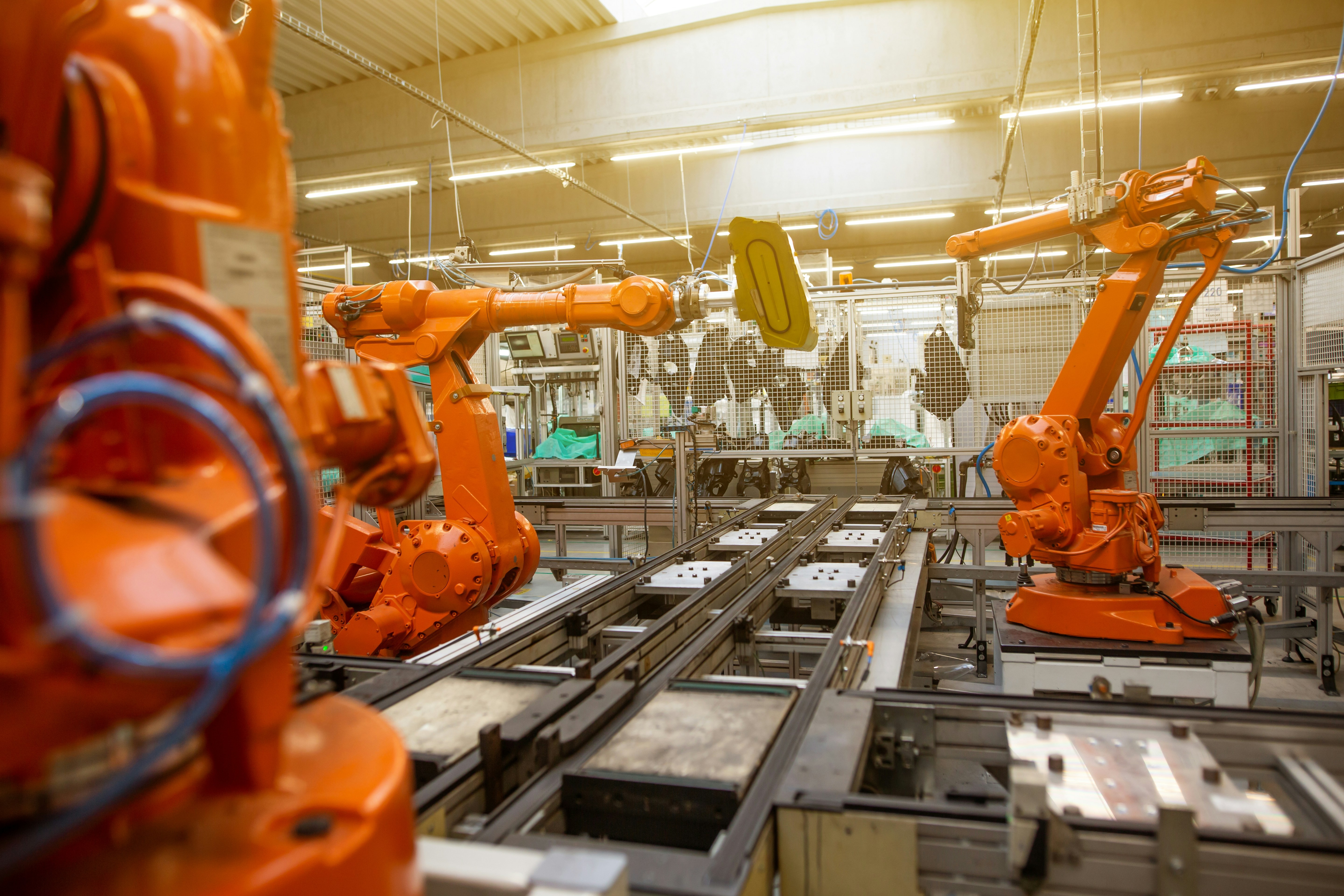
The rise of hybrid materials has transformed manufacturing processes across various industries, and film adhesive plays a pivotal role in this evolution. By providing strong adhesion between dissimilar materials, film adhesives facilitate the bonding of composites that combine metals with plastics or other substrates. This versatility not only enhances product performance but also enables manufacturers to innovate and create lightweight structures that meet modern demands.
How Film Adhesive Facilitates Composite Bonding
Film adhesive is essential for effective composite bonding because it offers excellent mechanical properties and thermal stability. This type of adhesive ensures a uniform bond across surfaces, which is crucial when dealing with different material characteristics in metal bonding applications. Moreover, the application process for film adhesive is straightforward; it can be easily cut to size and applied directly to the surfaces requiring adhesion, making it ideal for assembly line efficiency.
The unique formulation of film adhesives allows them to withstand extreme environmental conditions, further enhancing their suitability for bonding composites. They provide superior resistance to moisture and chemicals, ensuring that metal glue remains intact even under challenging conditions. As a result, manufacturers can rely on film adhesives for durable bonds that maintain structural integrity over time.
Examples of Bonding Composites in Automotive Industry
In the automotive industry, composite materials are increasingly used to reduce weight while maintaining strength—a critical factor in improving fuel efficiency and performance. Film adhesive serves as an invaluable tool in this sector by enabling the seamless bonding of metal components with advanced composite materials like carbon fiber or fiberglass. For instance, many car manufacturers now utilize film adhesives to bond metal frames with composite body panels, creating vehicles that are both lighter and stronger.
One notable example includes electric vehicle production, where weight reduction is paramount for battery efficiency. By employing metal to metal adhesive alongside innovative composites, these vehicles achieve optimal performance without sacrificing safety or durability. Such advancements illustrate how essential film adhesive has become in modern automotive design.
Innovations in Composite Adhesive Glue
The landscape of composite adhesive glue continues to evolve with ongoing innovations aimed at enhancing performance characteristics and sustainability features. Recent developments have introduced bio-based formulations that not only provide robust adhesion but also minimize environmental impact—an important consideration as industries strive toward greener practices. These new-generation adhesives often incorporate advanced technologies like nanomaterials to further improve bond strength and durability.
Additionally, researchers are exploring smart adhesives capable of signaling when a bond may fail or needs maintenance—potentially revolutionizing maintenance protocols in manufacturing settings where safety is critical. Such innovations highlight the adaptability of film adhesive solutions as they cater to emerging trends within various sectors including aerospace and construction alongside automotive applications.
In summary, the rise of hybrid materials facilitated by effective bonding composites showcases how integral film adhesive has become across industries striving for innovation while meeting modern challenges.
Chemix's Water-Based Resin Solution: A Game Changer

Chemix has introduced a revolutionary water-based resin solution that is transforming the landscape of adhesive technology. This game-changing product not only enhances performance but also aligns with the growing demand for sustainable manufacturing practices. By focusing on eco-friendly formulations, Chemix is setting a new standard in the field of film adhesive and metal bonding.
Environmental Benefits of Water-Based Resin
One of the standout features of Chemix's water-based resin is its minimal environmental impact. Unlike traditional solvent-based adhesives, this innovative solution significantly reduces volatile organic compounds (VOCs), contributing to cleaner air quality in manufacturing environments. Additionally, water-based resins are less harmful to aquatic ecosystems, making them a preferable choice for industries looking to adopt greener practices while utilizing film adhesive.
Moreover, using water as a primary solvent means that manufacturers can reduce hazardous waste disposal costs associated with solvent-based products. This shift towards sustainable materials not only benefits the environment but also resonates with consumers who prioritize eco-friendly practices in their purchasing decisions. As companies increasingly seek to improve their sustainability profiles, adopting water-based resin solutions can position them as leaders in responsible manufacturing.
Performance Comparisons with Traditional Solvents
When it comes to performance, Chemix’s water-based resin holds its own against traditional solvent options used for metal bonding and adhesive glue applications. Many users have reported comparable bond strength and durability when using this innovative film adhesive compared to conventional adhesives. In fact, some studies suggest that water-based resins can even outperform their solvent counterparts under specific conditions.
Furthermore, these resins exhibit excellent adhesion properties across various substrates, including metals and composites, making them versatile for different applications in manufacturing settings. The adaptability of these adhesives ensures they meet the rigorous demands of modern production processes without compromising on quality or efficiency. With advancements like Chemix's solution leading the charge, manufacturers can confidently transition from traditional solvents without sacrificing performance.
Applications in Adhesive for Metal to Metal
Chemix's water-based resin is particularly well-suited for applications involving metal to metal adhesive needs due to its strong bonding capabilities and ease of use. Industries such as automotive and aerospace are increasingly adopting this technology for tasks ranging from assembly line operations to repairs where robust adhesion is critical. The versatility of this film adhesive allows it to bond dissimilar metals effectively while maintaining flexibility and resistance against environmental stresses.
In addition to automotive applications, this innovative adhesive finds utility in construction and electronics sectors where reliable metal glue solutions are essential for structural integrity and functionality. With ongoing innovations in bonding composites using these advanced adhesives, manufacturers are discovering new possibilities that enhance product design while ensuring safety standards are met or exceeded. As more sectors recognize the advantages of using Chemix's water-based resin solution for metal-to-metal applications, we can expect a significant shift towards sustainable practices across industries.
Future Trends in Adhesive Technology

The landscape of adhesive technology is rapidly evolving, driven by innovation and the need for more efficient solutions in manufacturing. Film adhesive formulations are at the forefront of this evolution, with advancements that enhance performance, durability, and application versatility. As industries increasingly rely on metal bonding and bonding composites, the development of cutting-edge adhesive glue is becoming essential to keep pace with modern demands.
Advancements in Film Adhesive Formulations
Recent advancements in film adhesive formulations have led to products that offer superior bonding characteristics while maintaining ease of application. Manufacturers are now creating adhesives that can withstand extreme temperatures and harsh environmental conditions, making them ideal for metal to metal adhesive applications. These innovations not only improve the reliability of metal glue joints but also expand their use across various sectors including automotive and aerospace.
In addition to improved performance, new film adhesives are being designed with enhanced flexibility and strength, allowing for better adhesion between dissimilar materials in composite bonding scenarios. This is particularly significant as industries increasingly utilize hybrid materials that require specialized adhesive solutions. The focus on enhancing film adhesive formulations ensures that manufacturers can achieve optimal results while minimizing production downtime.
The Role of Sustainability in Adhesive Development
Sustainability is becoming a central theme in adhesive development as manufacturers strive to reduce their environmental impact. Water-based adhesives are gaining traction as eco-friendly alternatives to traditional solvent-based options; these sustainable solutions align with global initiatives aimed at reducing volatile organic compounds (VOCs). The shift towards more environmentally responsible practices is influencing the design of film adhesives that perform effectively without compromising safety or efficiency.
Moreover, companies are investing in research to create biodegradable or recyclable adhesive products that do not harm ecosystems when disposed of properly. This trend reflects a growing awareness among consumers and manufacturers alike about the importance of sustainability in all aspects of production, including metal bonding processes using advanced adhesives. By prioritizing sustainable practices, businesses can enhance their reputation while meeting regulatory requirements and consumer expectations.
Predictions for the Next Generation of Metal Bonding
Looking ahead, we can expect significant advancements in metal bonding technologies driven by innovative film adhesives tailored for specific applications. The next generation of metal glue will likely feature enhanced properties such as self-healing capabilities or adaptive adhesion mechanisms that respond dynamically to environmental changes or stress factors during operation. Such developments could revolutionize how we approach permanent joints and repairs across various industries.
Furthermore, increased integration with smart technologies may lead to intelligent adhesives capable of monitoring bond integrity over time through embedded sensors or indicators within the film adhesive itself. This level of sophistication will allow manufacturers to predict failures before they occur, significantly improving safety standards and operational efficiency when using adhesive for metal to metal applications. As we embrace these trends, it’s clear that the future holds exciting possibilities for both traditional manufacturing methods and emerging technologies alike.
Conclusion
In wrapping up our exploration of film adhesive, it's clear that this innovative material is not just a trend but a cornerstone of modern manufacturing. The significance of metal bonding cannot be overstated; it has transformed how industries approach durability and strength in their products. From automotive to aerospace, the applications of adhesive glue are both extensive and essential.
Recap of Film Adhesive Importance
Film adhesive serves as the backbone for countless manufacturing processes, enabling efficient and reliable metal to metal adhesive solutions. Its versatility allows for seamless integration into various applications, making it indispensable for industries that rely on strong and resilient bonds. By understanding the role of film adhesive in production, we can appreciate its impact on enhancing product longevity and performance.
The Impact of Advanced Adhesive Technologies
The advent of advanced adhesive technologies has revolutionized how we think about bonding composites and metal components together. Innovations in formulations have led to stronger, more reliable metal glue options that outperform traditional methods while offering greater flexibility in application. These advancements not only improve production efficiency but also ensure that products meet stringent safety standards across various sectors.
Embracing Sustainable Solutions in Manufacturing
As we move forward, embracing sustainable solutions in manufacturing is becoming increasingly important, especially when it comes to adhesive for metal to metal applications. Eco-friendly options like Chemix's water-based resin are paving the way for greener practices without sacrificing performance or reliability. By prioritizing sustainability alongside innovation, manufacturers can contribute positively to both industry standards and environmental preservation.